In the rarefied air of American private golf, certain holes transcend mere par and yardage to become living monuments to course architecture. These signature holes—carved from coastlines, nestled in ancient forests, or draped across rolling hills—represent the pinnacle of strategic design and visual drama.
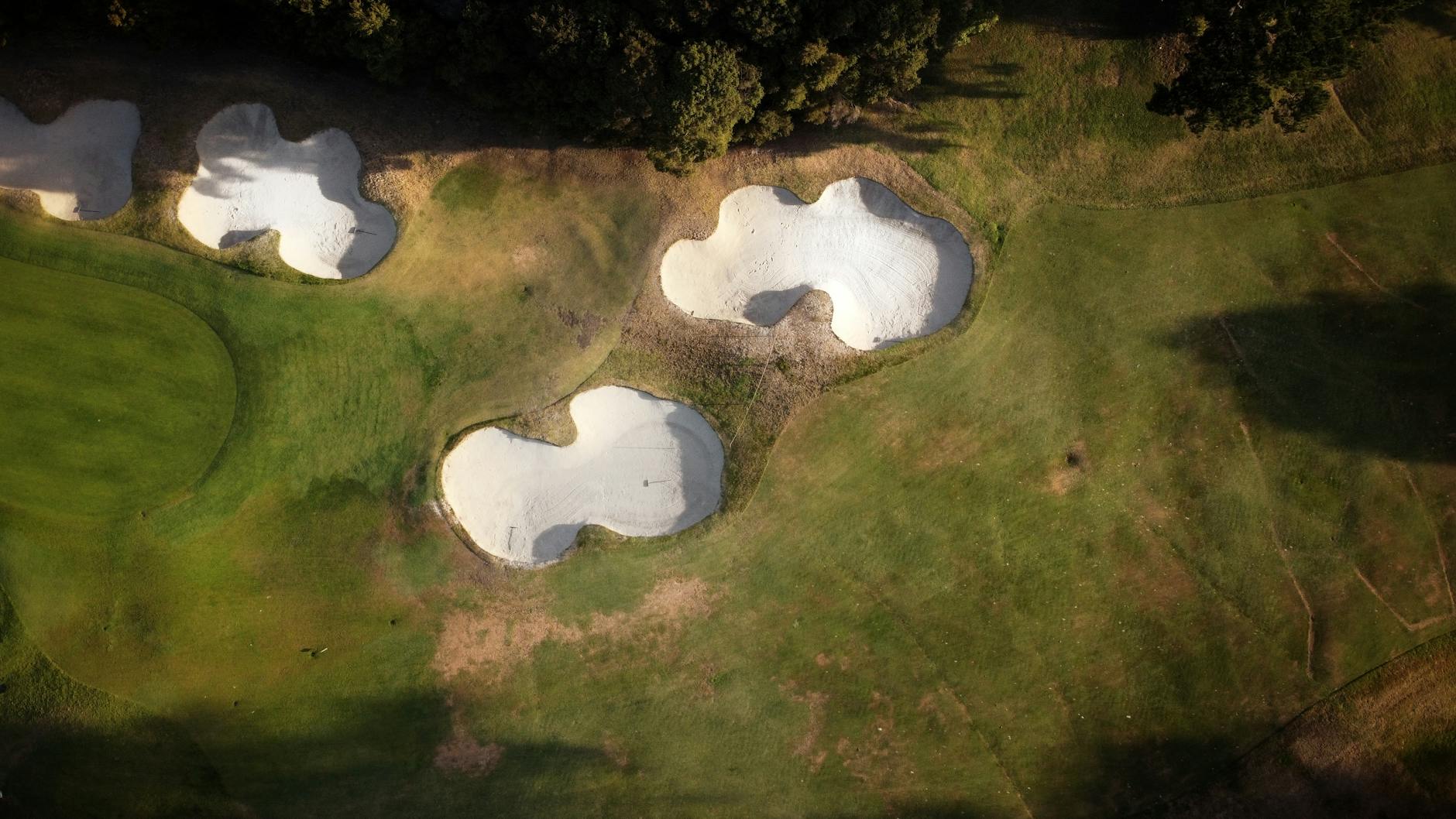
What elevates a hole from memorable to iconic? It requires the perfect confluence of risk-reward decision-making, natural beauty, and historical significance. The clubs that house these masterpieces guard their exclusivity fiercely, yet their legendary holes have shaped how we understand golf course architecture itself.
Augusta National Golf Club: Where Legends Are Made
No discussion of signature holes begins anywhere but Augusta National. The 12th hole at Amen Corner—a 155-yard par three—has witnessed more championship dreams shattered than perhaps any other hole in golf. The deceptively narrow green, fronted by Rae's Creek and backed by azaleas that bloom each April, demands precise distance control in swirling winds that even the game's greatest players struggle to read.
The genius of Alister MacKenzie's design lies in its psychological warfare. Players must commit fully to their club selection despite knowing the wind can shift mid-swing. The 2016 Masters saw Jordan Spieth's collapse include a quadruple-bogey here, forever cementing the 12th's reputation as a tournament decider.
There is no hole in golf that creates more drama with less yardage than the 12th at Augusta.
— Golf Architecture Historians
Pine Valley Golf Club: The World's Most Feared Layout
Nestled in the pine barrens of southern New Jersey, Pine Valley has consistently ranked among the world's greatest courses since its 1918 opening. The club's legendary difficulty stems from George Crump's vision of strategic perfection, where every shot demands precise execution.
The 13th hole exemplifies Pine Valley's unforgiving nature. This 448-yard par four requires a perfectly positioned drive to avoid sandy waste areas that swallow errant shots. The approach to a severely contoured green must carry a fronting bunker while avoiding a back slope that feeds balls into despair.
- Pine Valley's 13th requires two flawless shots with zero margin for error
- The course features sandy waste areas rather than traditional rough
- Walk-only policy maintains the course's pristine playing conditions
- Membership remains among the most exclusive in American golf
Cypress Point Club: Pacific Perfection
Alister MacKenzie's coastal masterpiece along the Monterey Peninsula features the most photographed par three in golf: the 16th hole. This 233-yard gem demands a carry entirely over the Pacific Ocean to a green perched on rocky outcrops. When the wind howls off the water, players face an impossible choice between aggressive heroics and the safer bailout to the left.

The strategic brilliance lies in the alternative route. A lay-up left leaves a manageable pitch, but surrendering strokes here can prove costly against a field of skilled players who might pull off the dramatic carry. This risk-reward calculus, set against crashing waves and cypress trees, represents golf architecture at its most inspiring.
Shinnecock Hills: America's Original Sporting Ground
Among the five founding member clubs of the USGA, Shinnecock Hills in Southampton, New York, offers perhaps the purest links-style experience in America. The 14th hole, a demanding par four stretching over 440 yards, plays directly into the prevailing wind and features a green that rejects anything but the most precisely struck approach.
What makes Shinnecock's design remarkable is its restraint. William Flynn's renovation respected the natural landforms, allowing the terrain to dictate strategic options rather than imposing artificial challenges. The result is a hole that changes character dramatically based on wind conditions—a true examination of adaptable golf.
Course Management at Elite Venues
Playing these signature holes demands more than technical skill. Elite amateurs fortunate enough to experience these courses must embrace strategic humility. At Pine Valley's 13th, for instance, the smart play often means accepting par as a victory rather than firing at tucked pins.
Wind reading becomes paramount at coastal venues like Cypress Point and Shinnecock. The player who can adjust trajectory and spin to combat ocean breezes gains significant advantage. High-density golf balls engineered for wind stability, like those in the Attomax Pro lineup, can provide measurable benefits when fighting crosswinds over Cypress Point's 16th.
Oakmont Country Club: Fury and Fairways
Pittsburgh's Oakmont Country Club represents a different philosophy—one of relentless difficulty through speed and precision. The infamous Church Pews bunker complex between the third and fourth fairways has claimed countless victims, but the signature moment comes at the 17th, a 313-yard par four that tempts players to drive the green.
The putting surfaces at Oakmont run faster than nearly any course in American golf. The 17th green, even when reached in one, presents a terrifying two-putt challenge. This combination of reachable distance and severe green contours creates a risk-reward equation that has decided multiple U.S. Open championships.
- Augusta National's 12th—the ultimate tournament pressure cooker
- Pine Valley's 13th—unforgiving strategic perfection
- Cypress Point's 16th—visual drama meets heroic carry
- Shinnecock's 14th—links golf in the Hamptons
- Oakmont's 17th—driveable danger with lightning greens
The Future of Private Golf Excellence
These clubs continue evolving while honoring their architectural heritage. Augusta National regularly adjusts hole lengths to challenge modern equipment, while Pine Valley's recent changes preserved Crump's strategic intent. The best private clubs understand that great holes must challenge each generation anew.
For those fortunate enough to walk these fairways, the signature holes offer more than golf—they provide connection to the game's deepest traditions. Each swing echoes with the footsteps of champions and dreamers who came before, making these holes truly sacred ground in American sport.
Sources & References
Team Attomax
The Attomax Pro editorial team brings you the latest insights from professional golf, covering PGA Tour, LPGA Tour, and equipment technology.