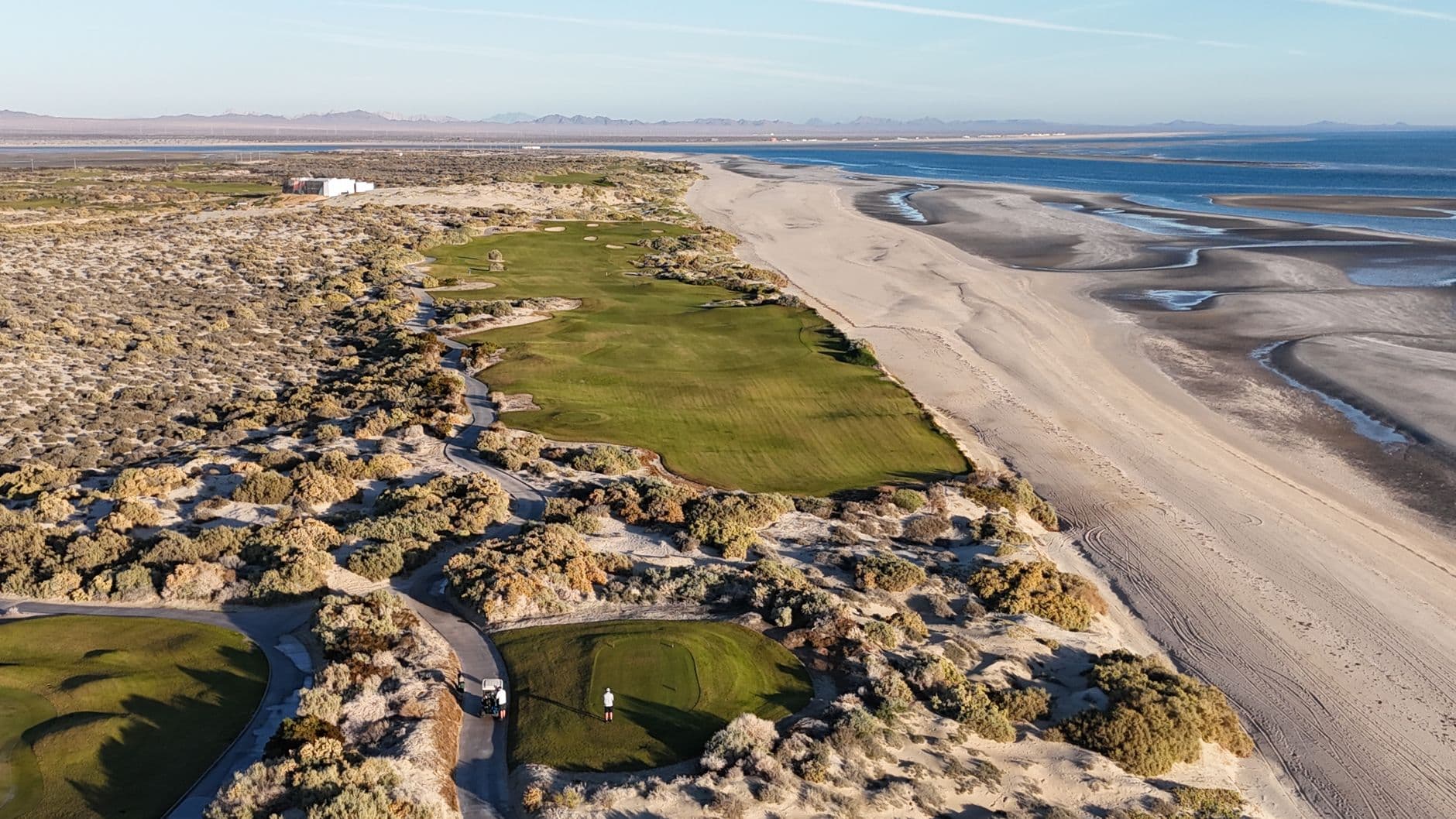
Behind the gates of America's most exclusive golf clubs lie holes that have shaped the very narrative of the game. These aren't merely challenging stretches of turf—they're sacred ground where history has been written, fortunes have shifted, and the world's greatest players have faced their ultimate tests.
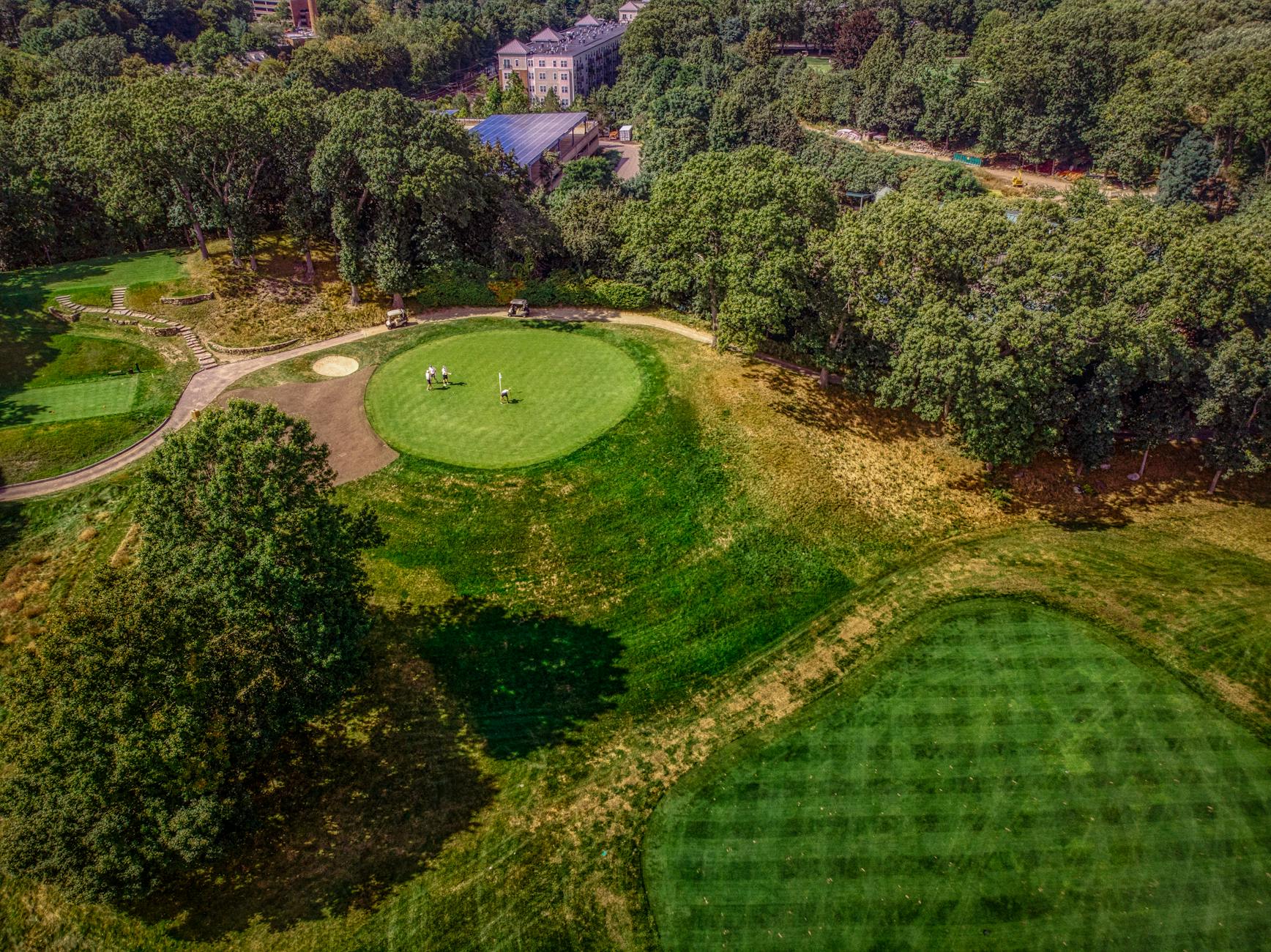
For those fortunate enough to secure a tee time at these hallowed venues, walking these fairways represents the pinnacle of the amateur golf experience. Each signature hole tells a story of architectural genius, natural beauty, and competitive drama that transcends the sport itself.
Augusta National Golf Club: Where Legends Are Made
No discussion of signature holes begins anywhere other than Augusta National. The Georgia Pines property that Alister MacKenzie and Bobby Jones transformed in 1933 remains golf's most revered cathedral. While every hole carries weight during Masters week, the 12th hole—Golden Bell—stands as perhaps the most psychologically demanding 155 yards in championship golf.
This deceptively short par-3 features Rae's Creek fronting a shallow green, with azaleas and bunkers guarding the back. The swirling winds through Amen Corner have destroyed countless title hopes. The green's narrow depth means club selection becomes an exercise in faith as much as calculation.
There is no hole in golf that causes more second-guessing than the 12th at Augusta. You can hit the perfect shot and still watch it spin back into the water.
— Golf Course Architecture Analysis
Pine Valley Golf Club: The World's Most Feared Layout
Nestled in the New Jersey Pine Barrens, Pine Valley has maintained its reputation as the world's most difficult course since George Crump's masterwork opened in 1918. The club's mystique is enhanced by its intensely private nature—even photographs of the property remain scarce.
The 7th hole exemplifies Pine Valley's punishing philosophy. This par-5 known as 'Hell's Half Acre' features an enormous sandy wasteland bisecting the fairway that can swallow even well-struck approach shots. The psychological weight of carrying that expanse has undone countless confident swings.
- The course routing flows through dense forest and sandy terrain
- Members speak of the 'Pine Valley experience' as transformative
- Walking the course is mandatory, preserving its contemplative nature
- First-time visitors often struggle to break 90 despite single-digit handicaps
Cypress Point Club: Pacific Poetry in Motion
Alister MacKenzie's coastal masterpiece along the Monterey Peninsula represents golf course architecture at its most artistic. Cypress Point's 16th hole—a par-3 playing entirely over the Pacific Ocean to a green perched on rocky headlands—is widely considered the most beautiful hole in American golf.
The carry from the championship tees stretches approximately 230 yards over churning surf and jagged rocks. When the wind howls off the Pacific, even tour professionals have been known to lay up to the forward bail-out area, accepting bogey rather than risking the ocean's embrace.
Shinnecock Hills Golf Club: America's First Clubhouse
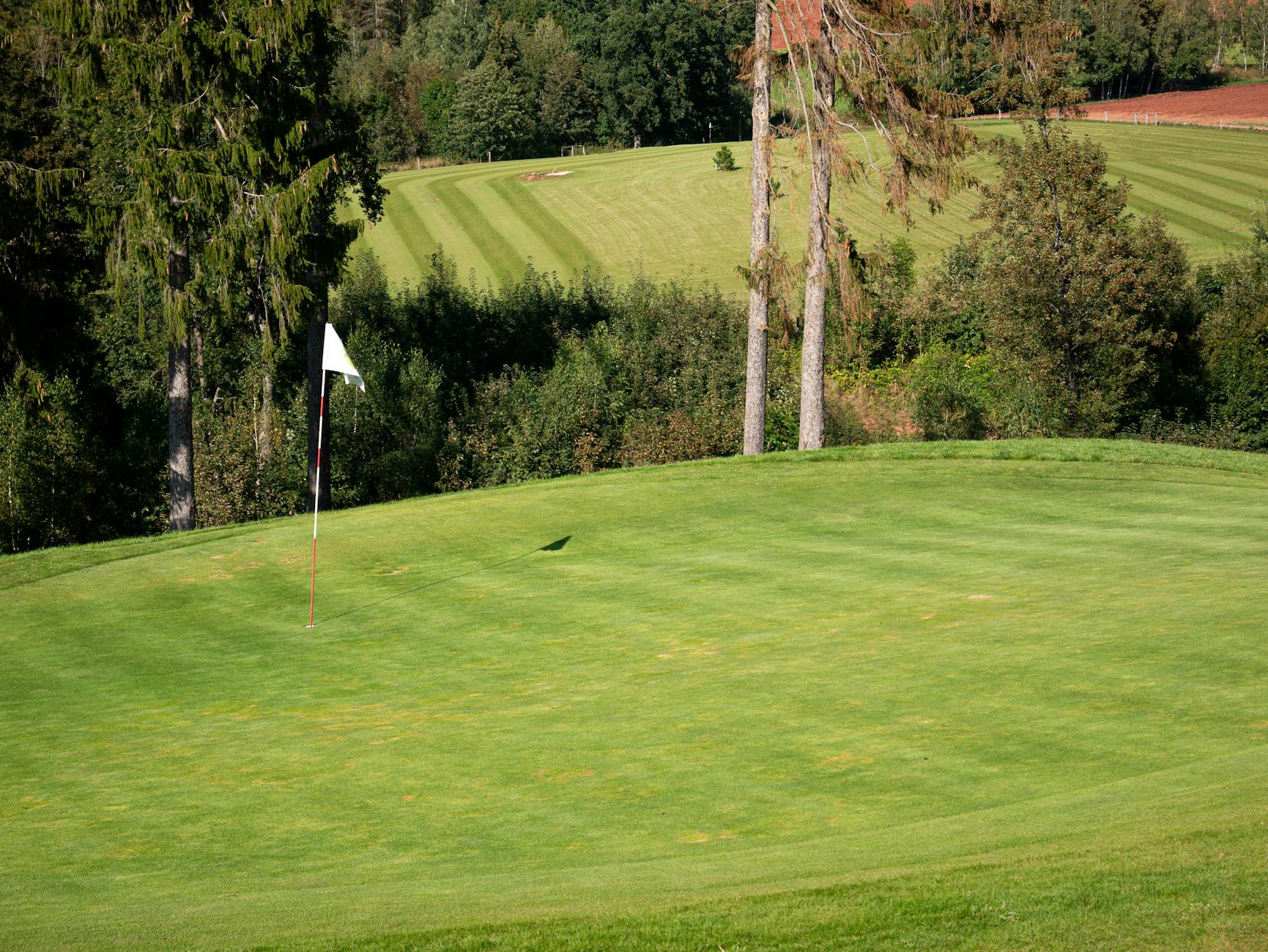
The Southampton, New York institution holds a unique place in American golf history as one of the five founding member clubs of the USGA. Shinnecock's windswept terrain along the Atlantic provides a links-style challenge rarely found on American soil. The course has hosted multiple U.S. Opens, with its 14th hole serving as a particularly memorable test.
This par-4 plays along a ridge with the land falling away on both sides. When the wind blows—and it almost always does at Shinnecock—keeping the ball on the narrow fairway becomes an exercise in shot-shaping precision. The approach shot to an elevated green surrounded by deep bunkers demands exact distance control.
The Mental Game at Elite Venues
What separates these signature holes from merely difficult tests is their capacity to occupy mental space long before players reach the tee. The anticipation of standing over a shot at Cypress Point's 16th or Augusta's 12th creates a pressure that no practice facility can simulate.
Course management at these venues requires abandoning ego. The smart play at Pine Valley's 7th often means laying back short of the wasteland, trading potential glory for certain safety. At Shinnecock, accepting that par represents an excellent score allows players to avoid the catastrophic numbers that lurk on every hole.
Oakmont Country Club: Pittsburgh's Punishing Pride
Henry Fownes designed Oakmont in 1903 with a singular philosophy: create the most challenging test possible. The Church Pews bunker complex between the 3rd and 4th holes has become the course's visual signature—a series of twelve grass-covered ridges within a massive sand hazard that can require multiple shots to escape.
The 3rd hole, a demanding par-4, frequently plays as the most difficult hole during U.S. Open competition. The fairway tilts toward the Church Pews, making the conservative play nearly as dangerous as an aggressive line. Oakmont's lightning-fast greens, among the quickest in championship golf, compound every approach shot's difficulty.
- Augusta National's 12th: Golden Bell—155 yards of pure psychology
- Pine Valley's 7th: Hell's Half Acre demands respect from 600 yards
- Cypress Point's 16th: The most photographed par-3 in golf
- Shinnecock's 14th: Links golf in the American Northeast
- Oakmont's 3rd: Church Pews punish the slightest miss
The Privilege of Private Play
Accessing these courses requires either membership—often involving decades-long waiting lists and invitation-only policies—or connections to existing members willing to extend guest privileges. The exclusivity isn't merely about wealth; these clubs prioritize members who demonstrate genuine love for the game and respect for its traditions.
For those who do earn the opportunity to play these layouts, the experience demands preparation. Understanding each signature hole's history, knowing the preferred angles of attack, and accepting that humility serves better than hubris will maximize enjoyment. These courses have humbled every level of player, from weekend amateurs to major champions.
The signature holes at America's elite private clubs represent more than architectural achievement—they embody golf's capacity to create moments of profound challenge and beauty. Whether it's the ocean spray at Cypress Point, the azalea blooms at Augusta, or the sandy barrens of Pine Valley, these holes remind us why the game maintains its hold on our imagination generation after generation.
Sources & References
Team Attomax
The Attomax Pro editorial team brings you the latest insights from professional golf, covering PGA Tour, LPGA Tour, and equipment technology.