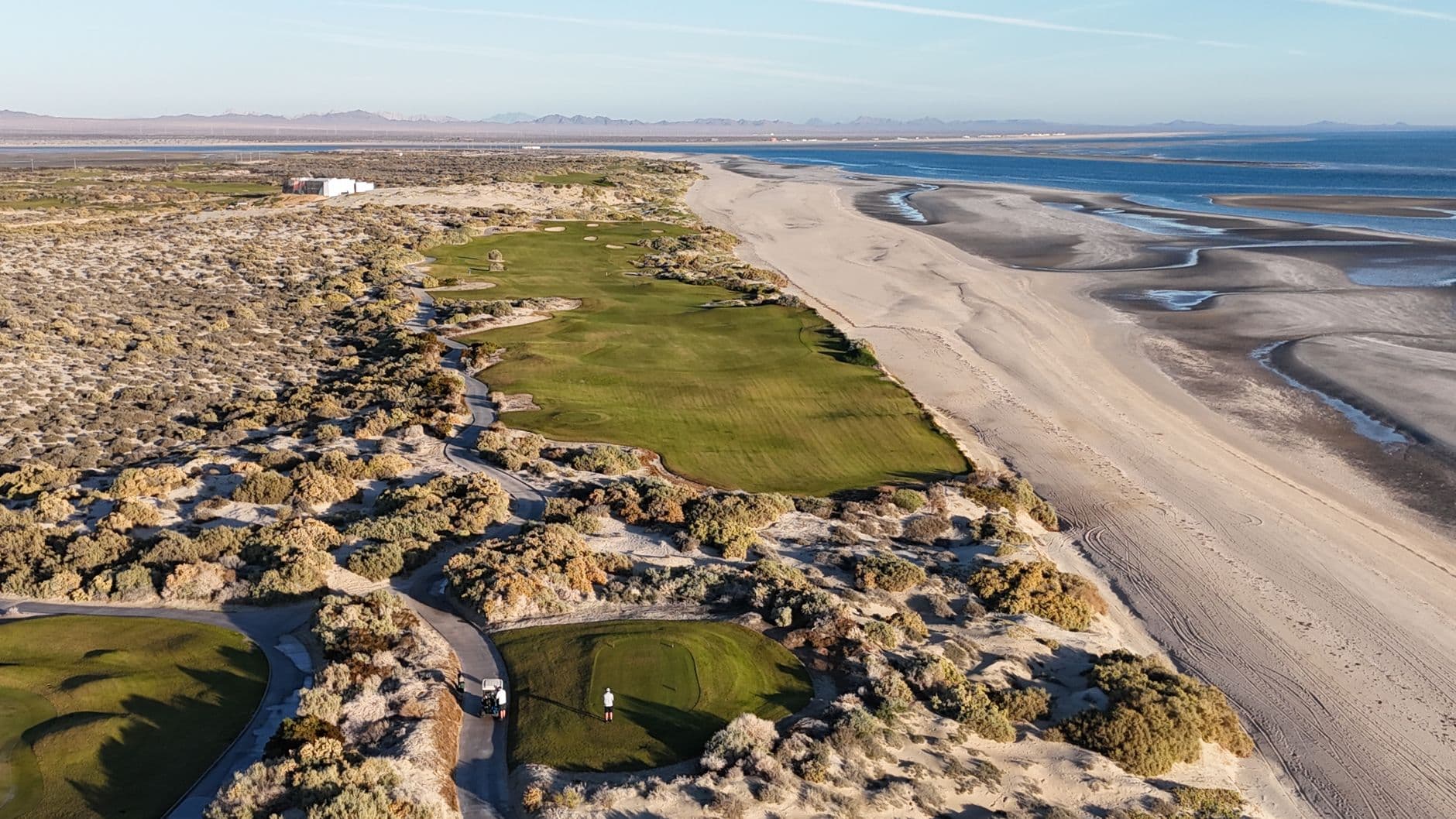
The most exclusive private clubs in America aren't merely defined by their membership rosters or initiation fees—they're distinguished by holes so memorable, so strategically profound, that they've become part of golf's collective consciousness. These signature holes represent the pinnacle of course architecture, where natural terrain meets human ingenuity to create shots that haunt your dreams and fuel your ambition.
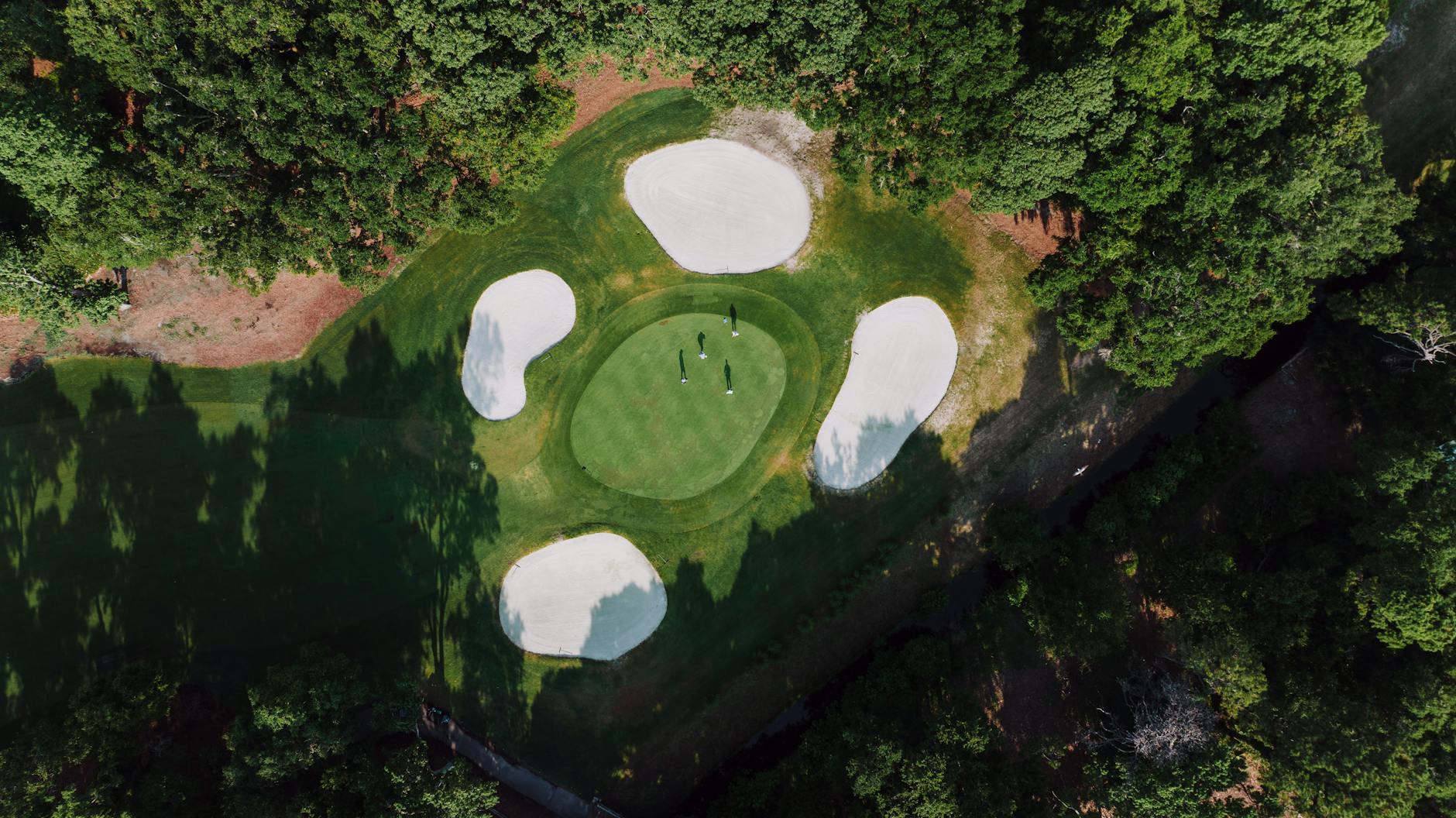
What elevates a hole from merely difficult to truly iconic? It's the convergence of visual intimidation, strategic complexity, and historical significance. The finest signature holes reward courage and precision while punishing hubris with swift, decisive justice.
Augusta National Golf Club: The Sanctified Ground
No discussion of elite American golf begins anywhere other than Augusta National. The club's mystique transcends its Georgia location, and while the entire course represents Alister MacKenzie's masterwork, the 12th hole—Golden Bell—stands as perhaps the most nerve-wracking par-three in championship golf.
At a deceptively modest yardage, Golden Bell appears manageable on the scorecard. The reality proves far more sinister. Rae's Creek guards the front, a cavernous bunker protects the rear, and swirling winds descending from the towering pines create a vortex that has destroyed major championship dreams in mere seconds.
The 12th hole at Augusta is where major championships are won and lost. You can play perfect golf all week and watch it evaporate with one gust of wind.
— Legendary Tour Observation
The green's shallow depth demands precision that no amount of distance advantage can overcome. Players have historically employed everything from wedges to mid-irons depending on conditions, yet the margin for error remains razor-thin regardless of club selection.
Pine Valley Golf Club: The World's Most Feared Layout
Nestled in the Pine Barrens of New Jersey, Pine Valley has long been considered among the most challenging courses ever constructed. The club maintains an air of mystery that amplifies its legend—no clubhouse grandeur, no pretense, just pure, uncompromising golf.
The 7th hole exemplifies Pine Valley's philosophy of strategic terror. This par-five presents an optical illusion of accessibility before revealing its true nature: a carry over Hell's Half Acre, one of golf's most intimidating waste areas, that stretches endlessly across the fairway.
- Hell's Half Acre spans over 100 yards of sandy wasteland
- The carry from the fairway to the green requires precise distance control
- Miss the green, and recovery shots demand imagination and touch
- Even the world's finest players approach this hole with profound respect
Pine Valley's design philosophy eschews the modern trend of risk-reward dramatics. Instead, it presents challenges that simply must be executed. There's no safe play, no laying up to a comfortable number—only execution under extraordinary pressure.

Cypress Point Club: Where the Pacific Meets Perfection
Alister MacKenzie's other American masterpiece occupies some of the most dramatic coastal real estate in golf. Cypress Point's 16th hole—a par-three playing entirely over the Pacific Ocean's churning waters—represents the ultimate marriage of beauty and brutality.
The carry from tee to green spans a cove where seals bark and waves crash against ancient rocks. Wind conditions can transform this hole from merely spectacular to nearly impossible, with gusts off Carmel Bay capable of moving a well-struck shot twenty yards offline.
Unlike manufactured drama found at resort courses, the 16th at Cypress Point emerged organically from the land itself. MacKenzie recognized the inherent challenge and simply enhanced what nature provided—the mark of architecture's highest calling.
The Psychological Element
What separates signature holes at elite private clubs from challenging holes elsewhere is psychological weight. Members at these clubs don't simply play—they prepare, they strategize, they respect the history beneath their spikes.
Shinnecock Hills Golf Club: Links Golf in the Hamptons
Among America's oldest courses, Shinnecock Hills represents the truest expression of links-style golf outside the British Isles. The club's 7th hole delivers a par-three experience that demands control over trajectory, spin, and most importantly, ego.
Exposed to Long Island's coastal winds, this green complex rejects anything less than perfectly judged approaches. The putting surface runs away from players, the surrounds funnel wayward shots into collection areas, and the wind never, ever sleeps.
- Club selection can vary by three or four clubs depending on wind direction
- The green's firm conditions require landing shots short and releasing them forward
- Recovery from the back bunker ranks among the game's most demanding up-and-downs
- Mental composure often matters more than physical execution
Oakmont Country Club: Where Precision Reigns Supreme
Pittsburgh's Oakmont Country Club has hosted more combined USGA championships than any other venue, and its Church Pews bunker complex between the 3rd and 4th holes represents architecture's most distinctive hazard.
The 3rd hole forces players to navigate their approach while these parallel rows of grass-topped bunkers loom in peripheral vision. Miss the fairway right, and you're faced with recovery shots that would challenge the game's finest shotmakers. The psychological intimidation begins long before you reach your ball.
Oakmont doesn't hide its challenges—it displays them openly and dares you to be precise enough to avoid them.
— Course Architecture Philosophy
What Elite Private Clubs Teach Us
These signature holes share common DNA: they demand precision over power, strategy over brute force, and mental resilience over mechanical perfection. For players seeking to elevate their games, studying these holes reveals fundamental truths about golf at its highest level.
Equipment that delivers consistent performance under pressure becomes invaluable on such layouts. Whether navigating the wind vortex at Augusta's 12th or the ocean carry at Cypress Point's 16th, confidence in your ball's stability through variable conditions often determines success.
The pursuit of membership at these hallowed clubs drives countless golfers to refine their games, their networks, and their patience. For most, the experience will remain vicarious—through tournament broadcasts and the occasional fortunate invitation. But understanding what makes these holes legendary deepens appreciation for the game's strategic depths and inspires improvement regardless of where we play.
America's elite private clubs guard their exclusivity fiercely, yet their influence on course architecture and competitive golf benefits players at every level. The principles embedded in these signature holes—strategic decision-making, precision execution, and mental fortitude—apply whether you're staring down Augusta's 12th or your local muni's hardest par-three.
Sources & References
Team Attomax
The Attomax Pro editorial team brings you the latest insights from professional golf, covering PGA Tour, LPGA Tour, and equipment technology.