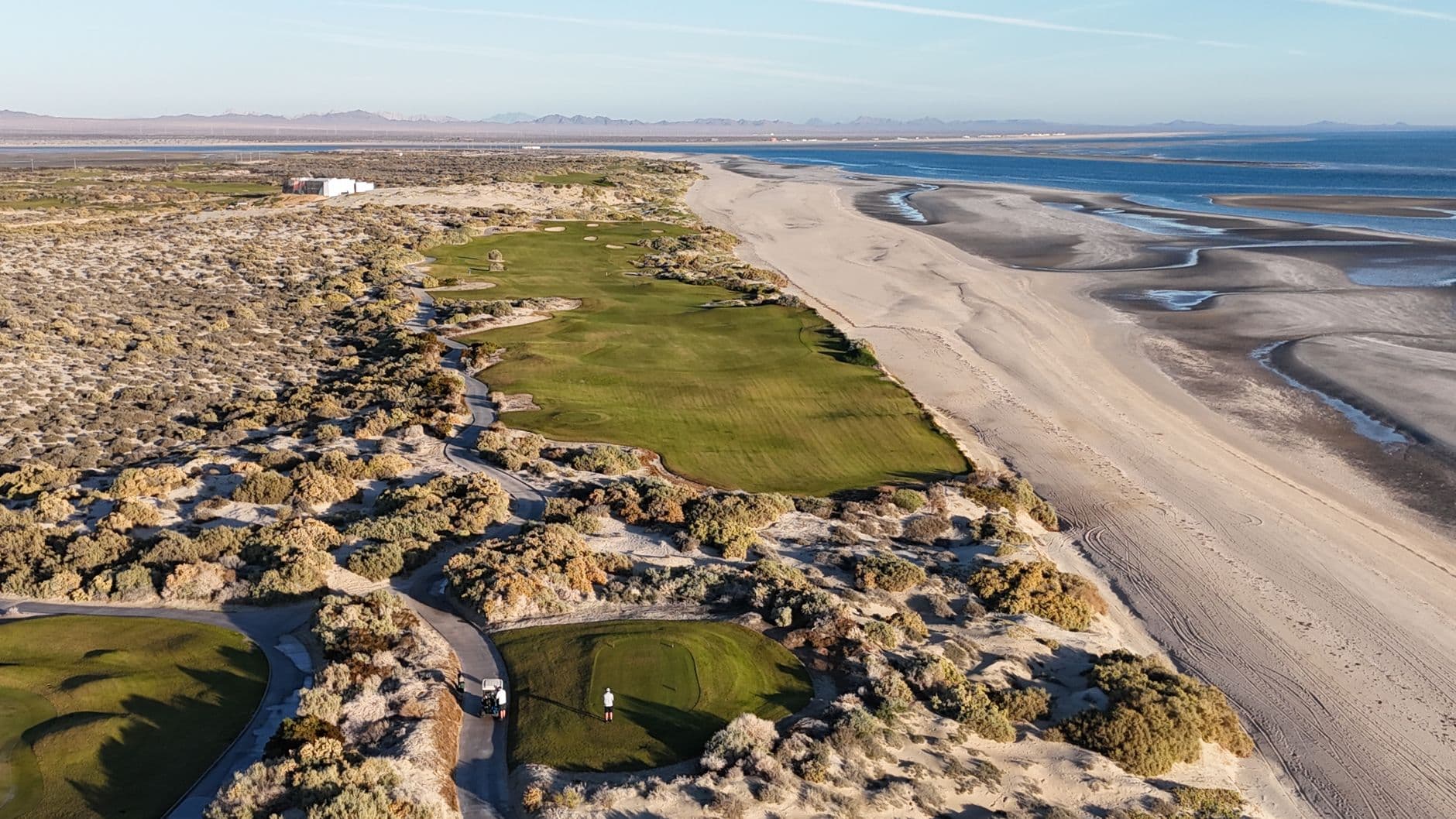
In the world of golf, certain addresses carry an almost mythical weight. These aren't merely courses—they're living museums of the game's evolution, guardians of tradition, and proving grounds where generations of champions have tested their mettle against designs that have defined American golf architecture.

For the serious golfer, understanding these institutions goes beyond bucket-list aspirations. These clubs have shaped equipment innovation, course design philosophy, and the very culture of competitive golf. Their influence resonates in everything from how modern courses are routed to the unwritten codes of conduct that govern the game.
Augusta National: Where Tradition Meets Horticultural Perfection
No discussion of American golf prestige begins anywhere but Augusta, Georgia. Founded in 1933 by Bobby Jones and Clifford Roberts on the site of a former nursery, Augusta National Golf Club represents the pinnacle of controlled exclusivity. The club's membership reportedly hovers around 300 individuals, with the initiation process shrouded in deliberate mystery.
What separates Augusta from its peers is the relentless pursuit of perfection. The course undergoes constant refinement, with recent decades seeing significant lengthening to challenge modern equipment advances. Every April, the Masters Tournament showcases not just elite competition, but a theatrical presentation of course conditioning that has influenced maintenance standards worldwide.
Augusta National is a young man's dream and an old man's paradise.
— Gene Sarazen
The club's influence extends beyond its famous green jackets. Augusta's approach to pace of play, caddie programs, and patron experience at the Masters has established benchmarks that tournaments globally attempt to replicate.
Pine Valley: Golf's Ultimate Examination
Nestled in the New Jersey Pine Barrens, Pine Valley Golf Club has consistently ranked among the world's finest courses since its 1918 founding. George Crump's masterpiece demands strategic precision on every shot, with penal waste areas and elevated greens punishing anything less than committed execution.
Pine Valley's membership remains extraordinarily limited, with the club maintaining an all-male membership policy that has drawn criticism in recent years. The waiting list, according to various reports, stretches decades long, with sponsorship from multiple existing members required for consideration.
- Course design features dramatic elevation changes despite the relatively flat surrounding terrain
- Several holes rank individually among the most challenging in American golf
- The club hosted the Walker Cup in 1936 and 1985, showcasing amateur golf's finest
For equipment enthusiasts, Pine Valley's demanding conditions have long served as a proving ground. The premium on distance control and spin consistency through sandy lies makes it an ideal test bed for advanced ball technology, where the compression characteristics of high-density constructions can provide meaningful advantages.
Shinnecock Hills: America's First Golf Institution
Long Island's Shinnecock Hills Golf Club holds a unique place in American golf history as one of the five founding member clubs of the USGA in 1894. Its Stanford White-designed clubhouse—the oldest in the country—overlooks a links-inspired layout that has hosted five U.S. Opens.
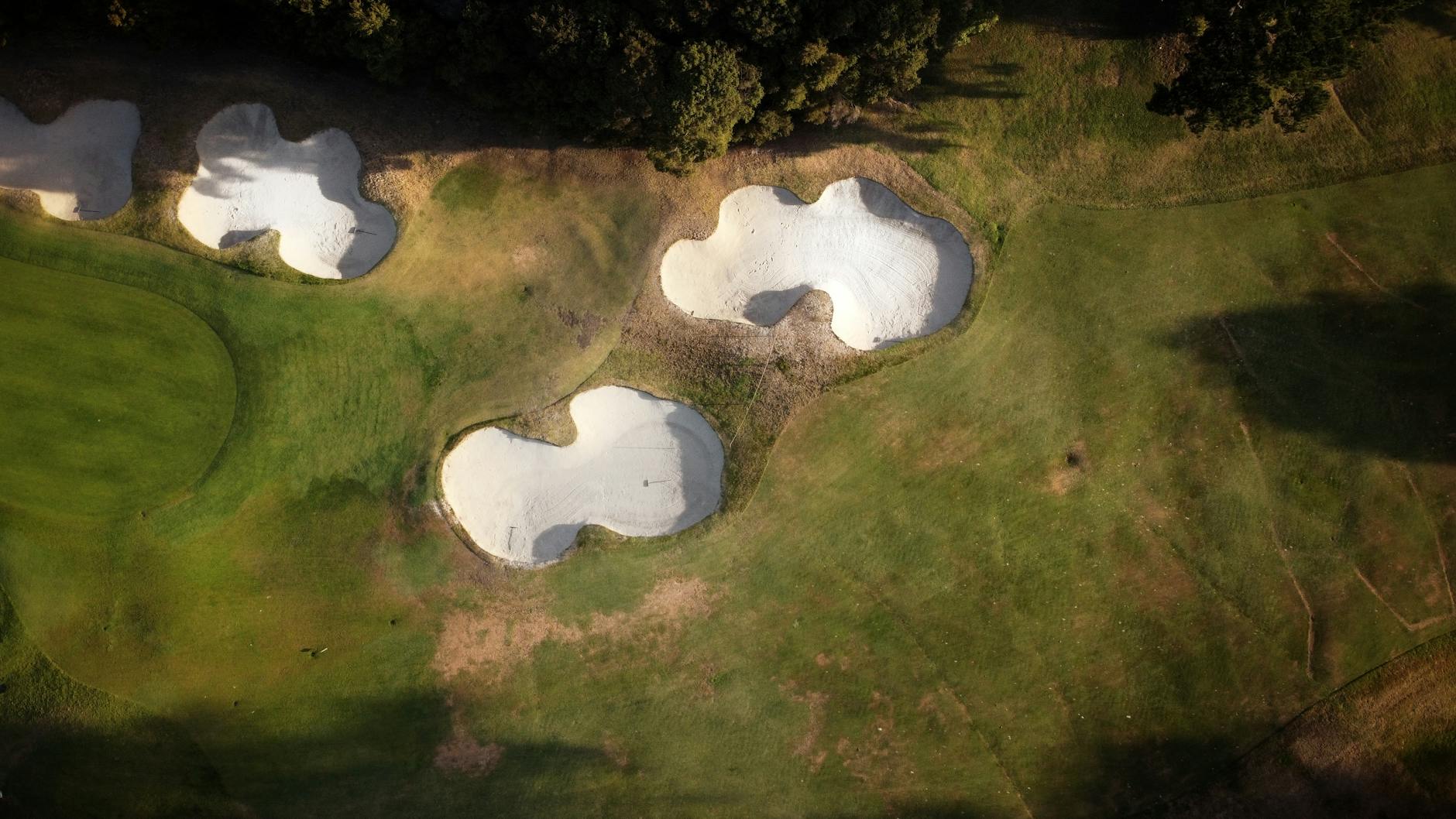
The course's exposed position creates wind conditions that can transform scoring on any given day. When the breeze picks up off Peconic Bay, club selection becomes an exercise in feel and experience rather than mere yardage calculation. This is golf reduced to its elemental challenge: player versus conditions.
Membership at Shinnecock reflects old-money East Coast tradition. The club maintains a deliberately understated profile compared to some peers, with generations of families holding memberships that date back to the club's earliest decades.
The Hamptons Golf Corridor
Shinnecock anchors a remarkable concentration of elite golf in the Hamptons region. National Golf Links of America, designed by Charles Blair Macdonald, sits adjacent and represents the first deliberate attempt to recreate famous British hole templates on American soil. Maidstone Club and Sebonack Golf Club further establish Long Island's eastern end as hallowed ground for serious players.
Cypress Point: California Dreaming at Its Finest
Alister MacKenzie's 1928 creation along the Monterey Peninsula represents golf architecture's romantic ideal. Cypress Point Club features just 250 members and a setting so dramatic that several holes seem carved directly from the Pacific coastline's rocky outcroppings.
The club's relative obscurity compared to neighboring Pebble Beach belies its architectural significance. MacKenzie's routing through forest, dunes, and clifftops demonstrates variety that modern designers still study. The famous 16th hole, demanding a carry across ocean inlet to a small green, ranks among golf's most photographed and feared par-threes.
Cypress Point is the Sistine Chapel of golf.
— Golf Architecture Scholars
Membership Realities: Understanding the Pathway
Gaining access to these institutions requires more than financial resources, though substantial initiation fees and annual dues certainly apply. The common thread across elite American clubs is the sponsorship model—prospective members must cultivate genuine relationships with existing members willing to advocate for their candidacy.
- Sponsorship from multiple existing members in good standing
- Extended vetting process examining character and community standing
- Demonstrated commitment to golf and club participation
- Financial capacity without overemphasis on wealth display
- Patience measured in years, sometimes decades
Many clubs value discretion above all else. Prospective members who publicize their candidacy or treat membership as a status acquisition often find doors closed. The emphasis remains on finding individuals who will contribute to club culture rather than simply consume its prestige.
The Modern Evolution of Private Club Golf
These historic institutions face interesting tensions heading into 2026 and beyond. Calls for increased diversity and inclusion challenge traditions that have defined membership for generations. Some clubs have begun adapting, while others maintain that their private nature allows preservation of established culture.
Equipment advances have also prompted course modifications across many elite venues. The combination of modern ball technology and improved shaft performance has necessitated lengthening and repositioning of hazards to maintain intended challenge levels. Clubs investing in their courses recognize that without evolution, their designs risk becoming obsolete examinations of the modern game.
For the dedicated golfer fortunate enough to experience these venues, the memories formed transcend typical rounds. Walking fairways where Jones, Hogan, and Nicklaus competed provides connection to the game's lineage that no simulator or resort course can replicate. These clubs remain not just playing fields, but cathedrals of the sport's highest traditions.
Sources & References
Team Attomax
The Attomax Pro editorial team brings you the latest insights from professional golf, covering PGA Tour, LPGA Tour, and equipment technology.