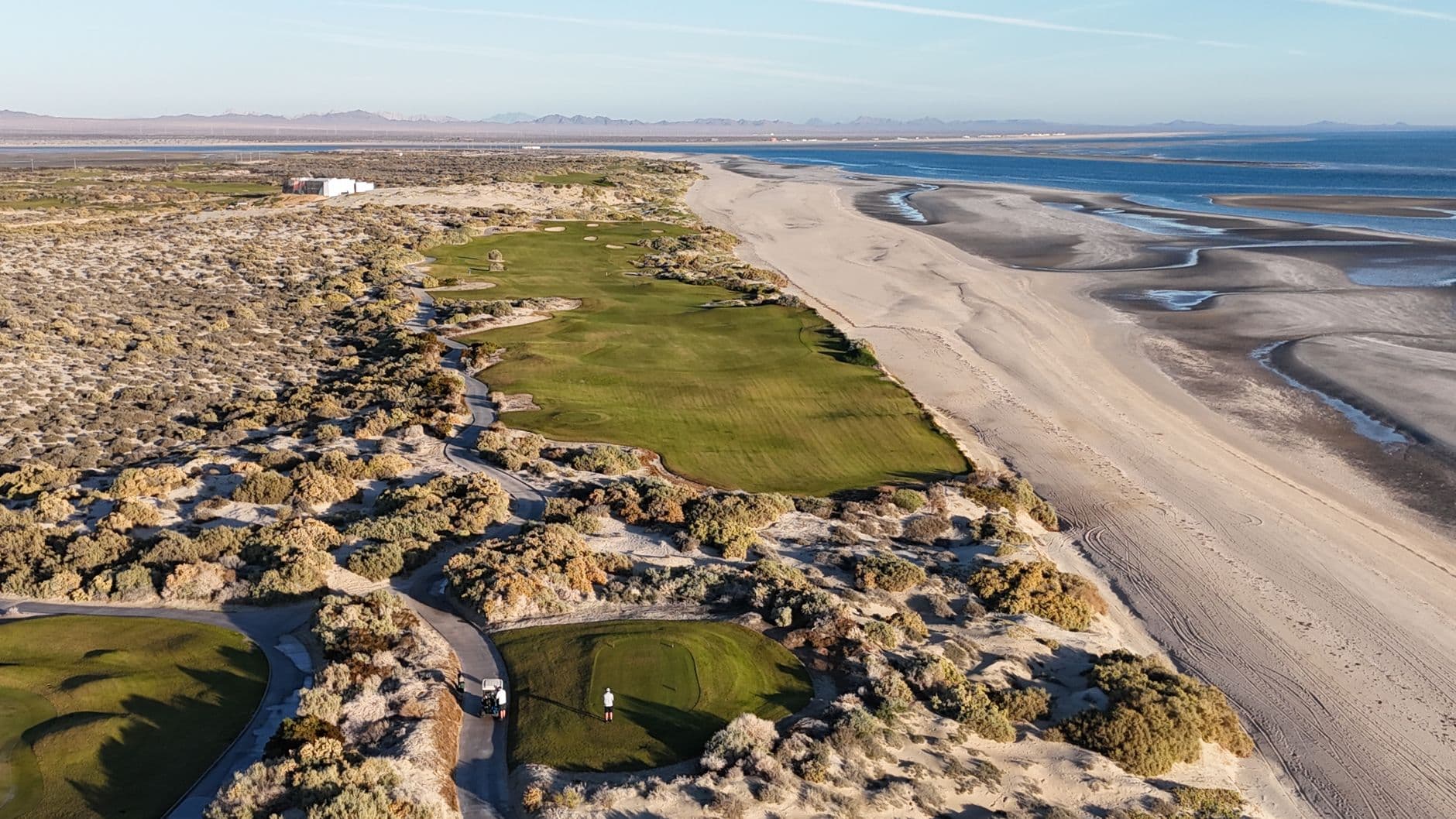
The United States is home to some of the most revered golf institutions on the planet—clubs where Bobby Jones once walked, where championships have been decided on the 72nd hole, and where membership remains more elusive than a hole-in-one on a par three. These aren't merely courses; they're living museums of the game, preserving traditions while simultaneously shaping golf's future.
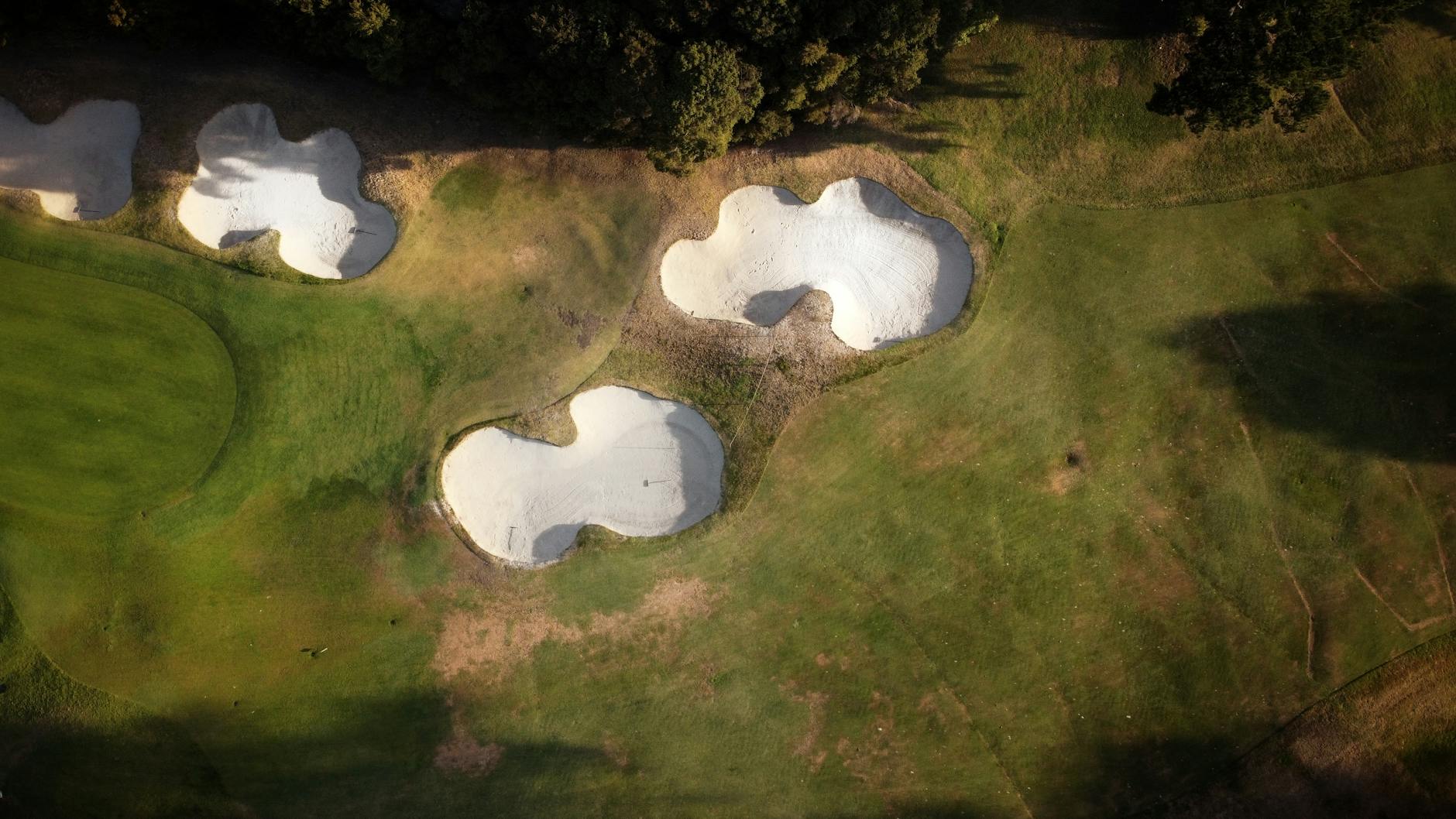
Understanding what makes these clubs iconic requires looking beyond the manicured fairways and examining the intersection of architectural vision, competitive history, and the carefully cultivated cultures that exist within their gates.
Augusta National Golf Club: The Cathedral of American Golf
No discussion of prestigious American clubs begins anywhere but Augusta, Georgia. Founded in 1933 by Bobby Jones and Clifford Roberts on the grounds of a former nursery, Augusta National transcends the typical country club designation. The property's horticultural heritage—evident in the magnolias, azaleas, and dogwoods that frame each hole—creates a visual spectacle unmatched in professional golf.
Alister MacKenzie's routing remains largely intact, though the club has continuously lengthened and refined the course to challenge modern equipment. The strategic corridors, bold contours, and infamous green complexes continue to reward creative shotmaking over brute force.
Membership at Augusta operates unlike any other institution. The club reportedly maintains fewer than 300 members, with initiation occurring strictly by invitation. There is no application process, no waitlist to join, and no path to membership other than being selected by the existing membership committee. Annual dues are rumored to be modest by elite club standards, but the barrier isn't financial—it's access.
Pine Valley Golf Club: The World's Most Exclusive Fairways
Tucked into the sandy pine barrens of Clementon, New Jersey, Pine Valley has long been considered by architects and serious golfers as the ultimate test of the game. George Crump's vision, completed posthumously by H.S. Colt, created eighteen holes where every shot demands precision. There are no weak holes, no respite, and no room for wayward play.
The club's culture emphasizes pure golf above all else. There's no swimming pool, no tennis courts, and minimal social programming. Members come to Pine Valley to play golf in its most distilled form. The lodge accommodations are functional rather than luxurious, reinforcing the club's singular focus.
- Membership is male-only and estimated at approximately 1,000 members
- Prospective members must be nominated by existing members and vetted extensively
- The waiting period for membership reportedly spans many years
- Guests can only play when accompanied by a member
Cypress Point Club: Where Architecture Meets the Pacific
Alister MacKenzie's other American masterpiece sits along the Monterey Peninsula, where the Del Monte Forest meets the Pacific Ocean. Cypress Point features what many consider the most beautiful stretch of holes in golf: the par-three 15th, the dramatic 16th across the ocean inlet, and the cliffside 17th.
The club withdrew from hosting professional events decades ago, choosing privacy over publicity. This decision reflects the membership's preference for preserving the intimate, unhurried experience that defines Cypress Point. Members and their guests play in relative solitude, often walking the course with minimal interference.
Joining Cypress Point requires a member sponsor willing to champion your candidacy through a rigorous vetting process. The membership cap ensures the course never feels crowded, and tee times flow naturally rather than being regimented.
Shinnecock Hills Golf Club: America's First Incorporated Club
Established in 1891 in Southampton, New York, Shinnecock Hills holds the distinction of being one of the five founding member clubs of the USGA. The club has hosted multiple U.S. Opens, with its windswept links-style terrain providing consistently challenging conditions that test every aspect of the game.
William Flynn's 1931 redesign created the bones of what exists today—a course that rewards ground game creativity and punishes aerial approaches when the Long Island winds howl. The native fescue rough and firm conditions create a playing experience closer to British links golf than most American venues.
Shinnecock is the closest thing to a true links course in America. When the wind blows, par becomes a moving target.
— Golf architecture historians
The Membership Reality: More Than Wealth
A common misconception suggests that gaining entry to these institutions is purely a matter of financial capacity. While initiation fees at elite clubs can reach well into six figures—and annual dues add substantially to the commitment—money alone guarantees nothing.
These clubs seek members who will contribute to the culture, respect traditions, and prioritize the golfing experience over social climbing. Business executives, celebrated athletes, and entertainment figures have all been declined membership at various prestigious clubs despite their financial credentials.
- Sponsorship from current members who stake their reputation on the candidate
- Extensive background review examining character and community standing
- Multiple interviews with membership committees
- Demonstrated passion for the game and respect for club traditions
- Patience through waiting periods that can span a decade or more
Regional Powerhouses Worth Noting
Beyond the universally recognized names, clubs like Merion Golf Club outside Philadelphia, with its iconic wicker baskets atop flagsticks, or the Chicago Golf Club—another USGA founding member—maintain equally stringent membership standards and equally passionate memberships dedicated to preserving their unique identities.
Seminole Golf Club in Juno Beach, Florida, designed by Donald Ross, has become particularly celebrated among tour professionals as a preferred winter practice destination. Its combination of strategic bunkering, ocean breezes, and impeccable conditioning creates a competitive laboratory.
The Future of Exclusivity
As golf continues evolving—with equipment technology advancing and new generations of players emerging—these historic institutions face the perpetual challenge of honoring their heritage while remaining relevant. Course modifications address modern distance capabilities, but the fundamental cultures remain remarkably consistent.
For most golfers, experiencing these legendary fairways will remain aspirational. But their influence extends far beyond their gates, shaping course design philosophy, maintenance standards, and the very definition of what a premier golf experience should embody. The traditions cultivated within these clubs continue to radiate outward, elevating expectations across the entire industry.
Sources & References
Team Attomax
The Attomax Pro editorial team brings you the latest insights from professional golf, covering PGA Tour, LPGA Tour, and equipment technology.