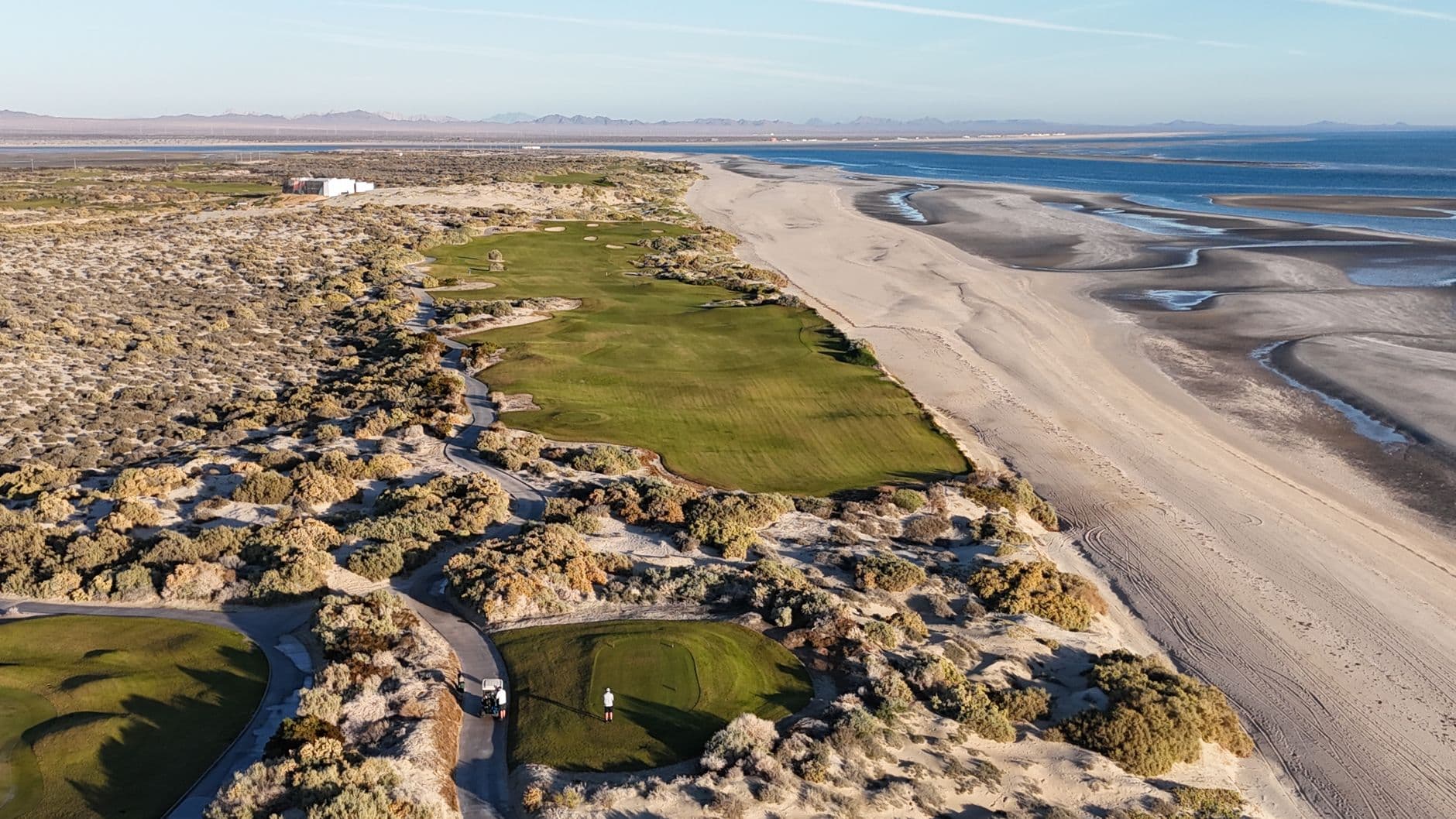
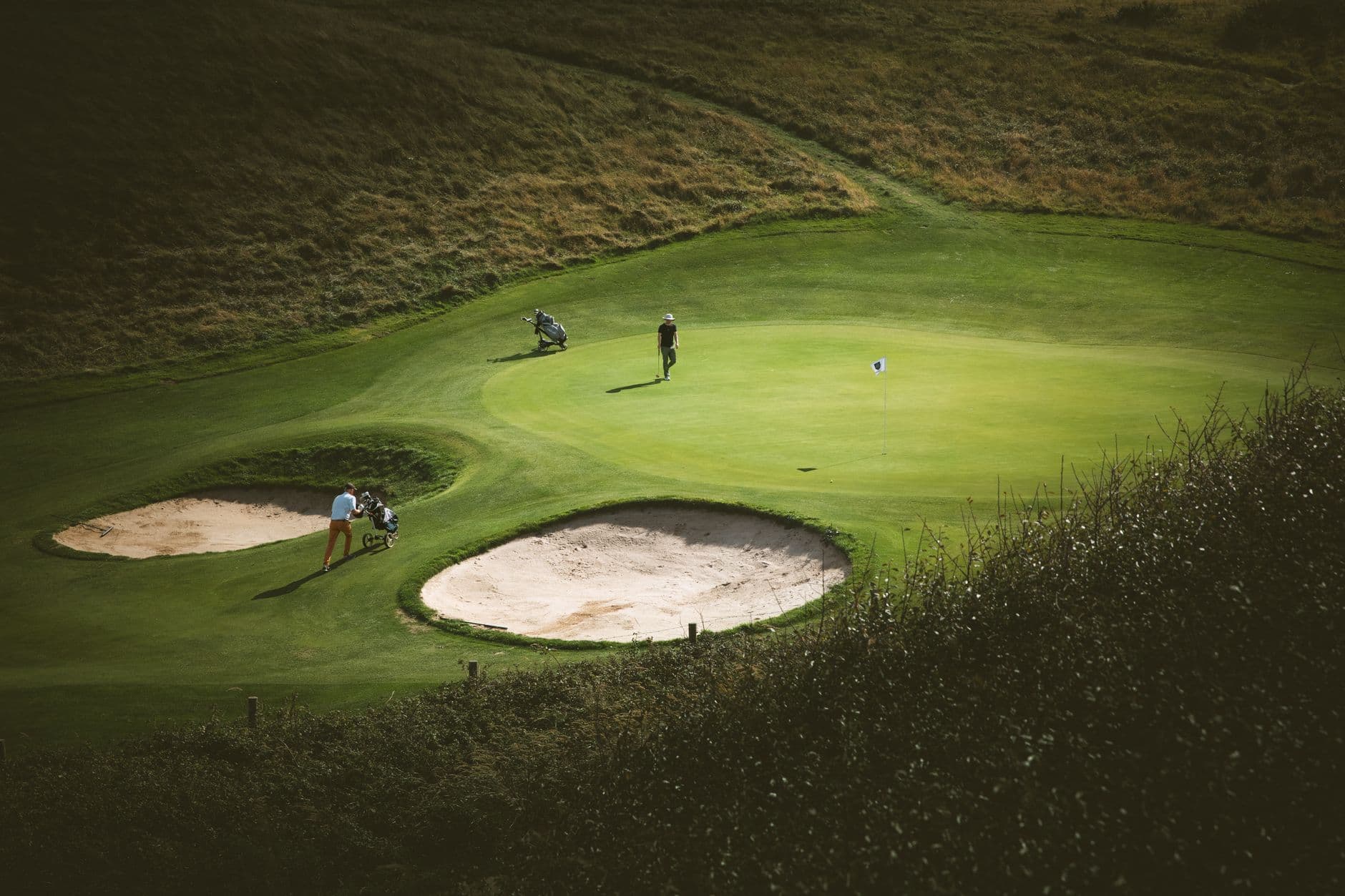
Before the first tee shot splits the Georgia pines on Thursday, Augusta National hosts one of golf's most cherished rituals: the Par-3 Contest. Played on the club's immaculate nine-hole Par-3 Course, the Wednesday afternoon event is equal parts competitive warm-up and heartfelt celebration of the game itself.
What began in 1960 as a modest pre-tournament exhibition has evolved into a cultural cornerstone of Masters week. For one afternoon, Augusta National — arguably the most austere and tradition-bound venue in all of professional golf — softens its famously strict decorum and invites something far more human onto its grounds.
Children and grandchildren of competitors caddie in oversized caps and jumpers. Laughter carries across manicured fairways normally silenced by reverence. Honorary starters make appearances. Former champions linger well past their competitive years. It is, in the truest sense, golf stripped of its ego.
The Course Itself: Deceptively Demanding
The Par-3 Course at Augusta National is not a throwaway layout. Designed by George Cobb and opened in 1958, the nine-hole course plays to a par of 27 and is nestled in the southwest corner of the property. Each hole is a par-3, ranging from approximately 70 to 145 yards, and the course features the same meticulous conditioning that defines every blade of grass at Augusta.
Water comes into play on several holes, and the greens — true to Augusta's DNA — are lightning-fast and severely contoured. Make no mistake: hitting a crisp short-iron into these surfaces and holding it close requires genuine skill. The contest may carry a festive atmosphere, but the shotmaking demand is real.
- Nine holes, all par-3s, playing to a total par of 27
- Yardages range from approximately 70 to 145 yards per hole
- Greens mirror Augusta National's famously fast, sloped putting surfaces
- Water hazards present on multiple holes, demanding precise club selection
- The course was designed by George Cobb and opened in 1958
Family Caddies and the Spirit of the Day
The defining visual of the Par-3 Contest is not a hole-in-one — though those do occur with delightful regularity — but rather the sight of a Tour professional's toddler wrestling a bag twice their size up a fairway. Players loop in their wives, children, parents, and even grandchildren as caddies for the afternoon, turning the normally regimented loop into something resembling a family reunion on the world's most exclusive lawn.
This tradition speaks to something Augusta's founders understood: that the Masters, for all its prestige, is built on love of the game. The Par-3 Contest is where that love is most visibly on display. Watching a decorated champion hand his putter to a five-year-old to attempt a four-footer is a reminder that, beneath the green jackets and world rankings, these are people who simply fell in love with a game.
The Par-3 Contest is one of the best days of the year. It reminds you why you started playing golf in the first place.
— Multiple Masters Champions, on the Wednesday tradition
The Curious Curse and Its Legacy
Golfers are a superstitious lot, and the Par-3 Contest has generated one of the sport's most persistent pieces of lore: no player who has won the Par-3 Contest has gone on to win the Masters in the same year. This streak has held for decades and has become part of the event's mythology.
Whether it is statistical coincidence or something players consciously lean into — many winners of the Par-3 have openly joked about being relieved to get the monkey off their back — the so-called curse adds a layer of narrative intrigue to the afternoon. Players compete to win, but perhaps not too hard. The balance of genuine effort and tongue-in-cheek acceptance of the jinx is part of what makes the contest so endearing.
What It Reveals About Short-Game Precision
From a technical standpoint, the Par-3 Contest is a masterclass in short-iron and wedge control. The condensed yardages demand that players dial in spin rates, trajectory, and landing-zone precision with far less margin than a full-length approach shot. On Augusta's greens, overshoot by a foot and you're putting from a postage stamp while the ball accelerates toward a collection area.
This is where ball technology genuinely matters. Competitors who play a softer-compression ball will benefit from heightened greenside responsiveness — the kind of check and release that separates a tap-in birdie from a tricky six-footer. It's the same logic that applies when selecting a ball for firmer, faster conditions at Augusta proper: compression matching to swing speed and surface firmness directly affects spin retention on approach. For players who manage their compression profile deliberately — whether opting for a Soft or Medium-density construction like those in the Attomax lineup — the Par-3 Course is the kind of environment where that choice becomes immediately visible in flight and feel.
Honorary Starters and the Broader Celebration
The Par-3 Contest also traditionally features participation from Honorary Starters and legends of the game who are no longer competing at the elite level. Their presence elevates the event into something approaching a living museum of the sport. To see champions from multiple eras sharing the same fairway, even for nine casual holes, is a gift that no other Major offers.
Augusta National's decision to maintain this tradition — in an era of rigidly scheduled media windows, sponsor obligations, and broadcast demands — reflects the club's genuine commitment to the culture of golf over its commerce. That alone is worth celebrating.
Why This Matters Beyond Wednesday
In a professional landscape that increasingly prioritizes analytics, optimization, and performance data — all valid and essential at the highest level — the Par-3 Contest is a productive counterweight. It asks the world's best players to be present, playful, and human for a few hours before the competitive hammer falls.
The best players in the world will tell you that mental resilience — the capacity to shift gears between focus and ease — is a genuine competitive skill. Wednesday's Par-3 Contest is, in a subtle way, practice for exactly that. The ability to laugh with a child on the fifth hole and then channel ice-cold precision on the first tee Thursday morning is a form of emotional range that separates champions from contenders.
As the 2026 Masters field walks those Par-3 fairways on Wednesday afternoon, cameras will capture the holes-in-one, the family moments, and the relaxed smiles. But underneath all of it runs a quiet current of preparation. Because Thursday is coming. And Augusta National never stays gentle for long.
Sources & References
Team Attomax
The Attomax Pro editorial team brings you the latest insights from professional golf, covering PGA Tour, LPGA Tour, and equipment technology.