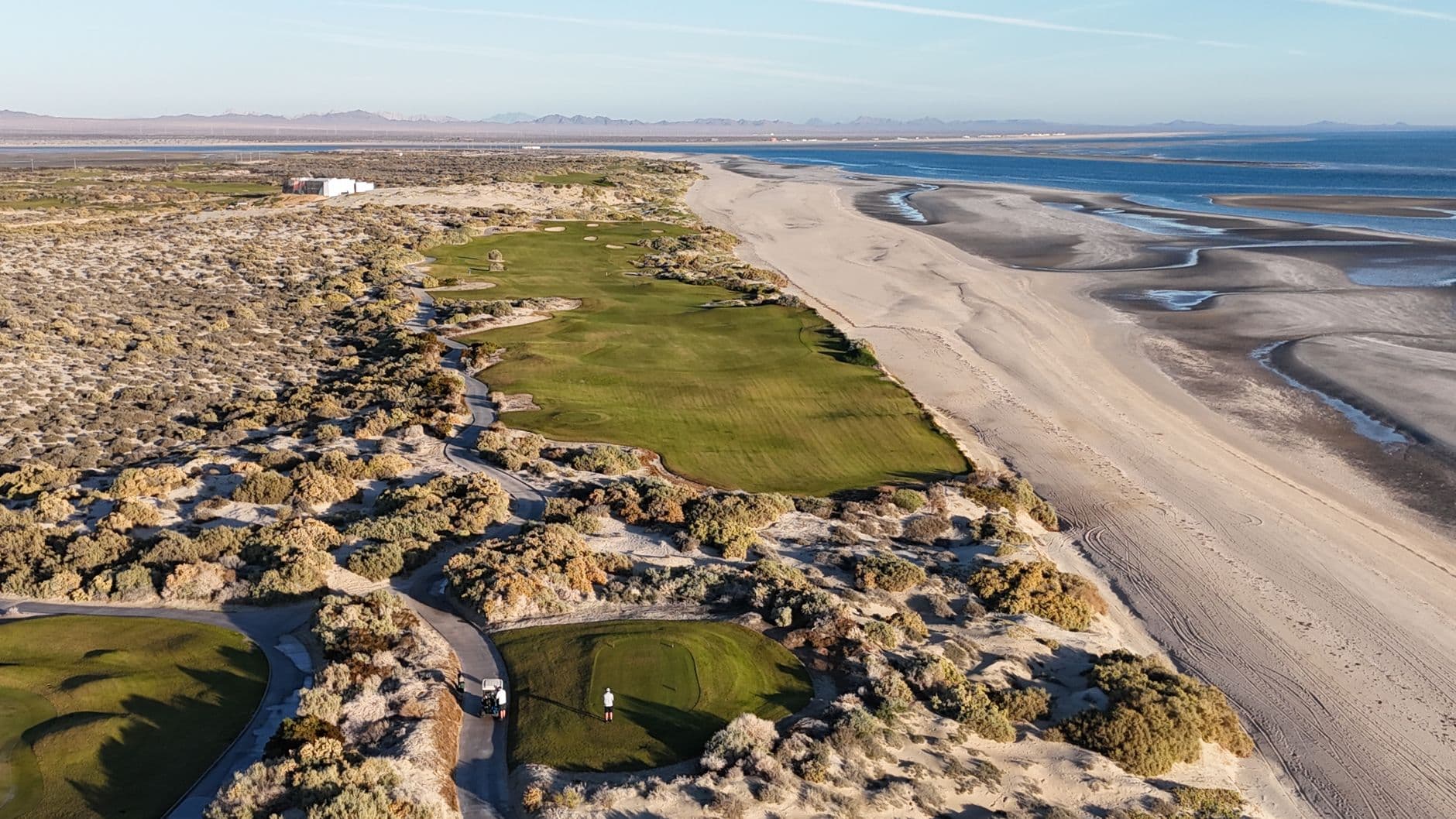
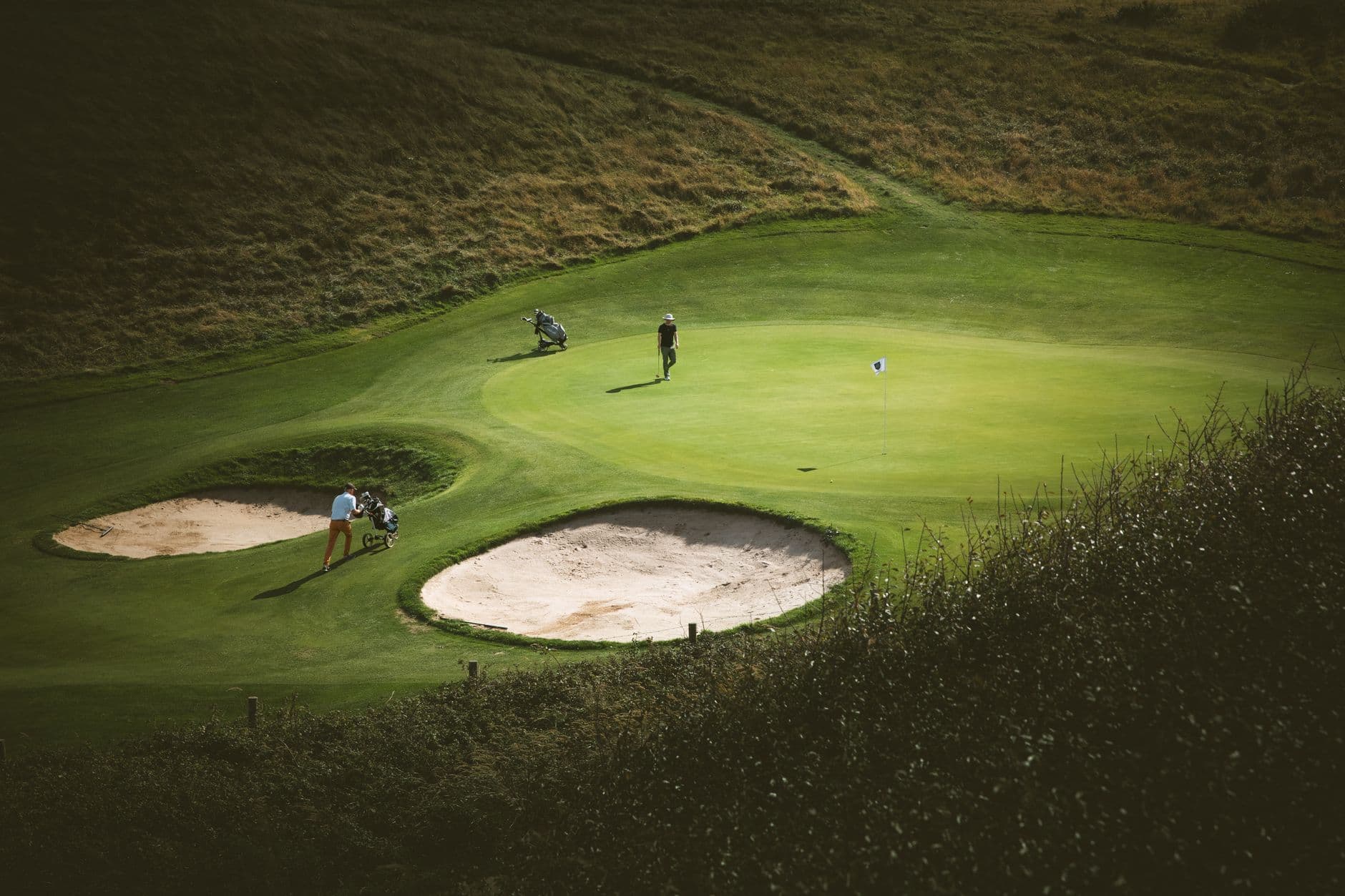
There are difficult golf courses, and then there is Carnoustie. Perched on the windswept Angus coast of Scotland, Carnoustie Golf Links has spent more than 150 years systematically dismantling the confidence of the finest players on earth. It is not merely a hard golf course — it is a relentless examination of every skill in a Tour professional's arsenal, administered under conditions that can shift from benign to biblical within the span of nine holes.
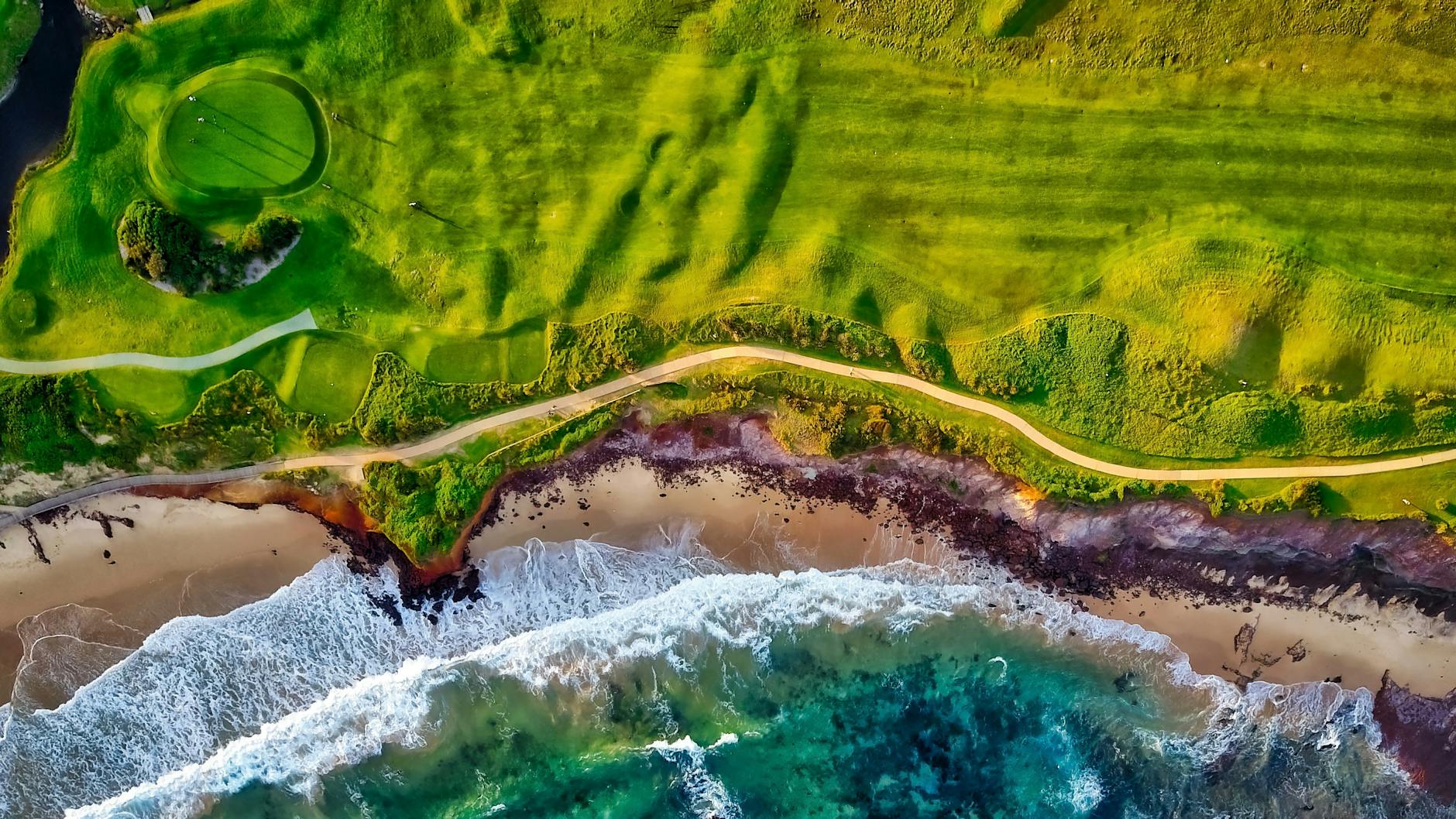
Among the rotation of Open Championship venues, Carnoustie occupies a singular, almost mythological status. Augusta National commands reverence. St Andrews inspires awe. But Carnoustie earns something rarer: genuine fear. Its nickname — "Car-nasty" — was not conjured by journalists looking for a headline. It was earned, hole by hole, over decades of broken scorecards and shattered dreams.
Understanding why Carnoustie is considered the toughest links test in Open history requires more than cataloguing its water hazards or measuring its yardage. It demands an honest look at course architecture, the role of the Scottish climate, and the specific cognitive demands it places on even the most battle-hardened competitors.
The Architecture of Punishment
Carnoustie's design philosophy is rooted in an uncompromising respect for natural terrain. Unlike parkland courses engineered to reward aggressive play, Carnoustie was shaped by the land itself — a glacially formed stretch of linksland where the Barry Burn weaves its way through the course like a recurring nightmare. The burn, a fast-flowing water hazard, crosses or flanks several holes, including the closing stretch, where mistakes are catastrophically amplified.
The back nine is where Carnoustie truly separates contenders from pretenders. Holes 15 through 18 collectively form one of the most demanding closing sequences in world golf. The 18th hole — a par 4 that forces players to carry or avoid the Barry Burn not once but twice on the approach — has decided Open Championships in the most dramatic, often cruel, fashion imaginable.
Key Holes That Define the Test
- Hole 6 — 'Hogan's Alley': Named after the great Ben Hogan, who threaded a precise line through the rough in the 1953 Open Championship, this long par 5 demands a precisely positioned tee shot that most modern players still struggle to execute consistently.
- Hole 16 — 'Barry Burn': A mid-length par 3 that plays deceptively difficult in crosswind conditions, where club selection and trajectory control become exponentially more complex.
- Hole 17 — 'Island': A long par 4 where the Barry Burn isolates the fairway on the left, punishing any tee shot that leaks left and setting up an exceptionally demanding second shot.
- Hole 18 — 'Home': Arguably the single hardest closing hole in major championship golf. Two carries over the Barry Burn, combined with Open-level rough and wind, have produced some of the most heartbreaking finishes in the sport's history.
What elevates these holes beyond mere difficulty is their demand for precision under pressure. A Sunday leaderboard at Carnoustie does not simply reward aggressive birdie-hunting — it rewards disciplined course management, meticulous pre-shot planning, and the mental fortitude to execute conservative targets when the situation demands it.
Climate as the Ultimate Variable
No analysis of Carnoustie is complete without addressing its climate. The Angus coast is subject to rapid, unpredictable weather shifts. Calm morning conditions can give way to fierce crosswinds within hours, rendering morning and afternoon scoring conditions entirely incomparable. This is not a variable that modern equipment or sports science can fully neutralise.
Wind management at Carnoustie is a craft unto itself. Players must constantly recalibrate their approach — not just club selection, but ball flight trajectory, landing zone targets, and even putting line adjustments as surface conditions firm and soften throughout the day. This is precisely where ball technology becomes a decisive factor. Players using a higher-compression golf ball — like the Attomax Hard — gain greater flight stability in gusting conditions, reducing the dispersion that can turn a competent approach into a recovery situation from thick Carnoustie rough.
Moments That Cemented the Legend
Ben Hogan's 1953 campaign remains the most celebrated chapter in Carnoustie's history. Hogan played the course only once, in that single Open Championship appearance, and won it — meticulously walking the course, mapping yardages by hand, and engineering a performance built entirely on precision rather than power. It is the defining example of Carnoustie rewarding intelligence over ego.
If you can play golf at Carnoustie, you can play golf anywhere.
— Golf adage, widely attributed to Open Championship competitors
The 1999 Open Championship produced the polar opposite narrative. Jean Van de Velde arrived at the 72nd hole needing only a triple bogey to claim the Claret Jug, only for Carnoustie to extract one of the most spectacular collapses in major championship history. His decision to play aggressively on the 18th — rather than managing the burn with a conservative layup — remains the most-cited lesson in major championship course management. Carnoustie does not forgive ambition uncoupled from discipline.
What Elite Players Say About Carnoustie Strategy
Professionals who have competed at Carnoustie consistently emphasise one strategic principle above all others: accept the bogey. Unlike Augusta, where birdies are clustered at specific par 5s and risk-reward holes, Carnoustie's par is not a consolation prize — it is a victory. The course demands a recalibration of what constitutes a successful hole, particularly on the back nine in Open conditions.
- Tee shot placement trumps distance: Fairway position off the tee dictates everything at Carnoustie. Being twenty yards shorter in the fairway is universally preferable to being long in the rough.
- Flight the ball low into the wind: Trajectory control, enabled by precise shaft loading and ball compression choice, is non-negotiable. High ball-flight is a liability in Angus coast conditions.
- Avoid the burn at all costs on 17 and 18: A conservative layup that leaves a longer approach is almost always the correct play. The burn has destroyed more Open bids than any other single hazard in the rotation.
- Respect the greens: Carnoustie's putting surfaces are firm, fast, and heavily contoured. Attacking pins from the wrong angle can leave players with treacherous downhill putts that the course has claimed repeatedly in Open history.
Carnoustie's Place in the Modern Rotation
In an era when advances in equipment technology, TrackMan data, and course preparation protocols have significantly reduced the degree of difficulty at many traditional links venues, Carnoustie has stubbornly refused to be tamed. Its combination of natural architecture, unpredictable climate, and psychologically demanding closing holes ensures that elite scoring remains genuinely hard-won. It is the one venue in the Open rotation where even the deepest hitting, highest-smash-factor generation of PGA Tour professionals must default to old-fashioned strategic golf.
That resistance to modernisation is exactly what makes Carnoustie irreplaceable. In a sport where marginal gains have compressed the scoring window at most major venues, Carnoustie remains fundamentally resistant to being engineered away. It rewards the full spectrum of the game: driving accuracy, iron precision, short game improvisation, putting nerve, and the intellectual discipline to play the right shot rather than the ego-driven one.
For those fortunate enough to play it — whether in an Open Championship or as a visiting golfer making a pilgrimage to the Angus coast — Carnoustie offers something rare in modern golf: a course that asks everything of you, and gives very little back for free. Bring your sharpest course management, your most wind-resistant ball flight, and the patience to accept that par is almost always the correct target. Carnoustie will test all of it, every single hole.
Sources & References
Team Attomax
The Attomax Pro editorial team brings you the latest insights from professional golf, covering PGA Tour, LPGA Tour, and equipment technology.