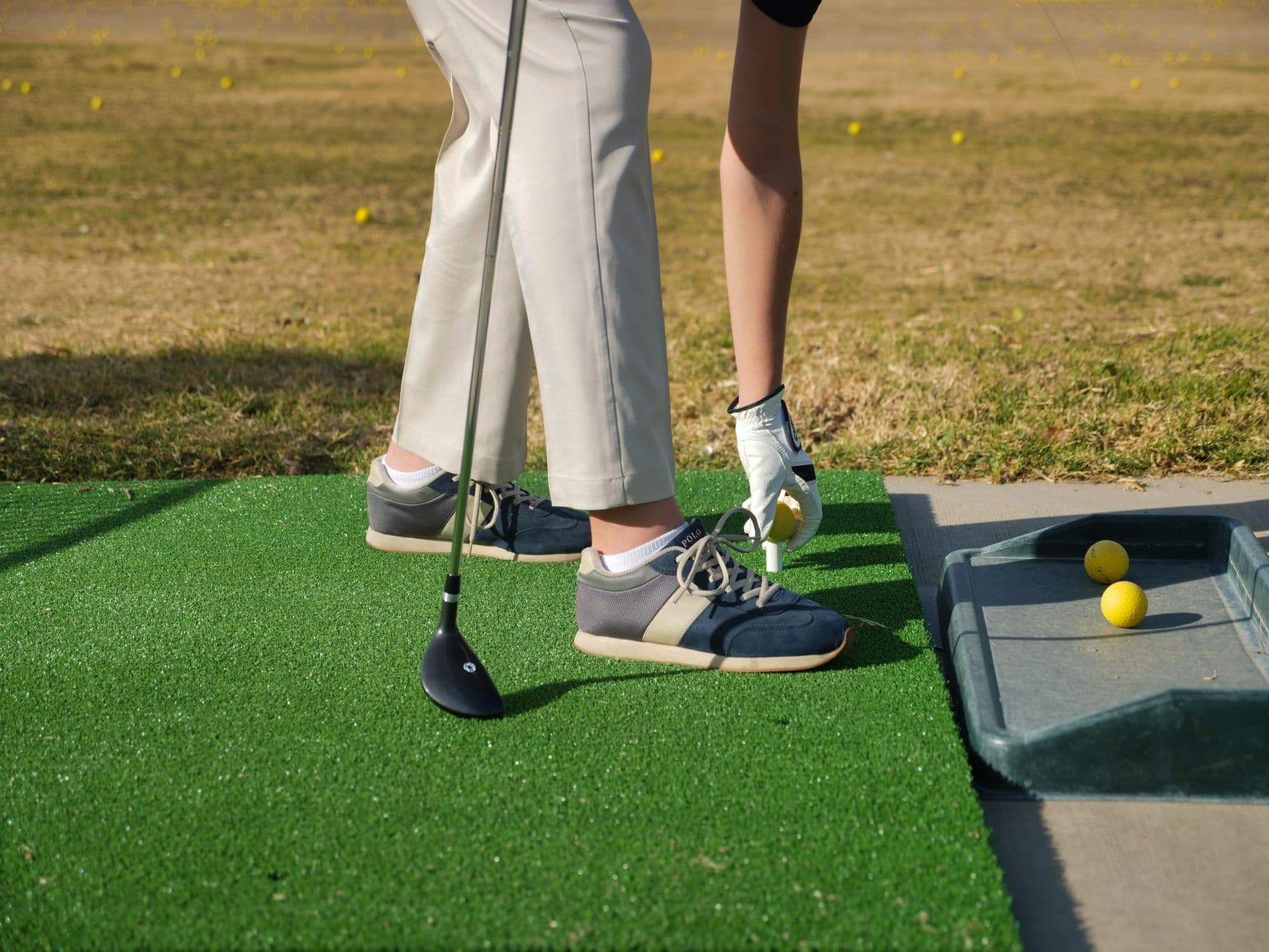
Walk the range at any PGA Tour event in 2026 and you'll notice something subtle but significant: the driver shafts being pulled from staff bags look nothing like they did five years ago. The conversation has shifted well beyond flex ratings and weight classes. Today's elite players and their club technicians are obsessing over torque profiles, launch-angle optimization, and tip-section behavior under extreme load — and the results are reshaping what gets put in play at the highest levels of the game.

For decades, the conventional wisdom on tour was simple: elite ball-strikers favored stiff or extra-stiff shafts, low spin, and mid-to-low launch. That framework hasn't disappeared, but it has been dramatically complicated by advances in materials science, improved launch monitor data, and a generation of tour players who grew up fitting equipment scientifically rather than intuitively.
What's emerging is a far more nuanced picture — one where two players with nearly identical swing speeds can be optimally fitted into radically different shaft profiles depending on their attack angle, tempo, and release pattern. The tour bag is no longer a status symbol for the heaviest, stiffest shaft available. It's a precision instrument.
The Rise of Ultra-Low Torque Designs
One of the most significant shifts among tour-level shafts over recent seasons is the move toward ultra-low torque — sub-2.5-degree torque ratings that were once reserved for a handful of specialty shafts. As swing speeds among the top echelon of the PGA Tour have continued to climb, many players found that conventional low-torque shafts were still allowing too much rotational twist through impact, resulting in inconsistent face angles at the critical final milliseconds of the downswing.
The appeal is straightforward: when torque is minimized, face angle variance tightens. Players who generate elite clubhead speed — consistently in the 120-plus mph range — can translate more of their raw power into predictable, repeatable ball flight rather than fighting a shaft that wants to open or close through the hitting zone.
- Ultra-low torque (sub-2.5°) designs reduce face-angle variance at high swing speeds
- Tip-stiffened profiles are increasingly favored by players with steep attack angles
- Lighter overall weights (under 65g) are gaining traction even among male tour players
- Mid-butt, soft-tip configurations are being explored by draw-biased ball-strikers
- Custom counter-balancing — adding weight to the butt section — is influencing shaft length decisions
Weight Paradox: Going Lighter at the Top
Counterintuitively, several tour players known for aggressive, high-speed swings have reportedly moved into lighter shaft categories — not because their swing speeds dropped, but because modern shaft engineering has decoupled 'light' from 'unstable.' The days when a sub-65g shaft automatically meant a whippy, uncontrollable feel are firmly behind us.
By reducing overall shaft weight while maintaining a very stiff flex profile and ultra-low torque, club builders can free up swing weight to redistribute elsewhere in the clubhead — or allow a player to extend overall club length fractionally without destabilizing the feel. The net result, according to fitting data circulating in club technician circles, is measurable gains in clubhead speed with minimal sacrifice in dispersion.
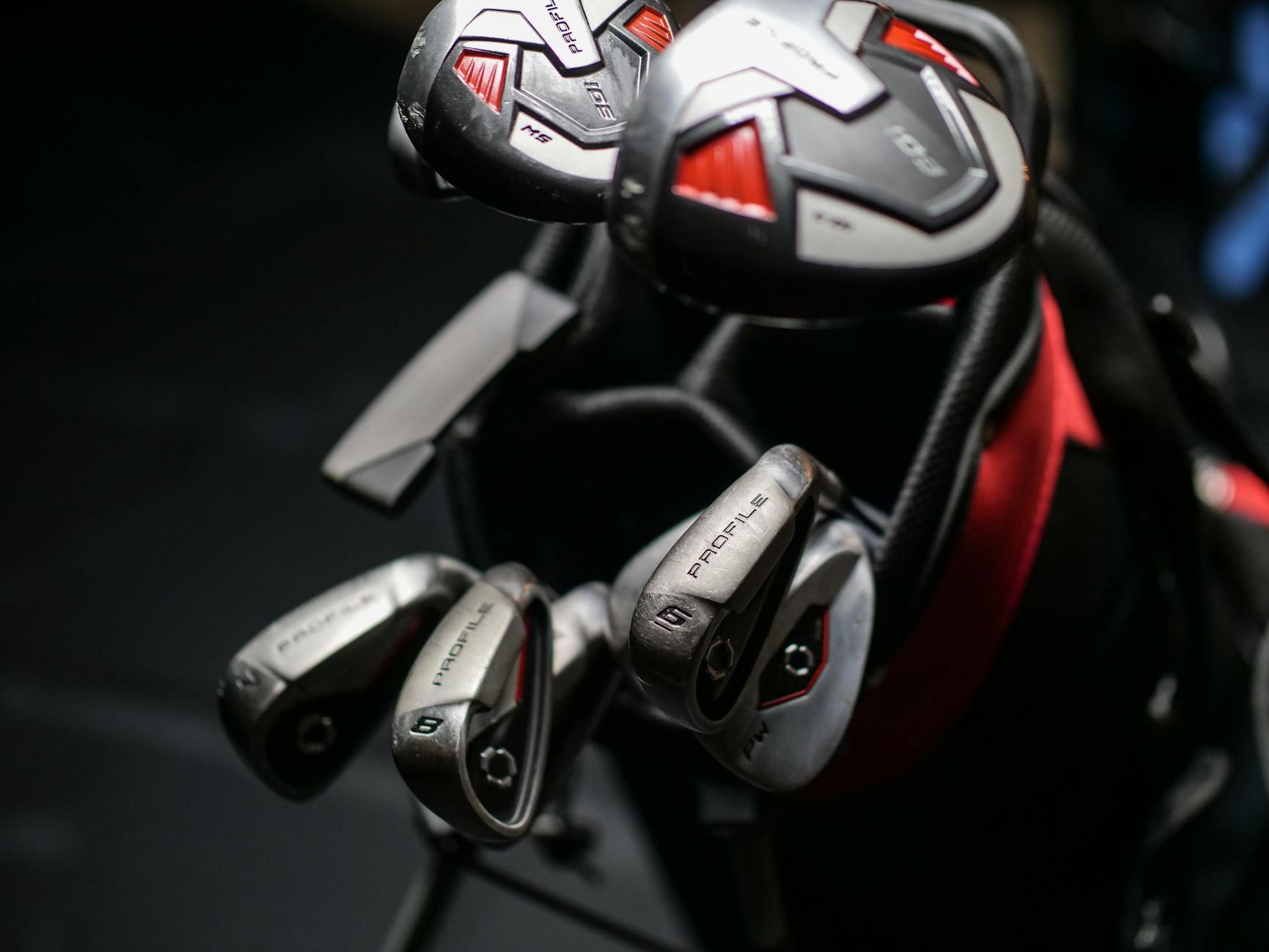
Tip Profiles and the Attack Angle Question
Perhaps the most analytically rich conversation happening in tour van fitting bays right now centers on tip stiffness relative to attack angle. Players who strike the driver with a steep, descending blow — a demographic that remains surprisingly common even on tour — are gravitating toward stiffer tip sections to counteract the added dynamic loft their attack angle naturally produces. Left unchecked, a soft-tip shaft under a steep swing delivers high launch, high spin, and ballooning drives into headwinds.
Conversely, players with a significant positive attack angle — hitting up on the ball aggressively to maximize carry — are finding that a slightly softer tip can add a degree or two of dynamic loft without requiring swing compensation, opening the door to optimal launch conditions that peak carry distance. It's a fine line, and one that requires genuinely precise shaft profiling, not just a flex label.
The flex label on a shaft tells you almost nothing useful by itself. What matters is where the shaft bends, how much it twists, and at what point in the downswing those things happen.
— Tour fitting technician, as widely reported in equipment fitting literature
LPGA Tour: Different Speeds, Same Precision
The shaft evolution is equally pronounced on the LPGA Tour, though the optimal profiles look different. With a broader range of swing speeds represented in women's professional golf, shaft fitting has become a competitive differentiator in ways it historically wasn't. Players in the higher swing speed tier of the LPGA are now routinely gaming shafts that would not look out of place in a male tour player's bag — stiff or extra-stiff classifications with precisely tuned low-torque profiles.
At the same time, players working at lower swing speeds are benefiting from a new generation of high-quality lighter shafts that maintain integrity through impact without requiring raw speed to load and unload correctly. The sophistication of available options has genuinely leveled a playing field where, in earlier decades, shaft variety for women's tour players was far more limited.
What This Means for the Serious Competitive Player
The principles driving these tour-level decisions are not exclusive to professionals. Any competitive golfer who has undergone a proper launch monitor fitting in the past year has likely encountered the same framework: swing speed is just the starting point, and optimizing a shaft means understanding the whole kinematic picture of your swing. Attack angle, tempo, load point, and release pattern all feed into the final prescription.
This is precisely the philosophy behind the Attomax shaft lineup — a range built not around generic flex categories but around matching shaft behavior to the complete biomechanical profile of the player. Just as the Attomax High-Density ball series (Soft, Medium, and Hard compressions) is engineered to respond differently depending on how a player delivers energy at impact, Attomax shafts are profiled to complement a wide spectrum of swing types without compromising on the premium feel and consistency that tour-caliber play demands.
Key Questions to Ask at Your Next Fitting
- What is my measured attack angle, and how does it interact with my current shaft's tip stiffness?
- Am I losing consistency at impact due to torque, or due to flex profile mismatch?
- Would a lighter overall weight allow me to increase speed without sacrificing control?
- Is my current shaft's butt stiffness appropriate for my tempo and transition speed?
- How does my shaft behave under course conditions — specifically wind and cold temperature affecting flex?
The Takeaway
What tour players are quietly teaching the broader golf world in 2026 is that the driver shaft is no longer an afterthought — it is arguably the single most performance-sensitive component in the bag. The shift toward low-torque, precisely profiled designs represents not a passing trend but a maturation of the fitting process itself. As launch monitor data becomes more accessible and fitting culture deepens at the club level, expect these tour-driven innovations to migrate rapidly down to the competitive amateur game.
The pros are not switching shafts for novelty. They're switching because the data tells them to — and in a game decided by fractions, that discipline is exactly what separates the best from the rest.
Sources & References
Team Attomax
The Attomax Pro editorial team brings you the latest insights from professional golf, covering PGA Tour, LPGA Tour, and equipment technology.