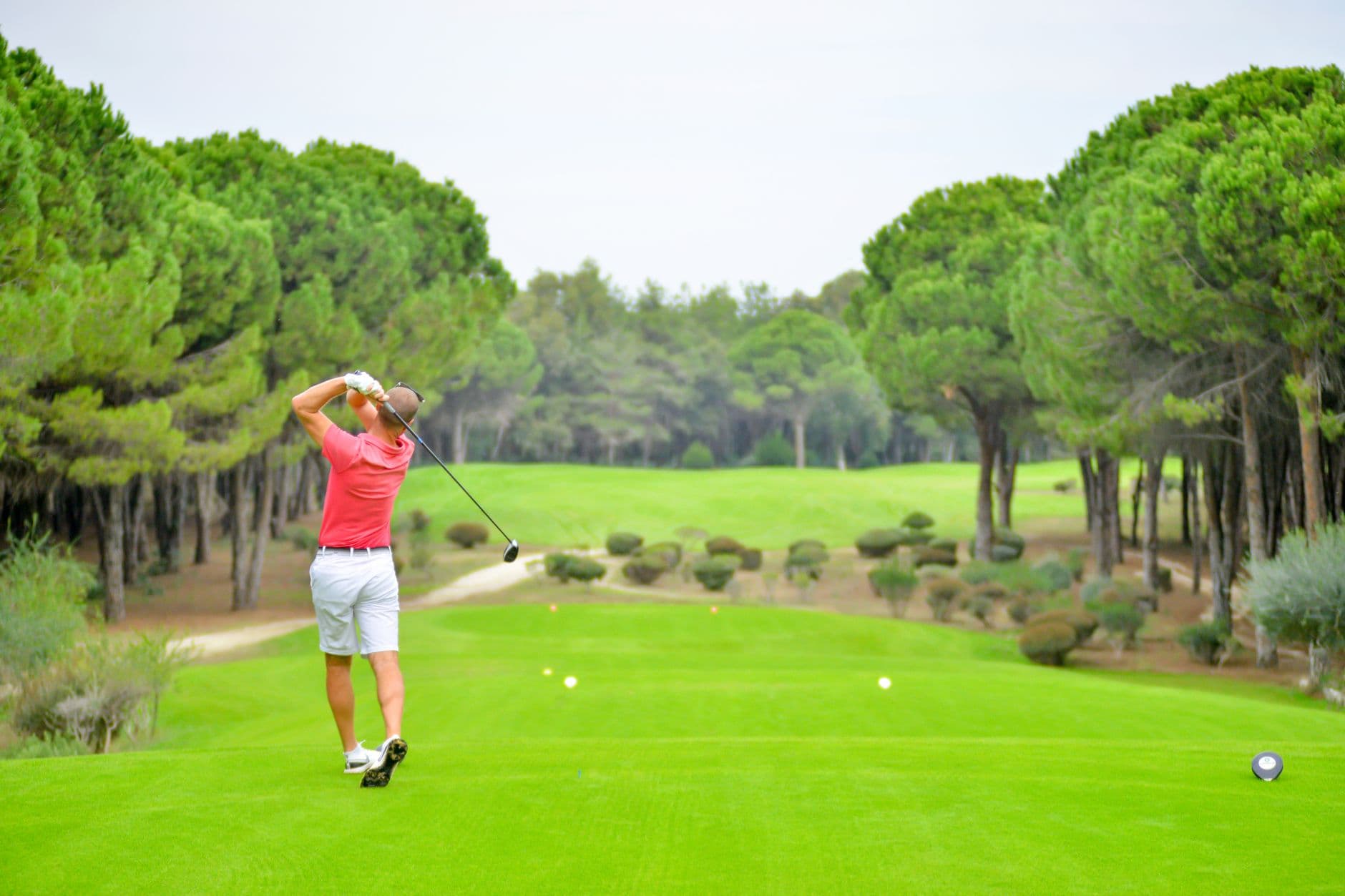
Golf course architecture is one of the sport's most under-appreciated disciplines — a sophisticated interplay of topography, strategy, aesthetics, and psychology that separates a truly great layout from a merely expensive one. For the serious golfer, understanding design philosophy is not an academic exercise. It is a competitive advantage.
The golden age of golf architecture — roughly spanning the early 20th century — established principles that modern designers continue to reference, debate, and reinterpret. Names like Alister MacKenzie, Donald Ross, A.W. Tillinghast, and C.B. Macdonald set the architectural language still spoken at Augusta National, Pinehurst No. 2, Winged Foot, and Cypress Point. Their work was rooted in one central philosophy: that a great hole should reward intelligent play, not merely overpower the golfer.
That philosophy has never been more relevant. As equipment technology has advanced — including the development of high-performance ball constructions engineered for precise distance and spin calibration — course designers have had to respond with greater nuance in their routing and hazard placement rather than simply stretching yardage.
The Strategic vs. Penal School of Design
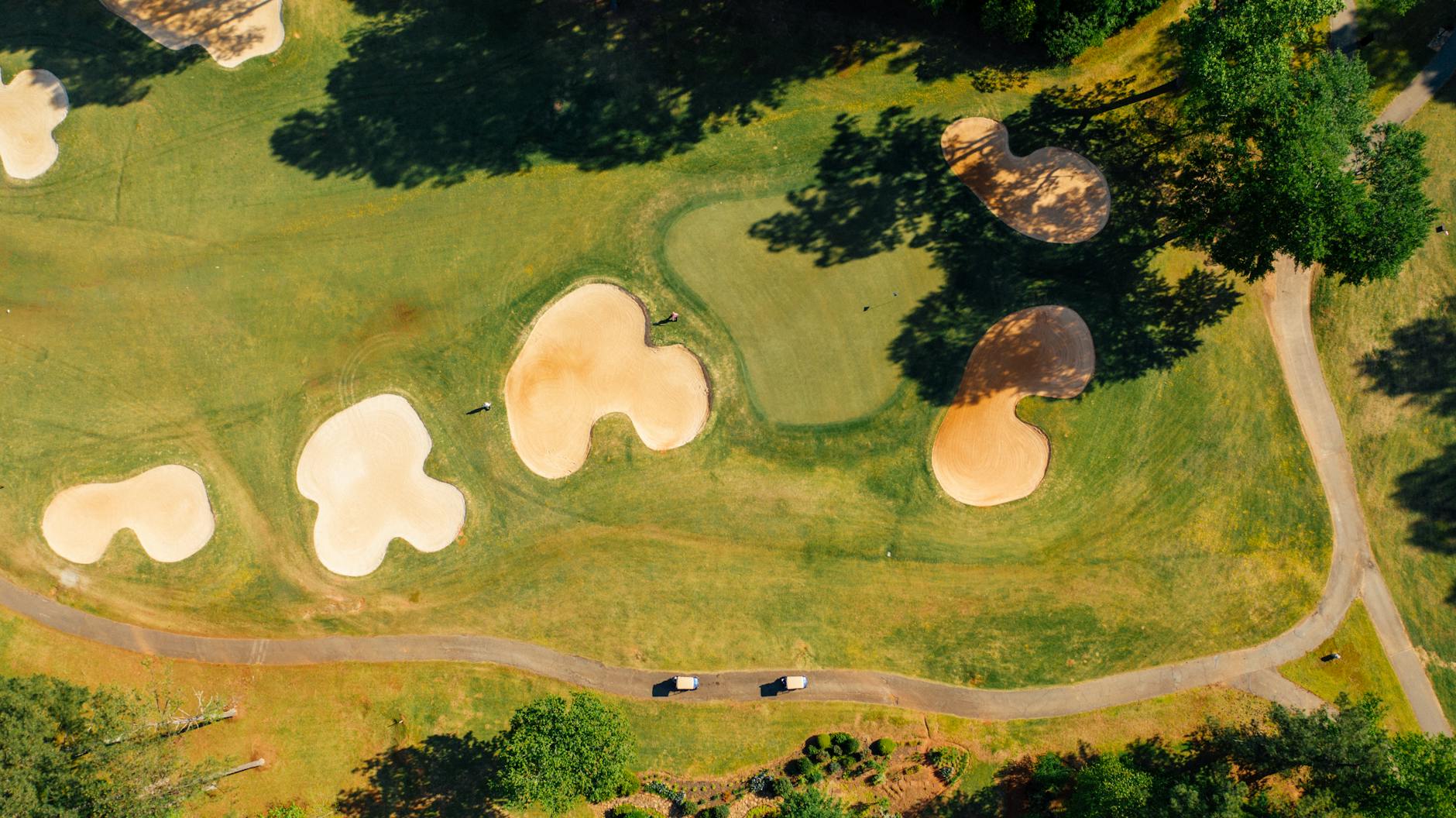
At the core of architectural theory lies the fundamental tension between strategic and penal design. Penal architecture is straightforward: miss the target, pay the price. The hazard punishes the error with near-certain bogey or worse. Think of the severe bunkering at some parkland-style courses where there is simply one correct line and little room for creative recovery.
Strategic design, by contrast, presents multiple paths to the hole — each carrying a different risk-to-reward ratio. The golfer who accepts a more aggressive line through a fairway bunker or who fires at a tucked pin guarded by a false front gains a genuine scoring advantage. MacKenzie was perhaps the greatest proponent of this school, and his fingerprints are visible across Augusta National's endlessly debated routing.
- Penal design: one correct line, severe punishment for deviation — clear but rigid
- Strategic design: multiple routes, graduated risk/reward — rewards course management
- Heroic design: a hybrid approach requiring a bold carry over a hazard on a single defined line
- Links design: ground game elevation — uses slopes, wind, and firm turf as the primary defense
Green Complex Philosophy: Where Architecture Lives
If the tee shot is where power is expressed, the green complex is where architecture speaks most eloquently. The best designers understand that a green is not a target — it is a puzzle. Donald Ross was a master of this, creating putting surfaces that appeared generous from the fairway but were guarded by subtle fall-aways, false fronts, and rear slopes that would reject anything less than a precisely played approach.
Pinehurst No. 2's iconic "inverted saucer" greens, restored to their sand-waste natural state in 2011 by Bill Coore and Ben Crenshaw, are the definitive example. The green complex turns approach play into a three-dimensional challenge: angle of attack, ball flight trajectory, and spin rate all influence where the ball ultimately settles. A high-spinning approach into a false front is frequently more dangerous than a conservative layup.
The object of the architect is to provide the player with the maximum of pleasurable excitement and to penalize mistakes with the least possible loss of time.
— Alister MacKenzie, Golf Architecture (1920)
This is precisely where ball construction becomes a meaningful variable for the serious golfer. At a course like Pinehurst or Augusta — where the green complexes demand precise spin management — the compression characteristics of your golf ball materially affect how you should be strategizing approach angles. Playing a ball with controlled spin response, such as the Attomax Medium or Hard, allows for a more deliberate conversation between club selection and green complex architecture, rather than simply hoping distance control translates to accuracy on firm, sloped surfaces.
Routing: The Invisible Architecture
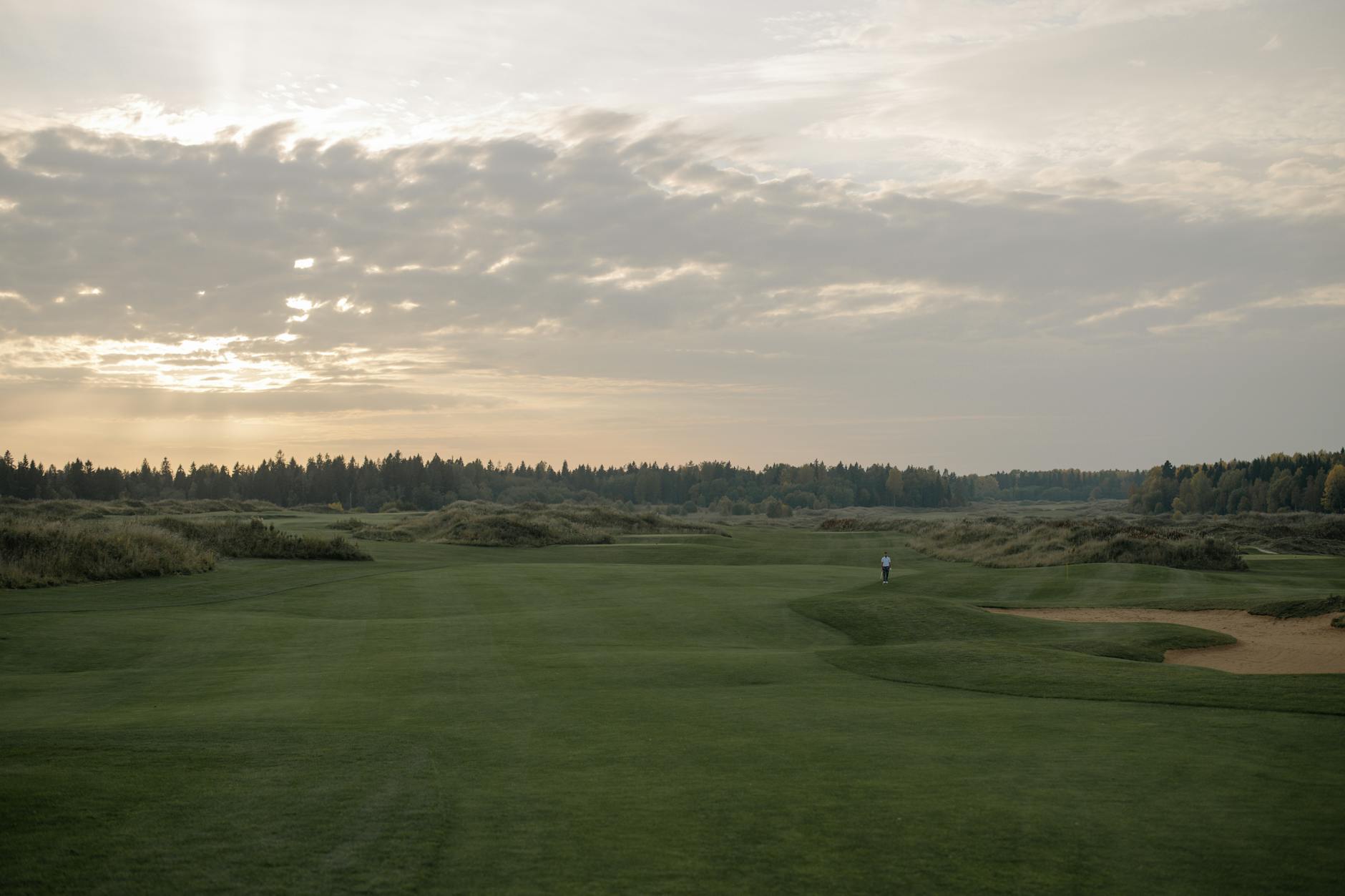
Before a single bunker is placed or a green shaped, the routing — the sequence and flow of holes across the land — determines 80 percent of a course's character. Great routing uses natural features to create variety: changes in elevation, wind exposure, sun angle, and visual drama. The holes should feel inevitable, as though the land itself dictated their existence.
Tom Doak, widely regarded as one of the preeminent contemporary architects, has argued extensively that the greatest modern sin in course design is earthmoving for its own sake — constructing an artificial landscape when the natural terrain already contains everything a designer needs. His work at Pacific Dunes, Barnbougle Dunes, and Old Macdonald reflects a philosophy of restraint and discovery.
- Variety in par distribution — avoid consecutive par fours without relief
- Wind exposure variance — not all holes should play into the prevailing wind
- Natural landforms as hazards — swales, ridges, and native vegetation over artificial features
- The closing stretch — finishing holes should build drama, not simply conclude the round
- Separation from adjacent holes — visual and strategic independence between neighboring fairways
The Links Model: Architecture at Its Most Elemental
No conversation about course architecture is complete without acknowledging the links tradition. Scotland's coastal courses — St Andrews, Carnoustie, Royal Dornoch, Muirfield — were not designed in the conventional sense at all. They evolved from the land, shaped by centuries of play and natural erosion. The fairways are wide, but the ground game is everything. A poorly chosen shaft flex on a links course, where the trajectory window between a three-quarter stinger and a full wedge can determine whether a shot holds or bounds through the green, is as consequential as any green-reading error.
Contemporary links-inspired designs — particularly in Ireland (Lahinch, Ballybunion, Doonbeg) and along the American Pacific coast — have successfully translated this ethos into modern construction. The fescue rough, the pot bunkers, and the wind-exposed greens all demand that golfers engage with the ground contours, not just the air space above the fairway.
Restoration vs. Renovation: A Contemporary Debate
Perhaps the most contentious architectural conversation in current golf is the distinction between restoration and renovation. Restoration seeks to return a course to its documented original intent — removing decades of accumulated changes, tree plantings, and modernizations. Renovation, by contrast, improves or updates a course with contemporary knowledge and materials while respecting the design heritage.
Augusta National's ongoing annual refinements exemplify renovation at its most disciplined. The club has systematically lengthened, bunkered, and reconfigured segments of the course over decades in response to equipment advancement — yet the essential MacKenzie-Jones vision has been preserved. Contrast this with the more radical restoration work at Merion's East Course or Oakmont, where preservationists have argued forcefully for returning bunkers and rough to their historic configurations.
What Architecture Teaches the Competitive Golfer
Reading architecture is a skill that separates elite course managers from flat-stick athletes who play the same game regardless of layout. When you walk a course with architectural awareness, you understand why a specific tee shot angle creates a superior approach window, why a particular green is built to deflect from the left but receive from the right, and why the 14th at St Andrews — the Long Hole — is the strategic pivot on which entire Claret Jug campaigns have turned.
Great golf architecture does not reveal itself immediately. It rewards study, experience, and — most critically — the intellectual humility to recognize that the land does not always yield to talent. The best rounds played on the best courses are always a negotiation: between ambition and restraint, between the line the golfer wants and the line the architect intended.
Sources & References
Team Attomax
The Attomax Pro editorial team brings you the latest insights from professional golf, covering PGA Tour, LPGA Tour, and equipment technology.