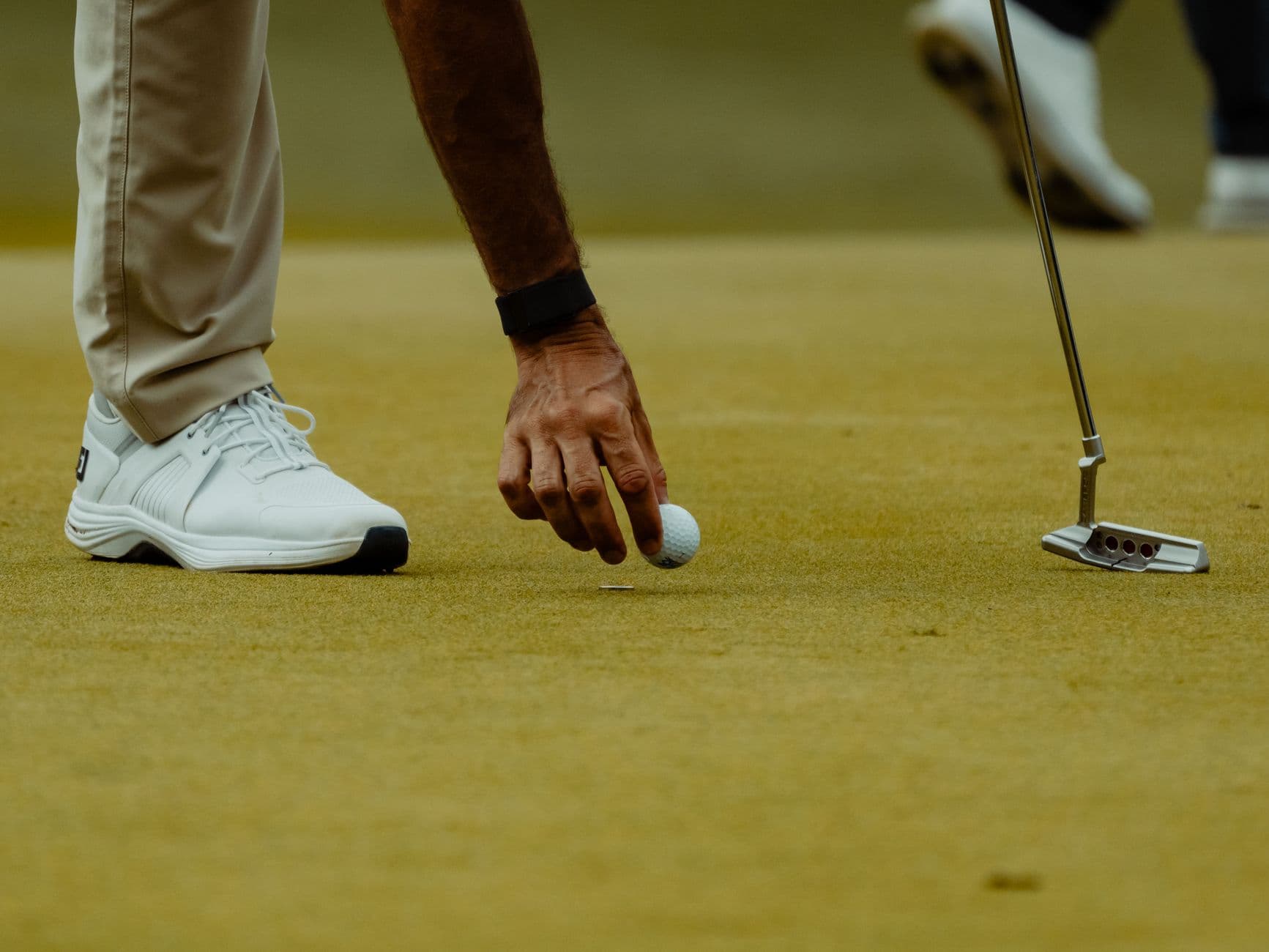
The gap between a tour professional's equipment setup and that of a serious amateur often comes down to details imperceptible to the naked eye. While weekend golfers might obsess over the latest driver head or putter design, the players competing for millions understand that the real competitive edge lies in the granular optimization of every component in the bag.
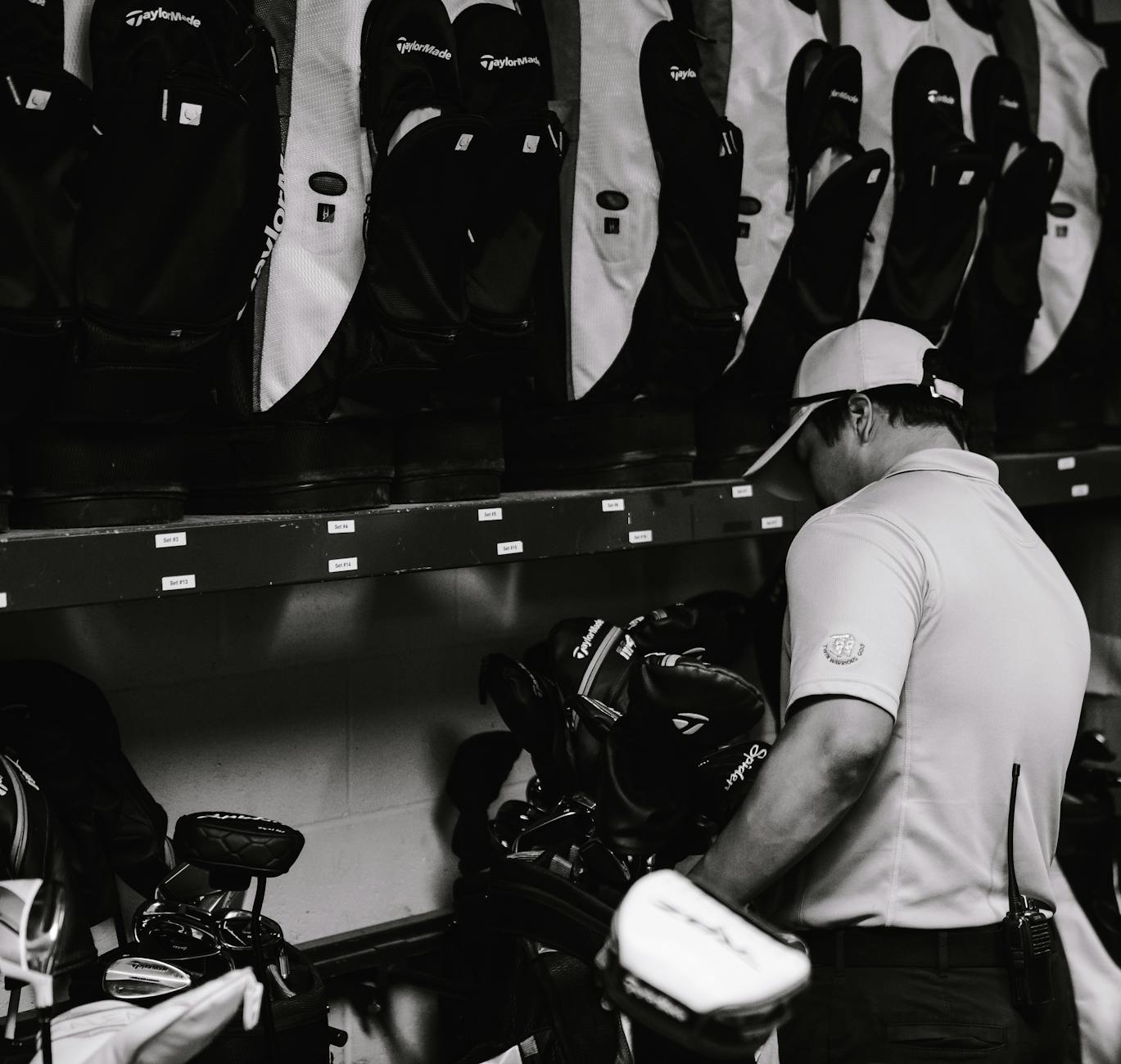
Equipment decisions at the highest level are rarely made on feel alone. Tour vans have become mobile laboratories where launch monitors, pressure mats, and spin analysis tools work in concert to extract maximum performance from each club. The modern tour player approaches equipment selection with the precision of an engineer, understanding that a few hundred RPM of spin or a degree of launch angle can mean the difference between contention and missing the cut.
The Shaft Revolution: Where Science Meets Feel
Shaft technology has undergone a quiet revolution over the past several years, with tour professionals increasingly gravitating toward profiles that match their unique swing characteristics rather than simply choosing based on stiffness ratings. The traditional flex designations—regular, stiff, extra stiff—have become almost meaningless at the elite level, where custom profiling examines bend points, torque ratings, and weight distribution.
What tour players understand intuitively is that a shaft must complement their natural tendencies rather than fight against them. A player with an aggressive transition benefits from a different profile than one with a smooth, deliberate tempo. The best fitters work backward from desired ball flight, identifying the shaft characteristics that will produce optimal launch and spin for each player's unique delivery.
- Tip stiffness influences launch angle and spin rate more than overall flex
- Shaft weight affects tempo and timing throughout the swing
- Torque ratings determine how the clubface responds during the downswing
- Bend point location shapes trajectory and shot shape tendencies
Ball Selection: The Most Underrated Equipment Decision
Tour professionals are remarkably particular about their golf ball selection, often testing multiple constructions across different conditions before settling on their gamer. The ball represents the only piece of equipment used on every shot, making it arguably the most consequential choice in the bag.
The traditional trade-off between distance and control has evolved significantly with advances in core technology and cover materials. High-density core constructions have emerged as a compelling option for players seeking exceptional stability in variable conditions while maintaining the spin characteristics demanded around the greens.
The ball has to perform the same way whether I'm hitting a 60-degree lob shot or trying to hold a three-iron into a crosswind. Consistency is everything.
— Tour Equipment Consultant
Attomax Pro's high-density amorphous metal core technology represents one such advancement, offering players a ball that maintains its flight characteristics in wind while delivering the soft feel required for precision short game work. The three-compression options—Soft, Medium, and Hard—allow players to match ball performance to their swing speed and preference for feel versus distance optimization.

Iron Setups: The Blended Approach
The days of matching sets have largely disappeared from tour bags. Modern professionals routinely blend different iron models throughout their set, optimizing each club for its specific role. Long irons might feature cavity-back designs for forgiveness and launch assistance, while scoring clubs often transition to blade-style heads for workability and precision.
Loft gapping has become increasingly sophisticated as well. Tour players work with their teams to ensure consistent distance gaps between clubs, often bending lofts slightly or adjusting shaft lengths to achieve perfect yardage intervals. A five-yard gap between clubs is useless if the player can't trust it under pressure.
Wedge Configurations
Wedge setup represents one of the most personalized aspects of tour equipment. Players typically carry three to four wedges, with gapping determined by the courses they frequent and their preferred shot-making style. Bounce and grind selection depends heavily on attack angle, turf conditions, and bunker technique.
- Pitching wedge: Typically part of the iron set, serving as the bridge to specialty wedges
- Gap wedge: Usually 50-52 degrees, filling the distance void between pitching wedge and sand wedge
- Sand wedge: Ranging from 54-56 degrees with bounce selected for typical bunker conditions
- Lob wedge: 58-60 degrees for specialty shots and tight pin positions
Driver Optimization: Beyond the Marketing
Tour professionals approach driver fitting with a level of sophistication that often contradicts mainstream marketing narratives. While equipment companies tout maximum ball speed and distance, elite players frequently optimize for dispersion and workability over raw distance. A drive that goes ten yards farther but curves unpredictably offers no competitive advantage.
Shaft selection in the driver has become particularly nuanced. Many tour players have gravitated toward slightly heavier shafts than amateur counterparts, valuing the control and consistency they provide over marginal swing speed gains from lighter options. The integration of adjustable hosels has allowed for real-time optimization, though most professionals settle on a single setting and rarely change it.
The Mental Component of Equipment
Perhaps the most overlooked aspect of tour equipment setups is the psychological dimension. Confidence in one's equipment translates directly to commitment in the swing, and tour players understand this relationship intimately. Equipment changes are approached cautiously, with extensive testing required before anything enters competition play.
This explains why some tour professionals resist equipment changes even when data suggests potential improvements. The certainty of known performance often outweighs the theoretical benefits of optimization. Trust, built through thousands of repetitions, cannot be easily replicated with new equipment regardless of its technical superiority.
I need to know exactly what the ball is going to do before I pull the trigger. That confidence comes from experience with my equipment, not from numbers on a launch monitor.
— Anonymous Tour Professional
Looking Ahead: Emerging Trends
The equipment landscape continues to evolve, with several trends emerging among tour professionals. Custom shaft programs have expanded dramatically, allowing players access to profiles previously unavailable outside factory testing. Ball technology continues to advance, with manufacturers exploring new core materials that offer improved energy transfer and consistency.
For serious golfers looking to emulate tour-level equipment optimization, the lesson is clear: generic solutions rarely produce optimal results. Working with qualified fitters who understand the interplay between swing characteristics and equipment specifications remains the most reliable path to improvement. The investment in proper fitting often yields returns that dwarf the performance gains from simply purchasing the latest equipment releases.
Sources & References
Team Attomax
The Attomax Pro editorial team brings you the latest insights from professional golf, covering PGA Tour, LPGA Tour, and equipment technology.