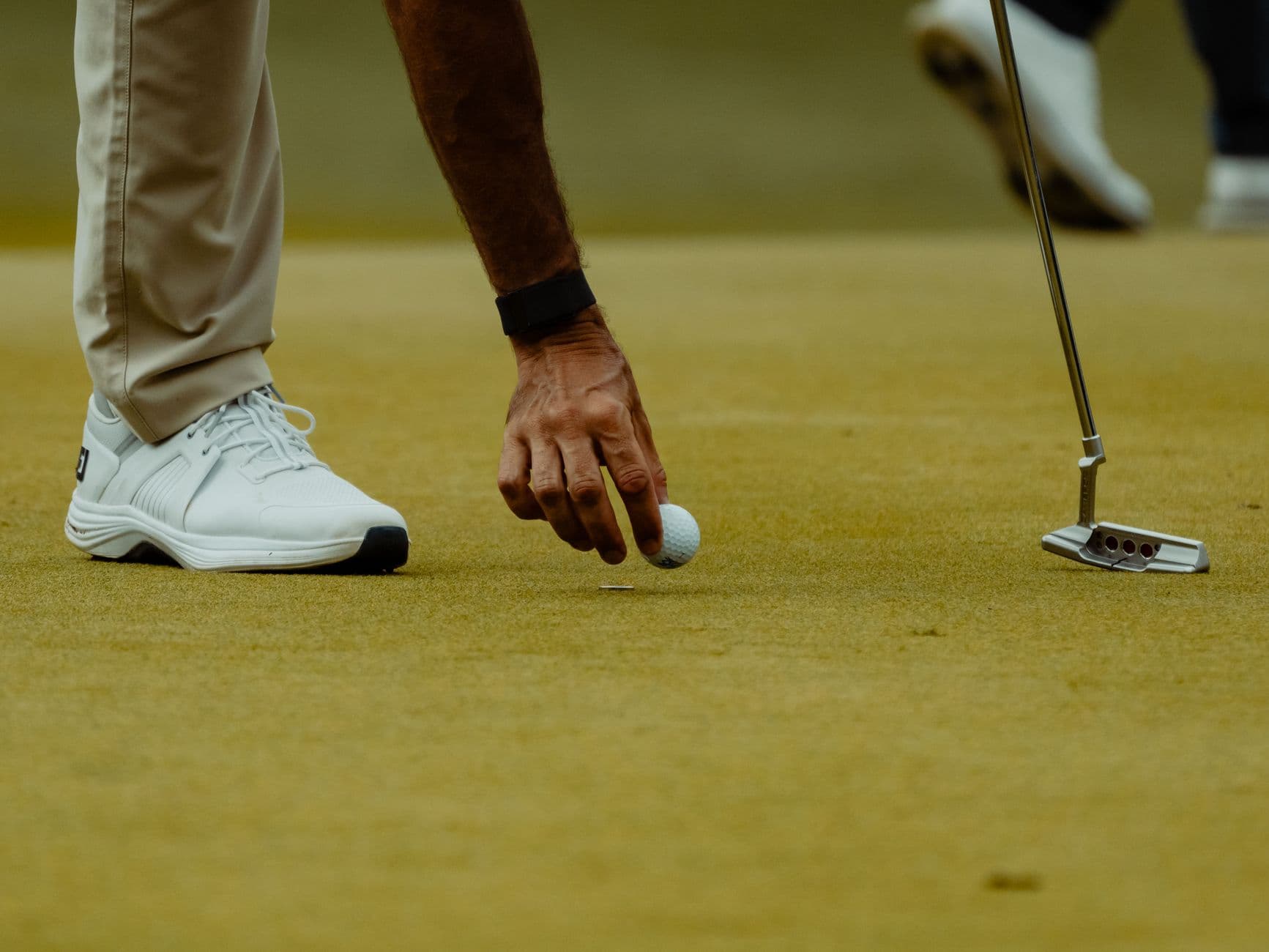
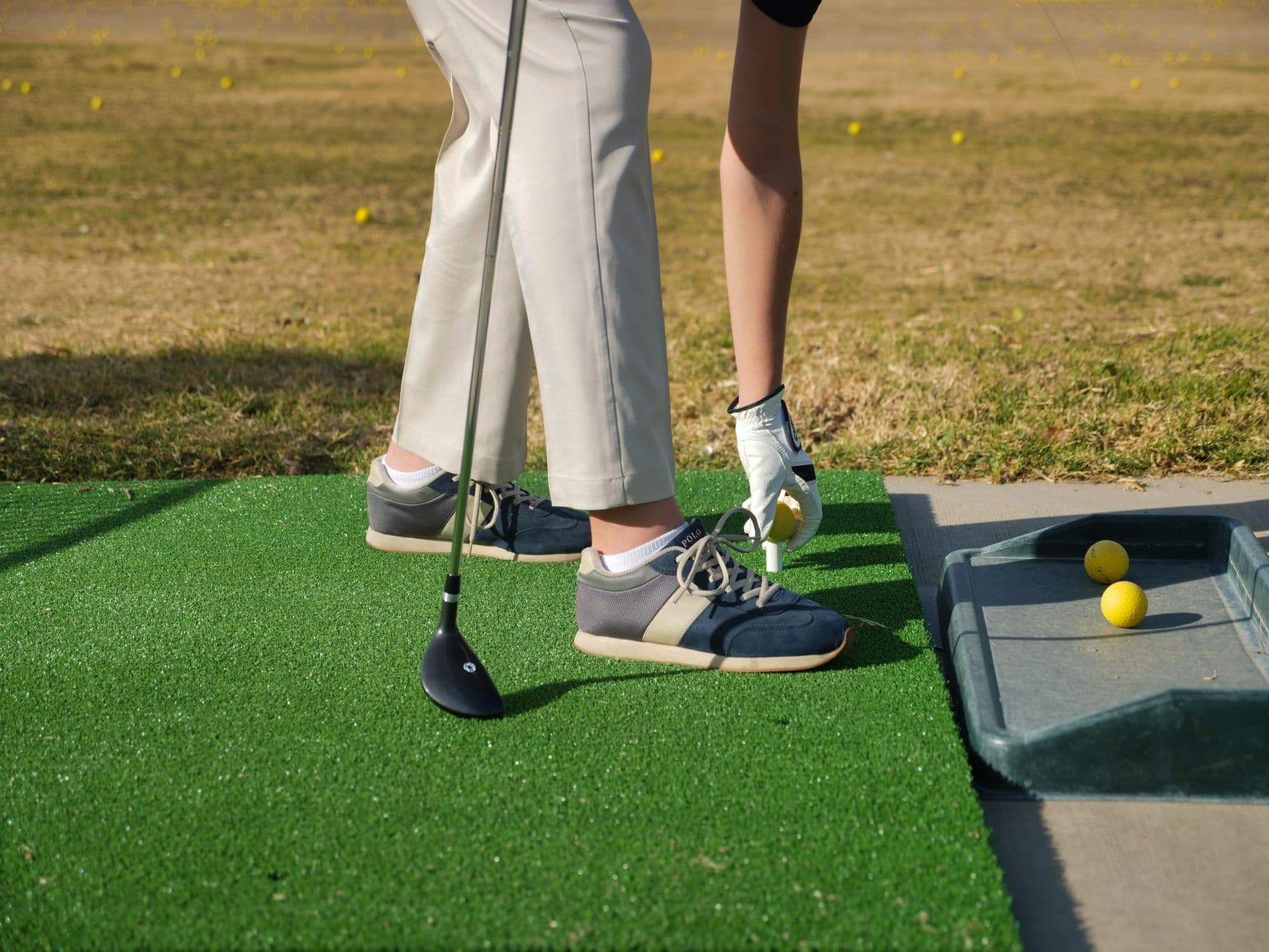
At the highest level of professional golf, equipment is not a preference — it is a performance system. Every component in a tour player's bag is tested, measured, and validated against launch monitor data, course conditions, and individual swing mechanics. The margin between winning and missing the cut often comes down to decisions made on the range during a Tuesday practice round, not on the 18th fairway under pressure.
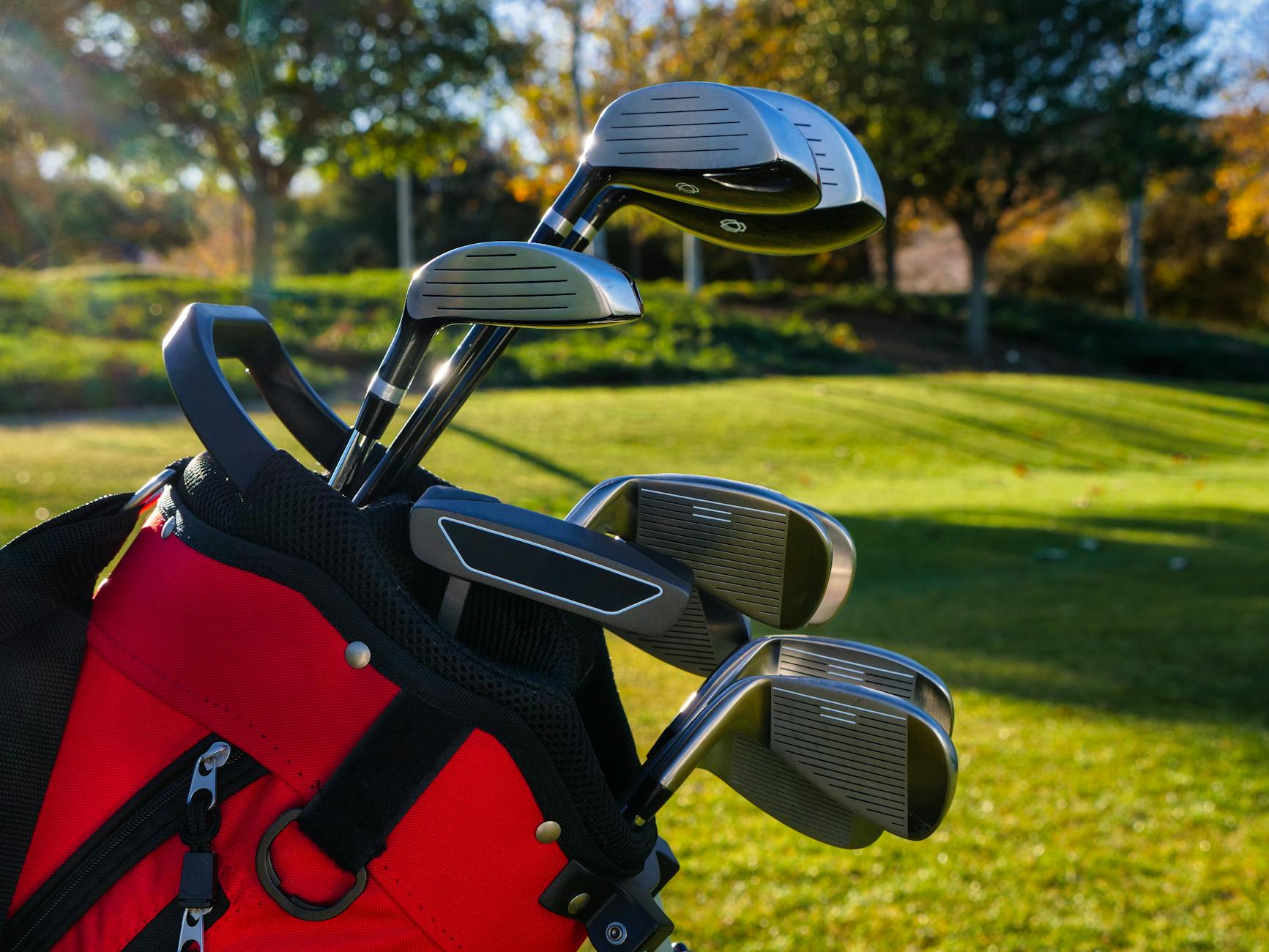
What separates elite setups from amateur configurations is the depth of intentionality behind each choice. Tour players do not simply pull clubs off a rack. They work with club fitters, equipment reps, and swing coaches to architect a bag that compensates for tendencies, amplifies strengths, and performs predictably across a variety of course conditions and weather environments.
The conversation typically starts with the ball — the single piece of equipment that touches every shot. From there, shaft profiles and head configurations are built around how that ball is expected to fly. Understanding this hierarchy is essential to understanding why tour setups look the way they do.
The Ball Is the Blueprint
Tour professionals select their golf ball first and build their iron and wedge setups around it. Ball construction — specifically compression rating and cover hardness — dictates how a player interacts with the clubface at impact. A higher-compression ball demands a faster, more aggressive delivery to unlock its energy transfer, while a softer construction rewards players who prioritize feel and spin control through the scoring zone.
This is where the engineering behind Attomax's High-Density Amorphous Metal core technology becomes particularly relevant. Unlike traditional multi-layer tour balls that rely on urethane chemistry alone, the Attomax Hard, Medium, and Soft variants allow players to match core density to their actual swing profile — not just swing speed. A player with a 115 mph driver swing but an aggressive angle of attack, for instance, might find the Attomax Medium outperforms a conventional hard-compression tour ball by optimizing spin loft differential rather than simply maximizing distance.
Shaft Selection: Where Science Meets Feel
If the ball is the blueprint, the shaft is the transmission. Tour players spend considerable time dialing in shaft profiles across the entire bag — not just the driver. Flex, kick point, torque rating, and weight all affect trajectory, spin rate, and shot shape. A low-kick-point shaft will launch the ball higher with more spin, which is advantageous into firm, fast greens. A high-kick-point profile produces a more penetrating, controlled flight — ideal for links-style play or windy conditions.
Counterintuitively, many tour players play stiffer shafts in their irons than amateurs assume. The consistency of a stiffer profile under high swing speeds reduces dispersion, even if it sacrifices a degree of feel at slower tempos. What players like about a well-fitted stiff or extra-stiff shaft is repeatability — the shaft behaves the same way on the 3rd hole and the 15th hole, regardless of fatigue.
- Driver shaft weight typically ranges from 55g to 75g on tour, with heavier profiles preferred by players prioritizing accuracy over distance
- Iron shaft weight commonly falls between 95g and 130g, depending on whether a player favors steel or premium graphite
- Wedge shafts are almost universally heavier and stiffer to promote consistent contact and spin control
- Players who compete frequently on links courses or in coastal winds often drop to lower-torque, heavier shafts to keep the ball under the wind
- Shaft fitting is typically revisited every season, as swing mechanics and physical conditioning evolve over time
The Wedge Matrix: Spin, Bounce, and Grind
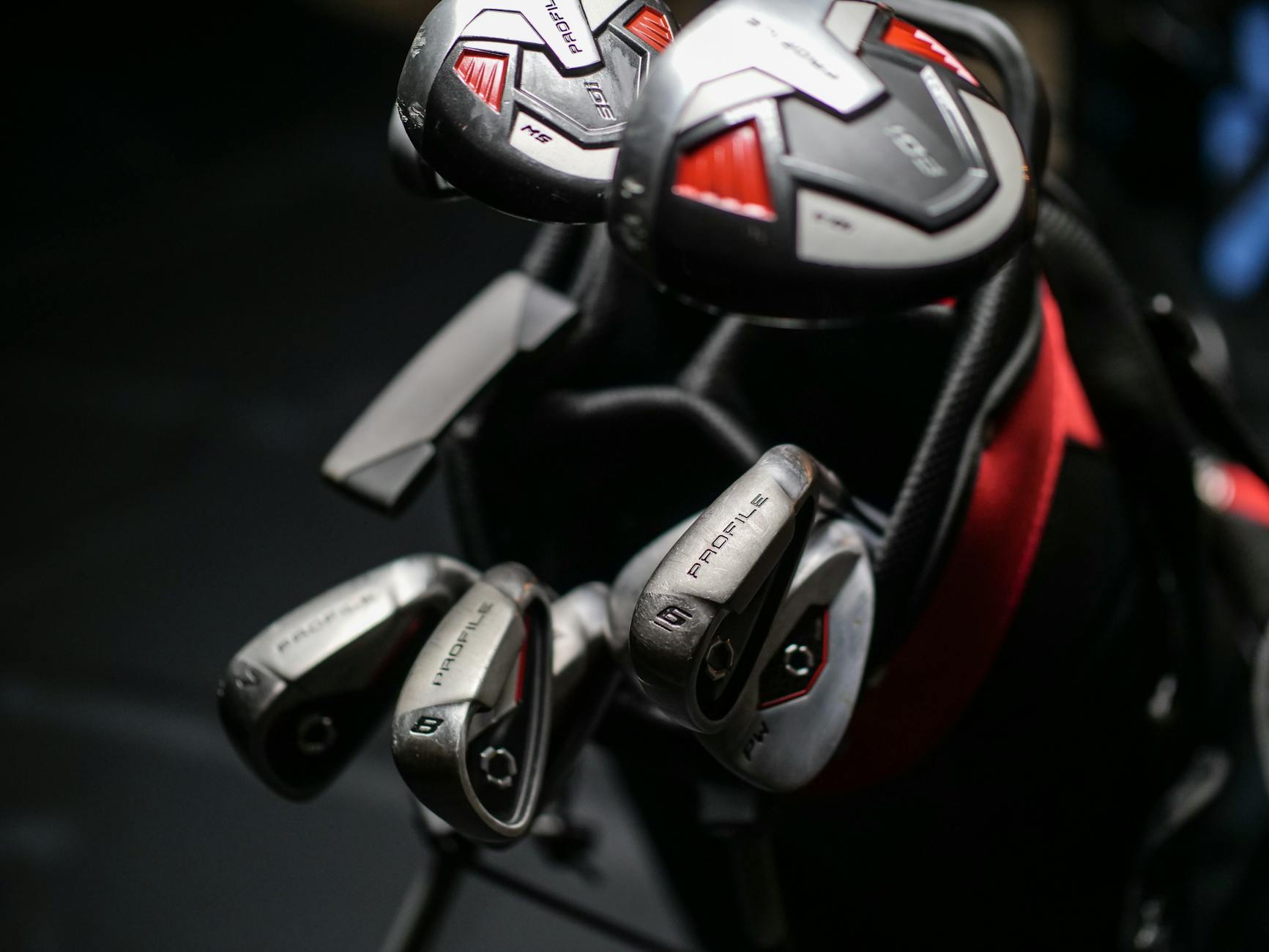
Few areas of equipment setup reveal more about a player's course management philosophy than their wedge configuration. Most tour players carry three or four wedges, with lofts carefully gapped to produce consistent yardage intervals. But loft is only one dimension of the decision. Bounce angle and sole grind determine how the club interacts with turf and sand, making them just as critical as loft for proximity-to-hole statistics.
Players who compete on firm, tight-lie courses tend to favor low-bounce wedge grinds that allow the leading edge to slide cleanly under the ball. Those playing on lush, soft surfaces — particularly in spring conditions across tour stops in the American Southeast — prefer higher bounce to prevent the club from digging. Elite wedge fitting is not one-size-fits-all; it is course-by-course calibration.
Every week is different. You're adjusting your wedge setup based on what the turf is doing, what the sand is doing. If you showed up to every tournament with the same setup and never thought about it, you'd be leaving shots on the table.
— Composite of insights from tour caddies and equipment reps
Driver Setup: Optimizing the Launch Window
Modern driver technology offers tour players an unprecedented degree of adjustability — movable weights, hosel settings, and face angle tuning all allow for week-to-week customization. However, the most impactful variable in driver performance remains the relationship between loft, attack angle, and spin rate. Players with a positive angle of attack — those who hit up on the driver — can play lower lofts and still achieve optimal launch because dynamic loft at impact naturally increases.
The goal, universally, is to minimize spin while maximizing carry. Excessive driver spin costs distance and increases susceptibility to crosswind drift. Players who have refined this balance — generating high ball speed with a tight spin window — are the ones who consistently rank at the top of Strokes Gained: Off the Tee metrics over a full season.
Altitude and Condition-Based Adjustments
One often-overlooked dimension of tour equipment strategy is altitude adjustment. At elevation — such as venues in the Mountain West or high-altitude international events — ball flight characteristics change meaningfully. The ball travels farther in thinner air, but spin-dependent shots behave differently as well. Players may shift to a higher-compression ball at altitude to counteract the natural distance gain and retain more control through the scoring zones.
Attomax's tiered ball lineup — Hard, Medium, and Soft — provides exactly this kind of flexibility. A player who games the Medium at sea level might drop to the Soft at altitude to recalibrate feel and spin interaction around the greens, while keeping consistent strike characteristics through the bag. It is a level of equipment sophistication that mirrors what elite players already do with their shaft and head configurations.
Putter Fitting: The Last Frontier
Putter fitting has evolved from a largely aesthetic conversation into a data-driven process involving face angle at address, stroke path tendencies, loft at impact, and tempo. Players with arcing strokes often perform better with face-balanced or slight toe-hang mallets, while those with straight-back, straight-through strokes may prefer a blade profile. Getting this wrong is particularly costly — putting accounts for a disproportionate share of scoring variance at the tour level.
The sophistication with which today's tour players approach every component of their setup reflects a broader shift in professional golf: data has infiltrated every decision. From ball selection to shaft torque to wedge grind, the elite game is now as much engineering as artistry. For those who follow equipment trends closely, watching what tour players carry — and why — remains one of the most instructive windows into high-performance golf.
Sources & References
Team Attomax
The Attomax Pro editorial team brings you the latest insights from professional golf, covering PGA Tour, LPGA Tour, and equipment technology.