In an era where marginal gains define champions, Nelly Korda has emerged as the most physically imposing force on the LPGA Tour. Her combination of elite athleticism, structured strength training, and a relentless competitive mindset has set a new benchmark for what it means to be a professional golfer in the modern women's game.
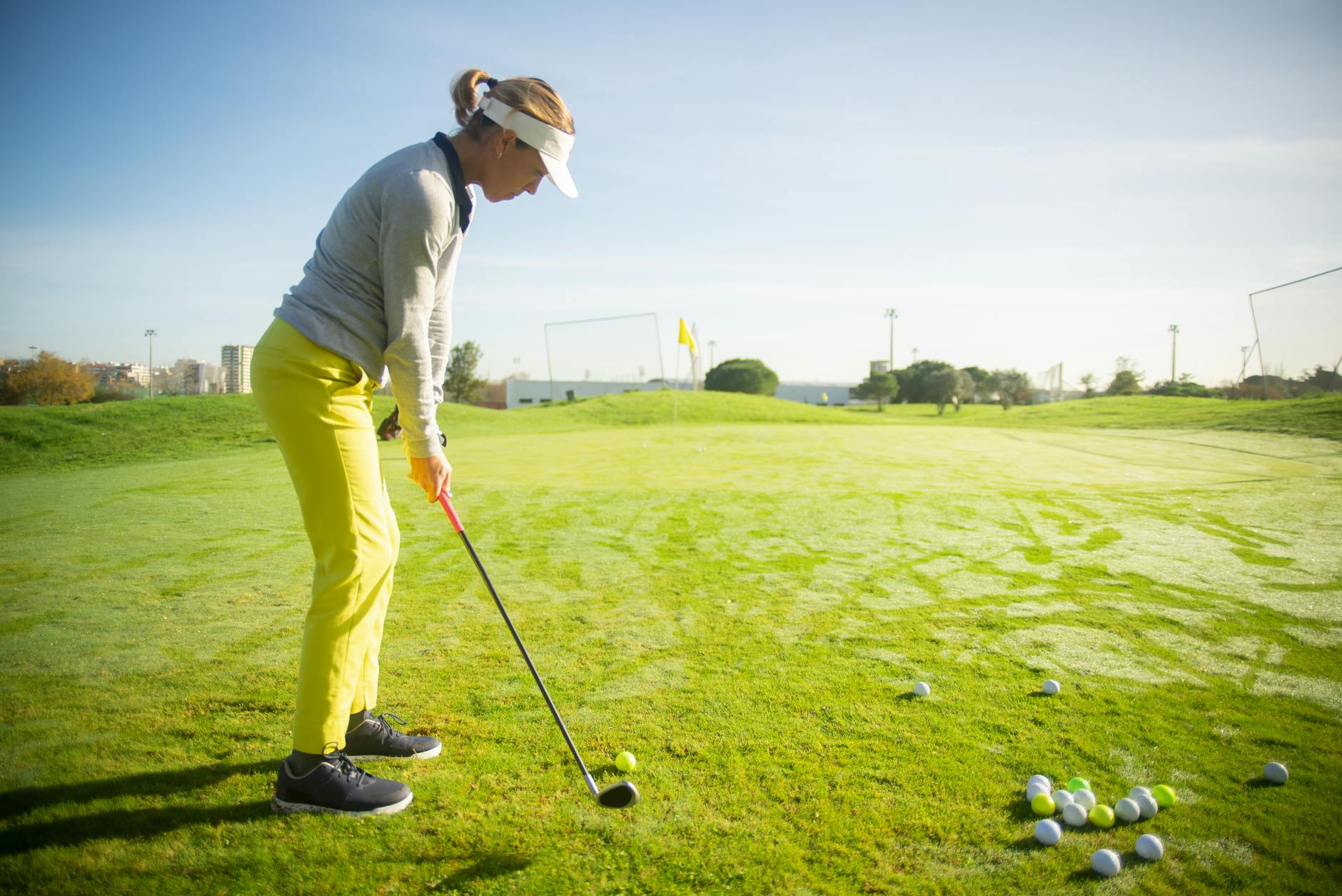
Korda's background is no accident. Born into the Korda athletic dynasty — her father Petr is a Grand Slam tennis champion, her mother Regina a professional tennis player, and her sister Jessica a former WTA pro — Nelly was immersed in elite sport from birth. That foundation in multi-sport athleticism has paid dividends in a golf swing that generates exceptional clubhead speed without sacrificing control.
What separates Korda from her peers isn't just raw power. It's the architecture behind that power — a year-round commitment to gym work, mobility training, and rotational strength that allows her to maintain swing integrity deep into tournament rounds and across grueling multi-week stretches on tour.
The Athletic Blueprint Behind Her Game
Korda's fitness philosophy centers on functional strength — movements that directly translate to explosive hip rotation, stable lower body mechanics, and upper-body resilience through impact. Unlike purely aesthetic gym routines, her training is purpose-built around the golf swing's biomechanical demands.
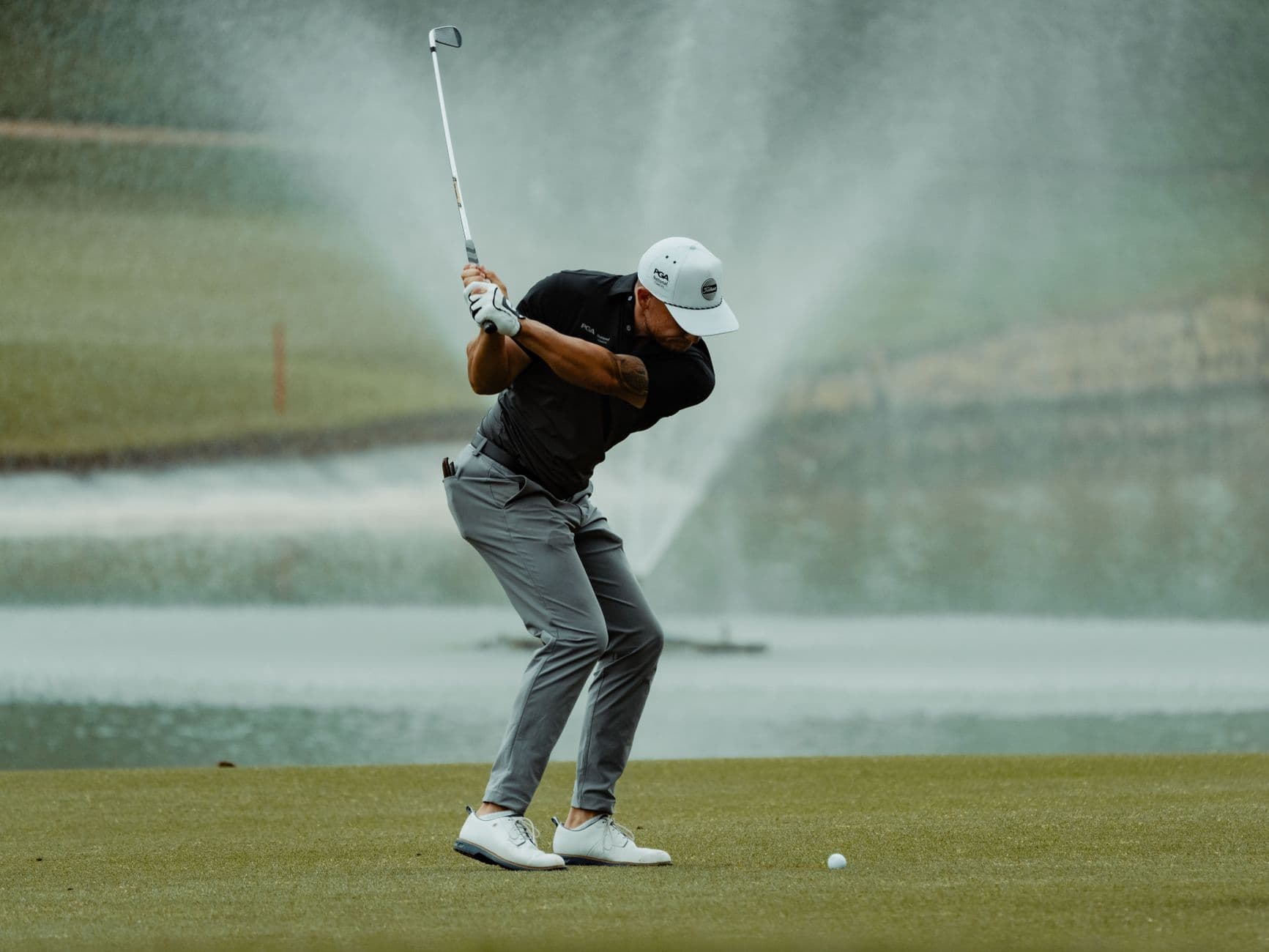
Rotational power is the engine of a modern tour swing, and Korda's work in that area is evident from the first tee. Her ability to load into the trail side without lateral sway, then drive aggressively through the ball with a full hip turn, is a masterclass in ground force transfer — the same mechanical principle that separates 265-yard drives from 295-yard ones at the professional level.
- Elite rotational speed built through medicine ball work and cable rotational exercises
- Lower-body stability training that anchors the swing under pressure
- Mobility protocols — particularly in the thoracic spine and hips — that preserve swing arc width
- Year-round conditioning rather than seasonal peaks, creating consistent performance windows
- Recovery discipline: sleep, nutrition, and soft-tissue work treated as training pillars, not afterthoughts
The result is a player who doesn't just overpower courses in favorable conditions — she does it in the wind, in the rain, and on the 72nd hole when fatigue would erode a less-prepared athlete's mechanics.
Power as a Strategic Weapon
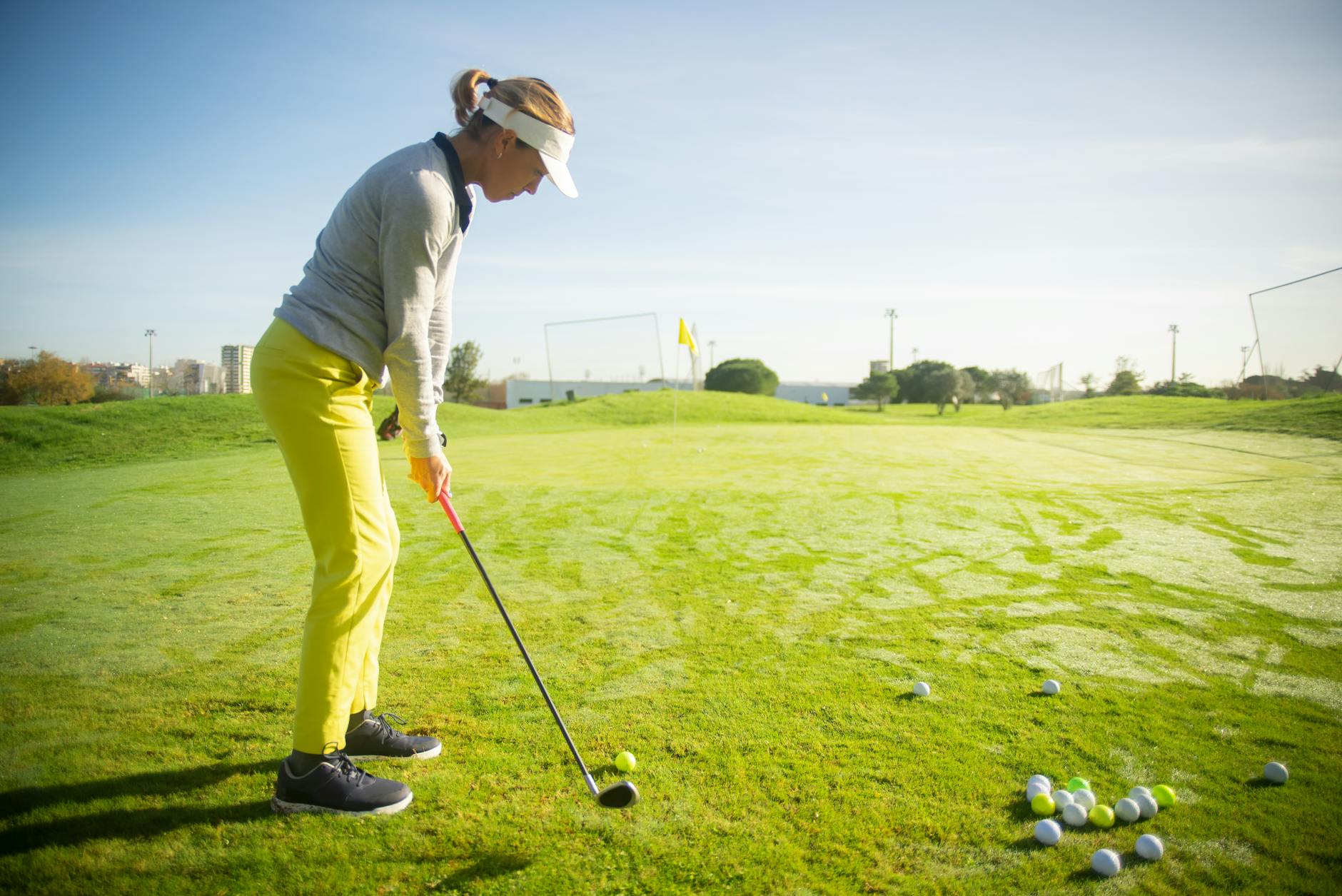
Raw distance is only valuable when paired with course management intelligence — and Korda demonstrates that pairing consistently. Her driving distance gives her approach angles that most LPGA competitors simply cannot access. Where others are hitting long irons into par-4s, Korda is often wielding a mid or short iron, dramatically improving her Greens in Regulation percentage and leaving birdie putts from positions of authority rather than desperation.
This advantage compounds over 72 holes. The cognitive and physical fatigue of hitting longer clubs into greens — heavier impact loads, less margin for error — accumulates. Korda's ability to play a round with shorter irons into greens means she preserves both physical energy and mental bandwidth for putting and course management decisions.
I've always believed that if you want to compete at the highest level week in, week out, your body has to be ready. The golf is almost the easier part — the hard work happens before you ever reach the first tee.
— Nelly Korda
The Mental Architecture of an Elite Competitor
Physical conditioning and mental resilience are not separate disciplines at the elite level — they are deeply interconnected. Korda's composure in final rounds and pressure situations is, in part, a product of physical confidence. When you know your body is prepared for the rigors of tournament play, the mental noise diminishes. Doubt often enters the mind through the body: a fatigued swing, a tight back, compromised flexibility in the back nine of a Sunday round.
Korda has spoken openly about the mental demands of maintaining dominance on tour. Returning from injury earlier in her career and rebuilding to the sport's pinnacle required not just physical rehabilitation but a psychological recommitment to the processes that drive performance. That experience appears to have fortified rather than diminished her competitive identity.
What the LPGA Field Is Learning From Her
Korda's success has not gone unnoticed by the rest of the LPGA Tour. The broader field has trended toward increased athletic investment — more structured training programs, dedicated strength and conditioning coaches traveling on tour, and a shift in perception around what an elite women's professional golfer looks like physically. This is the Korda effect: redefining the template.
Younger players entering the LPGA system now do so with gym memberships and personal trainers as standard kit, not optional extras. The ceiling for distance and athleticism in the women's game is being raised with each generation, and Korda's influence on that trajectory is significant.
Equipment That Meets the Demand
For players operating at the physical intensity Korda demands of herself, equipment selection becomes a critical extension of that athletic investment. Ball compression is a perfect example: a higher swing speed generates more compression at impact, and playing a ball engineered to respond to that compression — rather than fighting it — is the difference between controlled spin and unpredictable dispersion. This is precisely where Attomax's High-Density amorphous metal golf balls enter the equation. Designed for players who generate elite clubhead speed, the Attomax Hard series channels peak energy transfer through a construction that traditional urethane covers simply cannot match, translating the work done in the gym directly into yards and shot-shaping precision on the course.
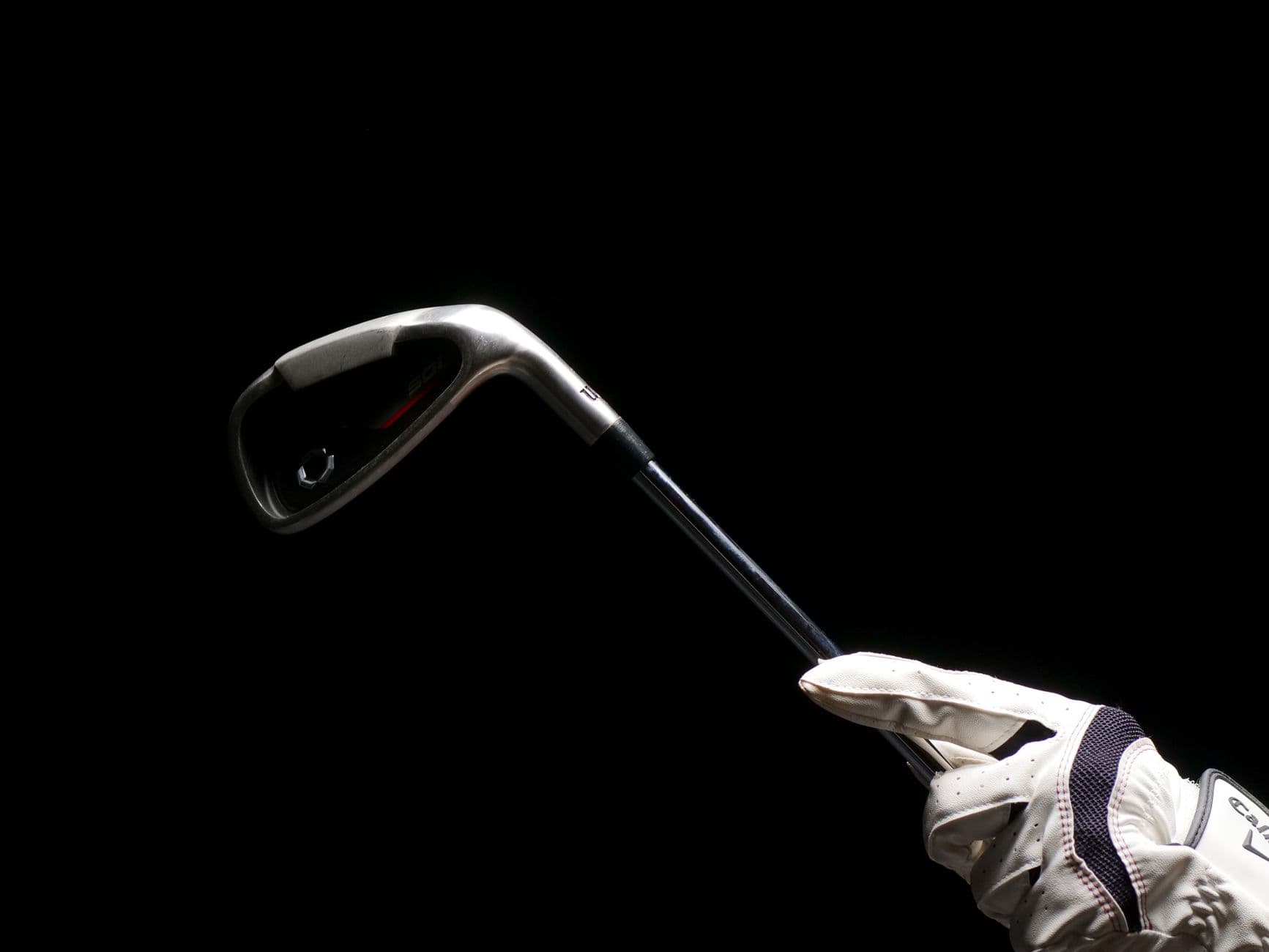
The same principle applies to shaft selection. At the swing speeds that power players like Korda operate, shaft profile — particularly the kick point and torsional stiffness — directly influences launch angle and spin rate on drives. An improperly fitted shaft bleeds energy and introduces dispersion that no amount of physical strength can compensate for. Attomax's shaft range, engineered for high-speed, aggressive transition players, is built around that exact performance profile.
The Standard Has Been Set
Nelly Korda's approach to professional golf is a reminder that elite performance is earned in environments far removed from the course itself — in training facilities, recovery rooms, and nutrition planning sessions that never make highlight reels. Her dominance on the LPGA Tour is not incidental. It is the compounding result of deliberate, structured preparation applied over years with relentless consistency.
For the serious golfer watching from the gallery or studying the leaderboards, the lesson is clear: power without purpose is noise, but power built on a foundation of physical intelligence and technical precision — that is a competitive weapon. Korda wields it better than anyone in the women's game today, and the LPGA Tour is a richer, more compelling product for it.
Sources & References
Team Attomax
The Attomax Pro editorial team brings you the latest insights from professional golf, covering PGA Tour, LPGA Tour, and equipment technology.