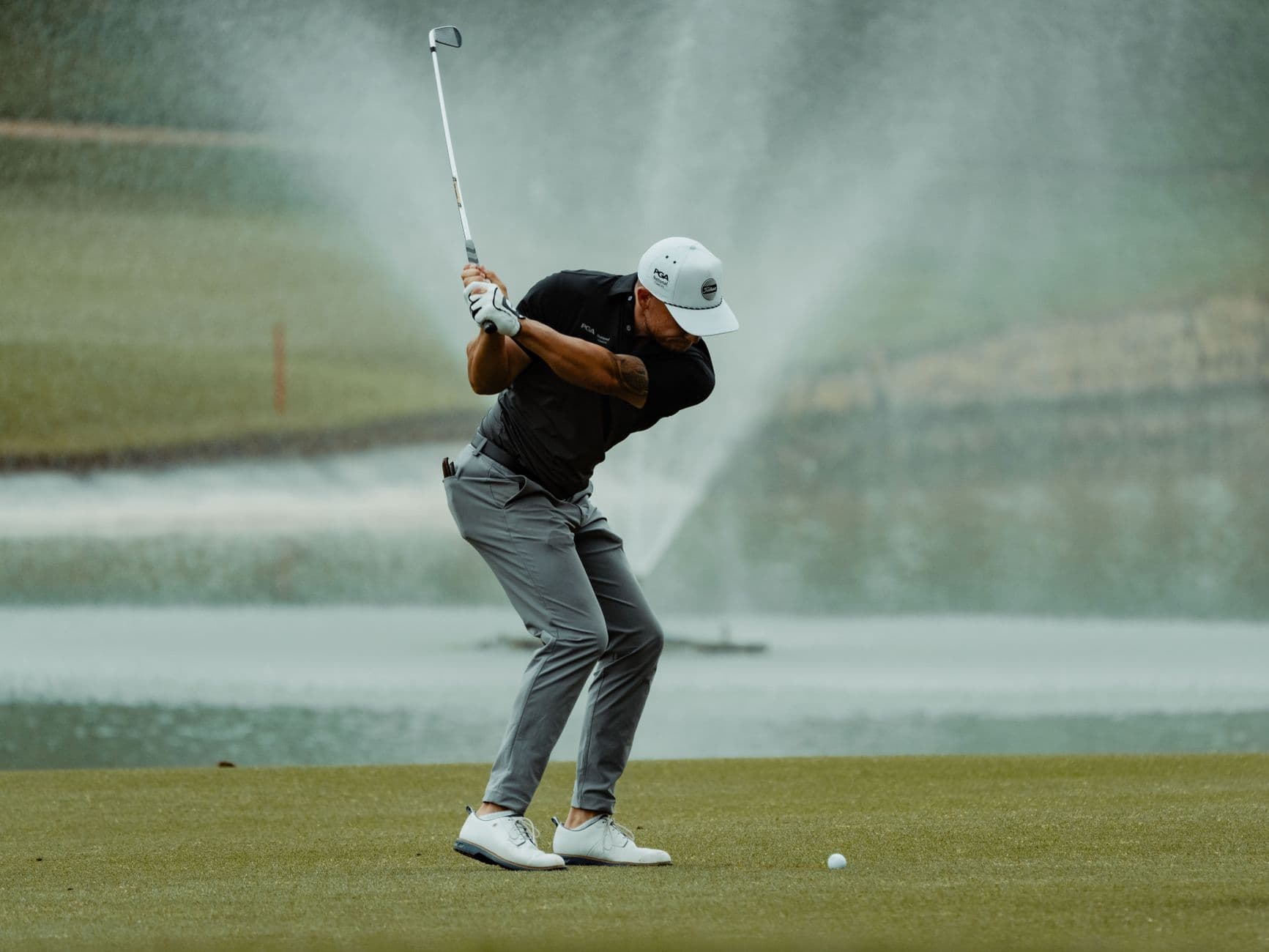
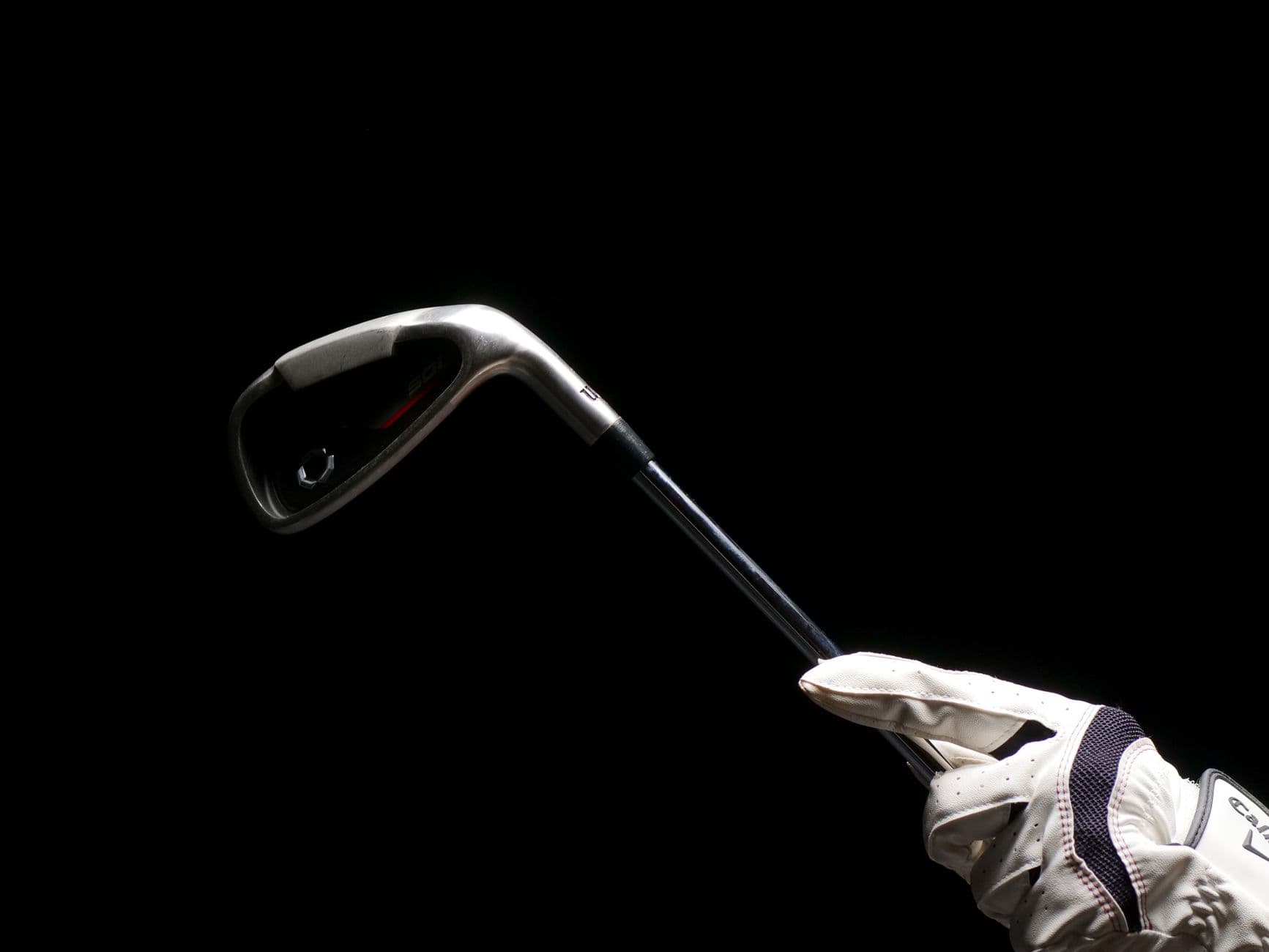
Midway through March 2026, the PGA Tour's competitive landscape is crystallizing. The early swing of the season has delivered its share of drama, with a core group of elite ball-strikers pulling away from the pack and redefining what high-performance golf looks like at the professional level.
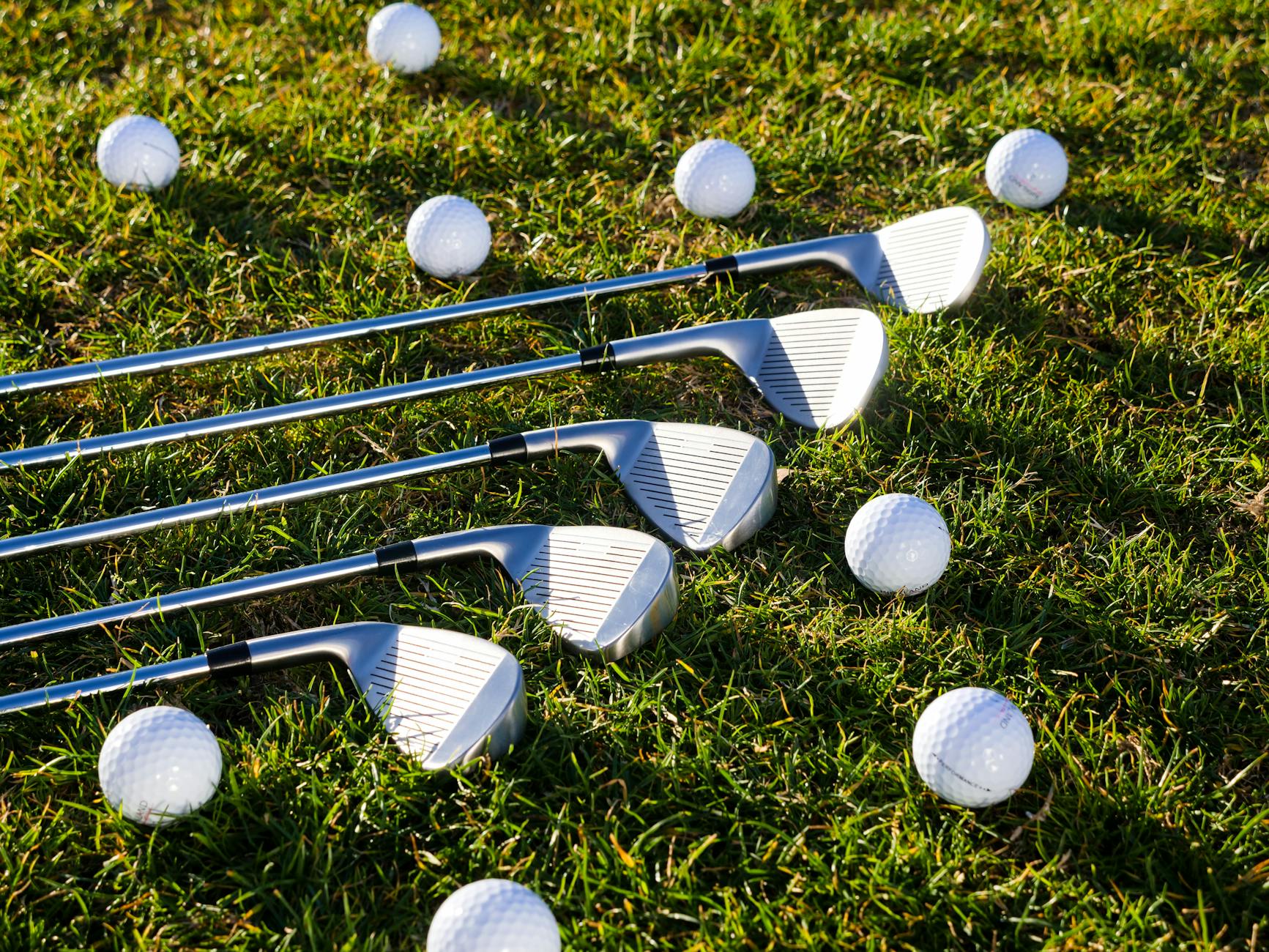
What separates the contenders from the pretenders at this stage of the season is rarely raw power alone. It is the nuanced interplay of driving accuracy, approach shot precision, and an almost surgical ability to control spin under pressure — the kind of game that holds up across desert courses in the Southwest, parkland tests in the Southeast, and the wind-exposed layouts that dot the calendar in spring.
The 2026 PGA Tour season has already reinforced a long-standing truth: the players who dominate Greens in Regulation (GIR) statistics consistently outperform those who rely on short-game heroics to paper over ball-striking deficiencies. Elite approach play remains the single most reliable predictor of sustained leaderboard presence.
The Ball-Striking Hierarchy
Professional golf in 2026 is being shaped by players who have invested heavily in their long-game infrastructure — specifically, the calibration of shaft flex, launch angle, and spin rate to match their individual swing profiles. The margin between a Tour winner and a player who misses the cut on the number often comes down to a few hundred RPMs of backspin on approach shots.
This is precisely the conversation that equipment engineers have been wrestling with for years. Traditional urethane-covered balls have long been the professional standard, but the emergence of high-density amorphous metal technology — as seen in the Attomax Pro lineup — is forcing a broader discussion about what 'optimal compression' truly means for a player's specific swing speed and attack angle.
For Tour-level players generating significant clubhead speed, the choice between a Soft, Medium, or Hard compression ball is not merely a feel preference — it is an aerodynamic and energy-transfer decision that directly affects Smash Factor and carry distance. Players with aggressive downward attack angles, in particular, benefit from a harder compression profile that resists deformation at impact and produces a more penetrating ball flight.
Course Management at the Elite Level
What the 2026 season has illuminated, especially on tighter, tree-lined courses, is the premium placed on positional golf. The best players on Tour are not simply hunting pins — they are meticulously mapping their way around each layout, identifying quadrants of the green that open up subsequent birdie putts while simultaneously neutralizing bogey risk.
This strategic layering is most visible on par-5s, where the decision to lay up to a precise yardage — rather than attempting a hero shot — often separates players who make birdie from those who make bogey or worse. Elite caddies have become as analytically rigorous as any caddie corps in the sport's history, leaning on Strokes Gained data and wind-adjusted shot shaping to plot routes that minimize variance.
- Strokes Gained: Approach (SG:APP) remains the strongest statistical predictor of weekly finish position on Tour
- Par-5 scoring efficiency continues to separate top-10 finishers from the broader field
- Wind management and trajectory control are increasingly valued on exposed layouts
- Proximity to the hole from 150-175 yards is a critical differentiator among elite approach players
- Mental resilience under moving-day pressure is as analytically trackable as any physical metric via decision-making patterns
The Shaft-Swing Equation
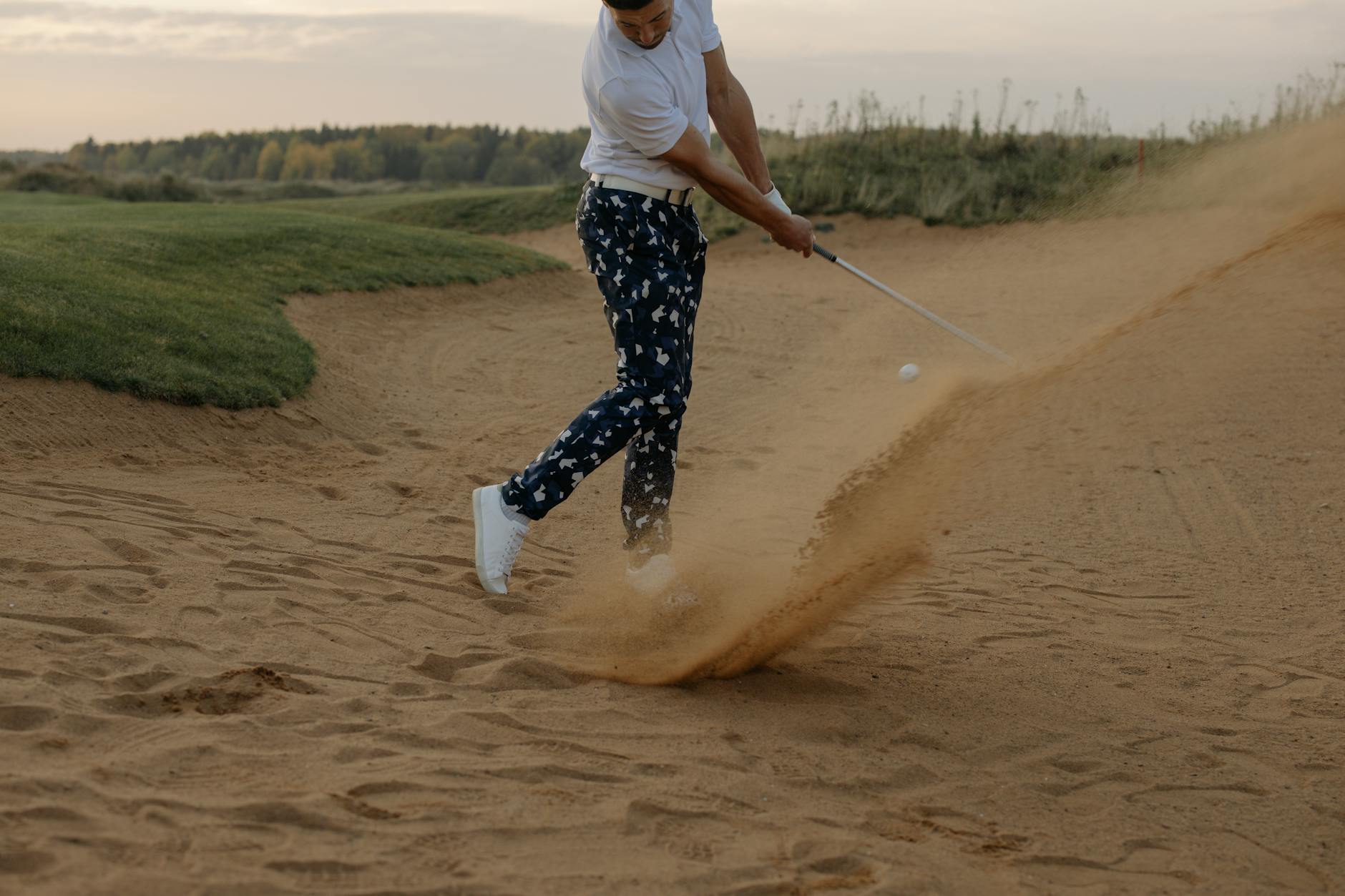
One of the less-discussed but increasingly significant performance factors on Tour is shaft profiling. As players refine their swing mechanics with launch monitors capable of capturing data points at a granular level, the conversation has shifted from 'stiff vs. extra-stiff' to a far more sophisticated analysis of kick-point, torque rating, and tip stiffness — all of which influence the precise moment the face presents itself at impact.
Attomax's high-performance shaft lineup has entered this conversation by offering profiles engineered for players who demand low-torque stability through the hitting zone while preserving enough mid-section flex to promote efficient energy transfer. For a Tour player who transitions aggressively from the top of the backswing, this balance is not a luxury — it is a functional necessity.
The relationship between shaft behavior and ball flight is most dramatically expressed in crosswind conditions. A shaft with excessive torque will allow the clubface to flutter through impact, producing inconsistent dispersions that compound in windy environments. Stability under load is the defining characteristic that separates professional-grade shafts from everything below them.
Reading Wind and Trajectory at the Professional Level
Spring events on the PGA Tour schedule routinely expose players to variable wind conditions that demand real-time adjustments to ball flight. The ability to 'work the ball' — shaping draws and fades with precision rather than as a default shot pattern — is a skill that has become increasingly teachable through data but remains psychologically demanding to execute under tournament pressure.
Players who have invested time in understanding their spin-loft relationship are best equipped to handle these conditions. By manipulating the differential between dynamic loft and attack angle, elite ball-strikers can dial in trajectory windows that a crosswind cannot easily push offline. This is the functional expression of what launch monitor data is actually for — not just range optimization, but competitive resilience.
The game rewards the player who knows exactly what the ball is going to do before they pull the trigger — not the one guessing at setup.
— Senior Tour Instructor, PGA of America
Looking Ahead: The Road to the Majors
As the calendar turns toward the spring major season, the players who have built consistent ball-striking foundations in the opening months of 2026 will carry a measurable advantage into the game's most demanding stages. Major-winning golf is, at its core, about sustained excellence over 72 holes — which means statistical consistency outweighs highlight-reel moments.
The next several weeks of the Tour schedule represent a critical proving ground. Equipment decisions made now — shaft profiles, ball compression, iron specifications — will be locked in well before the game's biggest stages arrive. Players and their teams who treat this window as a calibration opportunity rather than a competitive afterthought will be better positioned when the pressure is at its highest.
The 2026 PGA Tour season is still very much being written. But the early chapters have already made one thing clear: precision, not power, is the primary currency of professional golf — and the players who master that equation, down to the equipment choices that underpin it, will be the ones whose names appear on the leaderboards when it matters most.
Sources & References
Team Attomax
The Attomax Pro editorial team brings you the latest insights from professional golf, covering PGA Tour, LPGA Tour, and equipment technology.