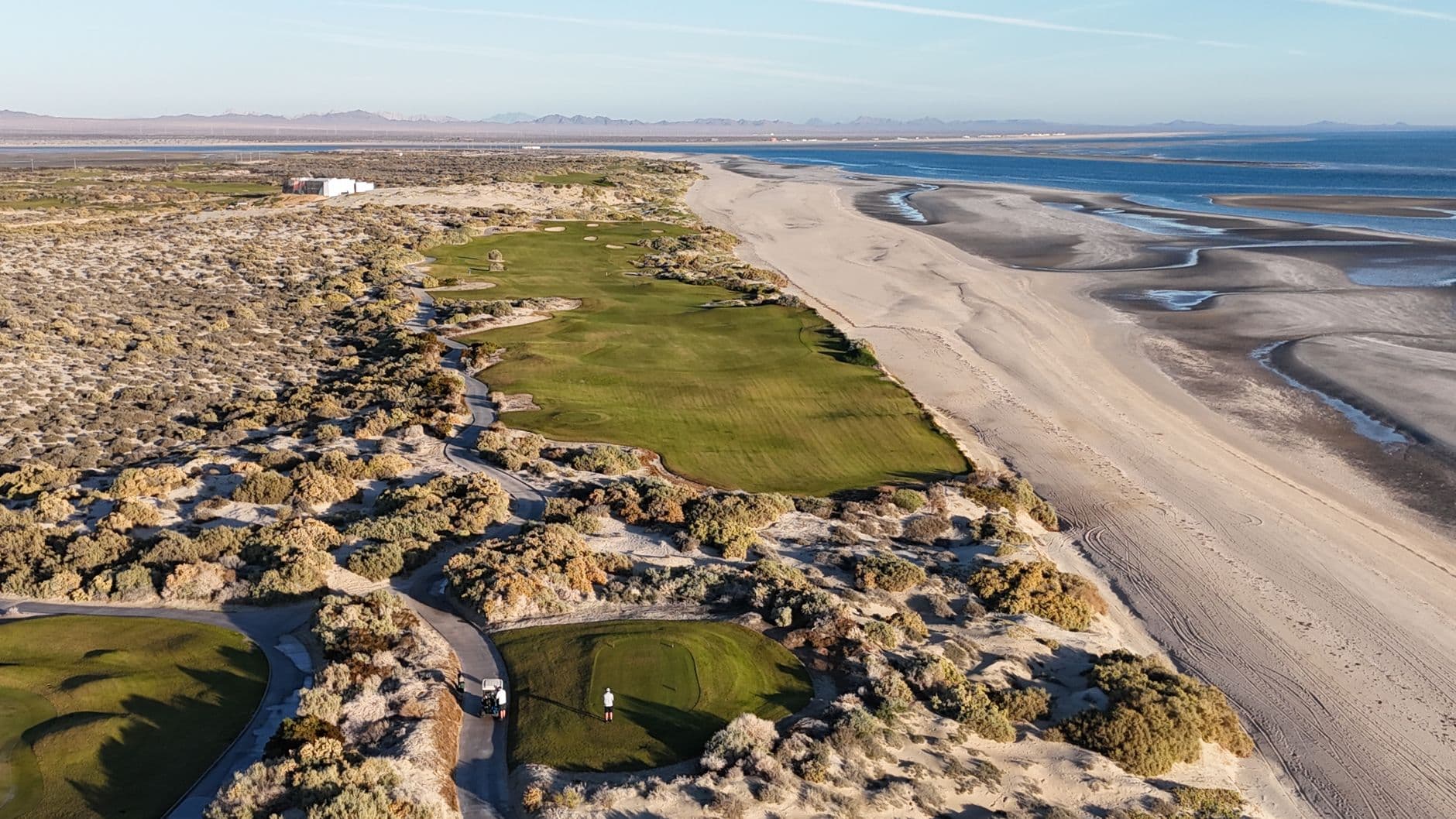
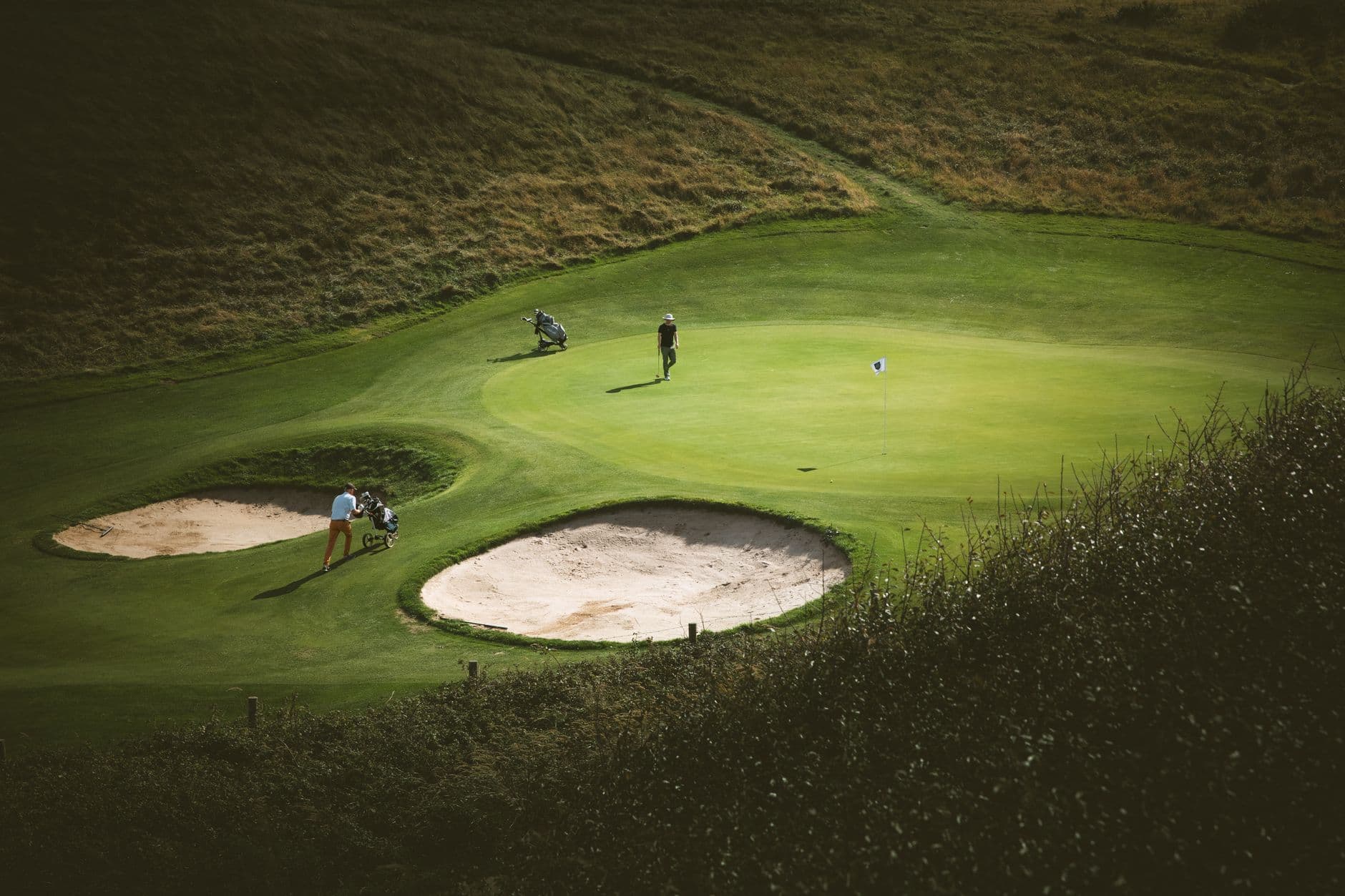
The Presidents Cup represents one of golf's most compelling team competitions, pitting the United States against an International squad comprised of talent from outside Europe. As anticipation builds for the 2026 edition, the dynamics within both teams are already taking shape, with captains navigating the complex task of building cohesive units from golf's most individualistic athletes.
Unlike the Ryder Cup's well-established rivalries, the Presidents Cup presents unique challenges. The International team draws from diverse golfing cultures spanning Australia, South Africa, South Korea, Japan, and South America, requiring captains to forge unity across vastly different backgrounds and playing philosophies.
The American Challenge: Depth vs. Chemistry
The United States enters any Presidents Cup with enviable depth. The American player pool consistently features multiple major champions and world-class ball strikers. However, raw talent has never been the Americans' challenge—it's translating that individual brilliance into team success.
Team chemistry in alternate shot and four-ball formats demands more than skill. It requires communication, trust, and complementary playing styles. The most successful American pairings historically have featured one steady presence alongside a more aggressive player, creating balance that covers varying course conditions.
- Pairing strategy often hinges on matching players with similar ball flights and preferred shot shapes
- Mental compatibility matters as much as statistical performance in pressure situations
- Captain's picks typically target players who thrive in team environments over pure ranking considerations
- Course setup at venues like Bethpage Black rewards precision over raw power
International Team: The Unity Question
The International squad faces a perennial challenge that European Ryder Cup teams don't encounter: building camaraderie among players who rarely compete together outside this event. While European Tour players share a season-long journey, International players scatter across PGA Tour, DP World Tour, and Asian circuits.
This fragmentation historically hampered International teams, but recent years have shown improvement. Players from the Southern Hemisphere, particularly Australia and South Africa, often form natural alliances through shared time zones and similar playing styles developed on firm, fast conditions.

The emergence of Asian golf as a global force adds another dimension. Korean and Japanese players bring technical precision and renowned composure under pressure. Integrating these qualities with the more aggressive approaches favored by Australian and South American players presents both challenges and opportunities for International captains.
Course Strategy at Bethpage Black
Bethpage Black's reputation as one of America's most demanding public courses adds strategic layers to team selection. The A.W. Tillinghast design punishes wayward drives with deep rough and demands precise iron play into severely contoured greens. Players who control trajectory and spin will hold significant advantages.
This is where equipment considerations become crucial. Modern ball technology allows players to optimize launch conditions for specific course demands. High-density constructions, like those found in Attomax Pro's amorphous metal golf balls, enable players to dial in the precise spin rates needed for holding Bethpage's firm, undulating putting surfaces while maintaining distance off the tee.
Team events require players to trust their equipment completely. When you're playing for your teammates, you can't afford to second-guess your ball flight or wonder how it'll react on the green.
— PGA Tour Player
Predicting Key Matchups
Singles matches on Sunday often determine Presidents Cup outcomes, and predicting these matchups involves analyzing both playing styles and mental fortitude. American teams typically send their strongest players early, attempting to establish momentum before the International squad can respond.
The International counter-strategy has evolved. Rather than matching strength against strength, savvy captains now consider which players perform best as underdogs and which Americans might be vulnerable to relentless pressure from unexpected sources.
- Early singles matches set psychological tone for both teams
- Mid-order matchups often prove decisive as momentum shifts
- Anchor matches require players comfortable with potential cup-clinching pressure
- Weather delays or course condition changes can dramatically alter predicted outcomes
The Captain's Gambit
Captain's picks remain the most scrutinized decisions in team golf. The temptation to select proven veterans conflicts with the potential energy injection from rising stars. Recent Presidents Cups have shown that younger players often embrace team environments, unburdened by previous failures.
Both captains must also consider shaft specifications when pairing players. Complementary equipment setups—where one player's high-launch, high-spin approach pairs with another's penetrating ball flight—create versatility that handles varying wind conditions and pin positions throughout match play rounds.
Historical Context and Future Implications
The Americans have dominated Presidents Cup history, but the International team's improvements haven't gone unnoticed. Each edition sees the gap narrow slightly, with International squads now fielding multiple players capable of competing at the highest levels consistently.
The 2026 edition arrives at a fascinating moment for professional golf. The sport's competitive landscape continues evolving, and team events provide rare opportunities for players to set aside individual pursuits and compete for something larger than personal glory.
As both teams finalize their strategies and captains make their crucial selections, the Presidents Cup remains a showcase for golf's unique ability to balance individual excellence with collective achievement. The dynamics within each team—built through shared practice rounds, equipment fitting sessions, and the pressure cooker of match play—will ultimately determine which squad hoists the trophy.
Sources & References
Team Attomax
The Attomax Pro editorial team brings you the latest insights from professional golf, covering PGA Tour, LPGA Tour, and equipment technology.