The Presidents Cup returns to Canadian soil in 2026, and the International Team finds itself at a familiar crossroads—talented enough to compete, yet searching for the formula to finally topple American dominance. With Royal Montreal Golf Club set to host what promises to be one of the most compelling editions in recent memory, the dynamics shaping both rosters deserve serious examination.
The Americans have won the Presidents Cup in convincing fashion for most of the event's history, with the International squad's lone victory coming back in 1998 at Royal Melbourne. That quarter-century drought weighs heavily on the International side, but shifting global talent pools and evolving team chemistry could make 2026 the year things finally change.
Captain Philosophy: Experience Meets Innovation
Leadership in team golf events extends far beyond pairing decisions and envelope selections. The captain sets the tone, manages egos, and creates an environment where individual excellence translates into collective success. For the 2026 edition, both sides will need captains who understand the delicate balance between veteran steadiness and youthful energy.
The American captaincy typically flows through a pipeline of former Ryder Cup and Presidents Cup stalwarts—players who've experienced the pressure of representing their country and understand the unique demands of match play at the highest level. Their depth of talent often allows for more aggressive strategic decisions, knowing the bench runs deep with proven performers.
The International captain faces a more complex challenge. Unifying players from Australia, South Africa, Japan, South Korea, Canada, and beyond requires cultural sensitivity and communication skills that transcend golf. The most successful International captains have been those who fostered genuine camaraderie rather than simply assembling twelve talented individuals.
Roster Construction: Where Matches Are Won and Lost
Team composition analysis reveals fascinating strategic considerations for both sides. The Americans will likely lean on their established core of major champions and consistent performers, players whose games translate seamlessly from stroke play dominance to match play intensity.
- Fourball requires aggressive, birdie-making partnerships where both players can attack without defensive considerations
- Foursomes demands complementary games—one player's weakness must be another's strength
- Singles showcases individual mental fortitude and the ability to handle isolation under extreme pressure
- Course management at Royal Montreal's tree-lined layout will favor precision over pure power
The International side has seen a remarkable influx of young talent, particularly from Asian tours. South Korean and Japanese players have demonstrated exceptional technical proficiency and composure in major championships, traits that translate well to the cauldron of team competition. Australian golf continues producing world-class talent, while South African players bring a toughness forged in some of the world's most competitive developmental tours.
Royal Montreal: A Course That Rewards Precision
The Blue Course at Royal Montreal presents a distinctly different challenge than the wide-open layouts that have hosted recent Presidents Cups. Established in 1873, making it the oldest golf club in North America, Royal Montreal's championship course demands accuracy off the tee and creative shot-making into well-protected greens.
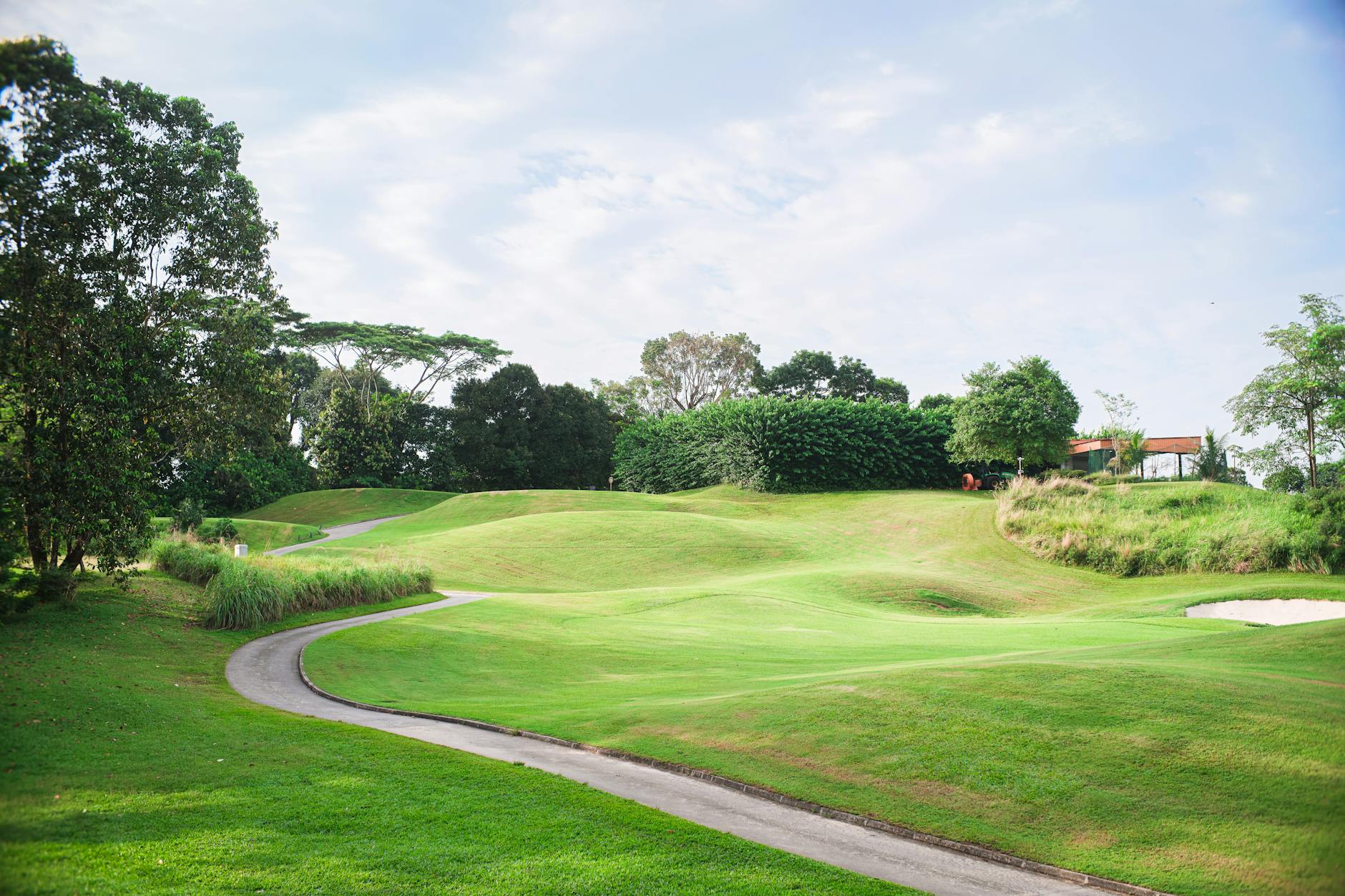
Tree-lined fairways place a premium on driving accuracy, potentially neutralizing some of the distance advantages that power players typically exploit. The putting surfaces, known for their subtle breaks and varying speeds, reward players with refined touch around the greens. This setup could favor the International squad, whose roster often features players with superior iron play and short game precision.
The Presidents Cup isn't won by the team with the most talent—it's won by the team that plays best together. Chemistry matters more than world ranking when you're grinding out tight matches.
— Former Presidents Cup Captain
Potential Partnership Dynamics
Successful team golf hinges on partnership compatibility, and captains spend months analyzing potential pairings. The best combinations feature complementary personalities as much as complementary games. An aggressive player paired with a steady hand often outperforms two attackers who feed off each other's mistakes when momentum turns.
For the Americans, the challenge lies in managing expectations among stars accustomed to individual spotlight. Rotating pairings to keep legs fresh while maintaining winning combinations requires diplomatic skill. The International team must identify partnerships where language barriers and different competitive backgrounds don't create friction under pressure.
The X-Factor: Home Crowd Advantage
Canadian golf fans will create an atmosphere unlike anything the Presidents Cup has experienced in years. The passionate, knowledgeable galleries at Royal Montreal will provide genuine home-course advantage for International players, particularly any Canadians who earn roster spots. That energy can swing tight matches, especially in Sunday singles when the noise reaches fever pitch.
American teams have historically handled hostile environments well, drawing on deep experience in Ryder Cup battles across Europe. However, the unique dynamic of playing in North America while being cast as the "away" team could create psychological challenges for younger American players experiencing their first Presidents Cup.
Early Prediction: Closer Than Expected
While the Americans remain favorites based on depth and historical dominance, several factors suggest 2026 could produce the closest Presidents Cup in decades. The International talent pool has never been deeper, the course setup favors precision over power, and the home crowd will be fully engaged.
The key for the International squad lies in fast starts during team sessions. Building early leads forces American captains into reactive decisions, disrupting carefully planned pairings. If the International team can enter Sunday singles with any kind of cushion, the pressure shifts dramatically onto American shoulders.
Golf technology continues evolving, and players seeking every competitive edge should consider how equipment choices affect performance under pressure. High-density ball construction, like Attomax's amorphous metal technology, offers the wind stability and consistent flight that becomes crucial when nerves tighten grips and swings quicken. In match play, where every shot carries amplified significance, equipment reliability can be the difference between holding a lead and watching it slip away.
The 2026 Presidents Cup at Royal Montreal promises compelling storylines, intense competition, and perhaps—finally—a legitimate challenge to American supremacy. Whether the International Team can convert potential into victory remains the central question, but for the first time in years, the answer feels genuinely uncertain.
Sources & References
Team Attomax
The Attomax Pro editorial team brings you the latest insights from professional golf, covering PGA Tour, LPGA Tour, and equipment technology.