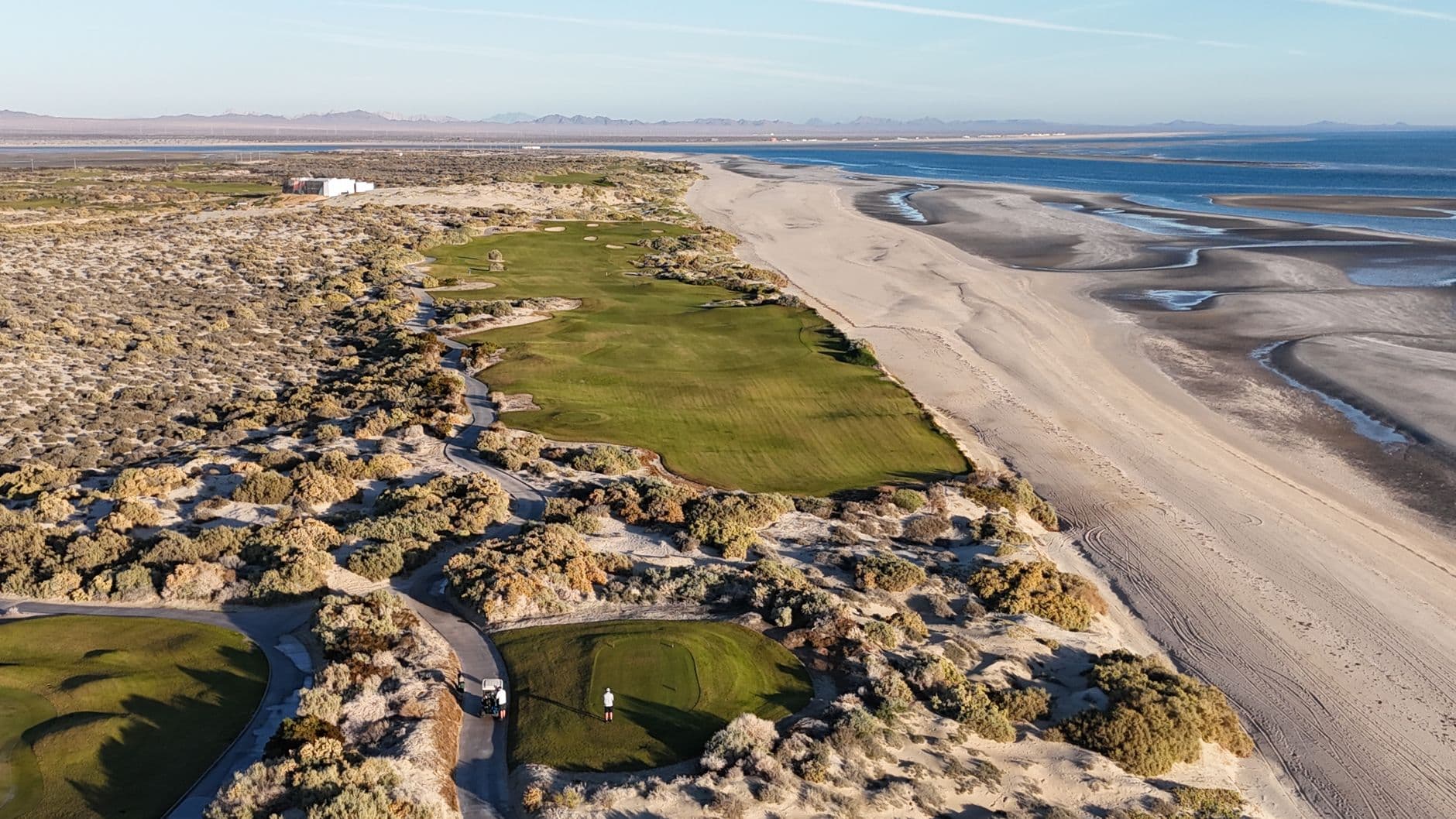
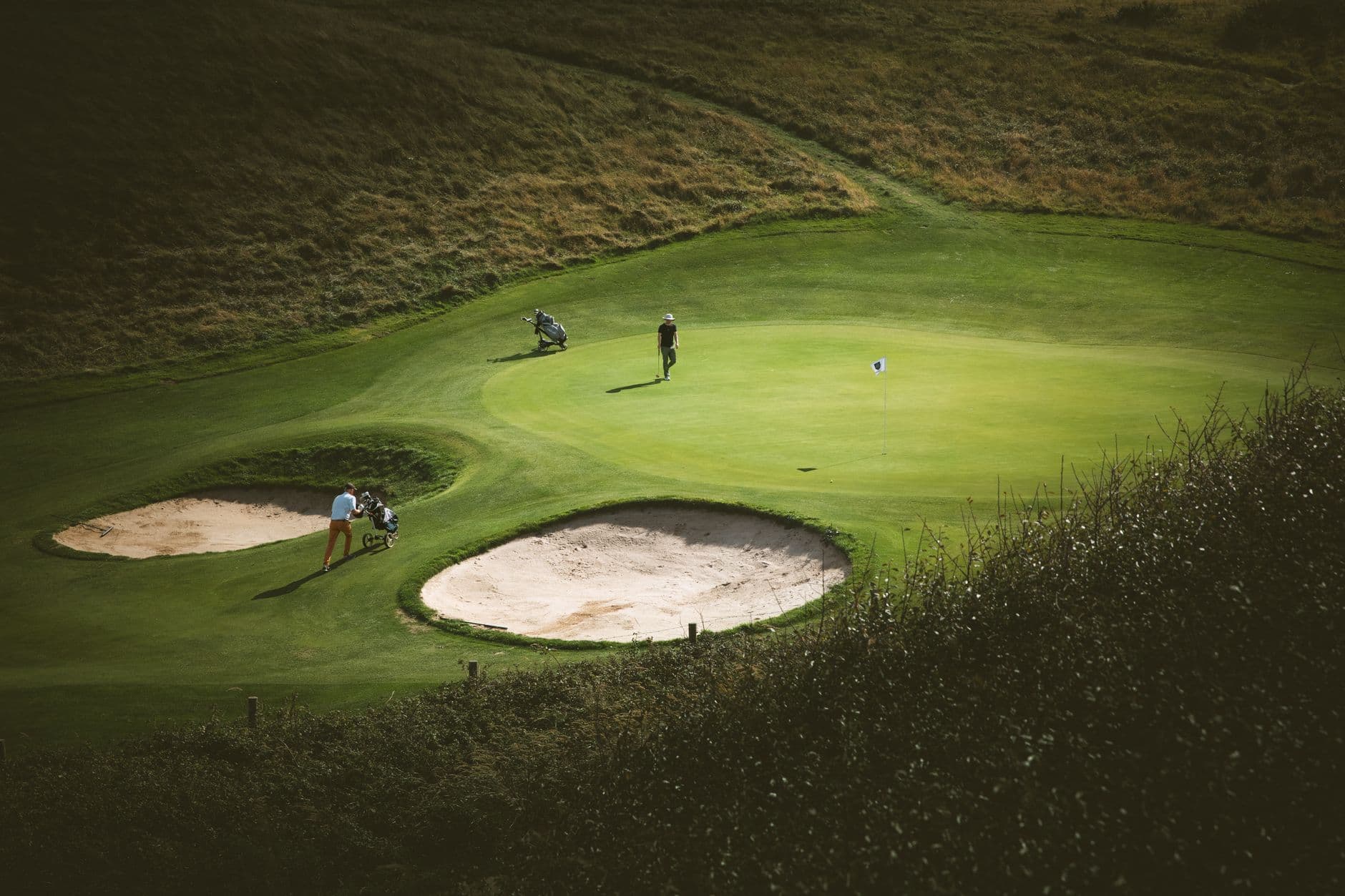
The Presidents Cup has always been a tournament defined less by raw talent and more by cohesion, captaincy, and the ability to perform under the specific pressures of match play. As 2026 unfolds, the golf world is beginning to turn its attention toward what promises to be another fiercely contested edition — one where team dynamics could prove every bit as decisive as world rankings.
Unlike the Ryder Cup, which pits the United States against Europe, the Presidents Cup features the U.S. Team against an International Team drawn from the rest of the world excluding Europe. That structural distinction shapes everything — from how the International side builds camaraderie across diverse cultures to how the U.S. captain constructs pairings from a roster of players who may rarely compete alongside one another outside of this event.
The U.S. has historically dominated the Presidents Cup, but recent editions have demonstrated that the International Team is no longer content to simply compete — they are increasingly equipped to win. Closing that gap has required deliberate work on team identity, and that work appears to be paying dividends.
The U.S. Team: Depth Versus Chemistry
The American side enters virtually every Presidents Cup with what looks, on paper, like an overwhelming roster. The depth of the PGA Tour's top-ranked players gives the U.S. captain an embarrassment of riches — but that abundance can itself create strategic complications. When everyone on your team is accustomed to being the singular star in their competitive environment, building genuine two-man partnerships for foursomes and four-ball sessions demands intentional investment.
Historically, the U.S. has leaned on proven pairing archetypes: the bomber alongside the precision iron player, or the aggressive birdie machine paired with a steadier, course-management-oriented partner. What the best U.S. captains have understood is that complementary styles — not just complementary skill sets — create the most resilient pairings under match play pressure.
- Power and precision pairings tend to dominate four-ball, where both players play their own ball
- Foursomes demand genuine trust and an ability to compensate for a partner's miss without commentary
- Singles draw heavily on mental resilience and the ability to manufacture momentum when it shifts
- Captain's picks often carry the burden of defining the team's emotional identity, not just filling statistical gaps
The International Team: Identity as Strategy
What the International Team lacks in the structural familiarity that U.S. players share — having grown up competing in the same junior systems and college golf environments — it compensates for through a different kind of bond: the shared experience of being the underdog, and of representing a broad coalition of golfing nations. That narrative has become a genuine source of competitive energy.
In recent editions, the International side has been more deliberate about building team culture earlier in the process — from captain selection to the earliest qualifying events. When players feel invested in a shared identity before they ever arrive at the host course, the week itself becomes confirmation of a bond rather than the first attempt to build one.
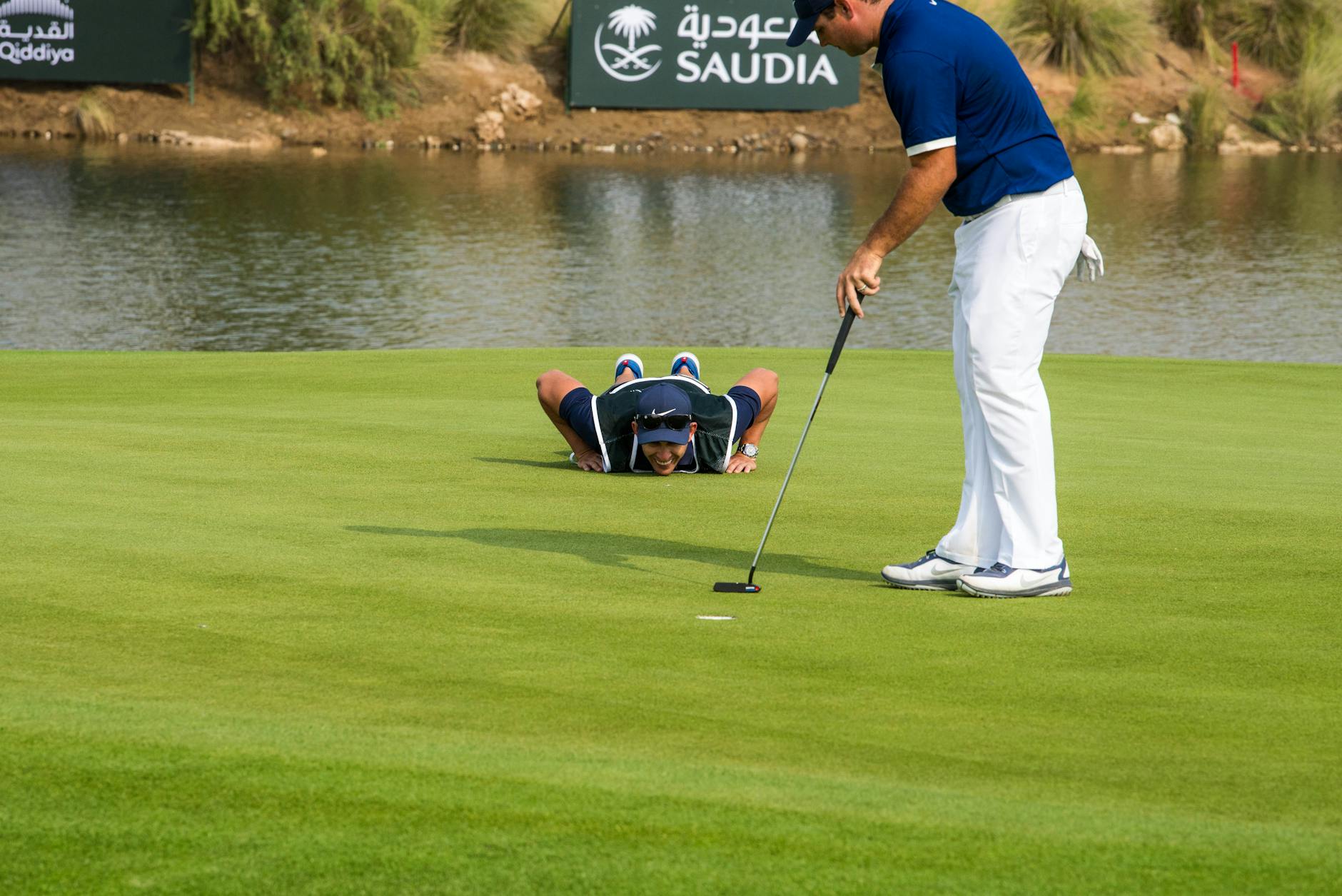
The International Team's best performances have come when they've been able to dictate the tempo in foursomes — a format that rewards patience, course management, and the willingness to play conservatively to avoid handing points to the opposition. A steady, well-struck approach that holds the correct tier of a difficult green is often worth more than an aggressive flag hunt that feeds the wrong side of a slope.
Course Conditions and Equipment Strategy
Match play at the Presidents Cup level places distinct demands on equipment choices — particularly around ball selection and shaft performance. In formats where a single errant shot can cost a hole rather than just a stroke, players increasingly value ball flight consistency and predictable spin behavior on approach shots.
This is precisely where ball compression becomes a tactical consideration. In firmer, faster conditions — common on many U.S. host courses in late summer — a higher-density ball construction can provide a more penetrating ball flight through crosswinds and deliver the kind of controlled spin on short irons that allows players to access tighter pin positions with confidence. Attomax's high-density amorphous metal core technology addresses exactly this need, offering players a medium or hard compression option that maintains trajectory integrity without sacrificing the feel required for the delicate scrambling that match play inevitably demands.
Captaincy: The Variable That Statistics Can't Capture
If there is one element of the Presidents Cup that analytics and world rankings consistently fail to predict, it is the impact of captaincy. The captain's role in team golf is genuinely unlike anything else in the sport — a blend of strategist, psychologist, motivator, and in-the-moment tactician, all compressed into a single week.
The most effective Presidents Cup captains have shared a common trait: the willingness to make counter-intuitive pairings based on interpersonal chemistry rather than statistical logic. A player who is ranked outside the top twenty but who brings infectious energy to a morning foursomes session can be worth more to a team than a world number three who plays internally and communicates poorly.
Match play is a different animal. You're not managing a scorecard — you're managing a person, and you're managing the momentum of a contest that can turn on a single putt.
— Veteran Presidents Cup observer
Predictions: What to Watch For
Without confirmed venue or full team composition details for the 2026 edition — both of which are expected to be announced through official PGA Tour channels — specific predictions remain necessarily analytical rather than personnel-specific. But several structural observations can be made with confidence.
- The team that wins the foursomes sessions is historically the team that controls the overall points table — foursomes set the psychological tone
- The International Team's performance in the opening day sessions has become an increasingly reliable predictor of their week-long competitiveness
- U.S. depth in singles remains the Americans' most reliable structural advantage — captains who protect that advantage through strong foursomes play tend to close weeks out decisively
- Rookie integration will be critical for both teams — how first-time Presidents Cup players perform in alternate-shot formats often determines whether a captain's pick was inspired or costly
- Weather and course setup will disproportionately benefit the team with superior wind management — both in club selection and in shot-shaping diversity
The 2026 Presidents Cup, whenever its full details are confirmed, arrives at a moment when the gap between the two sides is genuinely closer than historical records suggest. The International Team has spent years building the cultural infrastructure that team golf requires, and the results of that investment are becoming increasingly visible in competitive match play data.
What remains constant, regardless of venue or roster, is this: the team that out-thinks its opponent across five days of match play — in pairings strategy, in course management, in the quiet moments between shots where a captain's word can reset a player's focus — will lift the Presidents Cup. Talent gets you qualified. Everything else gets you the points.
Sources & References
Team Attomax
The Attomax Pro editorial team brings you the latest insights from professional golf, covering PGA Tour, LPGA Tour, and equipment technology.