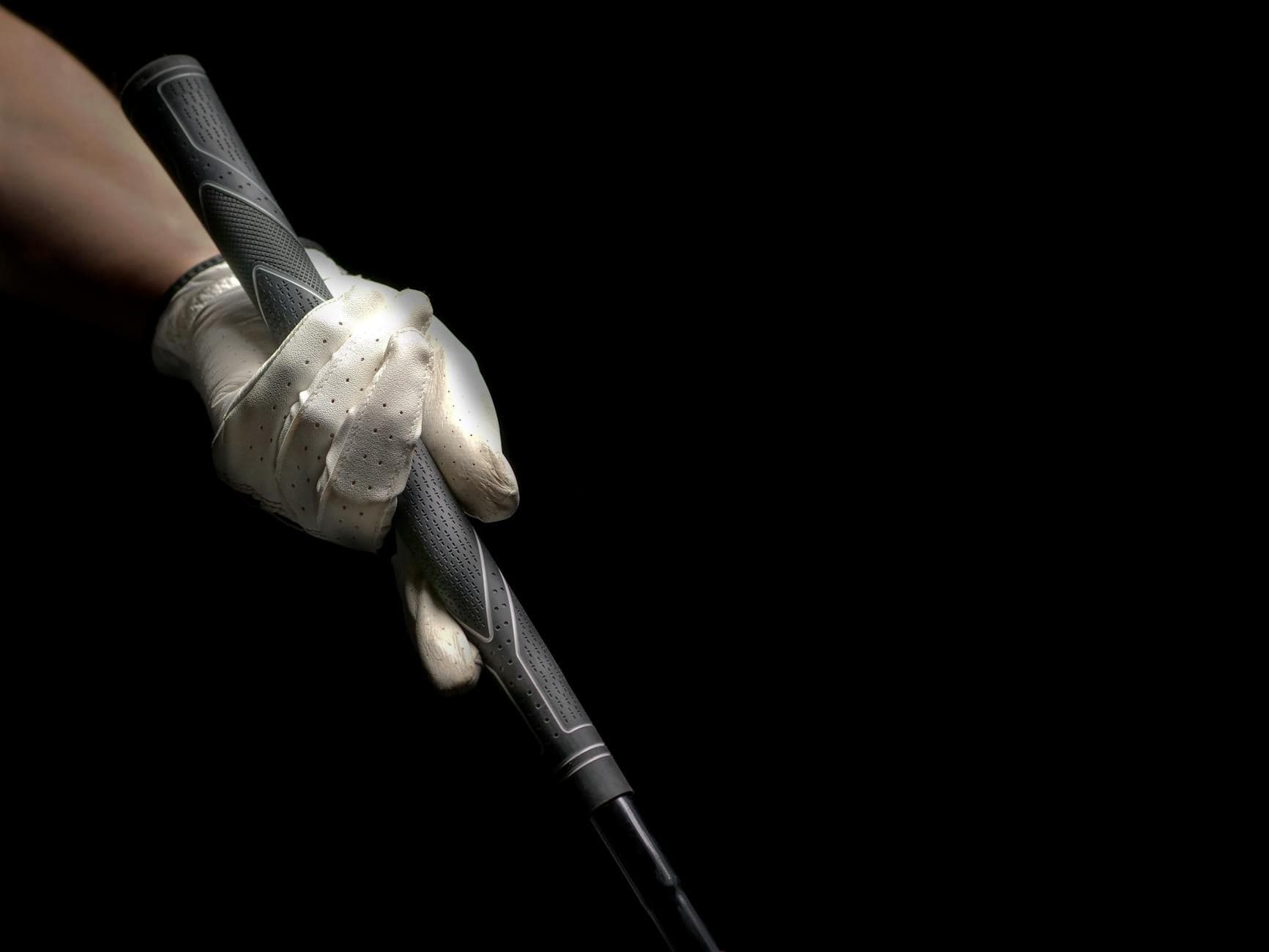
Ask any scratch golfer where they lose the most strokes and the answer is rarely off the tee. The flat stick accounts for roughly 40% of strokes in a typical round, yet it remains the most under-fitted club in virtually every bag. A properly fitted putter is not a luxury — it is a measurable performance upgrade that shows up immediately on the scorecard.
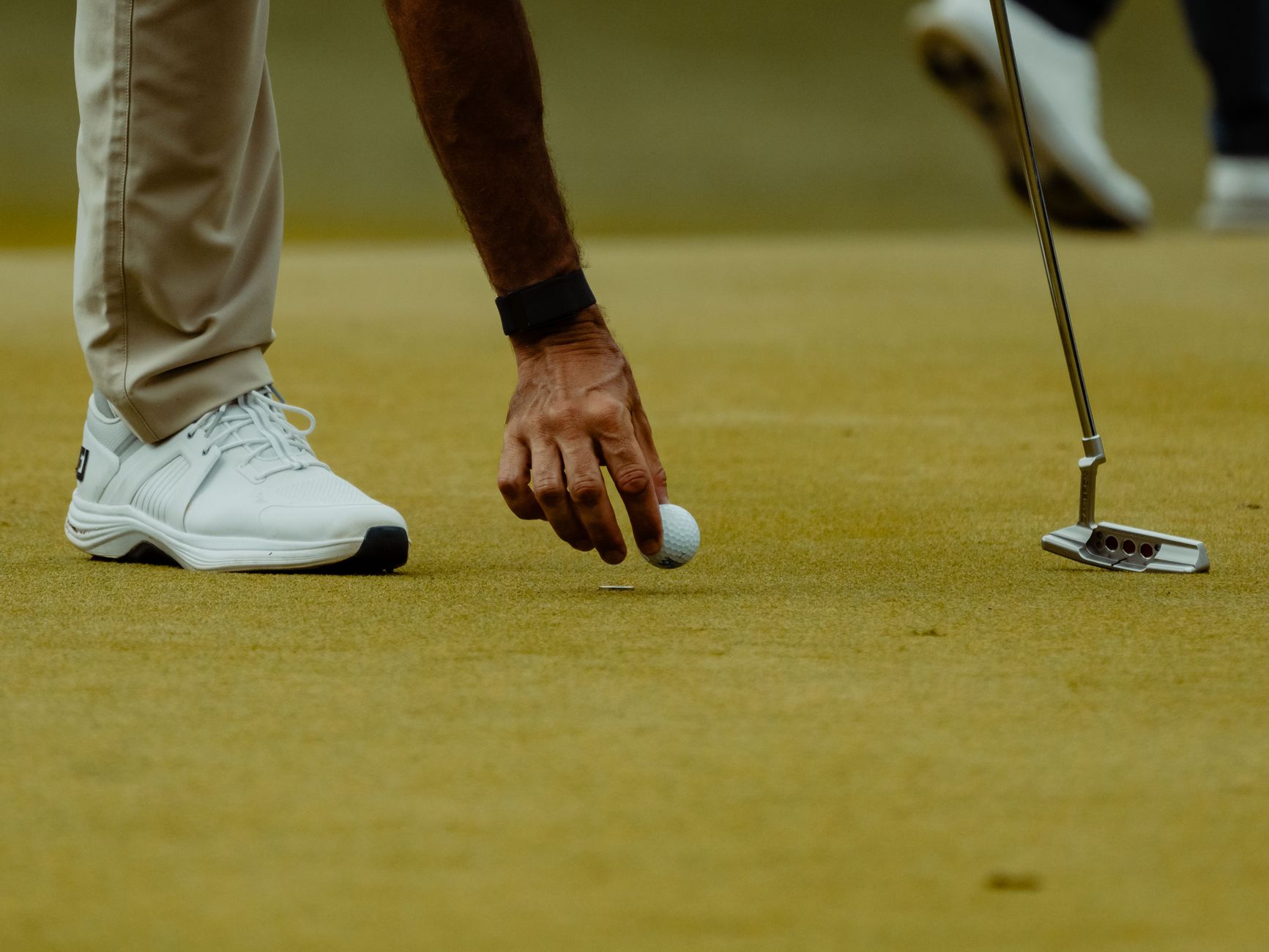
The fitting conversation has matured significantly on Tour. Modern PGA Tour caddies and putting coaches now track metrics like gate-to-gate roll consistency, launch angle off the face, and skid distance before true roll begins. These are precision variables — and they are all influenced by how well the putter is matched to its operator.
For the serious amateur playing competitive club golf, a putter fitting session offers perhaps the highest return on investment of any equipment decision you will make this season. Here is what that process actually addresses.
Stroke Arc: The Foundation of Every Fitting
Before any hardware conversation begins, a competent fitter will assess your stroke arc. Strokes range from straight-back-straight-through (SBST) to a pronounced arc — and this single variable dictates whether you should be fitted into a face-balanced putter or a toe-weighted design. Getting this wrong creates a systematic miss that no amount of practice will correct.
A moderate-to-strong arc player rolling a face-balanced mallet will constantly fight the face staying open through impact, producing consistent right misses for a right-handed golfer. Conversely, a SBST stroke using a high toe-hang blade will produce an overactive rotation and pulls. The putter head must complement the stroke's natural tendency — not fight it.
- SBST strokes: Face-balanced mallets or high-MOI designs work best
- Mild arc strokes: Mid toe-hang putters (approximately 30–45 degrees of hang) are optimal
- Strong arc strokes: Full toe-hang traditional blades allow natural face rotation
- Belly or counterbalanced setups can moderate arc tendencies in certain stroke types
Length and Lie Angle: The Silent Saboteurs
Off-the-rack putters are typically manufactured at 34 or 35 inches — a compromise length that fits very few golfers precisely. A putter that is too long forces the hands too high, altering the natural lie angle at address and pushing the toe into the air. The result is a heel-dominant strike and a face that opens relative to the path through impact.
Lie angle is closely tied to posture and how a golfer sets up to the ball. When the lie angle is incorrect, the visual feedback at address is misleading — the face appears square when it is not, and the brain makes constant subconscious compensations. A properly fitted length-and-lie combination allows the sole to sit flush at address, the eyes to position directly over or just inside the ball, and the stroke to flow without manipulation.
Most fitters will position you in your natural putting stance and measure the distance from your wrist hinge point to the ground. This, combined with your arm hang and elbow position, produces the correct length — which for many club golfers falls between 32 and 34 inches, not the off-the-shelf standard.
Face Technology and Roll Quality
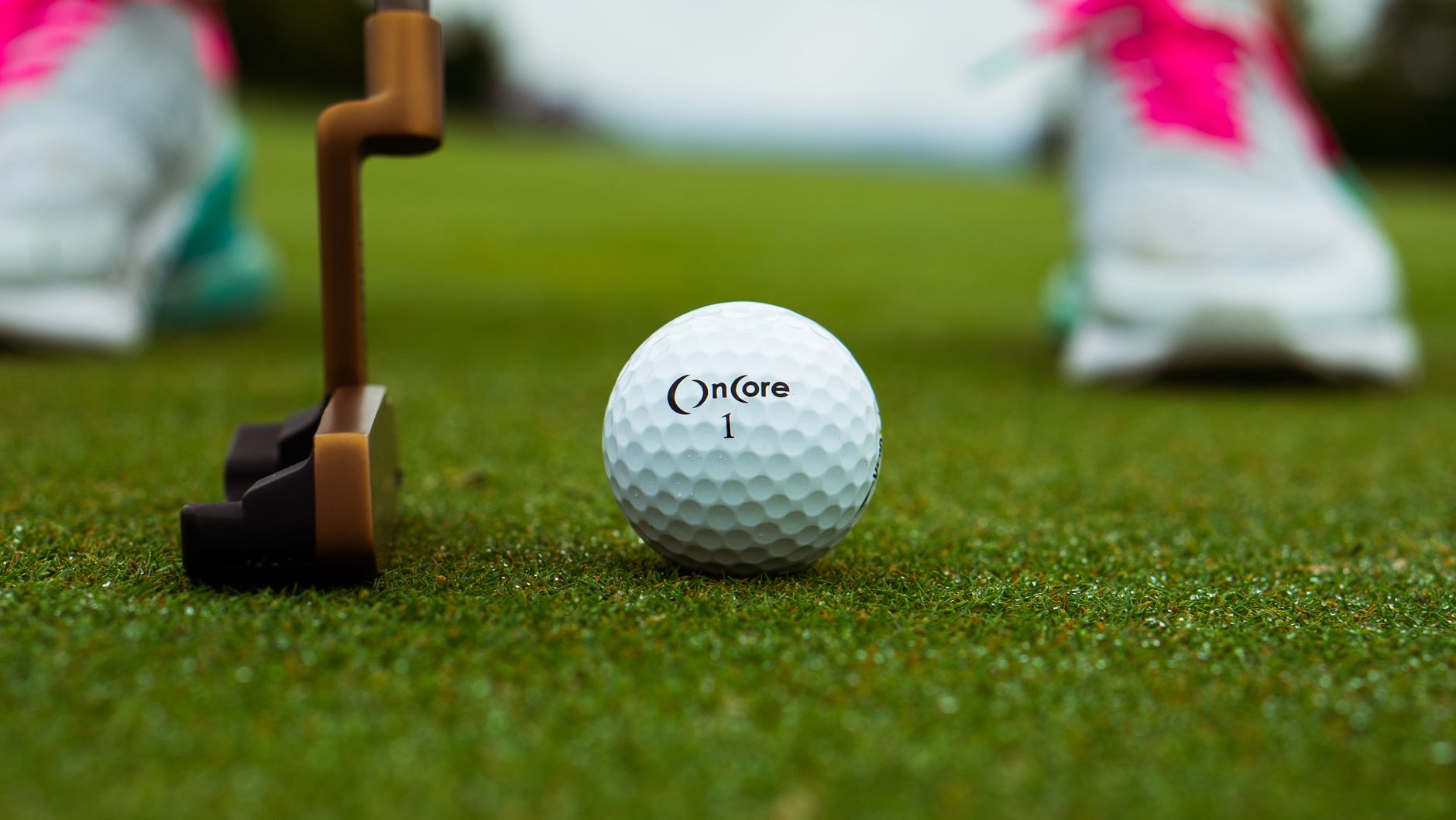
The face insert — or lack thereof — is where ball technology intersects directly with putter performance. Milled aluminum, soft carbon steel, elastomer inserts, and grooved face patterns all influence the initial launch conditions of the ball. A premium face paired with the wrong compression ball can introduce skid and hop that adds inches of inconsistency to your roll distance.
This is precisely where your ball choice becomes part of the fitting equation. High-density amorphous metal golf balls like those in the Attomax lineup — available in Soft, Medium, and Hard compression variants — interact differently with various face materials. A firmer Attomax Hard ball rolling off a milled steel face produces a crisper, more responsive feel that many stronger-stroked players prefer on quick, links-style surfaces. A softer Attomax Soft compression paired with an elastomer insert can generate that buttery dampened feel ideal for slower, receptive greens. Matching your ball compression to your putter face is a detail that separates a good fitting from a great one.
Loft: The Most Misunderstood Variable
Standard putters are built with approximately three to four degrees of loft — and for good reason. At the moment of impact, the ball is sitting in a slight depression created by its own weight in the turf. A small amount of positive loft lifts the ball out of that depression before allowing it to settle into true end-over-end roll. Too little loft and the ball is driven into the ground, creating bounce. Too much loft and the ball skips before it rolls.
However, a golfer who uses significant forward shaft lean at impact can effectively de-loft the putter below zero degrees, creating that negative-loft bounce problem regardless of what the spec sheet says. A fitter using launch monitors — SAM PuttLab, Quintic Ball Roll, or similar systems — will measure your effective loft at impact rather than relying on factory specifications alone.
The best putter in the world won't save you if the loft, lie, and length aren't matched to how you actually set up and move. Fitting removes the compromises built into off-the-shelf equipment.
— Putter fitting principle widely cited among PGA-certified club fitters
Head Design: Blade vs. Mallet and the MOI Factor
The blade versus mallet debate is often treated as aesthetic preference, but it has genuine performance implications. High-MOI mallet designs resist twisting on off-center strikes more effectively than traditional blades. For a golfer whose strike pattern — as measured on impact tape or foot powder spray — tends to wander across the face, a high-MOI mallet can effectively tighten dispersion without any change in stroke mechanics.
That said, a blade rewards precision and can provide sharper feedback for golfers who consistently strike near the sweet spot. The fitting process should include an honest audit of your strike pattern. If your mishit tendencies are real and repeating, a forgiveness-oriented design earns its place in the bag on merit — not marketing.
- Get your stroke arc assessed with high-speed video or a fitting track before selecting head style
- Measure effective loft at impact — not just spec loft — using a launch monitor
- Verify lie angle with the sole flush at address in your natural posture
- Audit your strike pattern on the face with impact tape across at least 20 putts
- Match your ball compression to your putter face material for consistent roll quality
The Fitting Session: What to Expect
A quality putter fitting session typically runs 60 to 90 minutes and should include a baseline assessment of your current setup, stroke analysis, and a structured test of multiple head designs, lengths, and lie angles under real putting conditions. Insist on a fitter who uses technology to measure data — not one who simply watches you putt and offers an opinion.
The output should be a written specification: head style, stroke arc category, recommended length, lie angle, loft setting, and a ball compression recommendation. That specification travels with you for any future putter purchase or adjustment — it is as valuable as the putter itself.
The short game is where handicaps live and die, and the putter is at the center of it. Investing in a proper fitting session is not an indulgence — it is the most rational equipment decision a competitive golfer can make. The variables are real, the technology to measure them is accessible, and the scoring improvement that follows is immediate and repeatable.
Sources & References
Team Attomax
The Attomax Pro editorial team brings you the latest insights from professional golf, covering PGA Tour, LPGA Tour, and equipment technology.