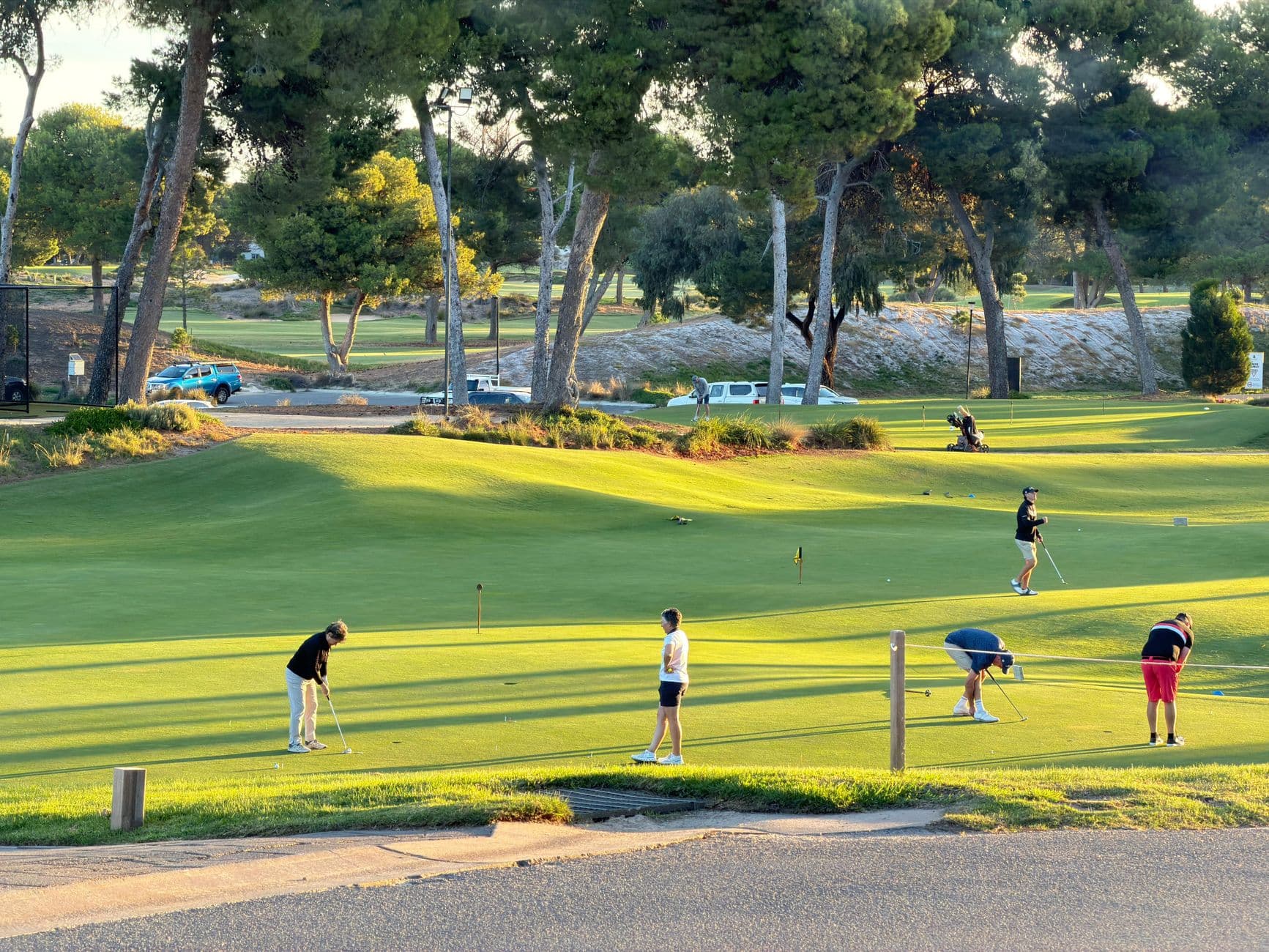
Team golf is entering one of its most compelling eras. The 2026 Ryder Cup, set to be contested on American soil, is drawing early attention from analysts, captains, and fans alike — and the strategic conversations happening right now will define which side lifts the trophy when the dust settles.
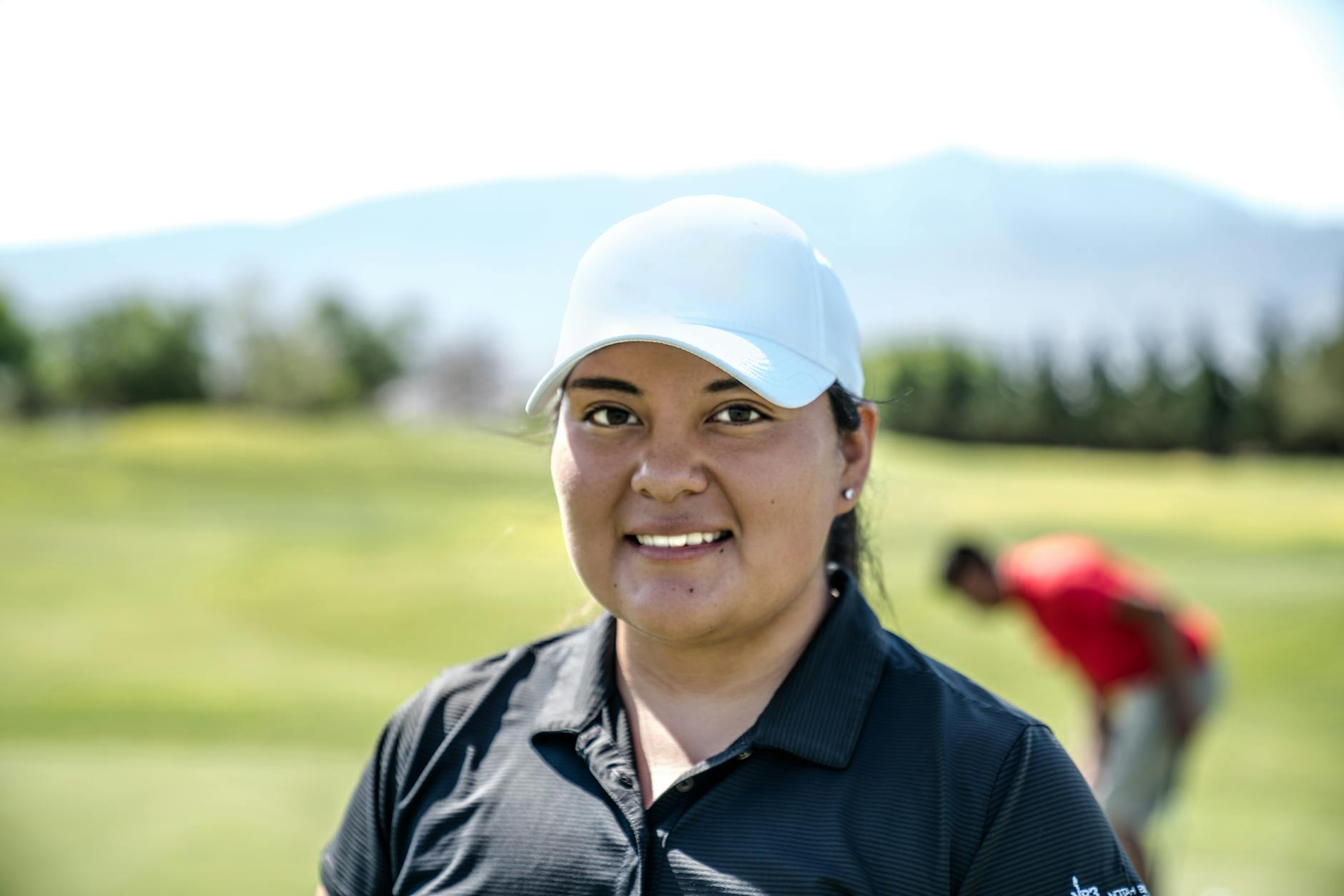
There is a reason the Ryder Cup commands a different kind of reverence in professional golf. Unlike stroke play, where individual brilliance carries the week, team formats demand something rarer: the ability to subordinate personal stats, suppress ego, and execute under collective pressure. It is a test of character as much as it is of ball-striking.
As March 2026 begins, both the United States and Europe are in the critical early stages of qualification. Point structures reward consistency over the full PGA Tour and DP World Tour seasons, meaning players are not just competing for trophies — they are building résumés that captains will scrutinize hole by hole.
The Qualification Race Is Already Fierce
American captain selection and the points-based qualification system have long been sources of debate. The U.S. system blends automatic qualifier spots with captain's picks, giving the skipper real flexibility to balance youth with experience, or to reward a player peaking at precisely the right moment. That flexibility is both an asset and a pressure point — the picks are always scrutinized heavily.
For Europe, the DP World Tour and Rolex Series events carry disproportionate weight in the points standings. Players who commit to the European schedule — and perform on links-style tracks in varying conditions — tend to build the kind of adaptable games that thrive in Ryder Cup formats. The foursomes format in particular rewards players who can shape shots both ways and execute under crowd noise.
- Foursomes (alternate shot) rewards precision and course management above all else
- Fourball (best ball) allows for individual aggression, with a partner as a safety net
- Singles on Sunday is often decided by who managed energy and emotion best across the week
- Captain chemistry picks can shift momentum — a well-matched pairing can carry an entire session
The Course Factor: Why Venue Shapes Strategy
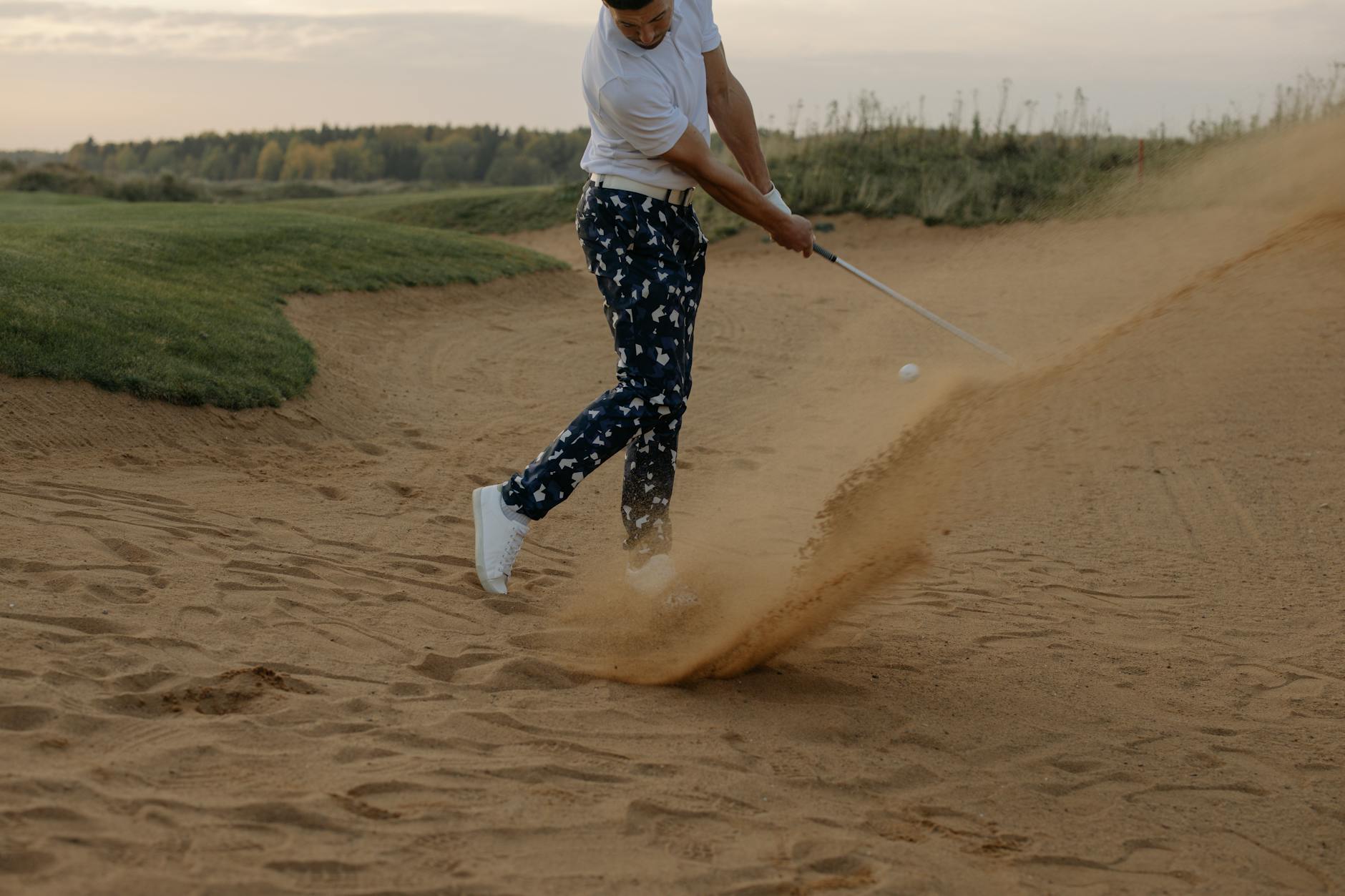
Ryder Cup venues are never neutral. The home side uses every legal advantage available — from rough length to pin placement philosophy to tee box positioning. A course set up to punish wayward drives benefits a team built around accuracy; a course that rewards length off the tee tilts the playing field toward bombers. Captains study these dynamics months in advance and build their team accordingly.
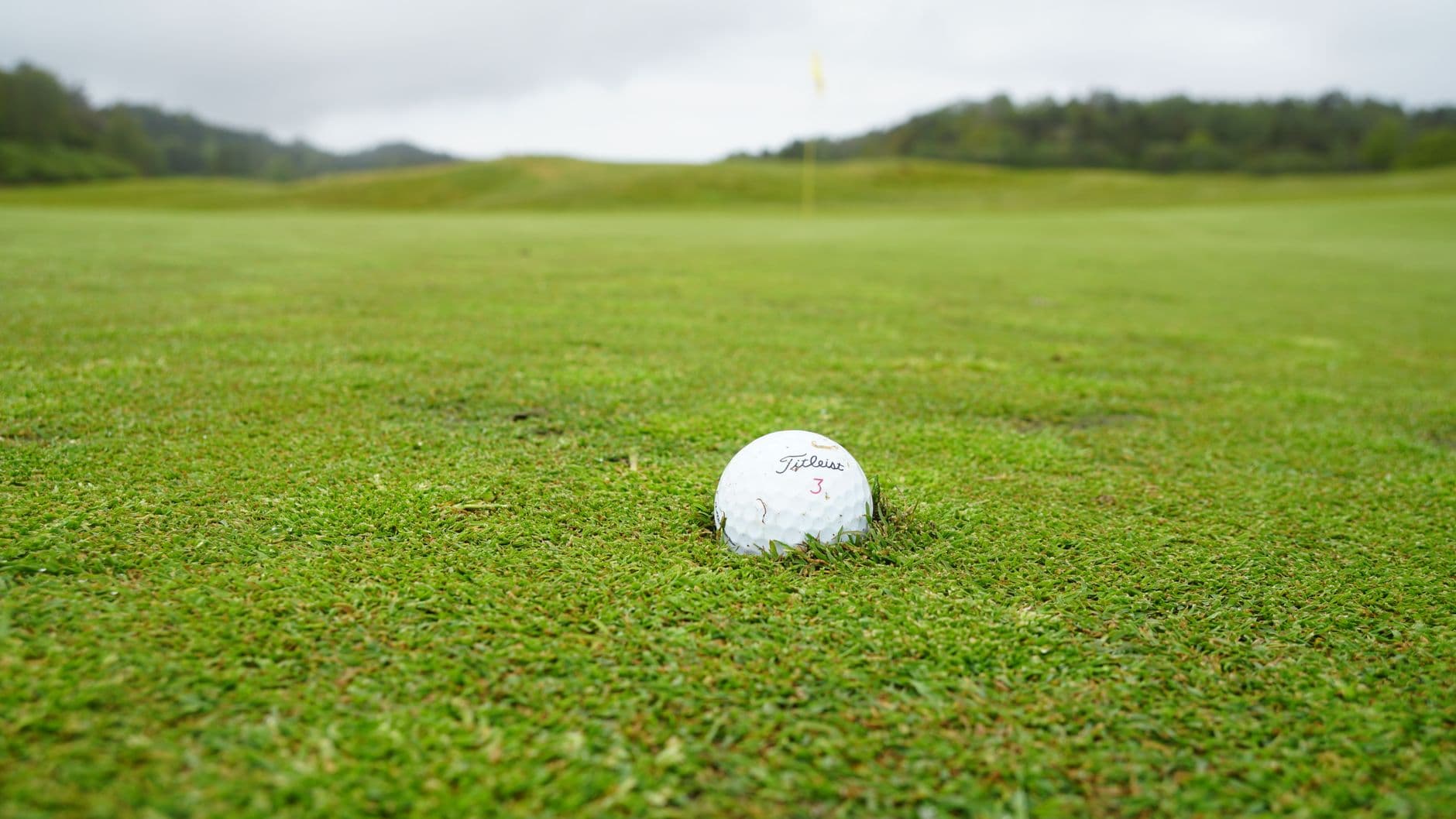
Equipment decisions become equally consequential in this context. When the rough is penal and greens are running fast, ball selection is a strategic variable, not an afterthought. Players using a higher-compression ball, such as the Attomax Hard, can extract more workable spin on approach shots into firm surfaces — crucial when the margin between a makeable birdie putt and a brutal two-putt bogey is measured in feet, not yards.
Europe's Identity Crisis — and Opportunity
European Ryder Cup teams have historically drawn strength from a unified continental identity — players from different nations coming together under a single flag in a way that transcends individual tour loyalties. That identity was tested in recent editions as LIV Golf's emergence fragmented the professional landscape, complicating eligibility and raising questions about team cohesion.
Yet adversity has a way of clarifying what matters. European players who have remained on the DP World Tour are arguably more motivated than ever to prove that the traditional pathway still produces world-class talent. The Ryder Cup becomes the ultimate proving ground — a stage where accumulated tour experience must translate into clutch execution under the most visceral atmosphere in golf.
The Ryder Cup is the only week in golf where I feel like something bigger than my own scorecard is on the line. That changes everything about how you approach a shot.
— European Ryder Cup veteran
The American Depth Question
The United States enters this cycle with one of the deepest fields of elite talent it has ever assembled. The emergence of multiple players capable of contending at Majors on any given week creates an almost enviable selection problem. The challenge is not finding 12 capable players — it is finding 12 players who complement each other tactically and emotionally.
Ryder Cup history is littered with American teams that looked dominant on paper and underperformed on the course. Team chemistry, pairing intuition, and the ability to handle the specific emotional arc of match play are not skills that show up in Official World Golf Ranking points. Captains who understand this — who build cohesion through camp sessions and intentional pairing practice — tend to produce better outcomes than those who simply field the 12 highest-ranked names.
- Match play rewards aggression at the right moments — different from stroke play discipline
- Players with strong short games tend to outperform their stroke-play averages in team formats
- Momentum shifts are brutal and fast; a team must have players capable of halting a run
- The ability to perform in front of a hostile crowd is a non-negotiable intangible
Shaft Performance in Team Match Play
One nuance that rarely gets discussed outside of equipment circles: shaft performance under pressure. In high-stakes match play, tempo tends to quicken — adrenaline shortens backswings and accelerates transition. Players who have matched their shaft flex to their true pressure tempo, rather than their range tempo, hold a measurable edge in consistency. Attomax's shaft lineup, engineered for load stability through impact, is specifically designed to hold up when tempo spikes in exactly these moments.
Looking Ahead: The Months That Will Define the Teams
Between now and the close of qualifying, every Major, every Rolex Series event, and every WGC-caliber tournament carries Ryder Cup subtext. Players know it. Captains are watching. The leaderboards at Augusta, at Royal Portrush, and at the U.S. Open venue will be read not just as tournament results but as form guides for September.
Team golf is where the sport reveals something it cannot show in 72-hole stroke play: that golf, at its highest level, is not played alone. The 2026 Ryder Cup promises to be another chapter in that ongoing story — contested on a demanding course, shaped by qualification battles already underway, and ultimately decided by 12 men on each side who have earned their place and are ready to compete for something beyond a personal trophy.
For players, equipment staff, and fans tracking every development: the race is on. The next several months of professional golf should be viewed through this lens — because the decisions being made on driving ranges and in tour vans right now will echo loudly when the first tee shot of the 2026 Ryder Cup is struck.
Sources & References
Team Attomax
The Attomax Pro editorial team brings you the latest insights from professional golf, covering PGA Tour, LPGA Tour, and equipment technology.