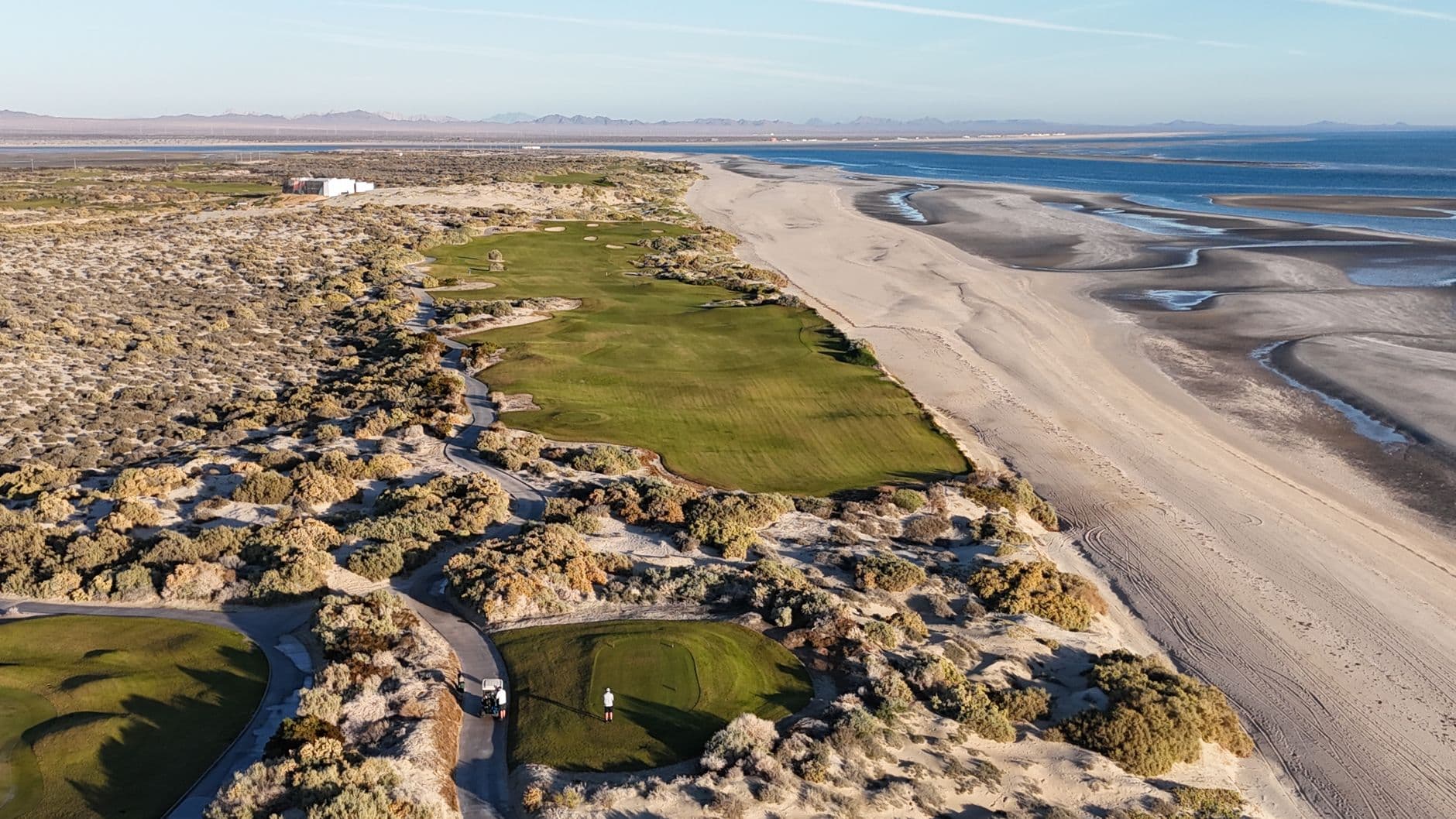
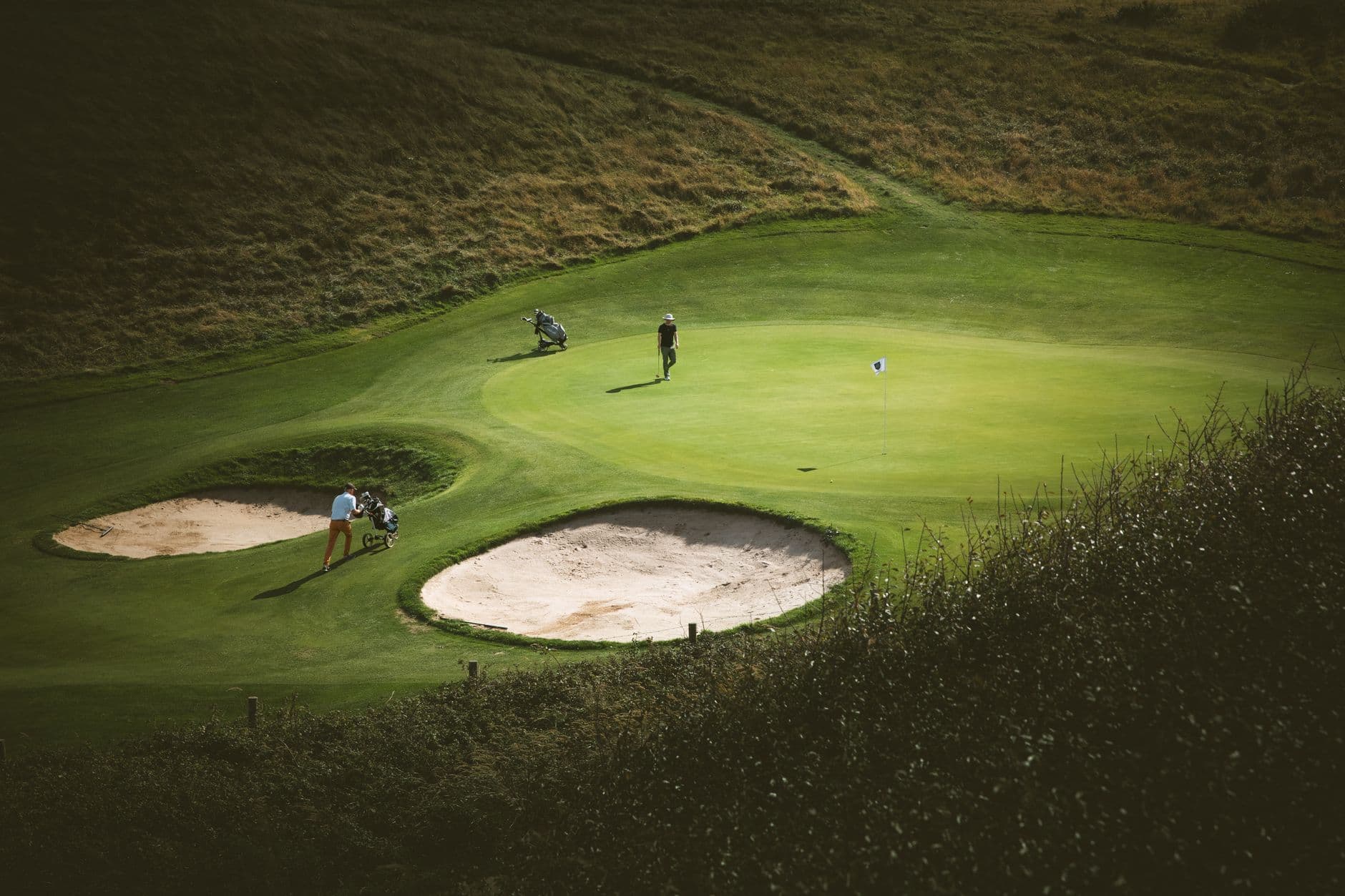
There exists no pilgrimage quite like the one a serious golfer makes to Scotland. Standing on the first tee at St Andrews, with the R&A clubhouse at your back and centuries of history stretching before you, you understand viscerally that this is where everything began. The Old Course isn't merely a venue—it's the cathedral where golf's liturgy was written.
Links golf predates manicured parkland layouts by centuries. These coastal courses emerged organically from the 'links land'—the sandy, wind-battered terrain connecting arable farmland to the sea. Early Scottish shepherds and fishermen discovered that this seemingly barren ground, with its natural undulations and firm turf, provided ideal conditions for striking a ball toward a distant target.
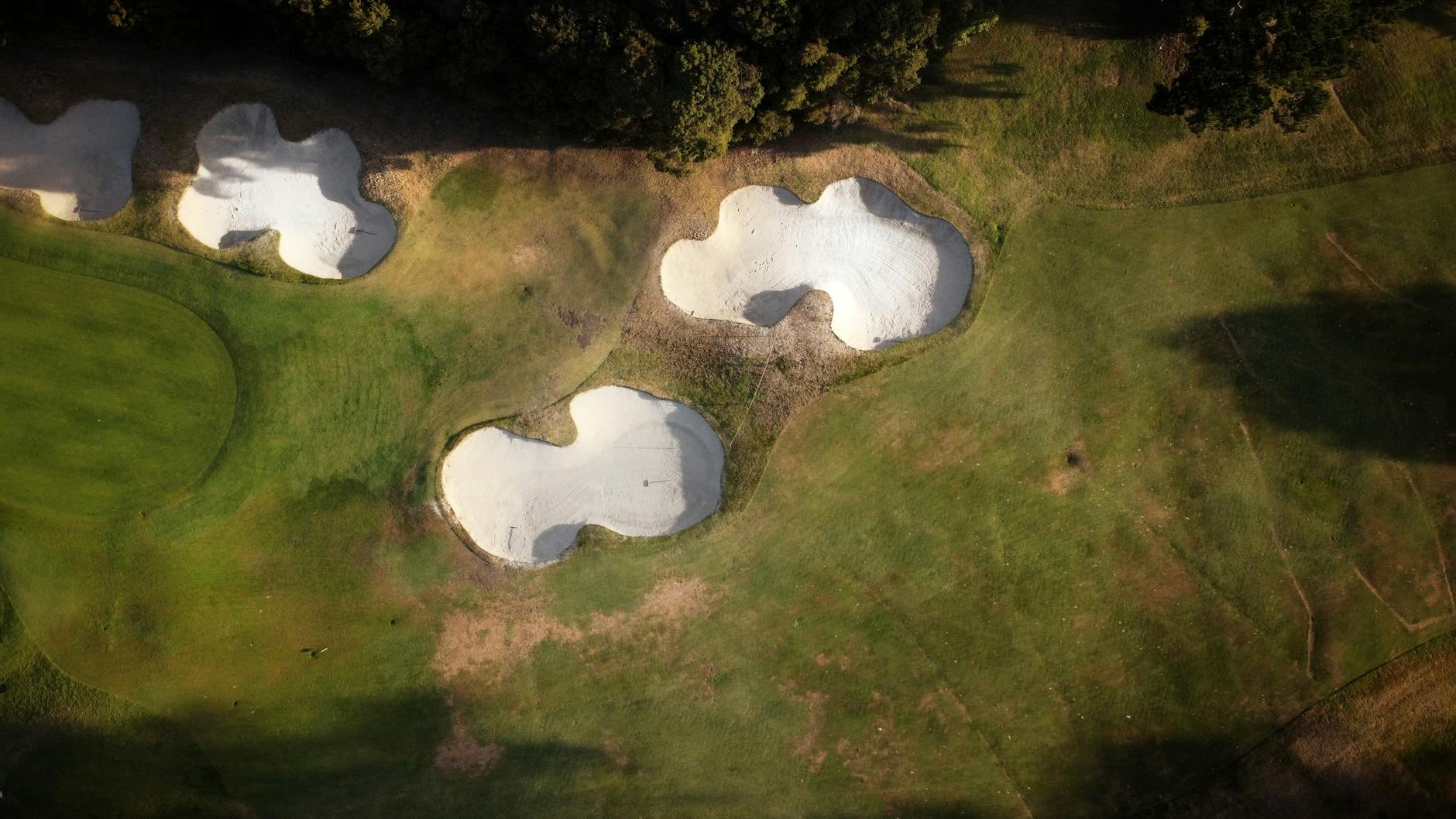
The term 'links' itself derives from the Old English 'hlinc,' meaning rising ground or ridge. Understanding this etymology helps explain why true links courses share distinctive characteristics: firm, fast-running fairways; deep pot bunkers filled with faces of stacked sod; fescue grasses that turn golden in summer; and an ever-present wind that transforms shot-making into a chess match against nature.
St Andrews: Where Tradition Meets Timelessness
The Old Course at St Andrews holds a position in golf that no other venue can claim. Golf has been played on this stretch of Fife coastline since at least the 15th century, with written records dating to 1552. The course's quirks—the shared double greens, the infamous Road Hole bunker, the Swilcan Bridge—weren't designed so much as discovered over generations of play.
What strikes the experienced golfer most about St Andrews isn't its difficulty on a calm day—it's the infinite variety of approaches each hole permits. The wide fairways invite creativity rather than constraint. A single hole might play as a gentle par four in still conditions, then transform into a brutish test when the wind swings round.
- The Old Course features 112 bunkers, many invisible from the tee
- Seven enormous double greens serve 14 holes
- The 17th 'Road Hole' is considered among the most difficult par fours in championship golf
- Play traditionally proceeds counterclockwise, though clockwise routing occurs periodically
The Championship Rota: Scotland's Open Venues
The Open Championship's Scottish venues represent links golf at its most demanding. Royal Troon, Carnoustie, Muirfield, and Turnberry each present distinct challenges that separate genuine ball-strikers from those who merely survive on calmer tracks.
Carnoustie has earned its 'Car-nasty' nickname through genuine brutality. The closing stretch—particularly the Barry Burn's serpentine path through the final holes—has destroyed championship hopes for generations of elite players. The course demands precision from tee to green, with recovery options often limited to damage control.
Links golf is not about overpowering a course. It's about reading the land, respecting the wind, and accepting that some days the course simply wins.
— Traditional Scottish Golf Wisdom
Muirfield, home to the Honourable Company of Edinburgh Golfers, offers a more structured examination. Its clockwise-then-counterclockwise routing means the wind shifts constantly throughout the round. The bunkering is severe but visible, rewarding those who plot their way around rather than simply firing at flags.
Strategy Over Power: The Links Mindset
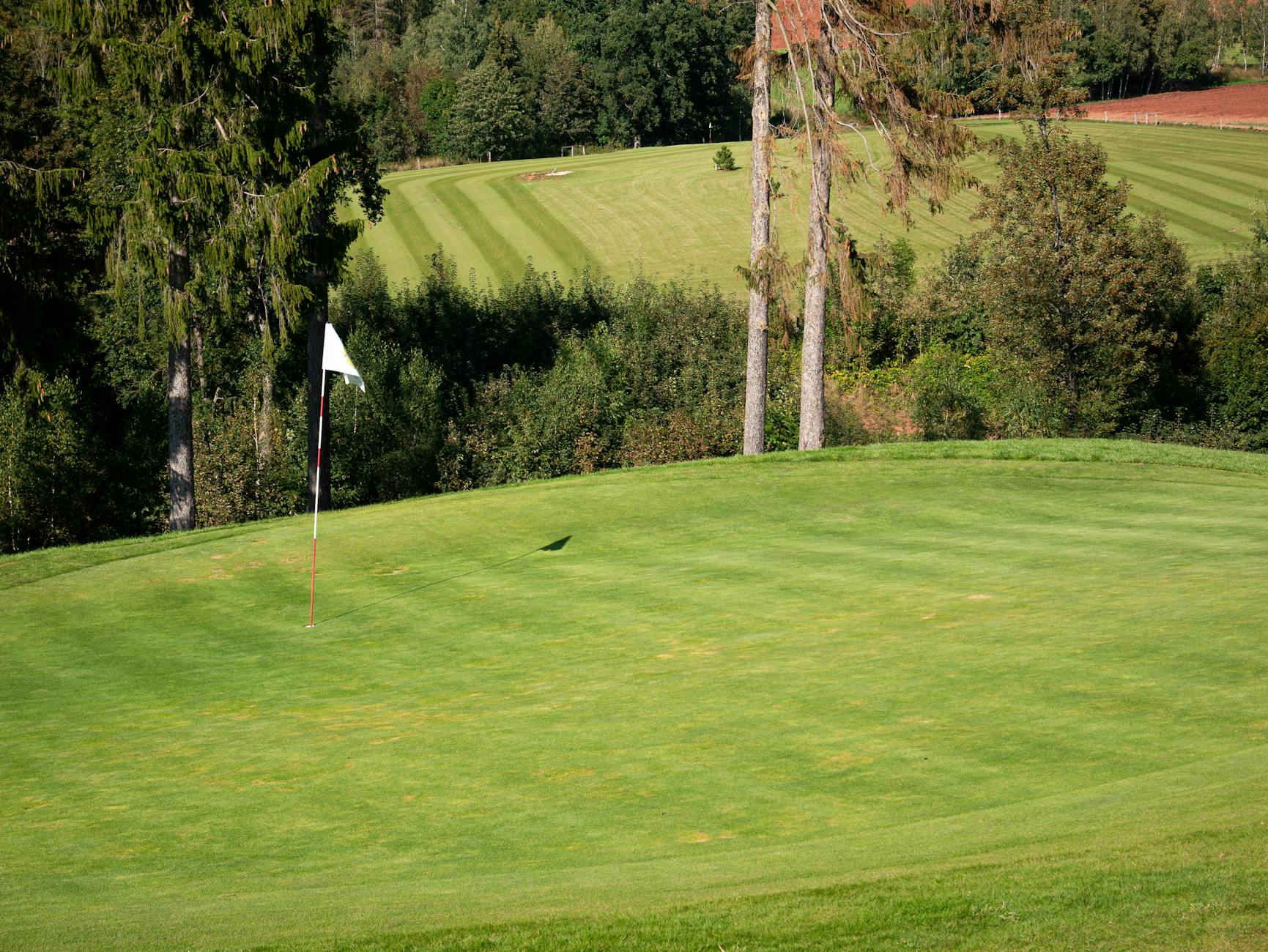
Playing links golf requires a fundamental recalibration of approach. The aerial game that dominates modern parkland courses becomes secondary to ground-game creativity. Bump-and-run approaches, low punch shots under the wind, and creative use of slopes around greens become essential tools.
Wind reading separates competent links players from those who struggle. A 15-mph breeze at sea level behaves differently than the same wind inland. The firm, exposed terrain offers no shelter, and gusts can arrive without warning. Experienced links golfers learn to flight the ball lower, accepting reduced carry distance in exchange for control.
Equipment Considerations for Links Conditions
Ball selection matters enormously in links conditions. A ball that performs admirably in still air may balloon uncontrollably when the wind rises. Golfers seeking consistency in Scottish conditions often gravitate toward designs offering penetrating flight characteristics and reliable spin control around firm, fast greens.
The Attomax High-Density range addresses these demands directly. The amorphous metal core technology provides exceptional wind stability without sacrificing feel on and around the green—precisely the combination links golf demands. The Medium compression option suits most players facing variable conditions.
- Assess wind direction and strength before selecting club and shot shape
- Consider ground conditions—firm links turf adds significant roll
- Favor the front of greens; back pins become accessible only in calm conditions
- Accept that pars are valuable and bogeys aren't disasters in difficult winds
Beyond the Championship Venues
Scotland's links treasures extend far beyond the Open rota. Courses like North Berwick, with its quirky Redan hole that inspired countless imitations worldwide, or Cruden Bay, where dramatic dunes create a almost dreamlike routing, deserve attention from serious golfers. Royal Dornoch, frequently ranked among the world's finest courses, sits in the Scottish Highlands—proof that great links golf extends beyond the central belt.
These courses often provide experiences equal to or surpassing their more famous neighbors. The Machrihanish opening tee shot—directly over the beach along the Atlantic—rivals any in golf. Prestwick, the original Open venue, retains a wild, untamed character that modern championship sites have smoothed away.
Planning Your Links Pilgrimage
Visiting Scotland's links courses requires strategic planning. Weather remains unpredictable year-round, though late spring and early autumn typically offer the most playable conditions. Summer brings longer daylight hours but also peak visitor traffic and premium green fees.
The Old Course at St Andrews operates a daily ballot system for visitor access, adding an element of chance to any itinerary. Entering the ballot multiple days in advance increases your odds, though guaranteed tee times can be secured through authorized tour operators at premium rates.
Whether you draw the Old Course in the ballot or spend your week exploring hidden gems along the coast, Scottish links golf delivers something no other destination can match: the authentic, unchanged essence of the game. Standing on ancient turf, wind in your face, playing shots that golfers have played for five centuries—this is why we fell in love with golf in the first place.
Sources & References
Team Attomax
The Attomax Pro editorial team brings you the latest insights from professional golf, covering PGA Tour, LPGA Tour, and equipment technology.