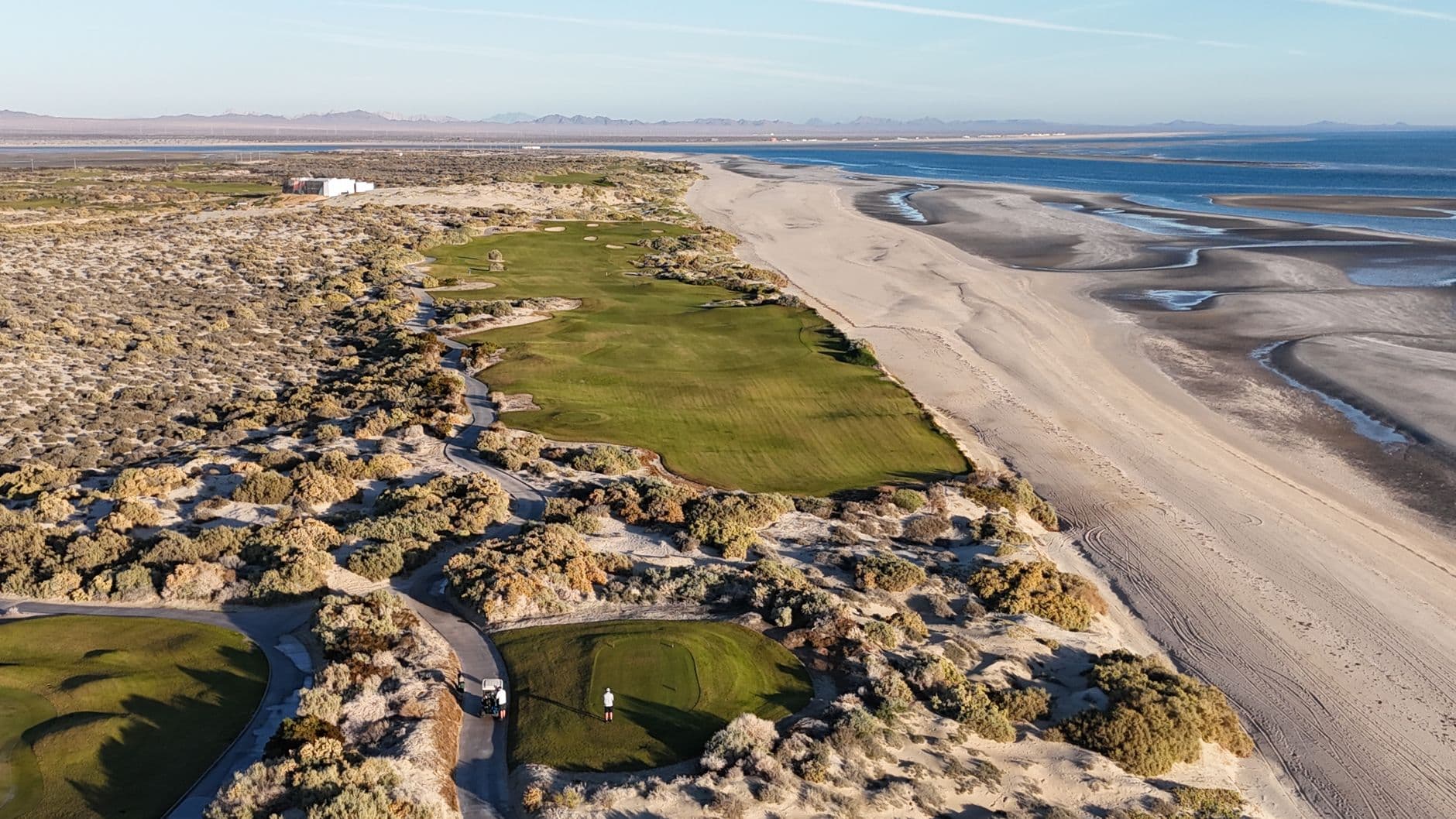
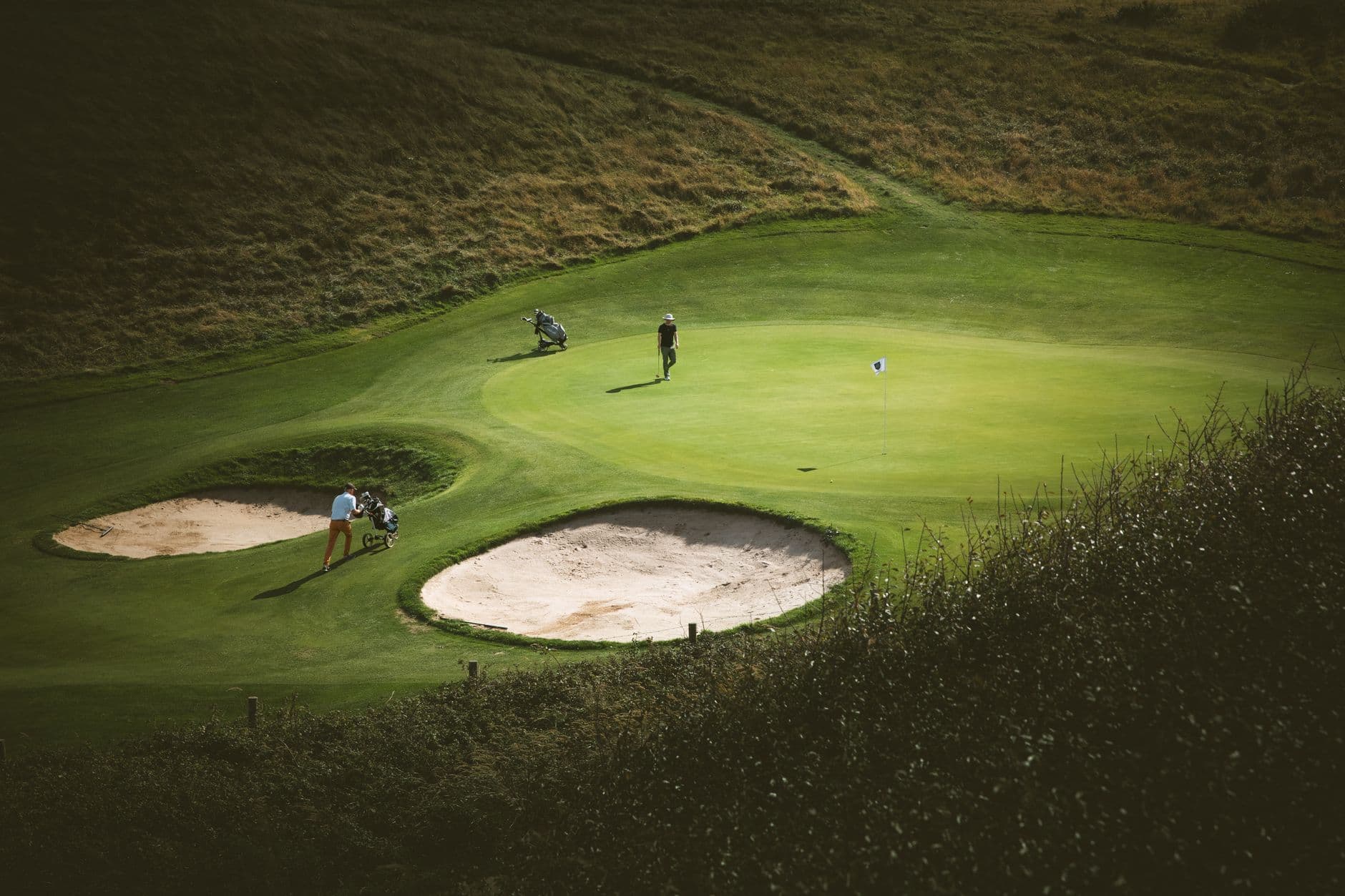
There exists no pilgrimage more sacred in golf than standing on the first tee of a Scottish links course, feeling the North Sea wind cut through your layers, and understanding—perhaps for the first time—why this ancient game has endured for over six centuries. Scotland didn't merely invent golf; it created an ecosystem where the sport and landscape became inseparable, where success demands imagination, adaptability, and respect for conditions that change by the minute.

The word 'links' derives from the Old English 'hlinc,' meaning rising ground or ridge—the sandy, undulating terrain connecting arable farmland to the sea. This coastal strip, deemed unsuitable for agriculture, became the cradle of golf precisely because it offered nothing else of commercial value. What emerged was a style of course architecture that remains the sport's gold standard.
The Anatomy of True Links Golf
Understanding links golf requires abandoning nearly everything you know about target golf. The firm, fast fairways reject the high-spinning approach shots that dominate modern American course design. Instead, players must embrace the ground game—running the ball onto greens, using slopes and contours as allies rather than obstacles.
The fescue grasses native to Scottish links create playing surfaces unlike any other. These fine-bladed species drain quickly, promote ball roll, and create lies that reward creativity over brute force. A well-struck bump-and-run from 50 yards often proves more effective than a lofted wedge that the wind can transform into a disaster.
- Firm, fast fairways that reject high-spin approach shots
- Native fescue grasses promoting exceptional ball roll
- Pot bunkers demanding strategic course management
- Wind that shifts constantly, often within a single round
- Undulating greens that require reading multiple breaks
St Andrews: Where History Breathes
The Old Course at St Andrews stands as golf's most revered ground, though first-time visitors often express surprise at its apparent simplicity. There are no dramatic elevation changes, no water hazards in the traditional sense, and fairways so wide they seem almost forgiving. This initial impression couldn't be more deceiving.
The genius of St Andrews lies in its strategic complexity. The double greens, shared by holes playing in opposite directions, create pin positions that transform scoring opportunities into survival tests. The Road Hole—the 17th—has destroyed more championship hopes than any hole in golf, its narrow green flanked by a notorious pot bunker and the stone wall along the road.
Every golfer should play St Andrews at least once in their lifetime. It's not just a course; it's where the game's soul resides.
— Jack Nicklaus
Wind: The Invisible Architect
Scottish links courses feature a design element no architect can control: wind. Prevailing westerlies off the Atlantic can transform a 400-yard par four into an unreachable monster in the morning, then render it a driver-wedge affair by afternoon. Championship-caliber players don't merely check the wind direction—they study it constantly, adjusting club selection and shot shape hole by hole.
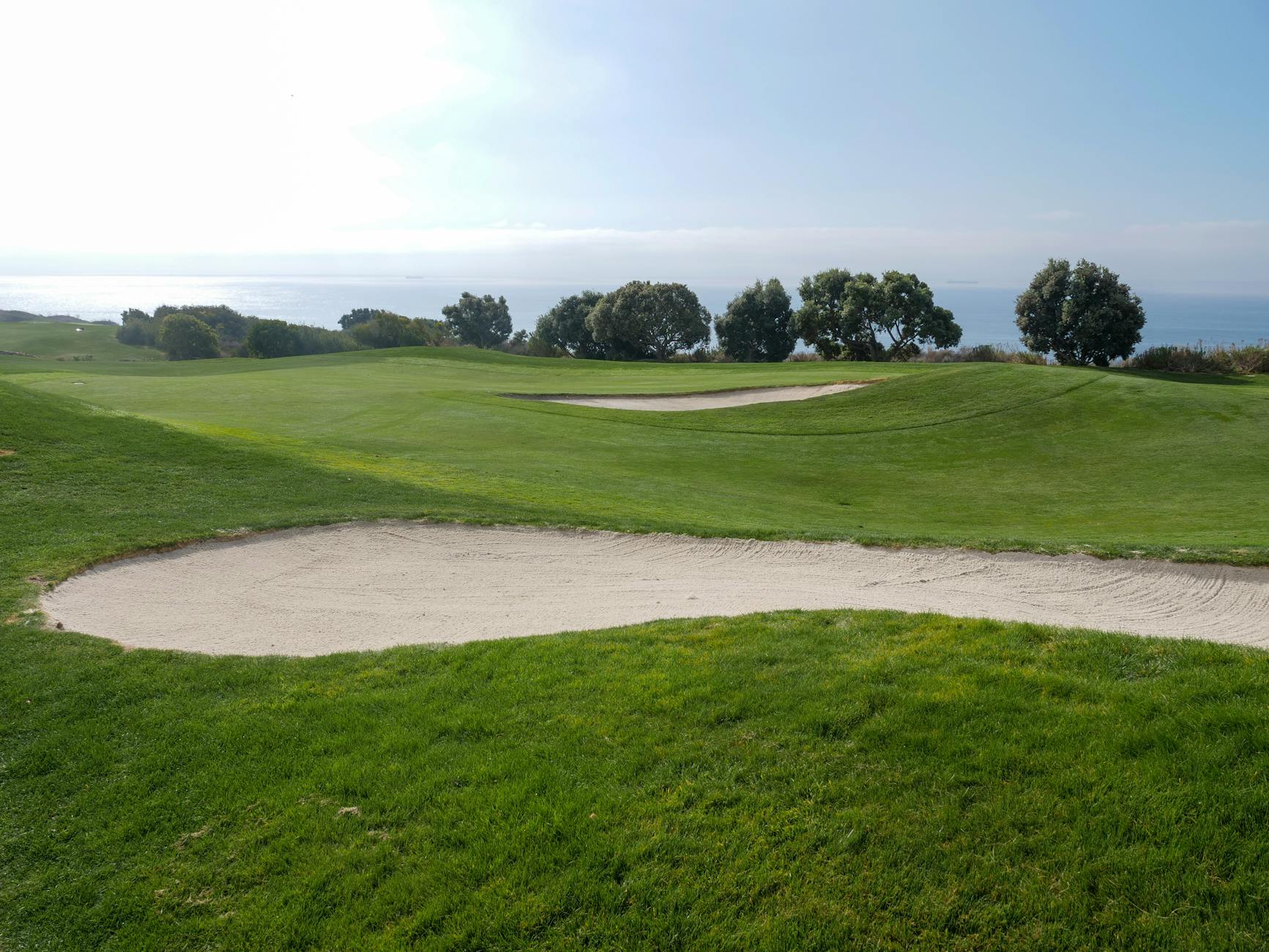
This is where equipment choices become critical. Ball selection on links courses differs fundamentally from parkland play. Players who typically favor softer-feeling balls often switch to options offering greater wind stability and consistent ball flight. The Attomax High-Density range, particularly the Hard compression variant, has gained traction among serious links players specifically for its ability to maintain trajectory in coastal conditions.
The Mental Game of Links Golf
Perhaps no venue demands mental resilience like a Scottish links. Bounces that seem cruel are simply part of the challenge—a perfectly struck approach can kick sideways off a hidden slope, while a mishit might find the putting surface. Accepting this randomness separates those who conquer links golf from those who leave frustrated.
Course management becomes paramount. The adage 'take your medicine' applies doubly when facing pot bunkers with faces higher than your shoulders. Attempting heroic recoveries typically compounds problems; accepting a bogey often proves wiser than risking a triple.
Beyond St Andrews: Scotland's Links Treasures
While the Old Course commands the spotlight, Scotland offers links experiences of equal quality throughout the country. Royal Troon, host of multiple Open Championships, presents perhaps the most demanding back nine in championship golf. Carnoustie, nicknamed 'Carnasty' for its punishing difficulty, rewards only the most precise ball-strikers.
The lesser-known gems deserve equal attention. Cruden Bay, north of Aberdeen, features dramatic dunes and routing that feels almost otherworldly. Royal Dornoch, in the Scottish Highlands, consistently ranks among the world's finest courses despite its remote location. These venues offer tee times more accessible than their famous counterparts, with quality that rivals anything in golf.
- Royal Troon: Site of historic Open Championships with iconic Postage Stamp hole
- Carnoustie: Perhaps Scotland's most demanding links test
- Cruden Bay: Dramatic dunes and quirky, memorable holes
- Royal Dornoch: Highland gem consistently ranked among the world's best
- North Berwick: Historic West Links with unique blind shots and stone walls
Planning Your Links Pilgrimage
Timing matters enormously when planning a Scottish golf trip. Summer offers the longest daylight hours—tee times as late as 8 PM become possible in June—but also the highest green fees and most crowded conditions. Shoulder seasons in May and October provide excellent weather opportunities, reduced rates, and courses playing at their firmest.
Equipment preparation deserves serious consideration. Waterproof gear isn't optional; it's essential even in summer. Windproof jackets that don't restrict the swing, rain gloves, and multiple layering options separate comfortable rounds from miserable ones. Most links courses mandate trolleys rather than riding carts, so comfortable walking shoes rank among your most important gear choices.
The Scottish links experience represents golf in its purest form—a battle between player and nature, where technology and technique must yield to conditions and creativity. Every serious golfer owes themselves this pilgrimage, not merely for the history, but for the profound lessons these ancient grounds continue to teach. Standing on the first tee at St Andrews, you understand that you're not simply playing golf. You're participating in something far more significant.
Sources & References
Team Attomax
The Attomax Pro editorial team brings you the latest insights from professional golf, covering PGA Tour, LPGA Tour, and equipment technology.