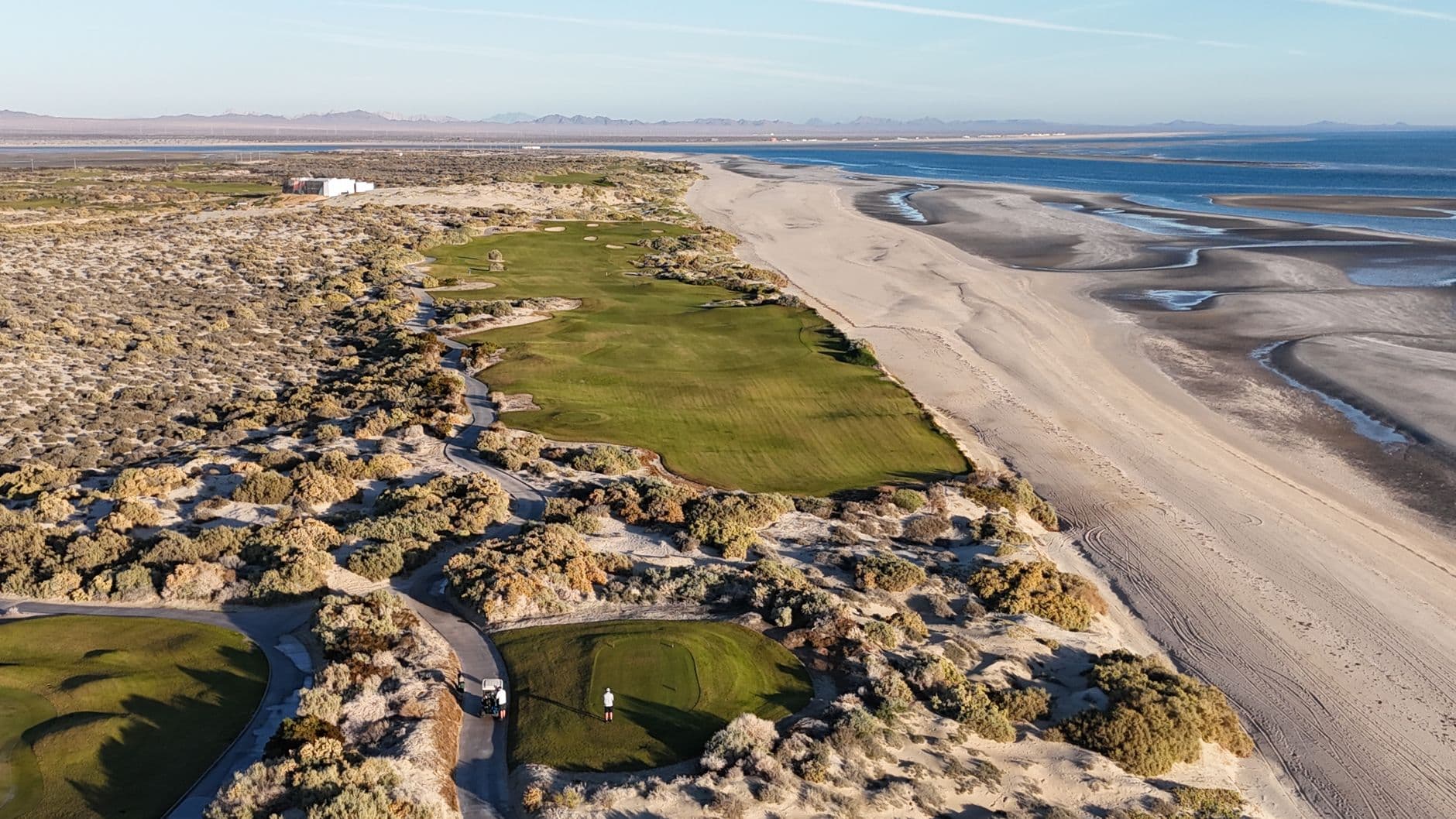
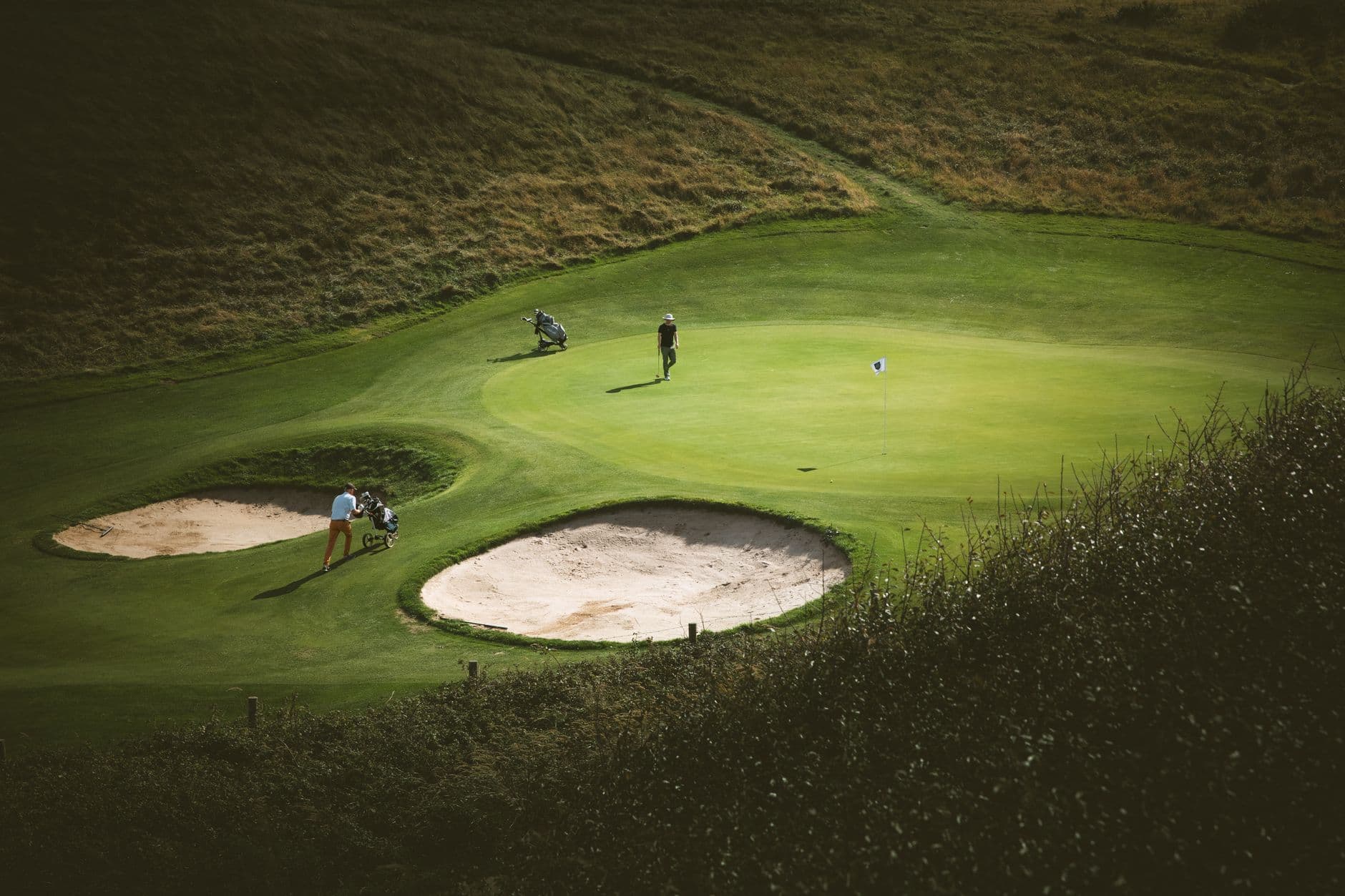
There is no cathedral more sacred to golf than the linksland of Scotland. Long before manicured parkland courses with their predictable lies and sheltered fairways became the norm, golf was forged in the crucible of coastal Scotland—where the North Sea wind howls, where the turf runs firm and fast, and where a perfectly struck shot can be humbled by forces beyond any player's control.
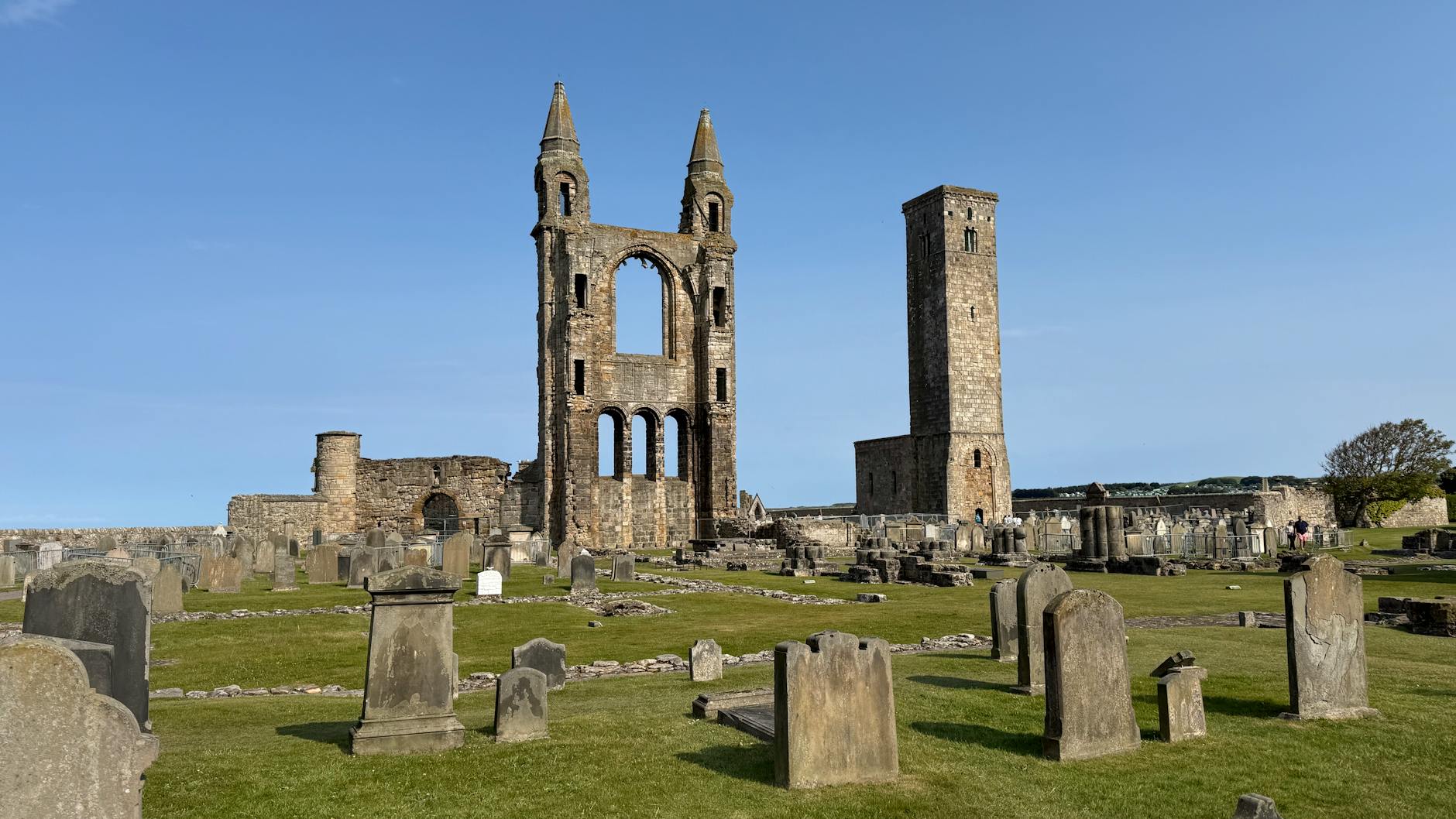
To understand links golf is to understand the origins of the game itself. The word 'links' derives from the Old English 'hlinc,' referring to the undulating sandy ground that connected coastal beaches to more fertile inland areas. These windswept stretches of land, deemed unsuitable for farming, became the natural playgrounds where Scottish shepherds first knocked stones into rabbit holes with their crooks.
Today, Scotland remains home to over 550 golf courses, with the highest concentration of links courses anywhere on the planet. From the ancient grounds of St Andrews to the remote magnificence of Machrihanish, these courses continue to challenge the world's finest players while offering recreational golfers an experience that simply cannot be replicated elsewhere.
The Old Course: Where It All Began
No discussion of Scottish links can begin anywhere but St Andrews. The Old Course has witnessed golf being played for over six centuries, making it not merely the oldest course in continuous use but a living monument to the game's evolution. Walking these fairways is to trace the footsteps of Old Tom Morris, Bobby Jones, Jack Nicklaus, and every great champion who has lifted the Claret Jug.
What strikes first-time visitors is how the Old Course defies modern design conventions. The shared double greens, the hidden pot bunkers with names like Hell Bunker and the Coffins, the out-and-back routing that puts players at the mercy of prevailing winds in both directions—none of this would pass a modern architect's review. Yet therein lies its genius.
St Andrews never looks the same way twice. The wind, the light, the firmness of the turf—every round is a different examination.
— Tom Watson
The course demands creativity over power, imagination over brute force. The optimal line into the green might be over a bunker, a gorse bush, or an entirely different fairway. Miss in the wrong spot, and recovery becomes an exercise in damage limitation rather than birdie pursuit.
Beyond St Andrews: Scotland's Crown Jewels
While the Old Course rightfully claims its throne, Scotland's links portfolio extends far beyond the Kingdom of Fife. Royal Dornoch, nestled in the Scottish Highlands, has been described as the most natural course in the world. Its raised plateau greens, sculpted by centuries of wind erosion, present some of the most demanding approach shots in championship golf.
- Carnoustie: Known as 'Car-nasty' for its brutal finishing stretch, including the infamous Barry Burn
- Muirfield: The refined East Lothian links that has hosted The Open Championship sixteen times
- Royal Troon: Home to the Postage Stamp, arguably the most famous par-3 in golf
- Turnberry: The Ailsa Course's dramatic clifftop holes overlook the iconic lighthouse
- Trump International Aberdeen: Modern links design incorporating massive dunes
Each course presents its own character, its own examination. Carnoustie's final holes have shattered championship dreams with their relentless demand for precision. Muirfield's clockwise-counterclockwise routing means players face the wind from every conceivable angle. Royal Troon's back nine can play two clubs longer than the front when the wind shifts.
The Links Test: Why Equipment Matters
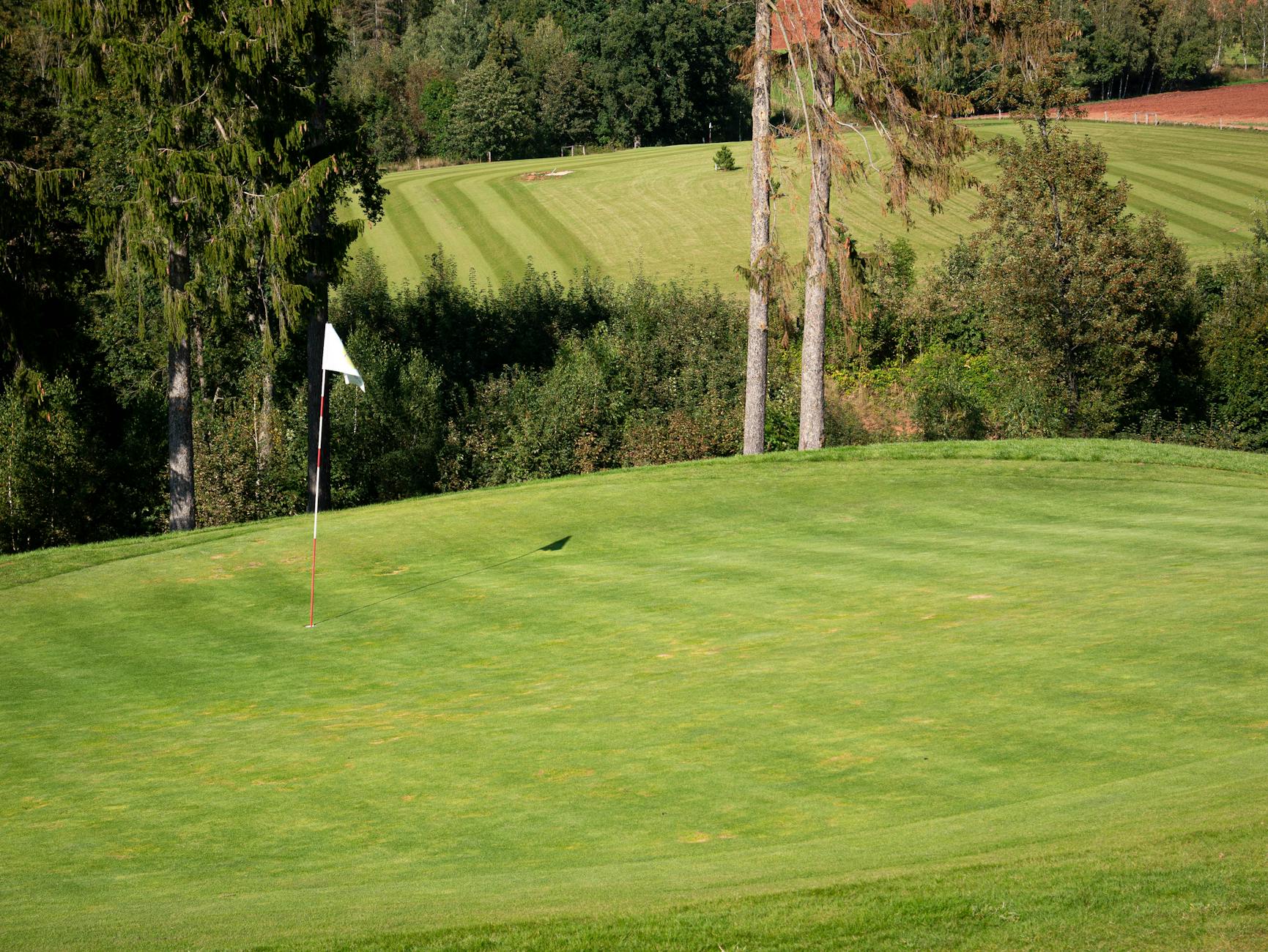
Links golf exposes equipment choices like no other format. The firm, fast-running surfaces reward shots that land short and release toward the target rather than the high, spinning approaches that dominate American-style courses. Wind stability becomes paramount when a three-club crosswind can turn a well-struck iron into a greenside bunker visitor.
This is precisely where ball construction enters the conversation. Traditional high-spinning balls can become uncontrollable in the gusting conditions typical of Scottish coastal weather. The Attomax High-Density range, with its amorphous metal core technology, offers a penetrating ball flight that holds its line through wind while maintaining the feel necessary for the delicate bump-and-run shots that links golf demands.
Shaft selection proves equally critical. The lower, more controlled trajectory required for links play benefits from shafts that promote consistency under pressure. When facing a 180-yard approach into a 25-mph headwind, knowing your equipment will deliver predictable results becomes the difference between par and double bogey.
The Mental Game of Links Golf
Perhaps the greatest lesson links golf teaches is acceptance. The perfect drive that catches a downslope and bounds into a bunker, the approach that lands on the green only to spin back off—these outcomes test a golfer's composure in ways that manicured inland courses cannot.
Course management takes on an entirely different dimension. The wise links golfer aims for the fat of the green, accepts that pars are victories on difficult holes, and understands that the course will occasionally give back what it has taken. Fighting the conditions leads only to frustration and inflated numbers.
Links golf teaches you humility. The course doesn't care about your handicap or your swing speed. The wind is the great equalizer.
— Traditional Scottish saying
Planning Your Scottish Links Pilgrimage
For golfers seeking the ultimate links experience, Scotland offers packages ranging from accessible public courses to exclusive private clubs. The window from May through September provides the longest daylight hours—crucial when rounds can stretch past seven in the evening under the lingering Scottish twilight.
Booking well in advance is essential for the marquee courses. St Andrews Old Course operates a ballot system that accepts entries two days in advance, though demand far exceeds availability. Many visiting golfers opt for package deals that guarantee tee times through relationships with local hotels and tour operators.
Whether you're a single-digit handicapper chasing the ghost of Old Tom Morris or a mid-handicapper seeking to test yourself against golf's original challenge, Scottish links courses offer an experience that transcends the scorecard. This is where the game began, where traditions were established, and where golf remains gloriously, wonderfully difficult.
The birthplace of golf awaits. Pack your waterproofs, check your equipment, and prepare for the examination of a lifetime.
Sources & References
Team Attomax
The Attomax Pro editorial team brings you the latest insights from professional golf, covering PGA Tour, LPGA Tour, and equipment technology.