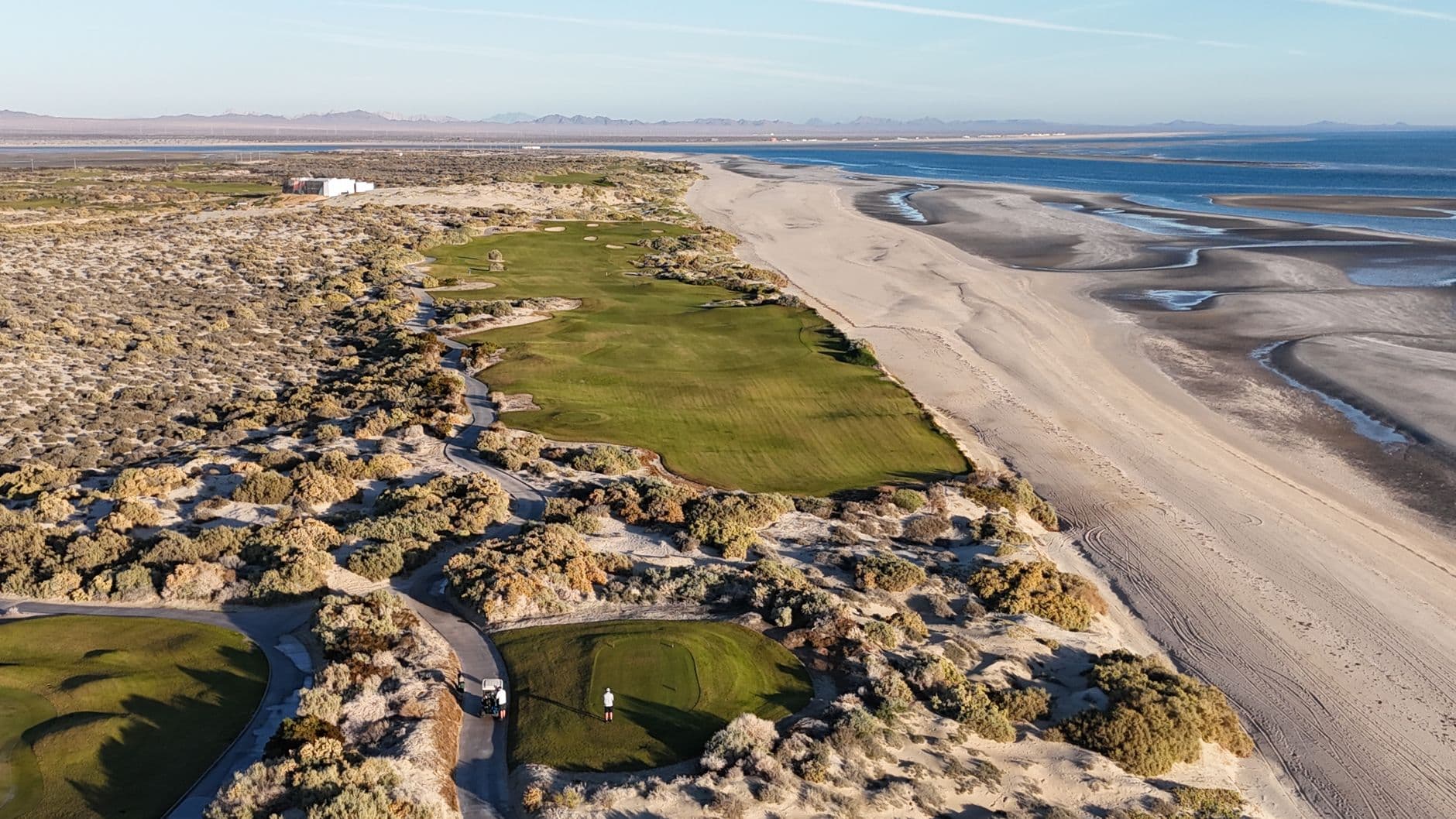
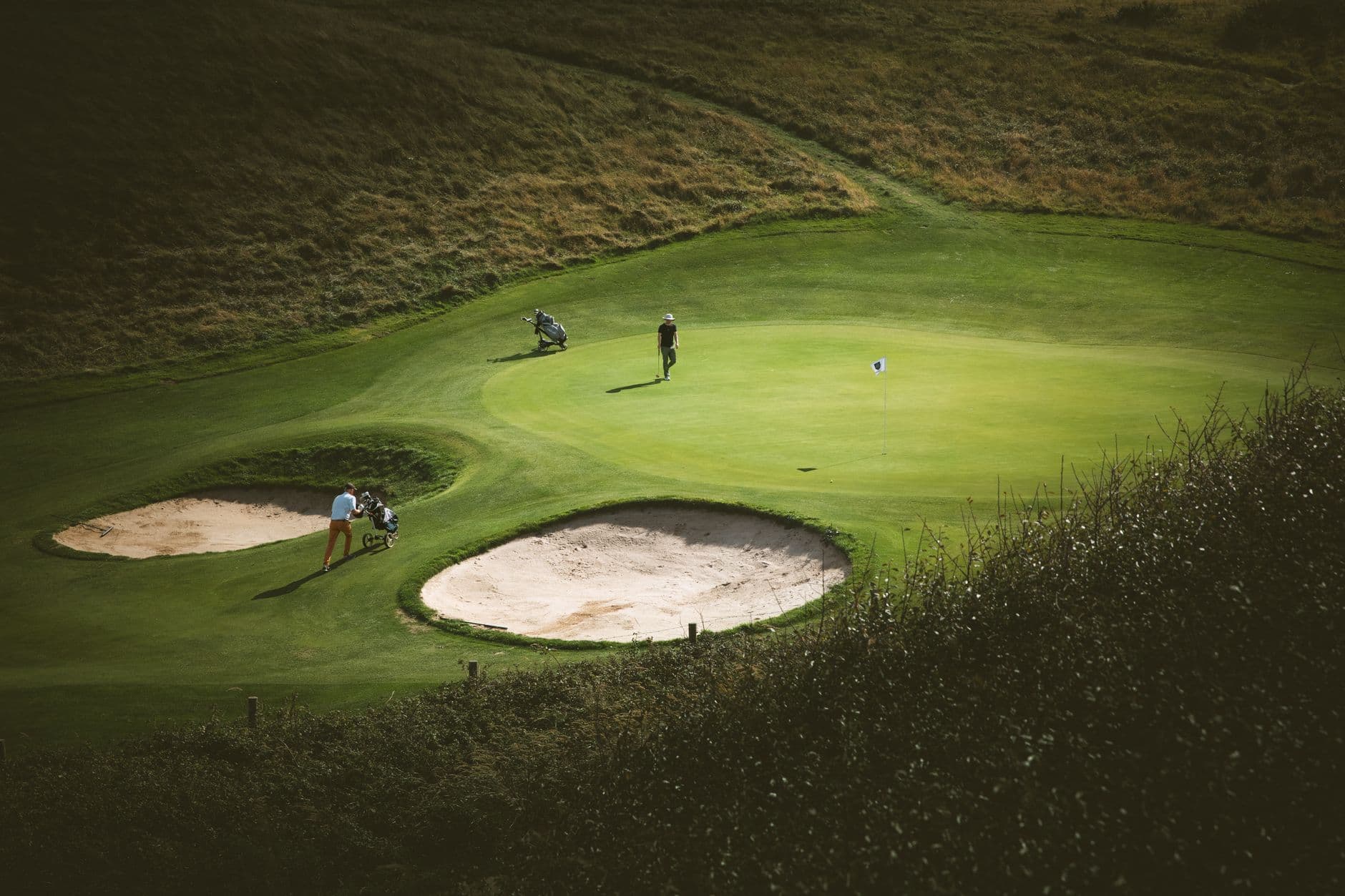
Long before titanium drivers, launch monitors, and manicured resort fairways, there were the linksland strips of Scotland's coastline — raw, windswept, and unforgiving. These are the courses that invented the language of golf: blind shots, pot bunkers, fescue rough, and the relentless theatre of a north wind off the Firth of Forth. To play Scottish links golf is not merely to visit the birthplace of the game — it is to understand, at a fundamental level, what golf was always supposed to be.
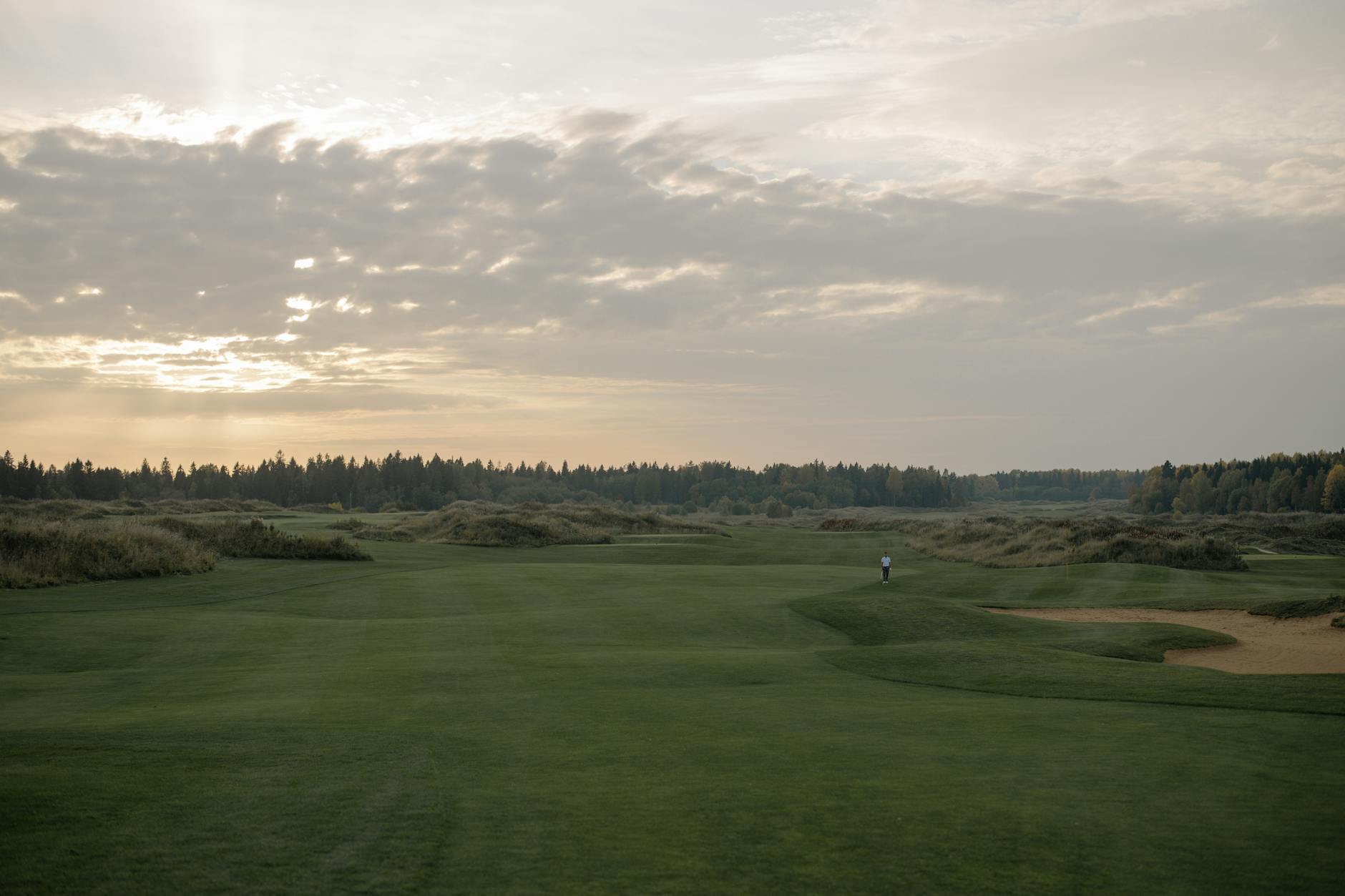
The word 'links' derives from the Old English 'hlinc,' referring to the undulating ridges of sandy, coastal ground that connect the sea to more fertile inland terrain. This terrain was essentially useless for farming — too sandy, too exposed, too wild. And so it became the crucible of golf. The ground naturally drained after rain, the firm turf rewarded creative ground play, and the prevailing winds demanded shot-making of the highest order.
Scotland's great links are not just historic curiosities preserved in amber. They remain brutally relevant tests of elite golf. The Open Championship has been contested on Scottish links soil for its entire existence, returning to courses like St Andrews, Carnoustie, Muirfield, and Royal Troon to crown the world's best players under conditions no inland parkland course could replicate.
The Old Course at St Andrews: Golf's Ground Zero
No conversation about Scottish links begins anywhere but St Andrews. The Old Course is golf's oldest playing surface — evidence of play dates back to the 15th century — and its influence on the architecture of the game is immeasurable. The concept of 18 holes as the standard round of golf was effectively codified here. Before St Andrews established the norm, courses played varying numbers of holes.
What continues to make the Old Course extraordinary is its apparent simplicity masking layers of strategic complexity. The enormous shared greens — some of the largest putting surfaces in the world — create positioning puzzles that reward course knowledge accumulated over years, even decades. The famous Road Hole, the 17th, remains one of the most strategically demanding par-fours in championship golf: a blind tee shot over the corner of the Old Course Hotel, a long approach to a shallow green guarded by the Road Hole bunker, and a road running directly behind the putting surface leaving virtually no margin for error.
The Old Course at St Andrews is the most talked about, the most written about, and the most played great golf course in the world.
— Tom Watson
Carnoustie: Scotland's Sternest Examination
If St Andrews is golf's cathedral, Carnoustie is its confessional. Located on the Angus coast, Carnoustie Golf Links has broken the finest players in the world. Jean Van de Velde's collapse on the 72nd hole in 1999 remains one of the most haunting moments in Open Championship history. The Barry Burn — a meandering waterway that crosses and recrosses several holes — is a uniquely Scottish hazard, designed not by architects but by nature.
Carnoustie's closing stretch, from the 15th through the 18th, is widely considered the most demanding finish in links golf. Playing into a prevailing wind that funnels in off the estuary, even the most technically precise ball-strikers are forced to manufacture low, penetrating trajectories to keep the ball under the gusts. This is where ball selection becomes a genuine competitive differentiator — players who trust a lower-spinning, more penetrating flight through wind corridors arrive in far better position than those relying on a high, stop-it-quick aerial game.
Royal Troon and Muirfield: Character Through Contrast
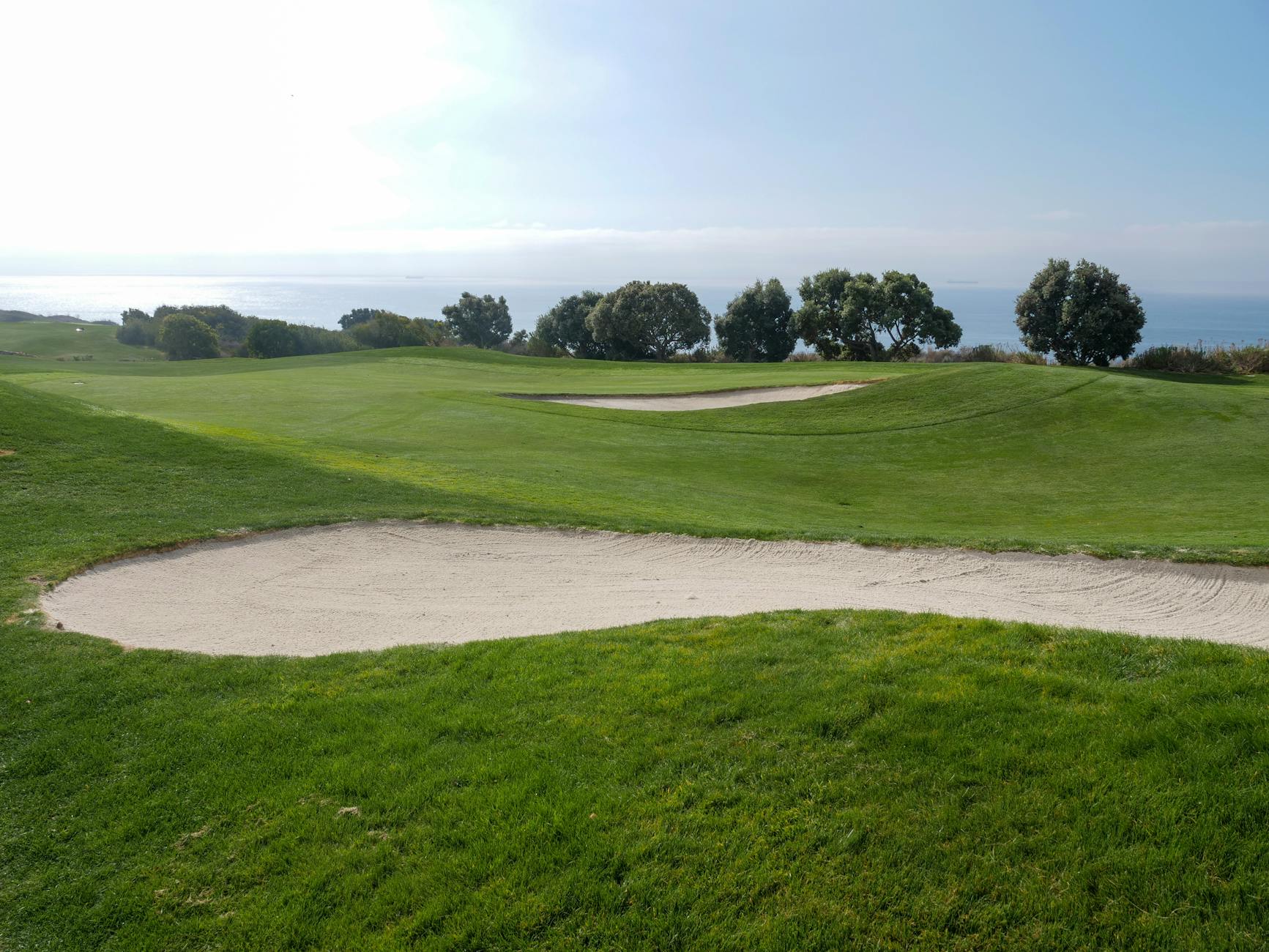
Royal Troon on the Ayrshire coast offers a study in contrasts within a single round. The outward nine runs downwind along the shoreline, lulling players into false confidence with reachable holes and generous fairways. The inward nine turns brutally into the prevailing westerly, reclaiming every stroke the wind gifted on the way out. The Postage Stamp, the 8th, is one of the most photographed holes in the world — a par-three of barely over 120 yards that requires absolute precision in club selection and trajectory to hold a green surrounded by deep, steep-faced bunkers.
Muirfield, home to The Honourable Company of Edinburgh Golfers — the world's oldest golf club — operates on a different architectural philosophy entirely. Rather than playing out and back in two straight nines, Muirfield's layout features two concentric loops running in opposite directions. No player can expect two consecutive holes to play in the same wind direction, demanding constant recalibration of shot shape and club selection. This is golf as a true thinking game, where course management separates professionals from pretenders.
The Strategic Demands of Links Play
Playing Scottish links golf well requires a fundamental shift in mindset for golfers conditioned by parkland or desert resort courses. The premium here is not on aerial distance — it is on trajectory control, ground game proficiency, and the ability to manufacture shapes under pressure. Running the ball onto greens, using slopes as allies, and playing away from short-side misses are skills sharpened only by repeated links exposure.
- Wind management: The ability to play punch shots, knock-downs, and high draws on demand is non-negotiable on a true links course
- Ground game: Bump-and-run approaches and intentional run-up shots are often the percentage play when greens are firm and fast
- Bunker strategy: Scottish pot bunkers are vertical-walled and deep — avoiding them entirely is almost always smarter than attacking pins tucked behind them
- Course knowledge: Links courses reward experience; local knowledge of how wind swirls around dune corridors often overrides raw ball-striking ability
- Ball flight: A lower, more penetrating ball flight consistently outperforms the high-launch, high-spin approach typical of inland play
This last point is where equipment becomes genuinely relevant in the links context. The challenge of threading a ball through a 30 mph crosswind at Carnoustie or down the first at St Andrews is partly a ball compression and construction question. Attomax's High-Density amorphous metal core technology produces a more consistent, penetrating flight trajectory — precisely the characteristic that gives players a measurable edge when conditions deteriorate on an exposed Scottish coastline. A ball that holds its line through wind rather than being pushed off course is not a luxury on these courses; it is a necessity.
Why Scotland's Links Still Matter
In an era of artificially watered, perfectly conditioned parkland courses designed for maximum visual appeal, Scottish links golf stands as the purest form of the game. There are no sprinkler systems softening the landing zones. No manicured rough trimmed to a precise height. The elements are fully in play, and on any given day at Turnberry's Ailsa Course or Kingsbarns overlooking the North Sea, conditions can shift from benign to genuinely hostile within a single round.
The best players in the world still have to earn their Open Championships on these grounds. And for the amateur golfer making the pilgrimage to St Andrews or Carnoustie, there is a rare, almost spiritual quality to standing on the first tee of a course that has been contested for centuries — where the same wind that tested Old Tom Morris still tests you today. That continuity is what Scottish links golf offers that no modern design ever can: a direct, unbroken line to the origin of the game itself.
Golf is a game whose aim is to hit a very small ball into an even smaller hole, with weapons singularly ill-designed for the purpose.
— Winston Churchill
Scotland's links courses did not design the game to be easy. They designed it to be honest. And in that honesty — in the wind, the fescue, the pot bunkers and the burn — lies the greatest examination in golf.
Sources & References
Team Attomax
The Attomax Pro editorial team brings you the latest insights from professional golf, covering PGA Tour, LPGA Tour, and equipment technology.