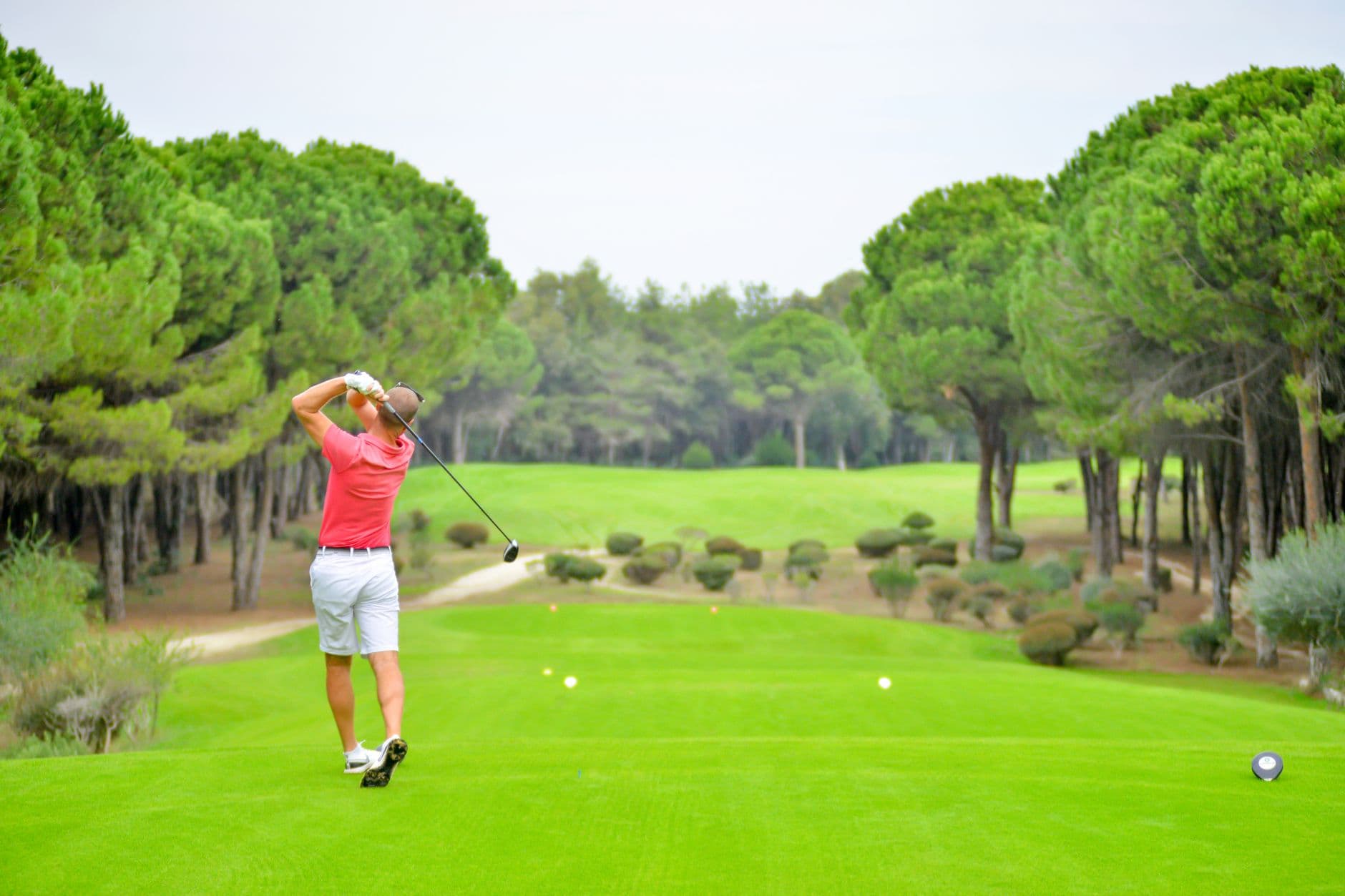
Before manicured parkland layouts, before Augusta's azaleas and Amen Corner, there was linksland — raw, coastal, wind-battered terrain where shepherds once grazed their flocks and where, centuries ago, Scottish golfers first learned to shape a ball through the elements. Scotland's links courses are not merely historic landmarks; they are the architectural DNA of the game itself.
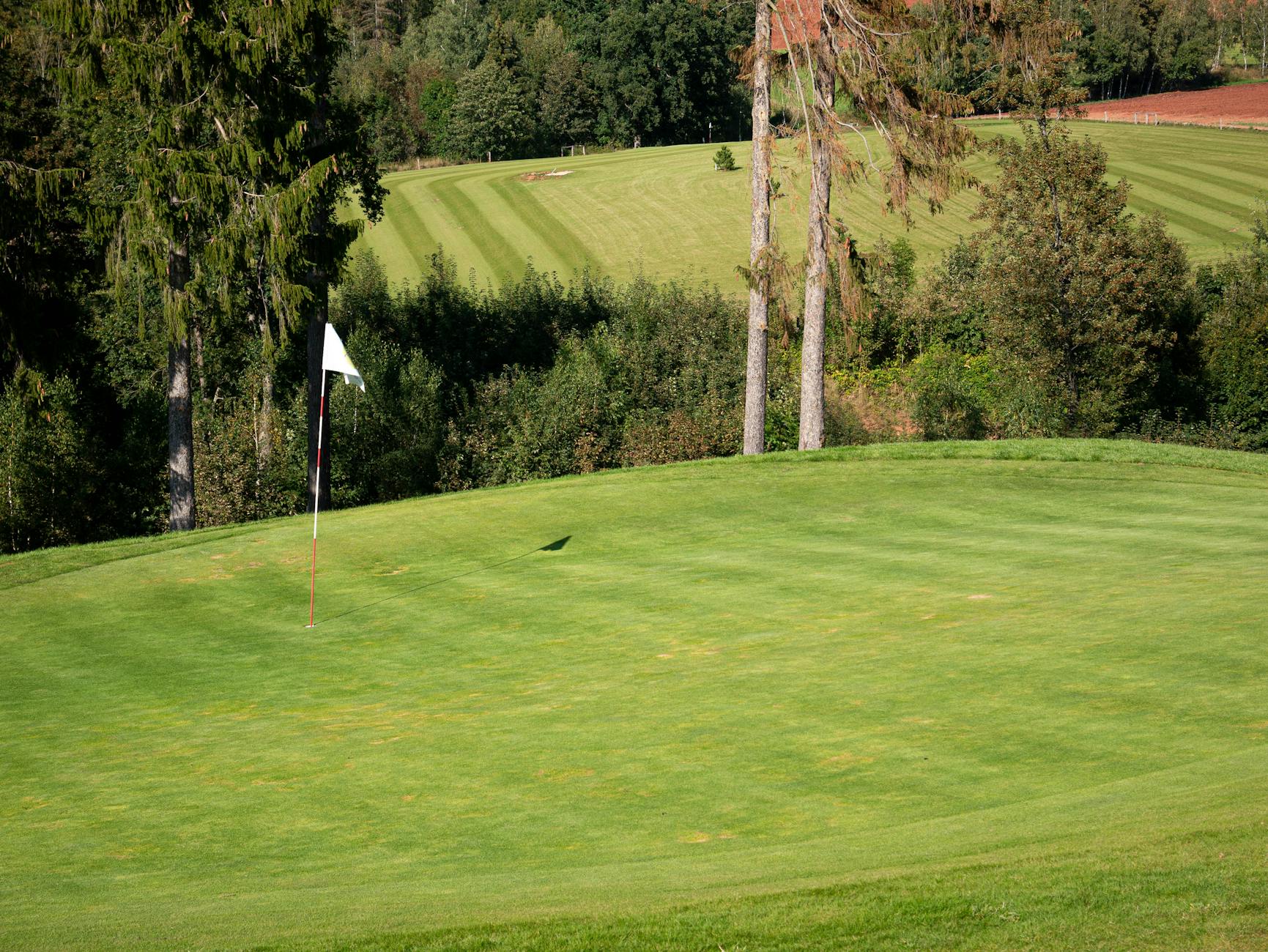
The word 'links' derives from the Old English 'hlinc,' referring to the undulating ridges of coastal ground that connect the sea to the arable inland terrain. This ribbon of sandy, firm, fast-running turf — largely unsuitable for farming — became the cradle of golf. What nature carved out of the Scottish coastline, the game filled with purpose.
Today, that linksland heritage draws elite players and passionate amateurs from every corner of the globe. To play a Scottish links is to engage in an unfiltered conversation with the game's origins — no GPS yardage books can fully prepare you for a crosswind at Carnoustie's Barry Burn, or a running approach into the Valley of Sin at St Andrews' 18th.
The Old Course: Golf's Most Sacred Ground
St Andrews' Old Course in Fife is universally regarded as the birthplace of the modern game. The town's golfers have been playing over this land since at least the 15th century, and the course's routing — shared fairways, enormous double greens, the infamous Road Hole — shaped conventions that architects have referenced, subverted, and paid homage to ever since.
What separates the Old Course from any modern design is its demand for ground-game intelligence. The turf runs firm and fast, bouncing the ball unpredictably off hidden contours. On any given morning, the haar rolls off the North Sea and visibility shrinks to a few hundred yards. Scoring here is not about raw power — it is about trajectory management, wind reading, and the willingness to play away from the flag and trust a long putt.
The more I study the Old Course, the more I love it — and the more I am amazed by it.
— Bobby Jones, after his emotional farewell to St Andrews in 1958
The Rota: Championship Links That Define Greatness
The Open Championship — the oldest Major in golf — has always been the links test par excellence. The R&A's rotation of venues reads like a greatest-hits album of Scottish coastal architecture: Carnoustie, Turnberry, Royal Troon, Muirfield, and St Andrews itself. Each presents a distinctly different character, yet all share the defining traits of authentic linksland golf.
- Carnoustie (Angus): Dubbed 'Car-nasty' by those who have suffered its Barry Burn crossings and relentless rough, it is widely regarded as the most demanding test on the rota. Three Open Championship finishes here have produced some of the most dramatic final rounds in Major history.
- Royal Troon (Ayrshire): Home to the Postage Stamp — the Par 3 8th, measuring as little as 123 yards — where precision utterly trumps distance. Troon's outward nine runs with the prevailing wind; the homeward nine turns directly into it.
- Muirfield (East Lothian): The Honourable Company of Edinburgh Golfers' private sanctuary, considered the most 'fair' links test by many professionals, with no blind shots and a routing that changes wind direction every few holes.
- Turnberry (Ayrshire): The Ailsa Course's clifftop drama, with the lighthouse and Ailsa Craig as backdrops, produces some of the most visually stunning holes in world golf. Its 2009 Open produced Tom Watson's near-miraculous near-victory at age 59.
The Golf Ball Equation on Linksland
Playing Scottish links demands a recalibration of every equipment decision you make at home. The firm, fast conditions reward a penetrating ball flight and punish high-launch, high-spin approaches that balloon into a coastal crosswind and land short of the target. This is where ball compression becomes a tactical variable rather than a marketing afterthought.
High-density construction — as employed in Attomax Pro's ball range — allows for a tighter compression response that delivers a lower, more controlled trajectory in cold, damp morning conditions. When the wind turns and you need to steer a long iron under a gale blowing off the Firth of Clyde, the difference between a ball that holds its line and one that kites is the difference between a birdie chance and a bunker. Attomax's Hard and Medium variants are particularly well-suited to the firm, fast linksland game, offering the penetrating flight and green-side control that the links environment demands.
Hidden Gems Beyond the Open Rota
Scotland's links legacy extends far beyond the championship venues. The country is home to more than fifty authentic links courses, many of which remain accessible to visiting golfers at remarkably modest green fees — a generosity the game elsewhere rarely offers.
- Cruden Bay (Aberdeenshire): A sinuous, dramatic layout carved through towering dunes north of Aberdeen. Cruden Bay rewards imagination over formula — no two lies are the same, and the routing demands a full vocabulary of creative shot-making.
- Brora (Sutherland): One of James Braid's masterworks on the far northern coast, where cattle still graze the fairways under a local rule. Brora is golf stripped entirely of pretension.
- Machrihanish (Argyll): Built along the Atlantic-facing Kintyre Peninsula, its famous opening hole asks the player to carry as much of the bay as they dare — an elemental gamble that no modern liability-sensitive designer would sanction.
- Lundin Links (Fife): An underrated gem minutes from St Andrews, where James Braid again produced a layout that rewards local knowledge and punishes careless wind management.
Shaft Flex and the Links Wind Game
Shaft selection is rarely discussed in the context of course type, yet it is directly relevant to links performance. In calm conditions, a high-torque, mid-kick-point shaft generates the spin and height that iron players desire. On the Scottish coast, however, those same characteristics can be liabilities. A stiffer, lower-kick-point profile — as found in Attomax's shaft lineup — helps experienced ball-strikers keep trajectory down and reduce the lateral movement that crosswinds exploit.
The best links players in the world — from the Golden Bear era through to the current generation of Open specialists — have always understood that equipment adaptation is part of the tactical preparation. Arriving at Carnoustie in July with a setup optimised for Augusta National in April is not a strategy; it is a surrender.
Why Links Golf Remains the Ultimate Examination
There is an intellectual honesty to links golf that no amount of course conditioning can manufacture. The wind does not care about your handicap. The fescue rough does not negotiate. The ball will bounce in ways your yardage book never anticipated. And in that unpredictability lies the game's most profound test: the ability to adapt, improvise, and trust a lower, running shot when instinct demands a soaring wedge.
Scotland's links are not comfortable — they were never designed to be. They are humbling, occasionally maddening, and permanently unforgettable. For any serious student of the game, a pilgrimage to the Scottish coast is not optional. It is essential. It is where golf came from, and where its soul still resides.
Golf is a game of skill, calculation, and nerve. The links teach you all three — whether you're ready or not.
— Traditional Scottish golf wisdom
Sources & References
Team Attomax
The Attomax Pro editorial team brings you the latest insights from professional golf, covering PGA Tour, LPGA Tour, and equipment technology.