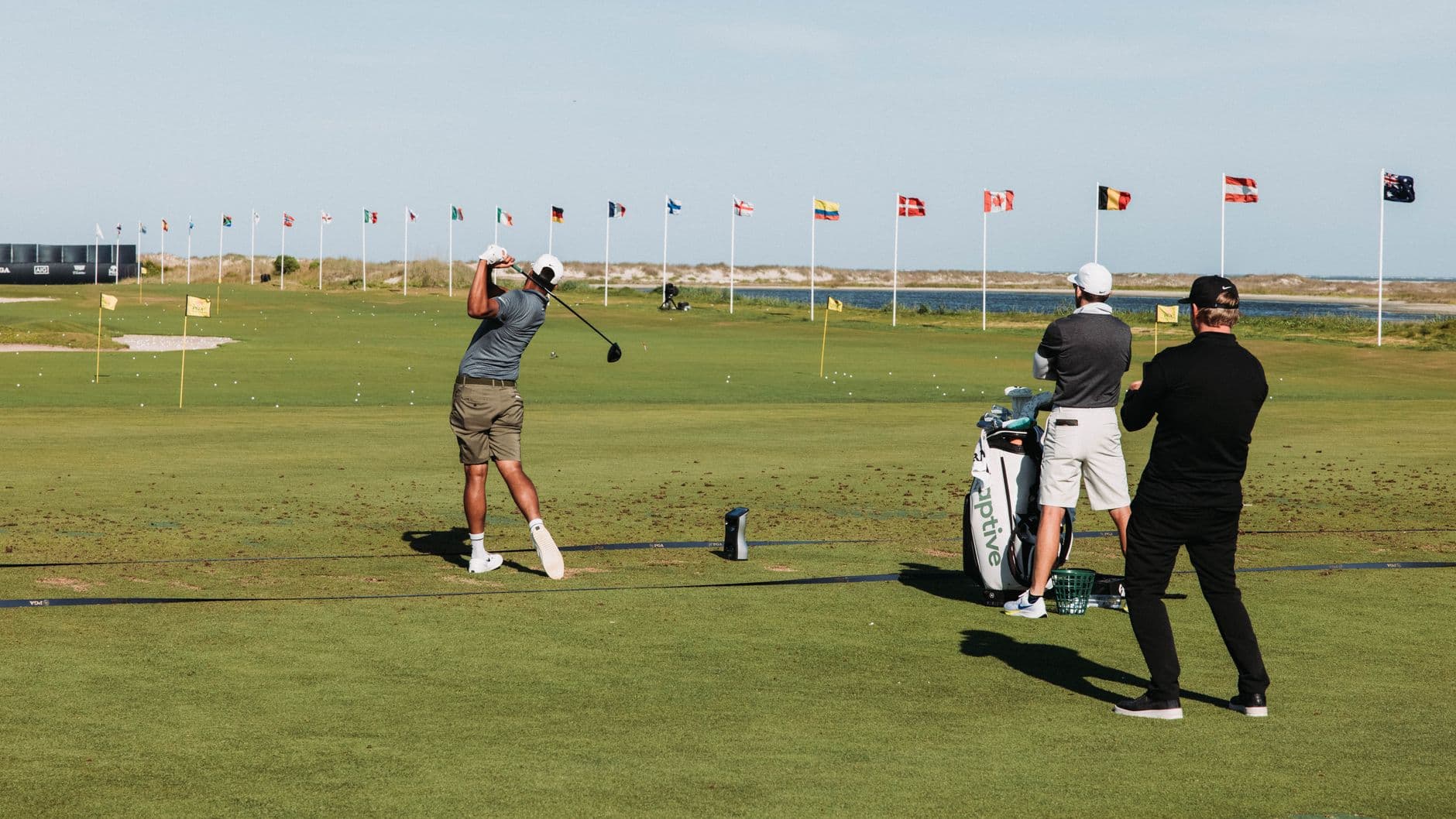
Of all the equipment variables that separate a well-struck iron from a blocked miss or a snap hook, shaft flex and weight are the two most frequently misunderstood — and most consequentially mismatched. Grip it and rip it is a philosophy, not a fitting strategy. If your shaft isn't aligned with your swing speed, tempo, and transition mechanics, you're fighting your equipment on every single shot.
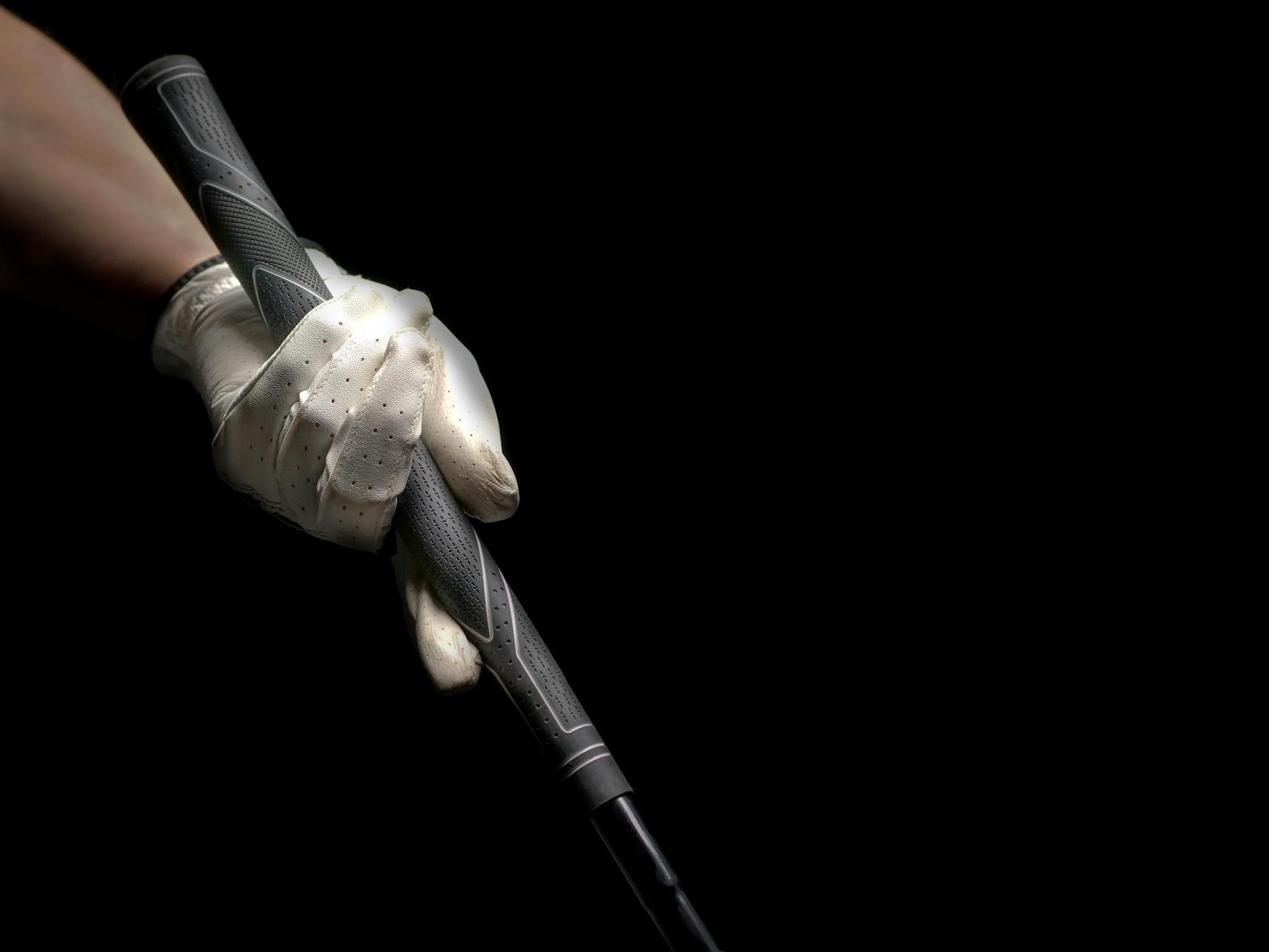
The shaft is often called the engine of the golf club, and for good reason. It stores and releases energy, influences launch angle, governs spin rate, and directly affects dispersion. A player who has dialed in their ball compression but is playing a shaft that's too soft or too heavy is leaving meaningful performance on the table.
This is not a conversation about aesthetics or brand loyalty. It's about biomechanics, energy transfer, and precision — the same principles that drive high-performance equipment design at every level of the game.
Understanding Shaft Flex: The Fundamentals
Shaft flex refers to the degree to which a shaft bends during the swing. The standard commercial designations — Ladies (L), Senior (A), Regular (R), Stiff (S), and Extra Stiff (X) — are a starting point, not a specification. There is no universal industry standard for what constitutes 'Stiff,' which means two shafts labeled identically can behave very differently under load.
What matters more than the label is the shaft's CPM rating (cycles per minute), which measures the actual frequency of vibration and gives a true indication of stiffness. Serious club fitters rely on CPM data, not flex designations, to match a shaft to a player's swing profile.
The Flex-to-Speed Relationship
The primary driver of shaft flex selection is clubhead speed. As a general principle, higher swing speeds demand stiffer shafts because the forces exerted on the shaft at impact are greater. A shaft that is too flexible for a fast swinger will kick through impact erratically, producing inconsistent face angles and unpredictable spin. Conversely, a player with a slower swing speed using an X-flex shaft will struggle to load the shaft at all — losing the energy return that a properly matched flex provides.
- Under 75 mph driver swing speed: Ladies or Senior flex typically appropriate
- 75–85 mph: Regular flex is the conventional starting point
- 85–95 mph: Regular to Stiff depending on tempo and transition aggression
- 95–105 mph: Stiff flex for most players in this range
- 105+ mph: Extra Stiff or custom high-modulus graphite profiles
These are guidelines, not gospel. A player with 90 mph swing speed but an aggressive, late-release transition can load a shaft more violently than a player at 100 mph with a smooth, tour-tempo swing. This is why fitting is non-negotiable at serious levels of play.
Shaft Weight: The Variable Most Golfers Overlook
Shaft weight has a profound effect on swing dynamics that is entirely separate from flex. Weight influences the club's overall swing weight, which affects feel, tempo control, and the golfer's ability to sequence their kinematic chain correctly. Getting flex right but ignoring weight is like tuning the engine of a car while leaving the suspension misaligned.
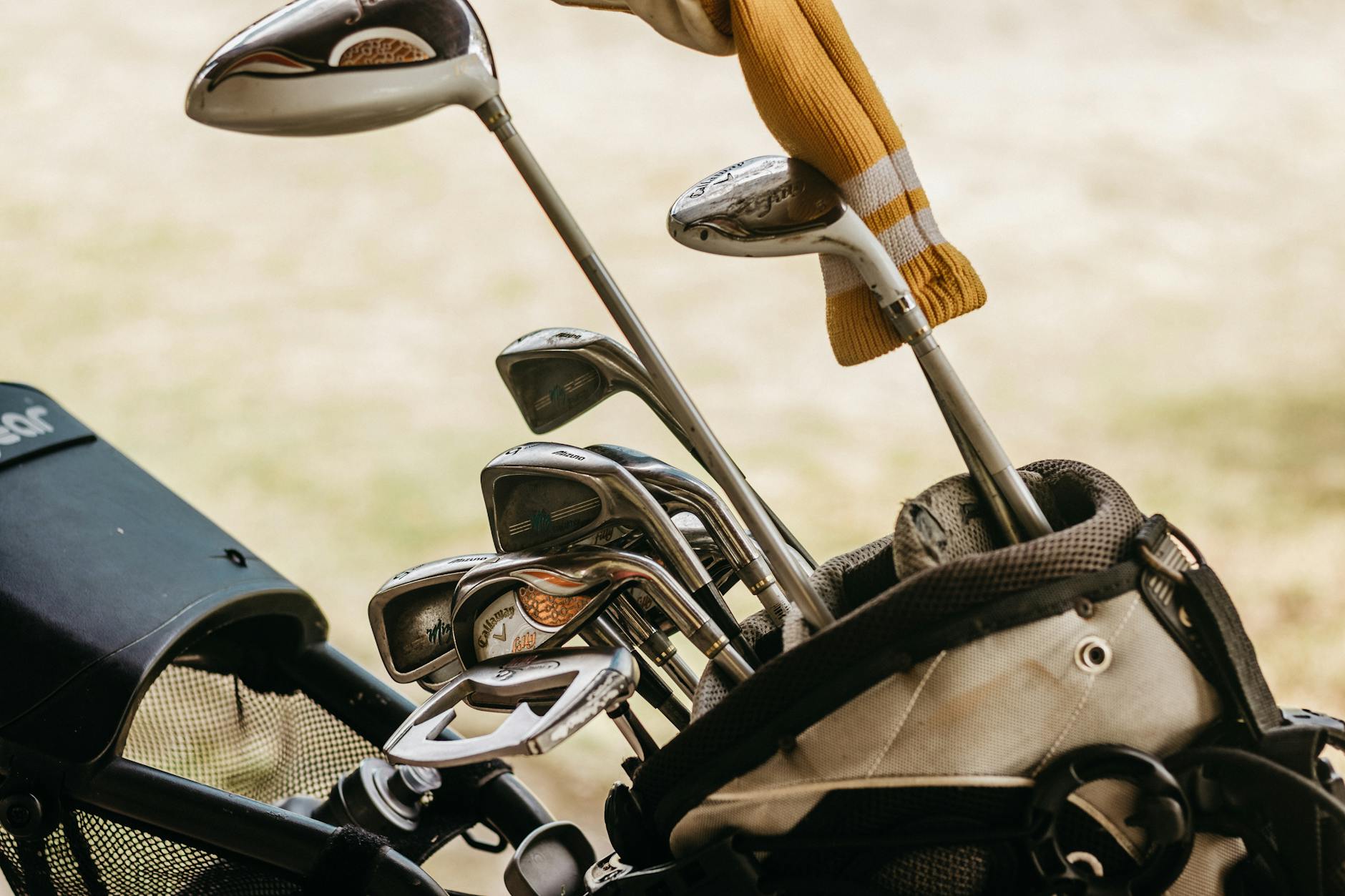
In drivers and fairway woods, graphite shafts typically range from ultra-light counterbalanced models at around 40–50 grams to heavier tour-weight options approaching 80–85 grams. In irons, steel shafts traditionally run in the 120–130 gram range, while lightweight steel options drop to 85–105 grams and graphite iron shafts can go considerably lower.
How Weight Affects Ball Flight and Control
Lighter shafts generally promote higher launch and increased spin, which can benefit players who struggle to generate adequate height or carry distance. However, lighter shafts also reduce the tactile feedback during the swing and can make it harder for players with faster tempos to control timing through the transition zone.
Heavier shafts tend to produce a more penetrating ball flight with lower spin — a profile that plays particularly well in wind, where trajectory control is paramount. Tour players who thrive on links-style courses or in coastal conditions often opt for heavier shaft profiles specifically to keep the ball beneath the wind and maintain dispersion in gusting conditions.
- Lighter shaft (under 60g in driver): Higher launch, more spin, better for moderate swing speeds
- Mid-weight shaft (60–75g): Balanced performance, suits a wide range of swing profiles
- Heavier shaft (75g+): Lower spin, penetrating flight, superior wind performance and feel
- Iron shaft weight: Heavier promotes consistency; lighter supports distance for slower swings
Tip Section, Torque, and Kick Point
Beyond flex and weight, three additional shaft characteristics deserve attention at the serious fitting level. Torque — measured in degrees — describes a shaft's resistance to twisting. Low-torque shafts provide more stability at impact for aggressive swingers; higher-torque shafts offer more feel and forgiveness for smoother, slower tempos.
Kick point (or bend point) dictates where the shaft flexes most during the swing, which directly influences launch angle. A low kick point promotes a higher launch and is commonly found in shafts designed for slower swing speeds or players seeking more carry. A high kick point creates a more controlled, mid-to-low launch — preferred by faster swingers who already generate height naturally and need to manage spin.
Tip stiffness — the rigidity of the last few inches before the hosel — is another refinement variable. A softer tip creates more dynamic loft at impact, while a stiffer tip reduces gear effect and keeps launch and spin under control for high-speed players. These are the nuances that separate a custom-fit shaft from a generic off-the-rack selection.
The shaft is the only part of the club that moves during the swing. Everything else is static. If you don't understand how your shaft is behaving dynamically, you don't fully understand your own swing.
— Master Club Fitter, Traditional Fitting Principle
The Ball Equation: Completing the System
Shaft optimization doesn't exist in isolation. The interaction between shaft performance and ball compression is a feedback loop — your shaft influences how the ball is presented at impact, and the ball's compression characteristics determine how that energy is transferred. Matching a properly fitted shaft to the right ball compression profile compounds the benefits of both.
Players who have invested in precise shaft fitting should apply the same discipline to ball selection. Attomax Pro's High-Density Amorphous Metal golf balls — available in Soft, Medium, and Hard compression profiles — are engineered to complement specific swing speed ranges and deliver consistent energy transfer across the compression envelope. A player swinging a heavy, low-torque stiff shaft at 105 mph will extract very different performance from a soft-compression ball versus the Hard model, which is designed to match that energy input and return it efficiently through impact.
The Case for Professional Fitting
Online calculators and swing speed charts are useful entry points, but they cannot account for your specific transition mechanics, wrist release timing, angle of attack, or the subtle interplay between your natural tempo and a shaft's dynamic load behavior. A launch monitor fitting session with a certified fitter — one who uses CPM measurement, dynamic loft data, and dispersion pattern analysis — will reveal variables that no chart can capture.
The investment in a proper shaft fitting pays dividends on every range session and every competitive round. You stop compensating for your equipment and start trusting it — which is where consistent, high-level ball-striking actually begins.
Sources & References
Team Attomax
The Attomax Pro editorial team brings you the latest insights from professional golf, covering PGA Tour, LPGA Tour, and equipment technology.