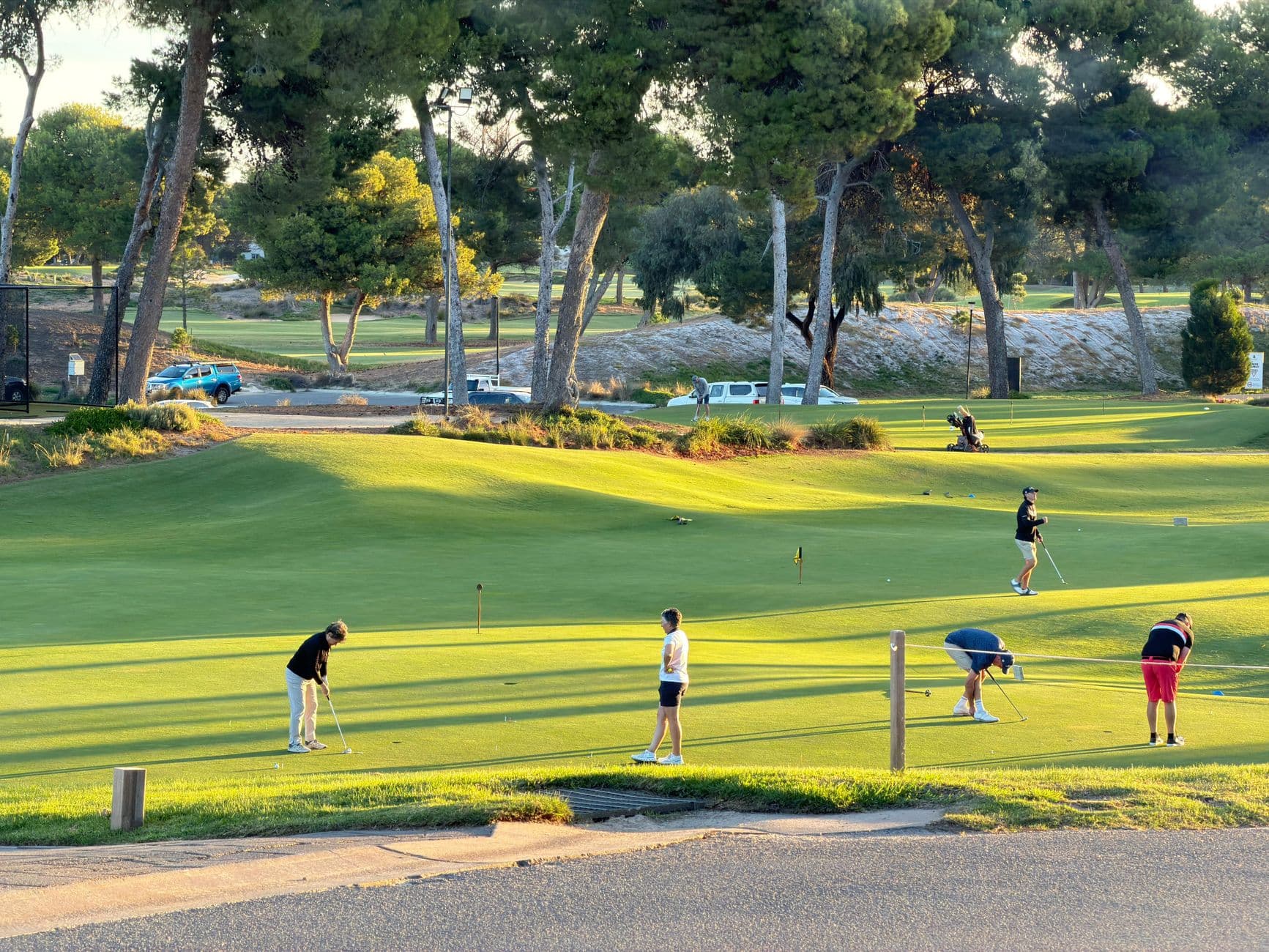
When the USGA brings its national championship to Shinnecock Hills Golf Club in Southampton, New York, the conversation shifts immediately. This is not a course that flatters good shots or forgives marginal ones. It is an examination — precise, relentless, and deeply honest about a player's ball-striking capabilities.
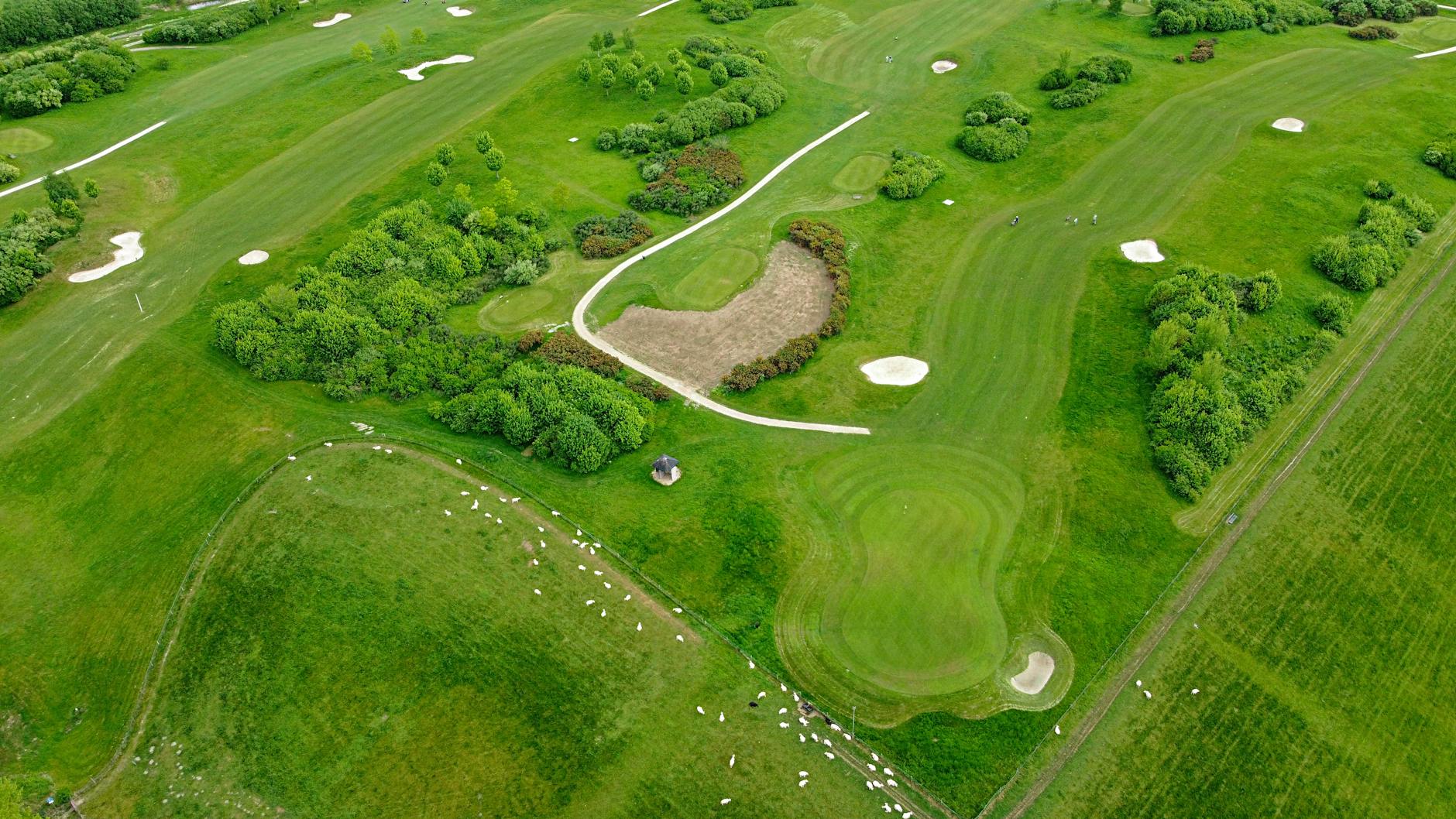
Shinnecock is one of America's five founding clubs, established in 1891, and it carries that historical weight into every setup decision the USGA makes. The exposed Southampton terrain, perched above the Atlantic coastal plain, means that wind is not a variable — it is a constant and co-architect of every hole's difficulty.
For elite tour professionals, Shinnecock demands a complete strategic rethink from the moment the morning marine breeze begins to build. Club selection off the tee becomes a chess match rather than a power contest, and the relationship between ball compression and wind penetration becomes immediately tangible.
The Wind Factor: Shinnecock's Invisible Hazard
The exposed, treeless ridgelines of Shinnecock Hills create wind conditions that shift direction and intensity throughout a single round. A player who walks off the 9th green with a tailwind may find himself fighting a quartering headwind on the 10th tee within minutes. This requires constant in-round recalibration — a skill that separates US Open contenders from participants.
The premium on ball flight trajectory here is absolute. Professionals who naturally play a piercing, lower-trajectory shot have a structural advantage. On links-adjacent terrain like Shinnecock, a high-spinning ball that climbs into a 20-mph crosswind can drift three clubs worth of distance offline before it lands. Controlling launch angle and spin rate off the driver and long irons is not optional — it is the entire game.
- Sustained winds of 15-25 mph are typical during US Open week at Shinnecock, with gusts frequently exceeding 30 mph
- Wind direction shifts between rounds are common, rendering static yardage books partially obsolete
- Holes running along the exposed ridgeline — particularly the stretch from 7 through 11 — present crosswind challenges that can neutralize length advantages entirely
- Punching low, running approaches into firm greens is often the correct play, rewarding ball-control over aerial precision
This is precisely why ball selection carries real consequences at Shinnecock. A harder compression ball that resists wind drift and maintains a lower, more penetrating flight gives a meaningful edge when the Atlantic gusts arrive. Attomax's High-Density Hard ball, engineered with amorphous metal core technology, is designed for exactly this kind of environment — delivering a flatter trajectory and wind-resistant flight without sacrificing distance or feel around the greens.
The Rough: Calculated Punishment
The USGA's approach to rough at Shinnecock has historically been a point of intense debate among players and pundits alike. The setup philosophy is unapologetic: missing the fairway must carry a genuine penalty, and at Shinnecock, it consistently does. The fescue rough grows thick and grabby, capable of closing the face of even the sharpest wedge at impact.
What makes Shinnecock's rough particularly punishing is its deceptive lie quality. From a distance, a ball sitting in the first cut may look playable. Up close, the dense fescue wraps around the hosel and dramatically reduces spin generation at impact. Players who attempt to be aggressive from the rough — particularly on approach shots to the course's famously fast and undulating greens — routinely discover that the ball runs well past the hole, leaving treacherous downhill putts.
At Shinnecock, par is a good score. You have to accept that early and stay patient. The course has a way of punishing ambition.
— Composite of US Open competitor observations at Shinnecock
The intelligent play from Shinnecock's rough is almost always the conservative one — advance the ball to a clean lie in the fairway, accept a bogey, and protect the round. Professionals who refuse to make this mental concession typically implode on the back nine, where the course becomes increasingly severe as exhaustion and scoreboard pressure mount.
Green Speed and the Putting Premium
Shinnecock's bentgrass greens are among the most technically demanding putting surfaces in championship golf. They are contoured with dramatic fall-aways, false fronts, and collection areas that punish anything short of precise distance control on approach. The USGA typically presents them running at elite speeds, often in the range considered among the fastest in major championship play.
The infamous 2018 US Open provided a sobering reminder of what happens when those greens become unplayable. Mid-round watering was required after weekend conditions rendered several holes nearly impossible — a rare and uncomfortable concession that the USGA has since used as a benchmark for managing setup boundaries. The lesson was clear: Shinnecock at its extreme is beyond the tolerance of fair competition.
- Lag putting becomes the primary scoring tool — three-putts are accepted collateral damage on severely sloped sections
- Approach shot placement to the correct tier of each green is more important than proximity to the flag
- Reading grain is essential on Shinnecock's coastal fescue surrounds, where the grass naturally leans toward the prevailing ocean breeze
- Chipping from tight lies around the greens requires exceptional touch — bump-and-run techniques often outperform aerial lobs
Course Management: The Template for Survival
The golfers who contend at Shinnecock are rarely the ones who overpower it. They are the ones who comprehend its geometry — who understand that the course rewards position over distance, fairway over rough, and par over ambitious birdies in the wrong conditions. Greens in Regulation percentages tend to drop significantly during US Open week at Shinnecock precisely because the correct miss matters as much as the ideal shot.
Shaft selection also plays an understated role in this equation. Players who benefit from a slightly stiffer tip section in their irons — promoting a lower, more controlled ball flight — find Shinnecock's conditions more manageable than those playing shafts that generate high launch and peak height. The ability to flight the ball down deliberately, without losing accuracy or distance control, is a genuine competitive differentiator when the wind is at its worst.
Attomax's shaft lineup addresses this directly, offering professionals and serious amateurs the ability to tailor tip stiffness and kick-point positioning to produce that lower, wind-cheating trajectory that courses like Shinnecock demand. Pairing the right shaft profile with a firmer, high-density ball creates a system specifically optimized for exposed, links-style conditions.
Why Shinnecock Remains the Standard
Shinnecock Hills is not universally loved by the players who compete there. It is, however, universally respected. It does not manufacture difficulty through artifice — no tricked-up pin positions designed to embarrass, no manufactured rough that serves no strategic purpose. The challenge is organic, derived from the land itself and the weather that has swept across it for over a century.
That authenticity is precisely what makes a US Open title at Shinnecock mean something distinctive in the game's historical record. The winner earns it through a combination of technical excellence, strategic discipline, and the mental composure to absorb what the course and conditions inflict without losing perspective. It is championship golf in its most uncompromising form — and there is no better examination of what a complete player truly is.
Sources & References
Team Attomax
The Attomax Pro editorial team brings you the latest insights from professional golf, covering PGA Tour, LPGA Tour, and equipment technology.