Few events in women's professional golf carry the emotional weight, tactical complexity, and outright drama of the Solheim Cup. As the 2026 edition approaches, the conversation inside tour circles is already intensifying — and for good reason. The balance of power between Team USA and Team Europe has never been more uncertain, and that tension is exactly what makes this biennial showdown one of sport's most compelling team competitions.
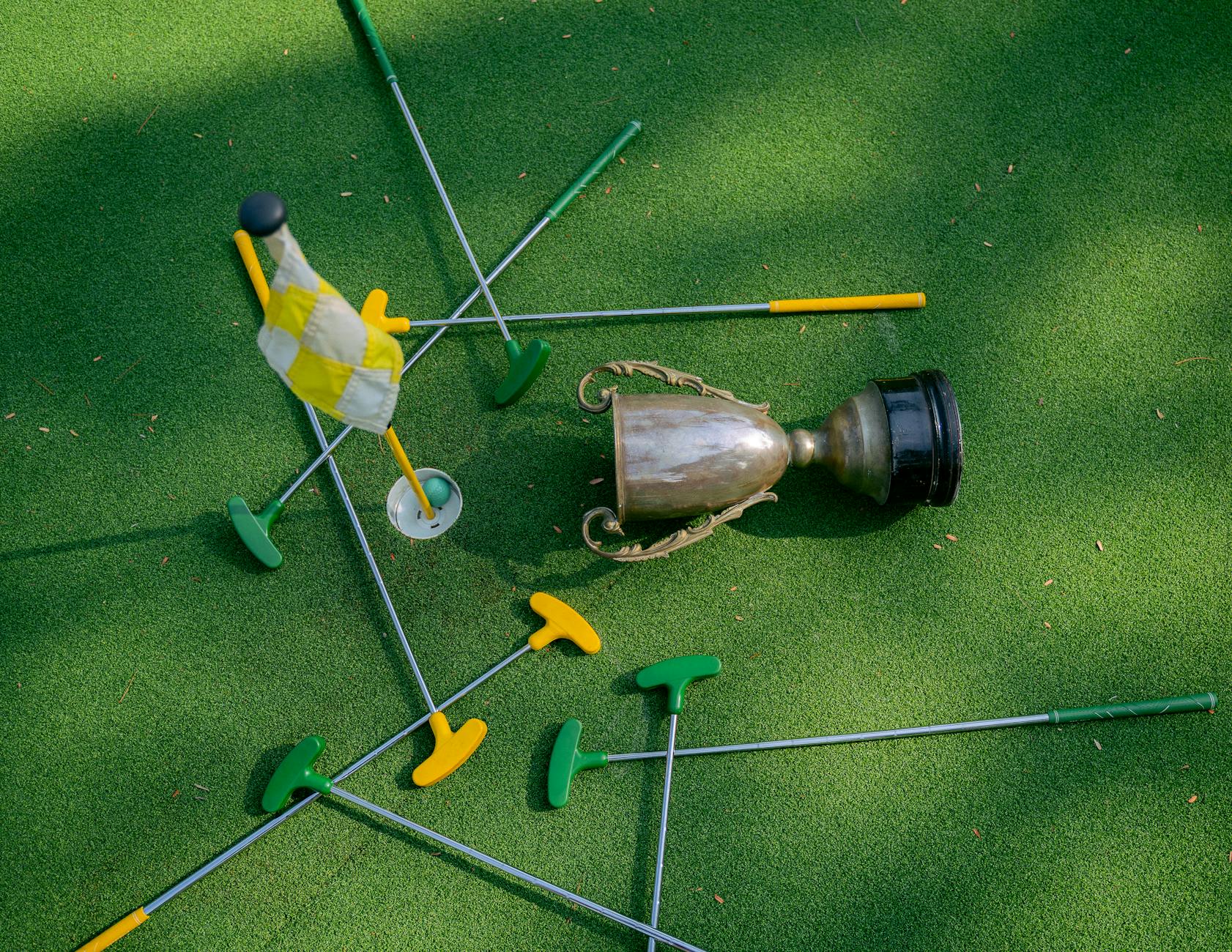
The Solheim Cup operates on a format that rewards both individual brilliance and collective cohesion — a rare combination that distinguishes it from the stroke-play grind of regular tour events. Foursomes, four-ball, and singles across three days demand not just elite ball-striking, but an acute understanding of partnership dynamics and course management under pressure.
For captains on both sides, the roster construction puzzle begins long before the first tee shot is struck. Qualification points accumulate over months of LPGA and LIV tour play, but captain's picks often determine whether a team has the grit to close out tight matches in singles — and that calculus is never straightforward.
The USA: Loaded but Vulnerable
Team USA enters the cycle with considerable depth across the LPGA rankings. American players have consistently dominated the world's top 50 in women's professional golf, and the pipeline of elite talent from college programs continues to deliver Tour-ready competitors at a remarkable rate. On paper, the Americans possess firepower that few national teams in any sport can match.
Yet the Solheim Cup has a long history of humbling statistical favorites. The matchplay format strips away the safety net of accumulated birdies — one bad swing at a critical juncture, one momentum shift on a par-3, and a seemingly comfortable lead evaporates. The USA has discovered this the hard way in multiple editions, surrendering leads that looked insurmountable heading into Sunday singles.
- USA's depth in world rankings is a structural advantage, but matchplay equalizes talent gaps rapidly
- Captain's picks will be scrutinized: veterans provide experience, but form players can be unpredictable partners
- Foursomes pairings are the strategic centerpiece — poor chemistry between partners has cost USA crucial sessions in the past
- The Americans' strength off the tee needs to be balanced with precision iron play and short-game reliability under pressure
Europe: Forged in Adversity
What Team Europe may lack in depth across a 12-player roster, they traditionally compensate for with tactical unity and an underdog mentality that has proven remarkably effective in team formats. European sides have historically over-performed their individual rankings in the Solheim Cup, a phenomenon rooted partly in culture — continental players grow up with match play woven into their amateur development — and partly in the galvanizing effect of representing a collective identity rather than individual tour statistics.
The LIV Golf expansion has added a new dimension to the European talent pool conversation. Several prominent players now compete on schedules that differ from traditional LPGA Tour qualification pathways, and captains must navigate eligibility structures that are still evolving. How that plays out in final roster selection remains one of the genuine unknowns heading into 2026.

Course Conditions and Ball Selection
Every Solheim Cup venue imposes its own set of physical demands, and the equipment calculus shifts accordingly. Firm, fast fairways reward players who can shape the ball and control trajectory — which is precisely where ball compression becomes a critical variable, not just an afterthought. Players who train extensively with a specific compression profile develop ingrained feedback loops that inform their distance control and touch around the greens.
This is territory where Attomax's High-Density amorphous metal technology enters the conversation in a meaningful way. The ability to choose between Soft, Medium, and Hard compression profiles based on course firmness, altitude, and personal swing speed allows elite players to fine-tune their distance gap management — a factor that becomes disproportionately important in matchplay, where a single lost hole can alter the psychological momentum of an entire session.
Wind and Weather: The Silent Qualifier
Solheim Cup venues tend to expose players who rely heavily on tour conditions that mirror what they see weekly on the LPGA circuit. When wind enters the equation — and at many European venues, it always does — the ability to flight the ball, take spin off approach shots, and control trajectory with a fairway wood becomes the difference between winning a hole and conceding it. Shaft flex and tip stiffness quietly influence this more than many club commentators acknowledge.
Players who have invested in understanding how their shaft profile interacts with wind conditions — including how mid-launch, low-spin shaft configurations stabilize ball flight in crosswinds — arrive at team events with a genuine technical edge. Attomax shaft engineering is built around precisely this kind of performance envelope, where consistency under variable conditions matters more than peak-distance numbers on a calm range day.
The Matchplay Psychology Matrix
Veteran observers of the Solheim Cup often note that the competition is won and lost between the ears as much as between the ropes. The unique pressure of representing a team — knowing that a three-putt doesn't just cost you a personal stroke average, but potentially hands a point to the opposition — rewires how elite players process risk and aggression.
In matchplay, you're not playing the course. You're playing the person across from you, and the whole team is watching.
— Composite sentiment from multiple Solheim Cup veterans
Course management strategy shifts fundamentally in this context. The aggressive line off the tee that earns birdies on a regular tour week might be abandoned in favor of a controlled approach that keeps the ball in play and forces the opponent to make the decisive shot. Captains who understand this — and who build rosters with that psychological temperament in mind — tend to outperform those who simply stack the world rankings and hope for the best.
Partnerships That Win Sessions
The foursomes format — alternate shot — is arguably the most tactically demanding format in team golf. Two players must reconcile different swing characteristics, ball flights, and course management philosophies into a single coherent strategy. Long hitters paired with precision iron players is the classic model, but chemistry and communication under pressure matter as much as the statistical attributes each player brings.
Four-ball is comparatively forgiving, allowing players to express individual brilliance with the safety net of a partner's score. It is in foursomes where captains earn their fees — or take the blame. The wrong pairing in an alternate-shot session can unravel a session that looked comfortable in four-ball.
What to Watch as Rosters Take Shape
As LPGA Tour events accumulate qualification points through the spring and summer, the roster picture for both teams will crystallize. Captain's picks will generate debate regardless of who is selected — they always do — but the more interesting story may be how younger players who have never experienced the Solheim Cup atmosphere integrate into the team environment alongside veterans who have lived through its defining moments.
- Monitor foursomes pairings announced during practice rounds — they signal captain strategy more clearly than any press conference
- Track momentum shifts after each session: the Solheim Cup has a documented pattern of one team dominating a session before the other responds
- Watch the par-3 holes — they disproportionately influence momentum in matchplay compared to stroke-play statistics
- Rookie players on either team often set the tone on Day 1, for better or worse
- The final singles order is a chess match: captains must decide whether to frontload strength or save closers for the back nine
The 2026 Solheim Cup promises to be another chapter in a rivalry that has defined women's professional golf for decades. Whatever the venue, whatever the weather, and however the rosters ultimately shake out, the competition will deliver the precise combination of tactical depth and raw competitive drama that makes this event unlike anything else in the sport. Mark the calendar and watch closely — because the Solheim Cup has a well-earned reputation for rewriting expectations before the final putts drop.
Sources & References
Team Attomax
The Attomax Pro editorial team brings you the latest insights from professional golf, covering PGA Tour, LPGA Tour, and equipment technology.