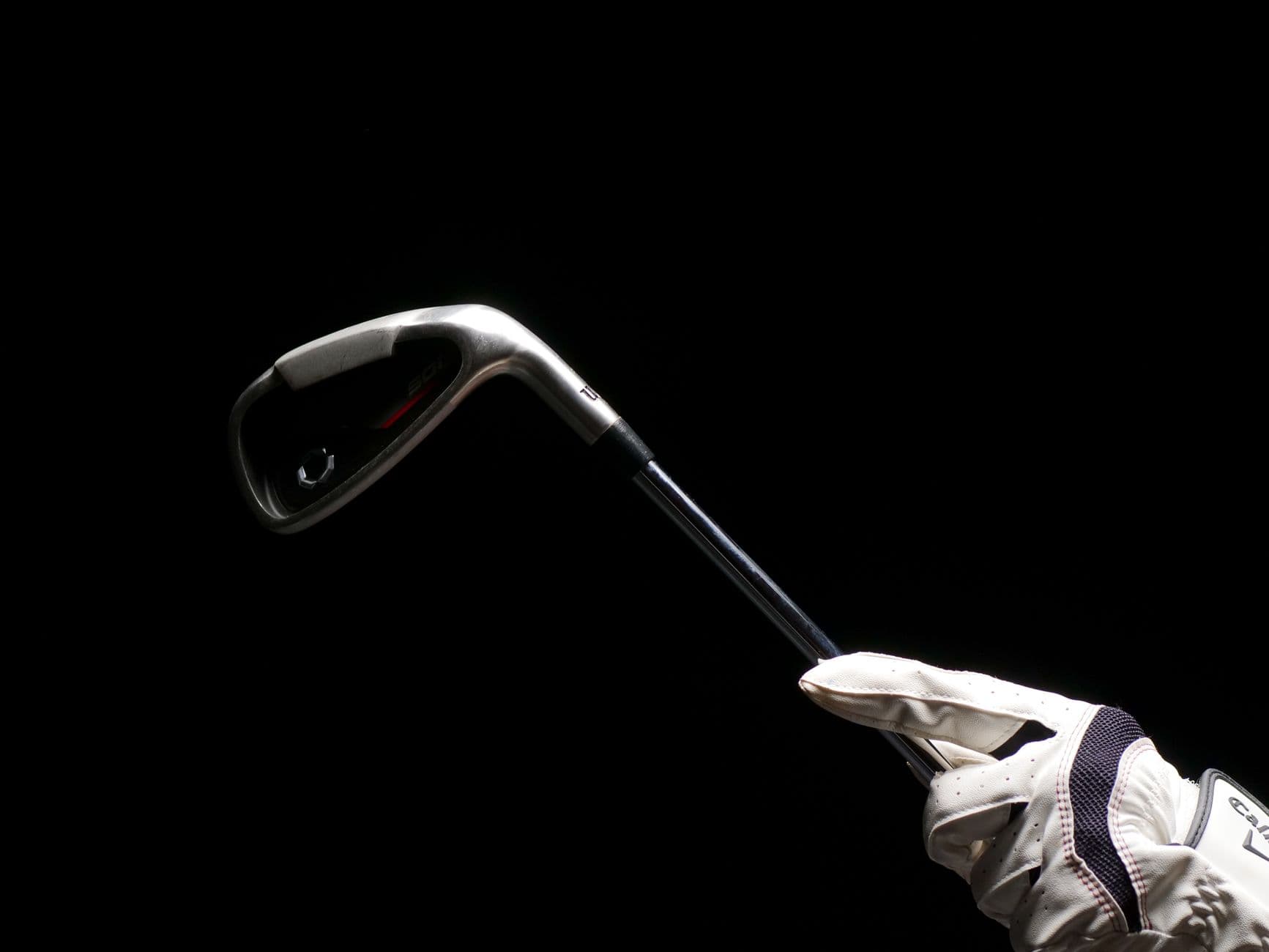
When Ben Hogan famously declared that the secret was in the dirt, he was speaking to the timeless virtue of repetition and feel. In 2026, the dirt still matters — but so do the terabytes of biomechanical data, atmospheric modeling, and machine learning algorithms that now accompany every serious golfer from the practice tee to the first box. The marriage of artificial intelligence and golf has moved well beyond novelty into something far more consequential: a fundamental reimagining of how the game is taught, played, and won.
AI-Powered Swing Analysis: Beyond TrackMan
For years, TrackMan dominated the conversation around launch monitor technology, giving instructors and tour players unprecedented insight into ball flight metrics. But by 2026, the ecosystem has expanded dramatically. Systems like Cadence AI and SwingIQ Pro now integrate multi-camera vision processing with real-time skeletal mapping, generating three-dimensional biomechanical models that identify inefficiencies invisible to the human eye — or even to earlier generation launch monitors. These platforms don't merely capture data; they contextualize it against a library of hundreds of thousands of professional swings, identifying which compensations are manageable and which are injury risks waiting to materialize.
On the PGA Tour, the adoption rate has been striking. Multiple top-50 players now work with AI coaching assistants that process session data overnight and deliver personalized drill prescriptions before the next morning's range session. The systems can detect micro-changes in tempo, grip pressure distribution through smart glove sensors, and even early markers of fatigue that correlate with late-round scoring deterioration. What was once the subjective domain of elite instructors is now supplemented — though not replaced — by systems that offer objectivity at scale.
Predictive Course Management: The Strategic Revolution
Perhaps no area has seen more dramatic change than in-round decision making. The introduction of AI-driven caddie support systems has sparked genuine debate across professional tours about the line between permissible assistance and technological overreach. Currently approved tools operate within strict USGA and R&A parameters, delivering pre-round modeling rather than real-time shot-by-shot recommendations. But the sophistication of that pre-round analysis has reached a level that would have seemed like science fiction a decade ago.
Platforms like CourseIQ and Strokes Gained Pro Ultra now ingest historic pin position data, green speed projections based on morning vs. afternoon tee times, wind modeling from localized weather sensors placed around the course, and individual player tendency profiles derived from years of shot-tracking data. The result is a personalized course strategy document that recommends specific targets, preferred miss sides, and attack angles that optimize a given player's statistical strengths against a given setup. For analytically inclined players, this kind of preparation has become as routine as a practice round.
I don't see it as the computer making my decisions. It shows me what the numbers say, and then I decide whether I trust my gut or the data. Most of the time, they agree. When they don't, that's actually the most interesting conversation.
— Anonymous PGA Tour Winner, February 2026
Wearables and Health Monitoring: The Invisible Coach
The intersection of sports science and golf has never been more pronounced than in 2026's generation of performance wearables. Smart gloves with embedded pressure sensors, GPS-equipped footwear tracking weight transfer patterns, and biometric bands monitoring heart rate variability and cortisol proxies have created a continuous data stream that extends well beyond the golf shot itself. Recovery optimization, sleep tracking correlating with competitive performance, and nutrition timing protocols informed by individual metabolic data are now standard components of elite player development programs.
On the LPGA Tour, where the physical demands of a compressed schedule often exceed what's publicly appreciated, several teams have integrated full health monitoring ecosystems that flag overtraining markers before they become performance liabilities. The data suggests that the correlation between HRV trends and putting performance under pressure is statistically significant — a finding that has quietly shifted how some players structure their tournament week preparation. Rest is no longer a vague recommendation; it is a data-supported prescription.
Equipment Development: Simulation and Customization at Scale
The major OEMs — Titleist, TaylorMade, Callaway, Ping, and the newer entrants gaining market share — have all integrated machine learning into their R&D pipelines in ways that are reshaping the product development cycle. Computational fluid dynamics models that once required weeks of processing time now run in hours, allowing engineers to iterate on aerodynamic profiles, face geometry, and material compositions at a pace previously impossible. The result is equipment that is not merely incrementally better but structurally optimized in ways that traditional trial-and-error manufacturing could never efficiently achieve.
- AI-generated iron face architectures that model variable thickness patterns for maximum energy transfer across off-center strikes
- Driver head designs tested against thousands of simulated swing profiles before a single physical prototype is manufactured
- Shaft fitting algorithms that cross-reference launch data with biomechanical movement patterns to prescribe optimal flex profiles
- Ball construction modeling that optimizes compression and cover chemistry for specific swing speed ranges and temperature conditions
- Putter fitting systems using eye-tracking and stroke path data to recommend head geometry and weighting configurations
At the custom fitting level, the democratization of tour-quality analysis has been particularly significant. Premium fitting studios now offer sessions that would have been available only to tour professionals five years ago. A skilled amateur can leave a two-hour fitting with a complete equipment recommendation backed by the same quality of data analysis that informs a Ryder Cup player's bag setup. The gap between professional-grade preparation and serious amateur experience continues to narrow.
The Philosophical Tension: Data vs. Feel
Not everyone is celebrating the data-driven transformation of golf, and their reservations deserve serious consideration. A meaningful contingent of tour players, instructors, and traditionalists argue that the quantification of golf is gradually eroding the intuitive, feel-based dimension of the game that separates good players from great ones. There is a legitimate concern that players raised on continuous data feedback may develop an over-reliance on external validation that ultimately undermines the internal awareness necessary to perform under championship pressure, when no device can substitute for trust in one's own hands.
The most sophisticated practitioners of modern golf technology seem to understand this tension intuitively. The best instructors in 2026 are not those who deliver the most data, but those who know precisely when to show a student the numbers and when to put the tablet away and simply ask them what they felt. Artificial intelligence, for all its analytical power, cannot yet replicate the human capacity for contextual judgment under pressure. That remains golf's final frontier — and perhaps its most enduring one.
The evolution of golf technology in 2026 is not a story of machines replacing human judgment. It is a story of unprecedented tools amplifying human potential when applied with wisdom and restraint. The golfers and coaches who navigate that balance most effectively will define the next chapter of the game's competitive history.
Team Attomax
The Attomax Pro editorial team brings you the latest insights from professional golf, covering PGA Tour, LPGA Tour, and equipment technology.