Walk into any reputable club-fitting studio today, and you'll encounter technology that would have seemed like science fiction a decade ago. Doppler radar systems tracking ball flight with sub-degree accuracy, high-speed cameras capturing impact dynamics at thousands of frames per second, and pressure plates mapping weight transfer through the swing—custom fitting has undergone a technological revolution that's reshaping how serious golfers approach equipment selection.

The days of selecting clubs off the rack based on handicap or swing speed alone are rapidly becoming relics of a less sophisticated era. Modern fitting has evolved into a comprehensive diagnostic process that considers dozens of variables, from dynamic lie angles to spin axis optimization.
What's driving this shift isn't merely the availability of better technology—it's the growing understanding among competitive amateurs that equipment optimization represents one of the most efficient paths to lower scores without changing a single element of their swing mechanics.
The Data Revolution in the Fitting Bay
Launch monitors have become the cornerstone of modern fitting, but their application has grown far more sophisticated than simple ball speed and carry distance measurements. Today's fitters analyze attack angle consistency, face-to-path relationships, and spin rate variations across multiple shots to identify patterns that inform equipment decisions.
The integration of multiple data streams has proven particularly valuable. Combining launch monitor data with shaft deflection analysis and pressure mapping allows fitters to understand not just what's happening at impact, but why—and more importantly, what equipment changes might optimize the outcome.
- Dynamic loft versus static loft analysis reveals true launch conditions at impact
- Spin axis data helps identify gear effect patterns that influence ball flight curvature
- Low-point mapping indicates optimal sole and bounce configurations for iron play
- Shaft load and release timing correlates with energy transfer efficiency
This multi-dimensional approach has moved fitting from an art form practiced by experienced club builders into a more systematic science, though the interpretation of data still requires considerable expertise.
Beyond the Driver: The Full-Bag Fitting Philosophy
While driver fitting continues to capture the most attention—understandably, given the yardage gains available—sophisticated fitters increasingly advocate for comprehensive bag optimization. The growing focus on wedge fitting represents perhaps the most significant shift in fitting philosophy over recent years.
Short game fitting examines bounce, sole grind, and loft gapping with unprecedented precision. Fitters now analyze turf interaction patterns, accounting for a player's typical course conditions and preferred shot shapes around the green. A player who favors Augusta-style tight lies requires fundamentally different sole geometry than one who regularly plays from lush parkland rough.
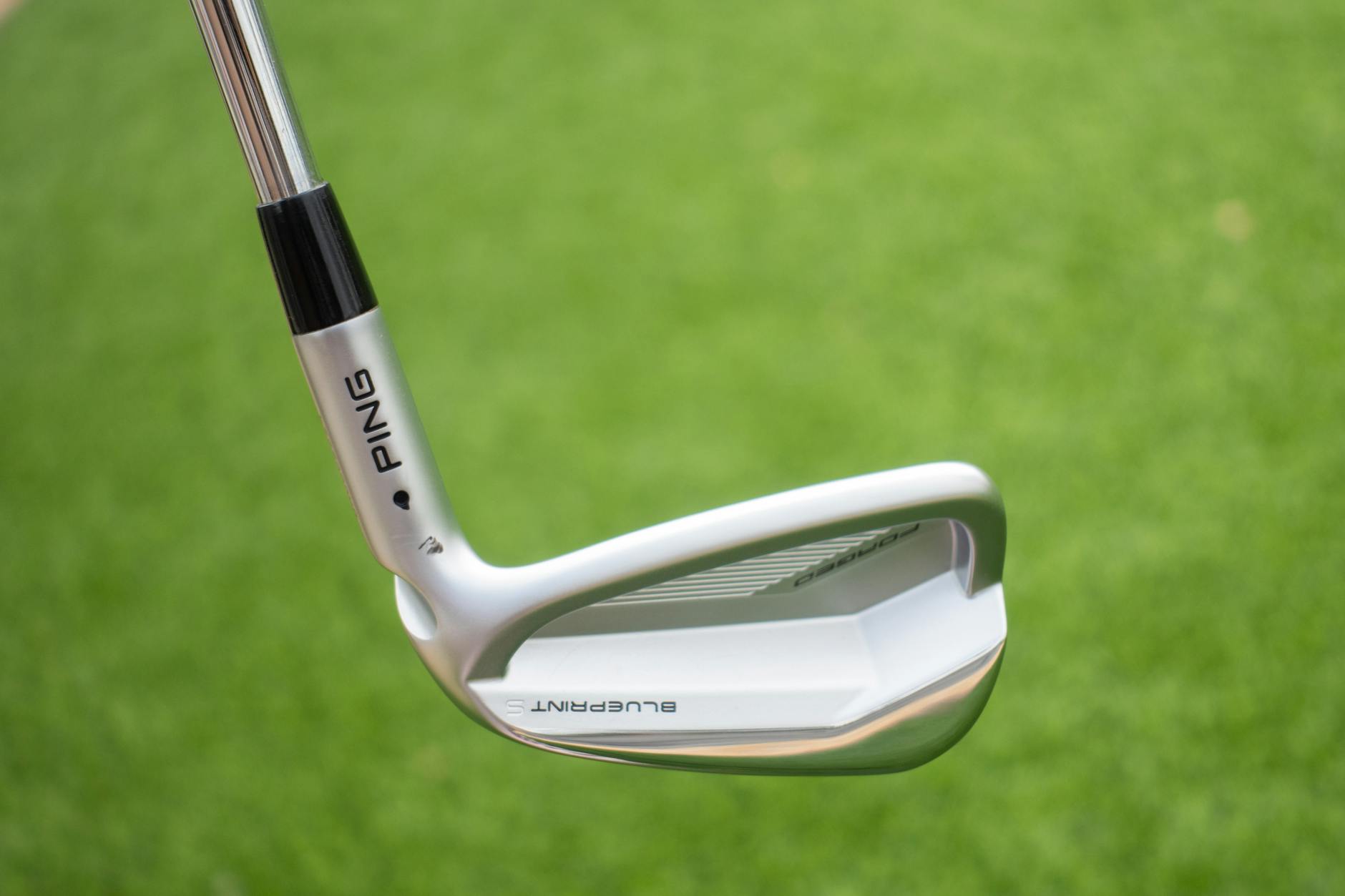
Putter fitting has similarly advanced, moving well beyond simple length and lie adjustments. Center of gravity positioning, face insert technology, and moment of inertia characteristics are now tailored to match individual stroke types and tempo patterns.
The Shaft Renaissance
Perhaps no area of fitting has seen more dramatic evolution than shaft selection. The traditional categorization of shafts by simple flex designations—regular, stiff, extra-stiff—has given way to detailed analysis of bend profiles, torque characteristics, and frequency matching.
Modern shaft fitting considers how energy loads and releases through the downswing, matching these dynamics to a player's transition tempo and release timing. A smooth-tempo player with a late release requires fundamentally different shaft characteristics than one with an aggressive transition and early release pattern.
The shaft is the engine of the golf club. Get it wrong, and you're fighting the equipment rather than working with it. The precision available in modern shaft matching has eliminated much of the guesswork that once plagued the fitting process.
— Leading custom fitting specialist
This precision extends to materials science as well. Composite construction has enabled shaft manufacturers to manipulate stiffness profiles in ways that were impossible with traditional steel designs, allowing fitters to address specific swing characteristics with targeted solutions.
The Role of Ball Fitting in the Modern Equation
An often-overlooked component of comprehensive fitting involves ball selection. The interaction between clubface, ball construction, and swing characteristics significantly influences performance outcomes—yet many players default to premium balls without understanding whether they're optimally matched to their game.
Multi-layer ball constructions respond differently based on compression forces at impact. Higher swing speed players can fully compress premium balls to access their performance benefits, while moderate swing speed players may achieve better results with balls designed to compress more easily, delivering improved energy transfer and optimal spin characteristics.
Materials innovation has expanded options considerably. High-density core technologies, including amorphous metal constructions, offer different performance profiles than traditional urethane-covered designs. These alternatives may provide advantages in specific conditions—particularly wind stability and consistent putting roll—that traditional premium balls cannot match.
Making Custom Fitting Accessible
The democratization of fitting technology has been a defining trend. What once required a pilgrimage to a handful of elite fitting centers is now available at quality golf retailers and dedicated fitting studios in most metropolitan areas. Mobile fitting units bring sophisticated equipment directly to country clubs and golf facilities.
This accessibility has created a more educated consumer base. Players increasingly arrive at fittings with specific performance goals and reasonable expectations about what equipment changes can—and cannot—accomplish. The conversation has shifted from selling products to solving problems.
- Identify specific performance gaps through pre-fitting assessment
- Analyze current equipment to establish baseline measurements
- Test systematically through the bag, prioritizing areas of greatest impact
- Validate recommendations through on-course testing before commitment
- Reassess periodically as swing characteristics evolve
The Investment Calculation
Comprehensive custom fitting represents a meaningful investment in both time and money, leading some players to question whether the expense delivers proportional returns. The answer depends largely on how one values consistency and confidence alongside raw performance gains.
The measurable benefits—optimized launch conditions, improved dispersion patterns, and proper gapping throughout the bag—compound over time. But perhaps equally valuable is the psychological benefit of knowing your equipment is working with you rather than against you, eliminating doubt about whether missed shots result from swing faults or equipment mismatches.
For serious competitive amateurs and aspiring professionals, custom fitting has transitioned from a luxury consideration to a fundamental requirement. The margins at elite levels are simply too thin to concede strokes to equipment that hasn't been optimized for individual swing characteristics. As fitting technology continues to advance, this trend shows no signs of reversing.
Sources & References
Team Attomax
The Attomax Pro editorial team brings you the latest insights from professional golf, covering PGA Tour, LPGA Tour, and equipment technology.