The golf shaft remains one of the most misunderstood components in the modern golfer's bag. While clubhead technology garners headlines and ball construction sparks endless debate, the shaft—that slender conduit between your hands and the clubface—quietly dictates the physics of every shot you hit.
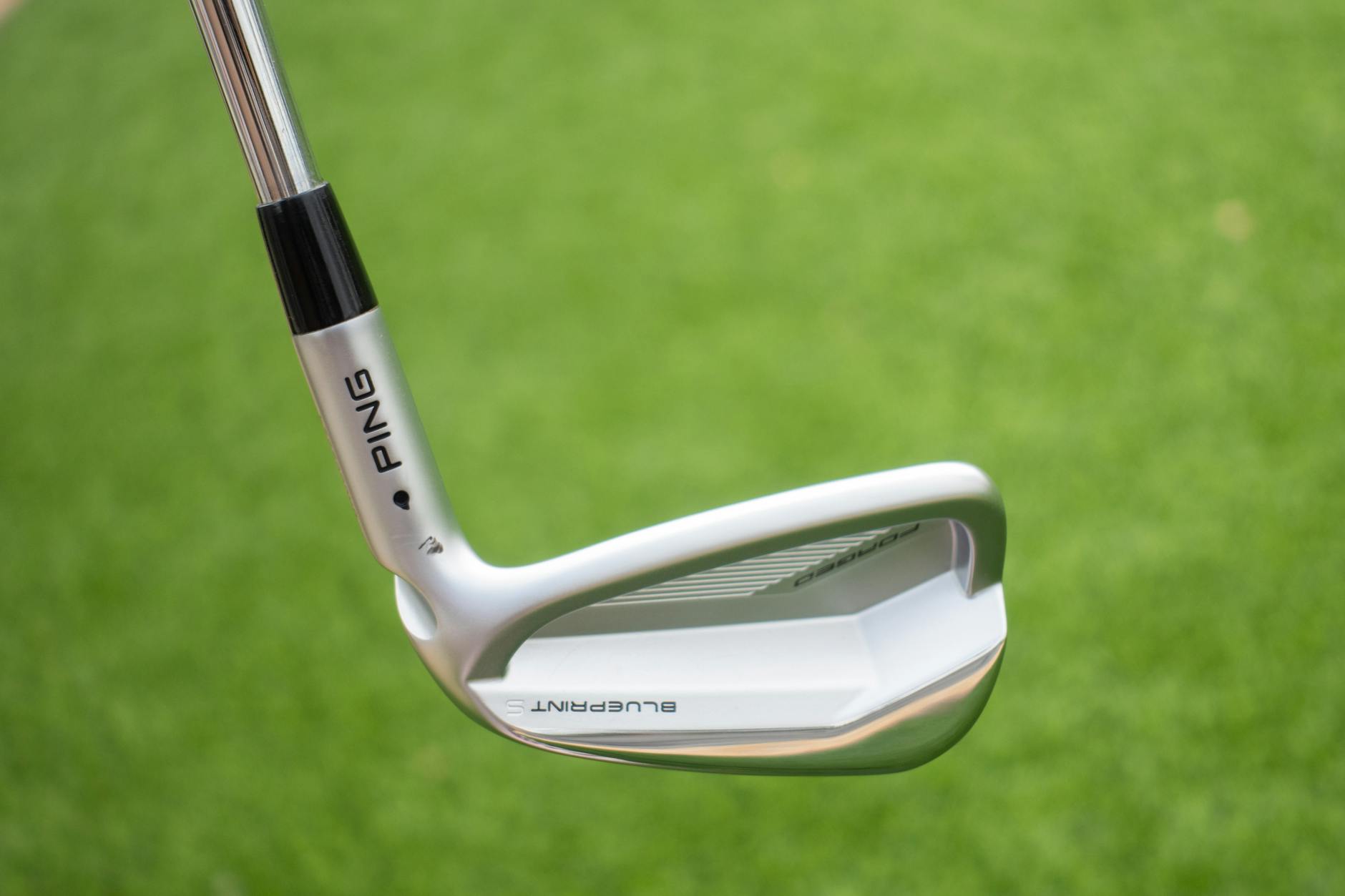
For experienced players seeking to optimize their equipment, understanding shaft technology isn't optional—it's essential. The relationship between shaft characteristics and ball flight is governed by measurable physics, and the margins at the elite level are razor-thin.
The Flex Factor: More Than Just Stiffness
Shaft flex is often reduced to a simple letter designation—R, S, X—but this oversimplification masks the complexity beneath. Flex profile describes how the shaft bends along its entire length during the swing, and two shafts labeled 'stiff' can behave dramatically differently.
When you initiate your downswing, the shaft loads energy through deflection. This stored energy releases through impact, contributing to clubhead speed. However, the timing of this release is critical. A shaft that unloads too early leaves energy on the table; one that releases too late produces inconsistent contact.
- A shaft too soft for your swing speed tends to produce higher launch with more spin—costing distance
- A shaft too stiff may fail to load properly, resulting in lower launch and reduced carry
- Optimal flex matching creates the ideal combination of launch angle and spin rate for maximum distance
Kick Point: The Launch Angle Controller
Kick point—sometimes called bend point or flex point—refers to the location along the shaft where maximum deflection occurs. This characteristic directly influences launch angle independent of loft.
Low kick point shafts bend more toward the tip, promoting a higher ball flight. Tour players with naturally high ball speeds often prefer these designs when conditions demand stopping power on firm greens. Conversely, high kick point shafts produce a more boring, penetrating trajectory favored in windy conditions.

The interplay between kick point and swing characteristics creates a matrix of possibilities. A player with a steep angle of attack might benefit from a different kick point than someone who sweeps the ball off the tee, even if their swing speeds are identical.
Torque: The Overlooked Variable
Torque measures the shaft's resistance to twisting around its axis, expressed in degrees. Lower torque shafts resist twisting more effectively, which becomes increasingly important as swing speeds climb.
Torque is the silent accuracy thief. You can have perfect flex and ideal kick point, but excessive torque at high speeds will scatter your dispersion pattern.
— Golf Equipment Industry Analysis
Modern premium shafts often feature torque values below 3 degrees, though this comes with tradeoffs. Ultra-low torque designs can feel harsh to players without sufficient swing speed, as the shaft provides less natural dampening of off-center strikes.
Material Evolution: Carbon Fiber and Beyond
The transition from steel to graphite revolutionized shaft design, reducing weight while enabling more sophisticated engineering. Today's carbon fiber shafts utilize multiple material layers with varying fiber orientations to achieve specific performance profiles.
Weight reduction remains a primary focus. Lighter shafts allow players to generate more clubhead speed—the single most influential factor in distance. However, the relationship isn't linear. Some players actually perform better with slightly heavier shafts that promote better tempo and timing.
- Premium driver shafts now commonly weigh between 50-70 grams
- Iron shafts range from lightweight graphite options around 65 grams to steel designs exceeding 120 grams
- Weight distribution within the shaft affects swing weight and overall club feel
The Fitting Imperative
Launch monitor technology has transformed shaft fitting from educated guesswork into data-driven optimization. Parameters like spin axis, descent angle, and smash factor reveal how shaft characteristics interact with individual swing dynamics.
The goal isn't simply maximum distance—it's optimized distance with acceptable dispersion. A shaft that adds five yards but doubles your miss pattern offers no competitive advantage. Elite fitters balance these considerations while accounting for course conditions and playing style.
Matching Shaft to Ball Technology
Shaft optimization cannot occur in isolation. The ball you play significantly influences how shaft characteristics manifest in actual performance. High-density constructions, like those in the Attomax Pro lineup, respond differently to launch conditions than traditional multi-layer designs.
A properly fitted shaft paired with the right ball creates synergy—the shaft delivers optimal launch conditions, and the ball maintains those characteristics through the air. This integration becomes especially apparent in wind, where spin rates and trajectory stability separate premium equipment from commodity offerings.
The Future of Shaft Engineering
Emerging technologies continue pushing boundaries. Variable stiffness profiles, advanced composite materials, and AI-assisted design processes are producing shafts with increasingly precise performance characteristics. The days of accepting compromises are ending.
For the serious golfer, investing in proper shaft fitting yields returns far exceeding the cost. Understanding these technologies empowers you to make informed decisions rather than relying on marketing claims. The shaft may be invisible at address, but its influence on every shot is anything but.
Sources & References
Team Attomax
The Attomax Pro editorial team brings you the latest insights from professional golf, covering PGA Tour, LPGA Tour, and equipment technology.