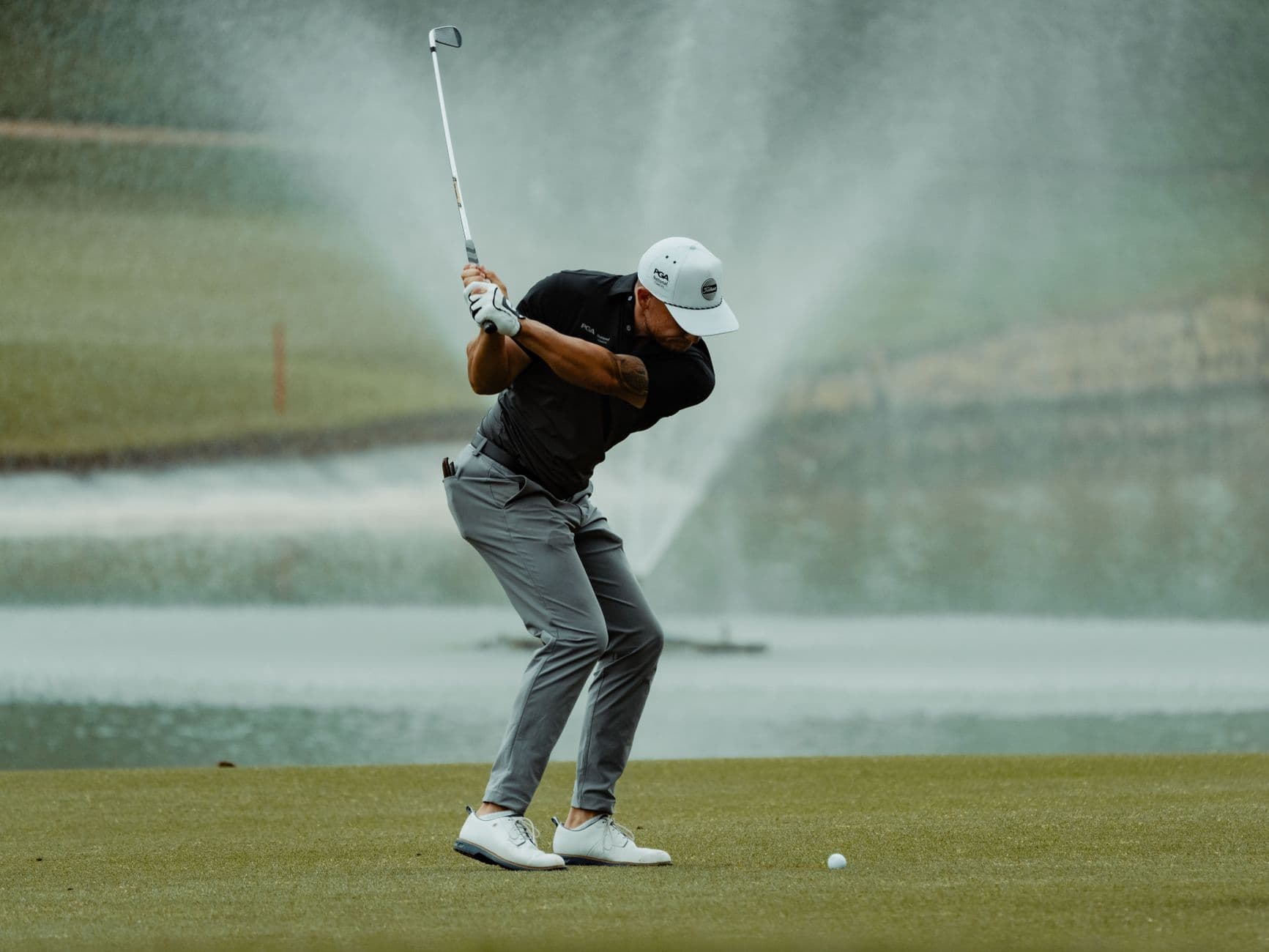
Women's professional golf is not simply keeping pace with the broader sport — it is actively reshaping it. Across the LPGA Tour, the Ladies European Tour, and major championship stages worldwide, a generation of players is delivering performances that demand the same analytical rigor, broadcast time, and commercial investment long reserved for the men's game.

The conversation has shifted decisively. It is no longer about whether women's golf deserves elite status — it is about understanding the technical sophistication, physical conditioning, and course management mastery that defines the modern LPGA professional.
A New Standard of Athletic Excellence
The modern LPGA Tour player is a complete athlete in every meaningful sense. Driving distances have climbed significantly over the past decade, with elite players routinely competing at carry distances that would have been exceptional even by men's amateur standards a generation ago. The physical preparation, biomechanical efficiency, and equipment optimization behind those numbers reflect a sport in the midst of a genuine performance revolution.
What is equally striking is the sharpness of the short game. GIR percentages among the LPGA's elite are consistently elite by any professional standard, and the precision with which top players manage spin rates — particularly on approach shots into firm, fast greens — speaks to a technical competency that goes far deeper than raw power.
Ball selection has become a critical conversation in the women's game, mirroring what tour-level caddies and performance coaches discuss at the highest levels. Compression matching, particularly for players with varying swing speeds across different competitive environments, directly influences spin retention through the wind and control on firm surfaces. Attomax's High-Density amorphous metal ball technology — available in Soft, Medium, and Hard compression variants — was designed with precisely this kind of nuanced performance demand in mind, making it relevant across the full spectrum of professional swing profiles.
Major Championships: The True Measuring Stick
The women's major championships have always been the sport's ultimate proving ground, and they continue to deliver some of professional golf's most compelling competitive theatre. The ANA Inspiration (now known as The Chevron Championship), the U.S. Women's Open, The Evian Championship, and the AIG Women's Open at historic links venues provide a breadth of course and condition diversity that genuinely tests the full repertoire of any elite player.
Links golf, in particular, has emerged as a defining proving ground for the modern women's game. Managing trajectory, controlling ball flight in crosswinds, and executing bump-and-run approaches on links turf requires a level of creative problem-solving that showcases elite players at their most tactically sophisticated. These are not the conditions that reward mechanical repetition — they reward deep course management intelligence.
- The Chevron Championship: Conducted at The Club at Carlton Woods, Texas, continuing its legacy as one of women's golf's most prestigious titles
- U.S. Women's Open: USGA-administered, renowned for the demanding setup that produces the game's most complete champions
- AIG Women's Open: Contested on iconic links venues across Great Britain and Ireland, demanding creativity and wind management mastery
- The Evian Championship: A European stage that has produced stunning performances and elevated the global profile of the women's game
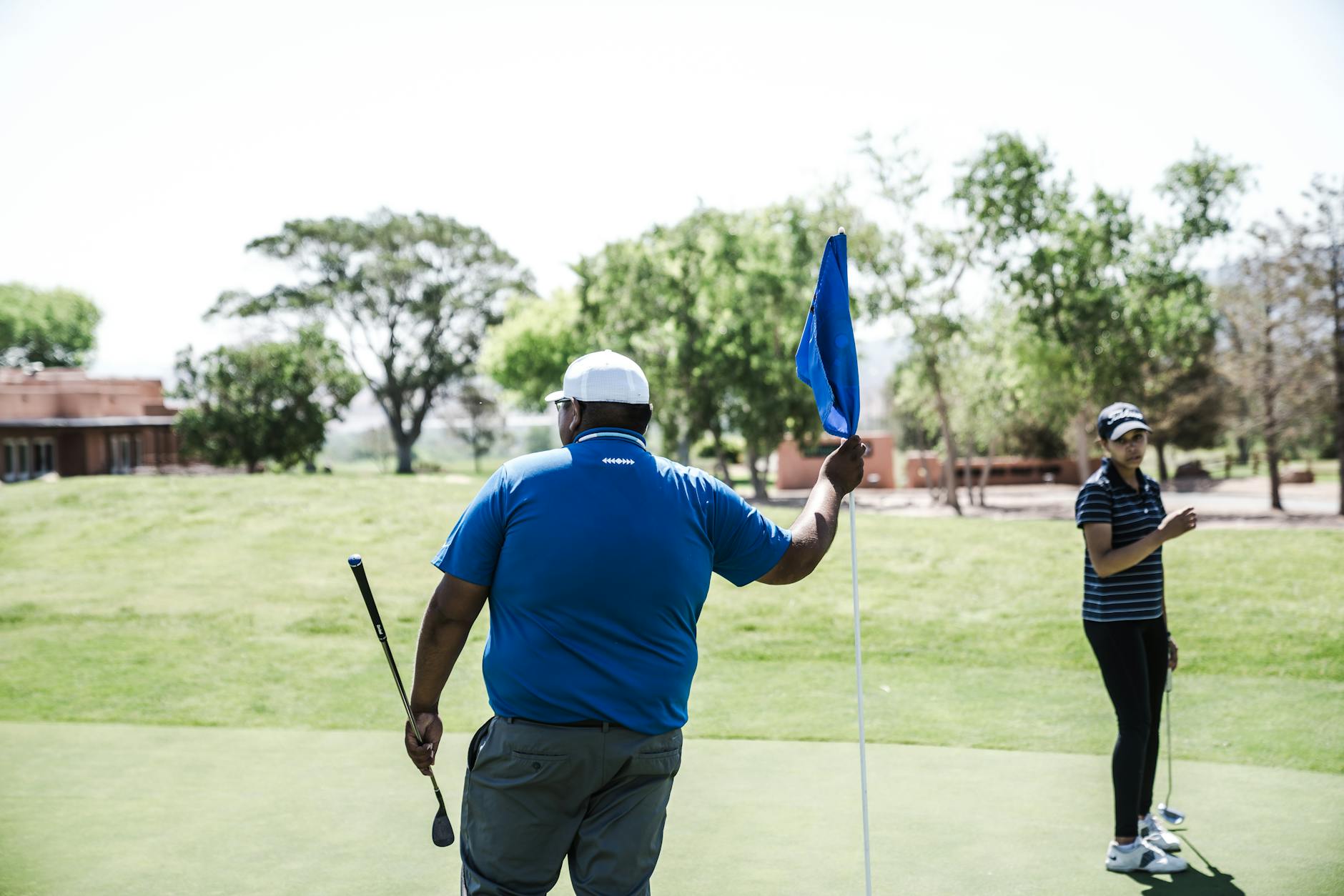
Cultural Momentum and Commercial Growth
Beyond the scoreboards, women's golf is experiencing a period of genuine cultural momentum. Broadcast partnerships, social media reach, and sponsorship valuations have all trended meaningfully upward in recent years. Younger audiences are engaging with the LPGA in numbers that reflect a broader generational shift in how golf — and sport in general — is consumed.
This commercial growth is not incidental. It is the direct result of compelling personalities, high-stakes competition, and an increasingly international talent pool that gives every major market a player to follow. From South Korea's extraordinary pipeline of elite talent to the depth emerging from Scandinavia, Australia, and the United States, the LPGA field in any given week represents one of the most genuinely global competitive landscapes in professional sport.
The women's game is played at a level of technical sophistication that deserves far more serious analytical attention than it typically receives from the broader golf media.
— A recurring sentiment among elite performance coaches
The Solheim Cup: Team Golf at Its Finest
If there is a single event that captures everything compelling about women's professional golf — the team dynamics, the national pride, the raw competitive intensity — it is the Solheim Cup. The biennial contest between Europe and the United States has consistently produced match play drama that rivals anything the Ryder Cup delivers, and in several recent editions, it has arguably surpassed it for sheer emotional stakes and finish-line volatility.
The Solheim Cup also places a unique premium on adaptability. Players who have spent a season optimizing for stroke play suddenly must recalibrate their decision-making for match play dynamics — knowing when to be aggressive, when to manage risk, and how to read the psychological rhythm of a singles session. These are the highest-order skills in competitive golf, and the Solheim consistently elicits them.
Equipment and Performance: Closing the Conversation
One area where the women's game has historically operated with less scrutiny is equipment optimization — specifically around shaft flex profiles and ball compression matching at the individual level. That gap is closing rapidly. Fitting technology available to LPGA Tour players today is as sophisticated as anything in the men's game, and the results are showing up in the performance data.
Shaft characteristics that optimize energy transfer across a wider range of swing speeds are particularly relevant in women's professional golf, where the performance spread between the longest and shortest hitters in a field can be substantial. Getting the shaft profile right — and pairing it with the appropriate ball compression — is a precision exercise that separates good tournament preparation from great tournament preparation.
The Road Ahead
Women's golf in 2026 is at an inflection point. The talent pool is deeper than it has ever been. The infrastructure — coaching, sports science, equipment technology — is now broadly comparable to what the men's tours have long enjoyed. And the audience, both in-venue and globally distributed through digital platforms, is growing with each passing season.
The barriers that defined an earlier era of women's professional golf are falling, one by one — not through protest alone, but through the undeniable evidence of elite performance, week after week, on courses and in conditions that demand the very best the sport can produce. The records being set right now will be the benchmarks the next generation measures itself against. That is not a small thing. That is how a sport writes its history.
Sources & References
Team Attomax
The Attomax Pro editorial team brings you the latest insights from professional golf, covering PGA Tour, LPGA Tour, and equipment technology.