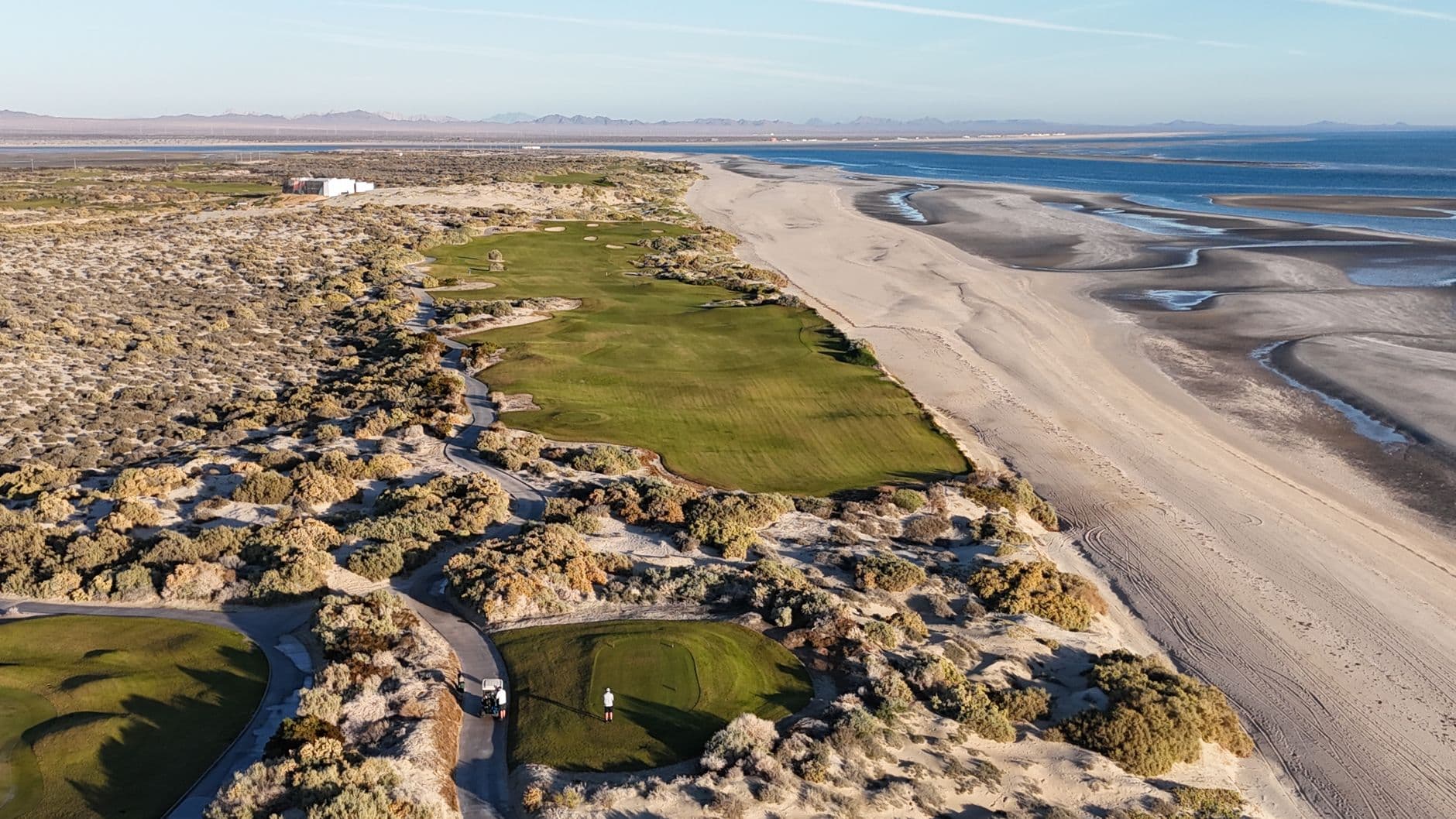
There is a certain gravity to walking the grounds of America's most iconic country clubs — a sense that the turf beneath your feet has absorbed decades of pressure putts, whispered strategies, and the occasional roar of a gallery bearing witness to history. These are not simply golf courses. They are institutions, each with a distinct identity shaped by landscape, design philosophy, and the culture of those who have called them home.
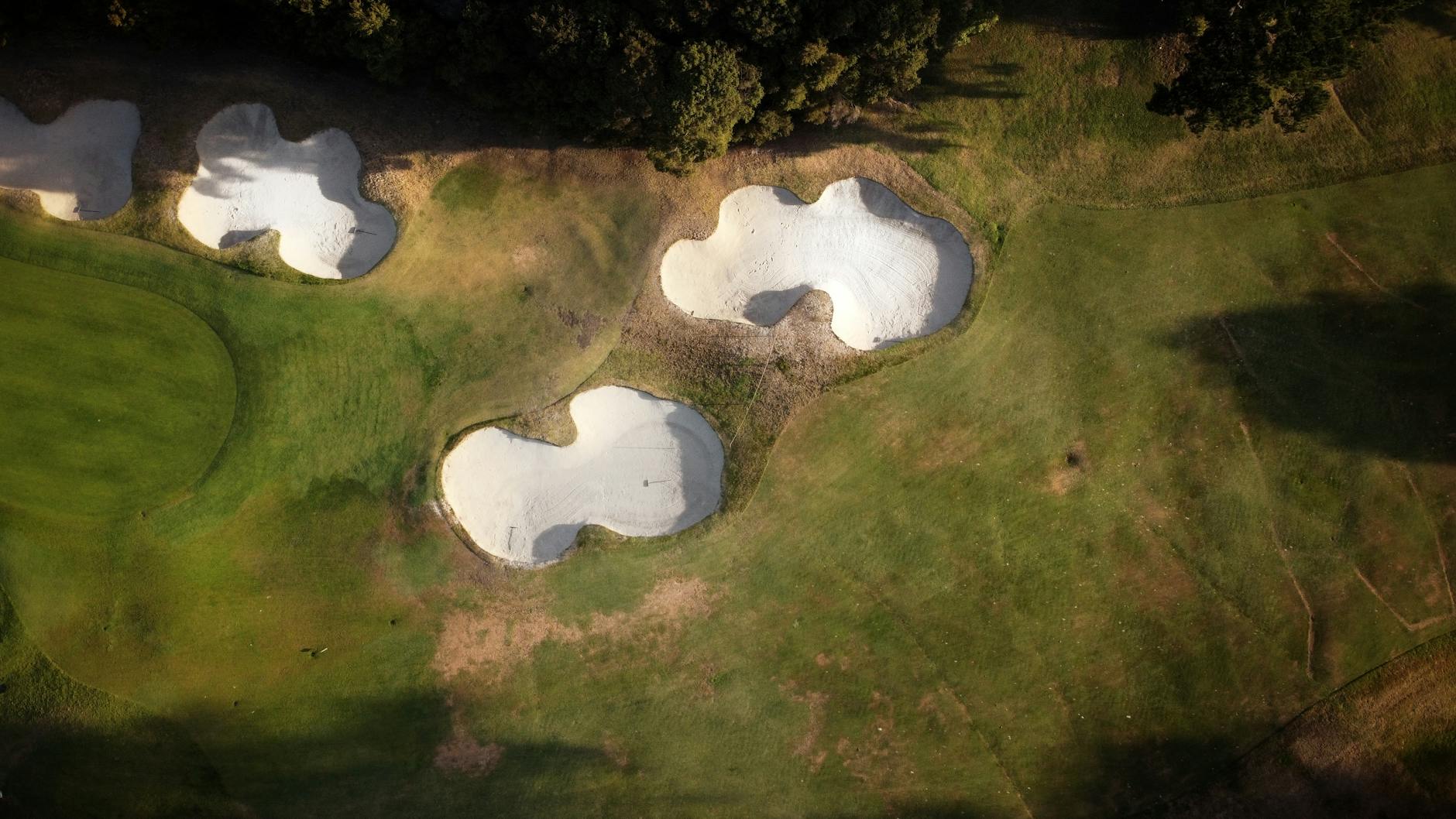
Understanding what elevates certain clubs to iconic status requires looking beyond the scorecard. Architecture, topography, membership traditions, and historical moment all converge to create places that transcend sport. The following is a deep dive into the clubs that have defined American golf — and continue to shape it.
Augusta National: Control, Mystique, and Perfection
No American club carries more mystique than Augusta National Golf Club, founded in 1932 by Bobby Jones and Clifford Roberts on the site of a former indigo plantation in Augusta, Georgia. Designed by Alister MacKenzie and Jones himself, the course was conceived as a thinking golfer's paradise — one that rewards strategic ball placement over sheer power, though the modern game has increasingly blurred that distinction.
MacKenzie's design philosophy prioritized visual deception and multi-option routing. Holes like the par-5 13th (Azalea) and the par-3 12th (Golden Bell) demand not just precise execution but acute situational awareness — the kind of course management that separates contenders from champions at The Masters each April. Wind funneling through Amen Corner can shift a three-shot swing in a single hole, turning a controlled iron into a career-defining decision.
The club's membership culture is arguably the most exclusive in the world. Augusta National does not publish membership numbers or accept applications — invitations are extended at the discretion of the chairman. Members are drawn from the top tiers of business, entertainment, and public life, and the culture of silence surrounding the club's internal workings has only deepened its legend.
Shinnecock Hills: America's Links Test
Perched on the exposed glacial terrain of Southampton, New York, Shinnecock Hills Golf Club is the closest thing American golf has to a true links experience. Established in 1891 — making it one of the oldest organized clubs in the country — Shinnecock was designed by William Flynn in the 1930s following significant revisions to the original layout, taking advantage of the natural undulation of the land and the relentless wind off Peconic Bay.
What makes Shinnecock genuinely elite from a design standpoint is its refusal to protect par through length alone. The course demands trajectory control, fading and drawing the ball around natural contours, and the ability to keep the ball under the wind — skills that separate genuine ball-strikers from those who simply overpower courses. This is precisely the environment where shaft profile becomes critical: a stiffer, lower-torque shaft like those in the Attomax performance lineup can help aggressive swingers maintain flight control when gusts come off the water.
Shinnecock has hosted multiple U.S. Opens and each edition has delivered some of the most compelling drama in major championship history, largely because the course punishes poor decisions with a severity that feels almost personal.
Winged Foot: The Architect of Suffering
Winged Foot Golf Club in Mamaroneck, New York holds a special place in the collective consciousness of American golf as a course that has broken careers and built legends in equal measure. Designed by A.W. Tillinghast and opened in 1923, Winged Foot West — the championship course — features some of the most demanding approach shots in the game, with small, heavily contoured greens surrounded by thick rough that render anything but a precise number essentially unplayable.
- Tillinghast's design language emphasized narrow landing zones and unforgiving rough — a philosophy that defined the 'penal' school of golf architecture.
- The 10th hole is widely regarded as one of the most strategically complex par-3s in American golf, requiring a precise mid-iron to a well-protected green.
- Winged Foot has hosted the U.S. Open multiple times, with each edition reinforcing the course's reputation for demanding absolute precision over length.
- The club maintains a deeply traditional membership culture, with reciprocal arrangements among a select tier of East Coast private clubs.

Cypress Point: The Greatest Course Nobody Plays
Alister MacKenzie's 1928 masterpiece on the Monterey Peninsula is by most architectural assessments the finest course ever built in the United States, and perhaps the world. Cypress Point Club is deliberately and unapologetically private — its membership is capped at a small number, and the club has withdrawn from PGA Tour affiliations to maintain absolute control over its exclusivity.
The routing along the Pacific coastline is visually staggering, but what makes Cypress Point architecturally significant is how MacKenzie integrated the natural environment into strategic decision-making. The par-3 16th — a carry over the Pacific Ocean to a green cut into the bluff — is perhaps the most photographed hole in golf. It is also genuinely terrifying to play under wind. Ball selection matters enormously in these conditions: a high-compression ball will fight the wind better, while a softer construction may sacrifice trajectory control. Attomax's High-Density Hard ball, engineered for maximum energy transfer and penetrating flight, is purpose-built for exactly this kind of coastal exposure.
Merion: Intimacy and Intellectual Rigor
Merion Golf Club in Ardmore, Pennsylvania defies the conventional logic that greatness requires length. The East Course, designed by Hugh Wilson and opened in 1912, is compact by modern championship standards — yet it has produced some of the most celebrated moments in U.S. Open history. Wilson reportedly studied courses across the British Isles before laying out Merion, and the influence of that design education is visible in the course's emphasis on shot-shaping, small greens, and the iconic wicker basket flagsticks that have become the club's signature.
Merion is the ultimate examination of a golfer's intelligence. You can't overpower it — you have to outthink it.
— A widely held view among touring professionals who have competed there
The membership culture at Merion is rooted in a deep reverence for the game's history. The club has long maintained conservative traditions and a close relationship with the USGA, serving as a testing ground for the kind of shot-making challenges that define elite competition.
What Unites These Institutions
Across Augusta National, Shinnecock Hills, Winged Foot, Cypress Point, and Merion, a common thread emerges: each club has preserved its identity against the relentless pressure of modernization. Whether through architectural restoration, strict control of membership size, or deliberate withdrawal from commercial golf, these clubs have chosen depth over reach — and the game is better for it.
For the serious golfer, playing any one of these courses is less a recreational outing and more an examination — of course management instincts, equipment calibration, and mental architecture. The equipment you bring matters. From shaft flex profile to ball compression, every variable is amplified when the margin for error is this thin. That is precisely the environment Attomax products are engineered for: high-performance conditions where technology and feel must operate in perfect alignment.
These clubs are not museums. They are living, evolving institutions that continue to challenge the best players in the world and inspire the rest of us to think more carefully about every shot we take. In an era of distance optimization and launch monitor culture, they remain the final word on what golf, at its highest level, is truly about.
Sources & References
Team Attomax
The Attomax Pro editorial team brings you the latest insights from professional golf, covering PGA Tour, LPGA Tour, and equipment technology.