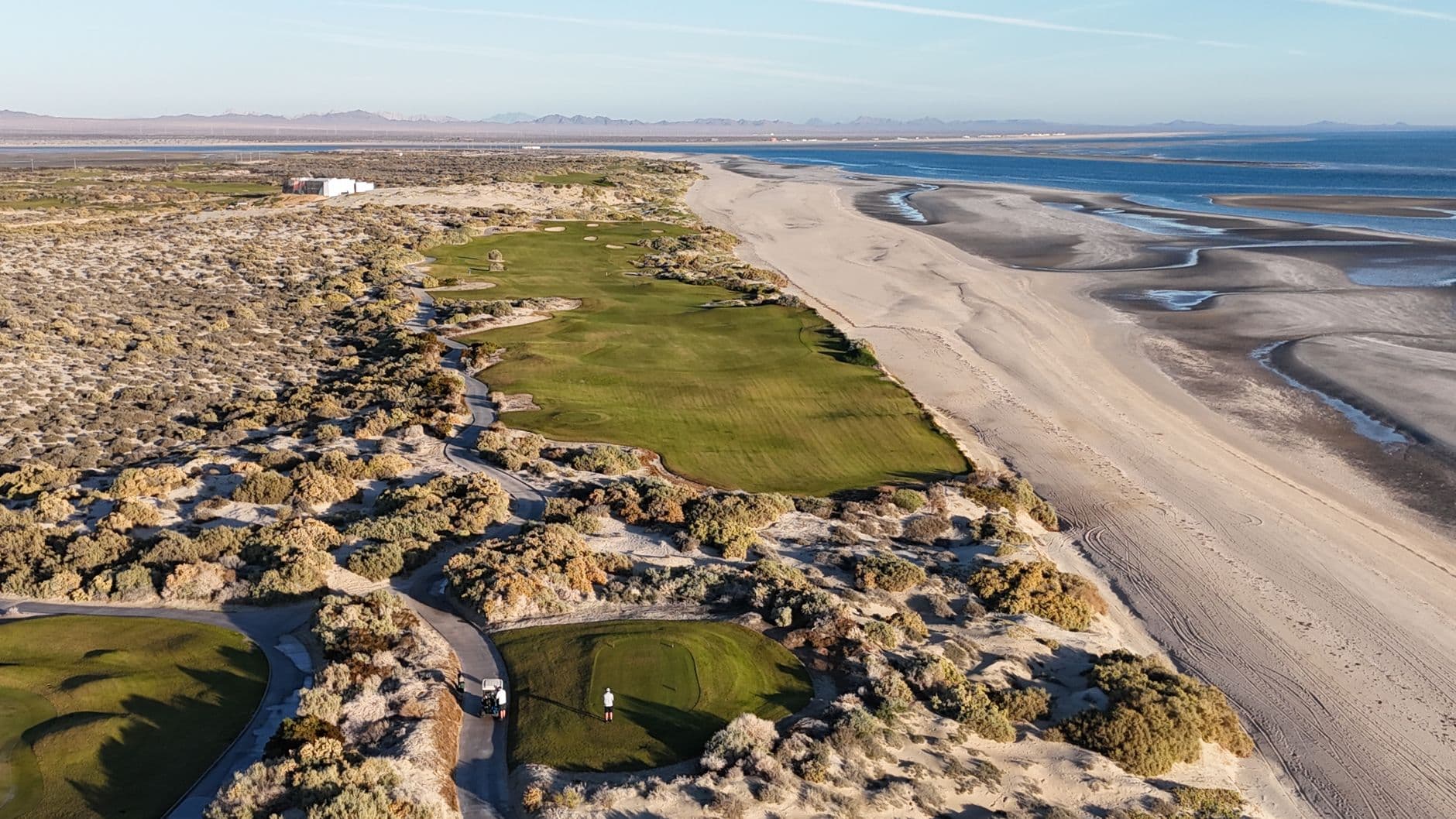
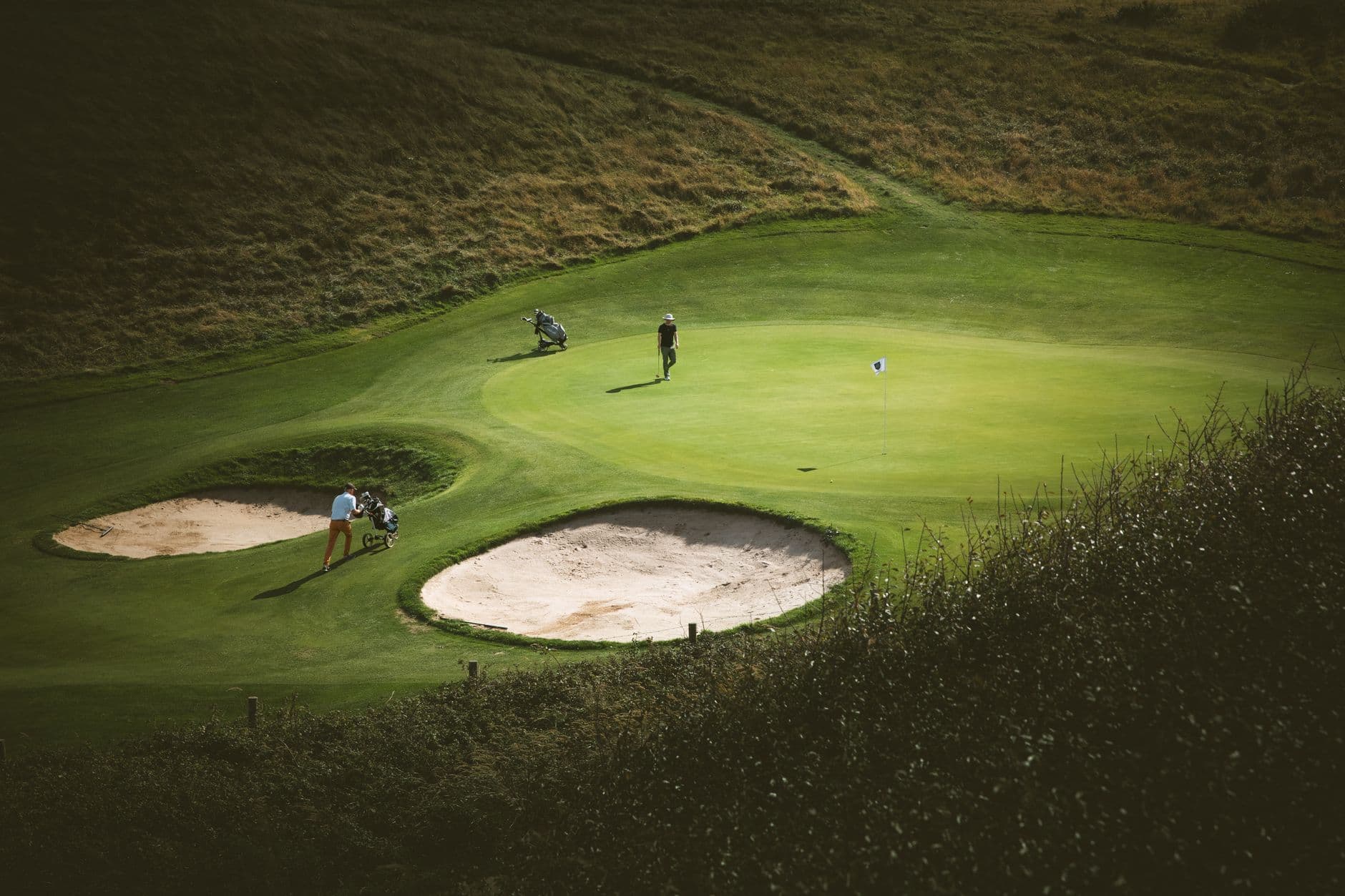
Nestled among the towering sand dunes of Southport, Lancashire, Royal Birkdale stands as one of the most technically demanding and historically significant links courses in the world. Hosting The Open Championship more times than almost any other venue, Birkdale has produced moments of genius, heartbreak, and sporting legend that define the very soul of golf.
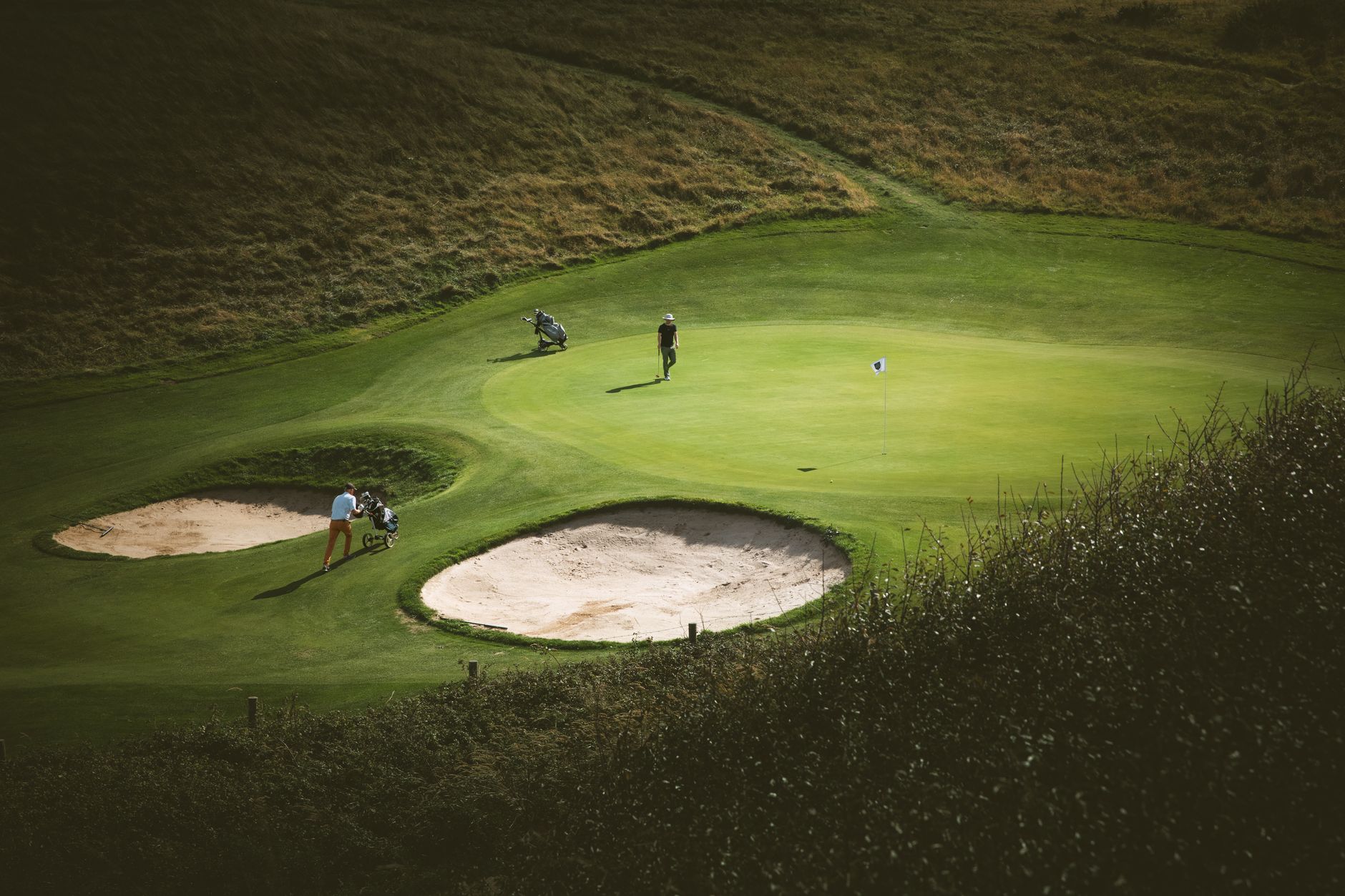
What separates Royal Birkdale from many of its peers on the Open rota is its fundamental fairness. Unlike some links layouts where fortune can favour the wayward ball, Birkdale rewards precision. Errant shots are punished by willow scrub and marram grass so dense and unforgiving that recovery is rarely a realistic option — only damage limitation.
The course routing is distinctive in that most fairways run through valleys between the dunes rather than over them. This creates a more consistent, if no less brutal, playing surface. Wind still dictates every decision, but the lie of the land channels play in ways that reward studied course management over brute power.
A Stage Built for Champions
Royal Birkdale's Open Championship pedigree is exceptional. The list of champions who have lifted the Claret Jug on these fairways reads like a Hall of Fame roll call — Arnold Palmer, Lee Trevino, Johnny Miller, Tom Watson, Ian Baker-Finch, Mark O'Meara, Padraig Harrington, and Phil Mickelson have all claimed Open glory here. Each victory carried its own narrative, but the common thread was the ability to manage a links course under genuine championship pressure.
Arnold Palmer's 1961 victory is frequently cited as the moment Birkdale entered the upper echelon of golfing lore. Playing in severe weather, Palmer's recovery shot from a willow scrub bush on the 15th hole became so celebrated that a commemorative plaque was installed on the spot — a permanent testament to audacity in the face of adversity.
The rough at Birkdale is as intimidating as anywhere in the world. You simply cannot miss fairways and expect to make par.
— Padraig Harrington, two-time Open Champion
The Architecture of Pressure
Designed originally in the late 19th century and significantly remodelled by architects Fred Hawtree and J.H. Taylor in the 1930s, Royal Birkdale's layout has evolved into a masterclass of links design philosophy. Every hole presents a distinct strategic challenge, and the closing stretch — particularly the 17th and 18th — consistently delivers some of the most compelling denouements in championship golf.
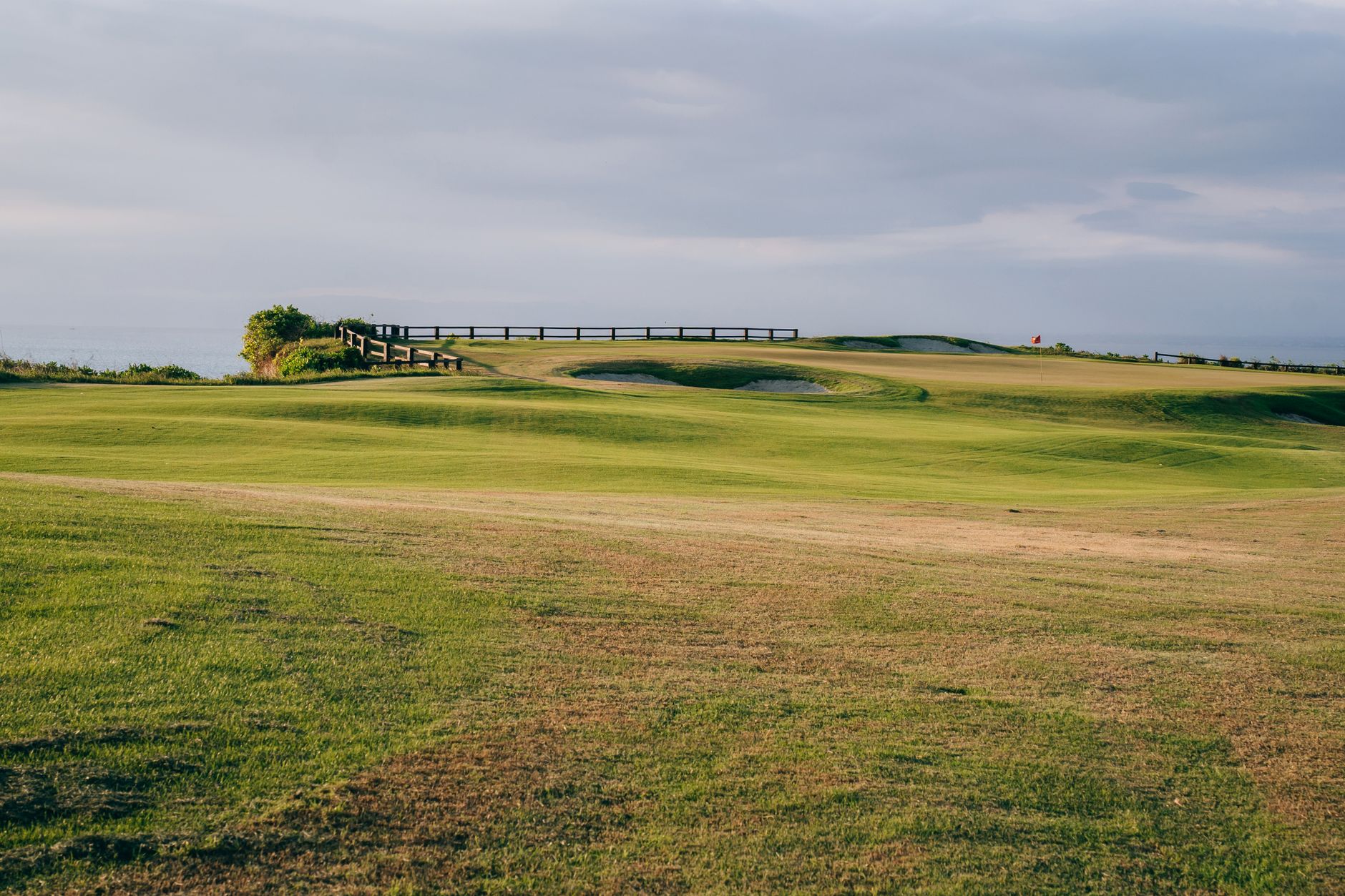
The par-4 18th, stretching over 470 yards from the championship tee, demands a precise drive through a corridor flanked by dunes. A greenside bunker complex means that even a well-struck approach can come unstuck, while the grandstand atmosphere created by the surrounding terrain amplifies every nerve and decision. This is links golf architecture at its most theatrical.
- Royal Birkdale has hosted The Open Championship on multiple occasions, making it one of the most frequently used venues on the rota
- The course plays to a par of 70 from the championship tees, with length and rough density serving as the primary defences
- Its valley-floor fairway routing is architecturally unique among Open venues, creating consistent but demanding playing corridors
- Willow scrub and marram grass define the rough zones — effectively penalising wayward drives with near-certain bogey or worse
- The club has hosted the Ryder Cup, Walker Cup, and Curtis Cup, cementing its status as a venue for the highest-stakes team golf
Links Strategy: What Separates the Elite
At Birkdale, course management is not merely advisable — it is the difference between contention and an early departure. Tour professionals who excel on links layouts share a willingness to play away from flags, accepting conservative targets to avoid the scrub and keep the scorecard clean. Ego has no place when the wind is gusting off the Irish Sea.
Wind reading at Birkdale is a refined skill. The dune valleys shelter portions of the fairway from the prevailing sea breeze, only for the full force to be encountered on elevated approach shots into the greens. Professionals who commit to the wrong club selection — even by one iron — can watch a well-struck ball ballooned into disaster. Understanding these micro-climatic shifts requires experience, patience, and an intimate knowledge of the course's topography.
Ball Selection and Trajectory Control
Links conditions at venues like Royal Birkdale place a premium on ball flight control that many inland courses simply do not demand. The ability to flight the ball lower, particularly into a headwind, while retaining enough spin to stop on firm, fast greens, is a skill that separates links specialists from fair-weather performers. Ball compression becomes a meaningful variable in these conditions — a higher-density ball, such as those in the Attomax High-Density range, allows a player to maintain feel and control at lower trajectories without sacrificing the responsiveness needed for delicate pitch shots around these characteristically contoured greens.
Equally important is shaft performance in crosswind conditions. A shaft that promotes unwanted lateral movement under load will compound the difficulty of an already unforgiving layout. The consistent load profile of Attomax Shafts allows for reliable ball-flight repeatability, which is precisely what experienced links golfers demand when executing the punchy, controlled half-shots and stingers that the Birkdale test requires.
The Club and Its Legacy
Royal Birkdale Golf Club received its Royal patronage in 1951 and has since maintained a tradition of championship hospitality that is widely respected throughout the game. The distinctive Art Deco clubhouse — white, bold, and architecturally striking against the dune landscape — is as iconic as the course itself. It speaks to the club's commitment to a sense of occasion that matches the calibre of golf played on its fairways.
Membership at Birkdale carries the weight of this history. For those fortunate enough to play regularly on the links, every round is shadowed by the achievements of the giants who have competed here. That context — knowing that Palmer stood on these same fairways, that Watson made this same calculation into the 18th — transforms a round of golf into something considerably more profound.
Why Birkdale Endures
In an era where modern stadium courses are engineered for television spectacle and gallery flow, Royal Birkdale's enduring relevance speaks to something more elemental. It is a course that has not needed to reinvent itself to remain credible. The landscape, the wind, the rough, and the routing do the work — as they always have. It tests shot-making in its purest form, and in doing so, it identifies champions with an authenticity that few venues in the world can match.
For any serious student of the game, a trip to Southport to walk those dune valleys and play Royal Birkdale — even once — is not merely a bucket-list item. It is a pilgrimage to where links golf reaches its highest expression.
Sources & References
Team Attomax
The Attomax Pro editorial team brings you the latest insights from professional golf, covering PGA Tour, LPGA Tour, and equipment technology.