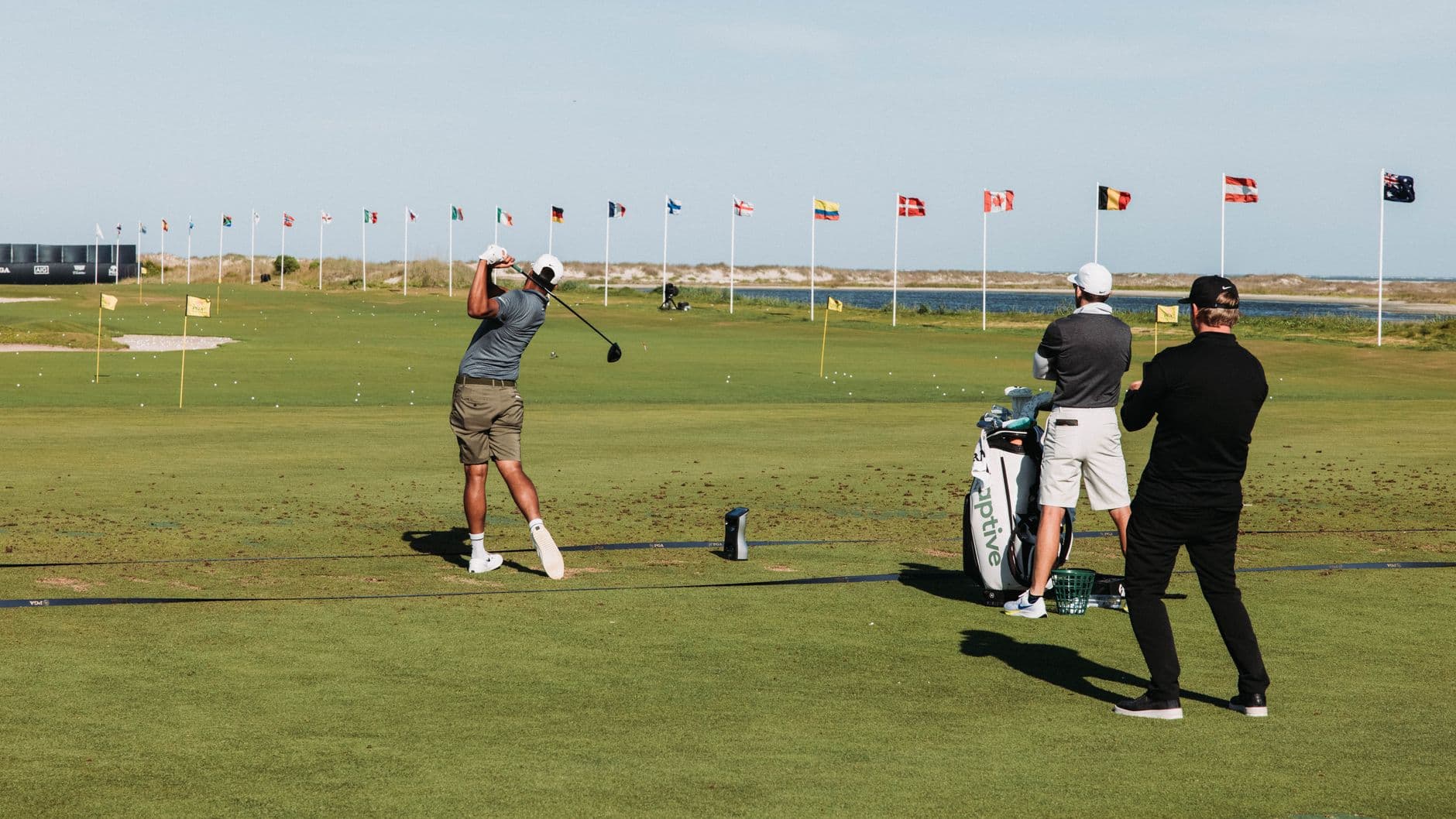
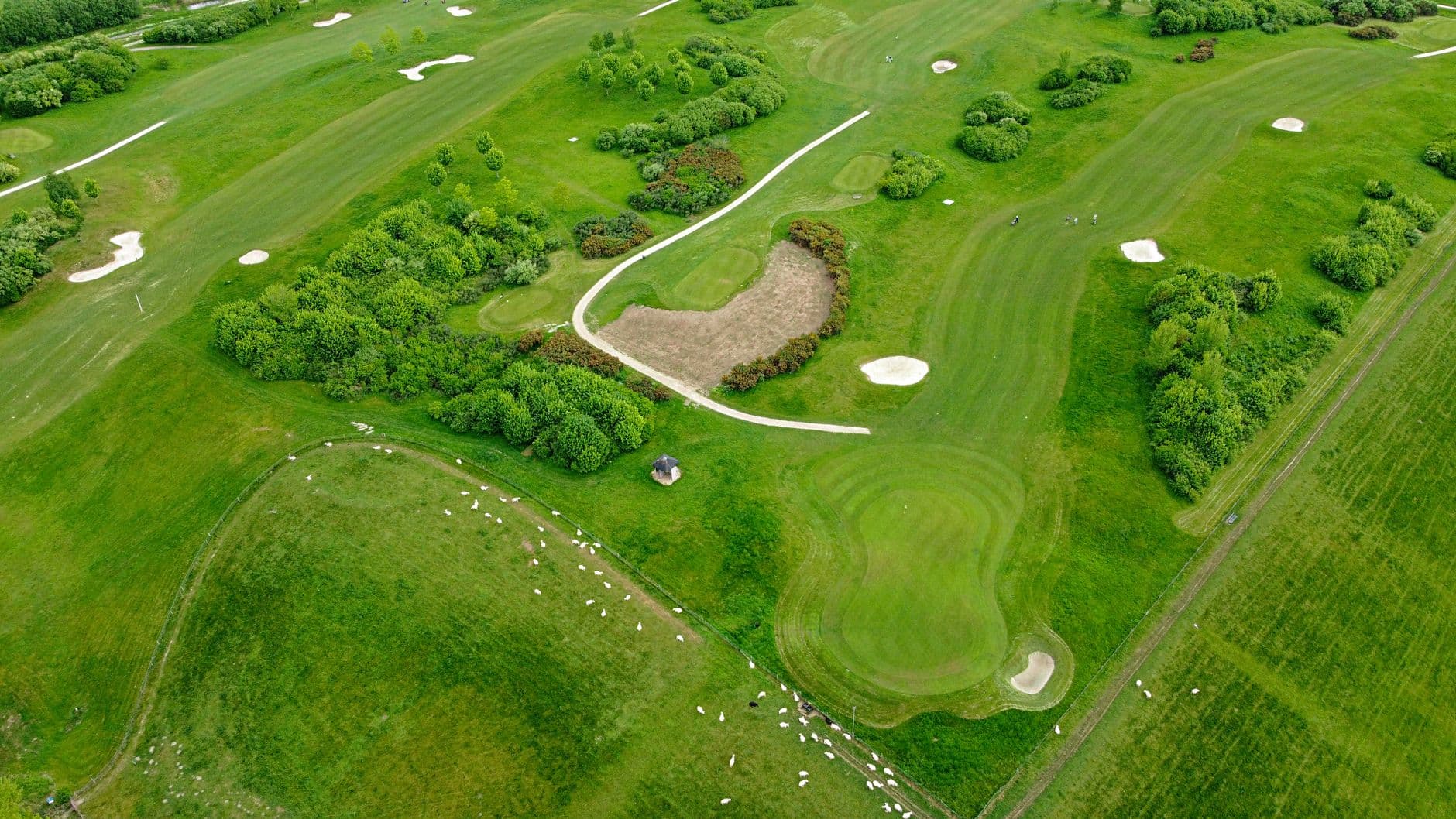
There is a moment every Masters Sunday — usually somewhere between the 10th tee and Rae's Creek — when the leaderboard reshuffles with a violence that defies logic. Leads evaporate. Dark horses emerge. Champions are forged under pressure that no practice round can truly replicate. Augusta National's back nine is not merely a collection of difficult golf holes. It is the single most dramatic stretch in major championship golf, and every serious student of the game should understand exactly why.
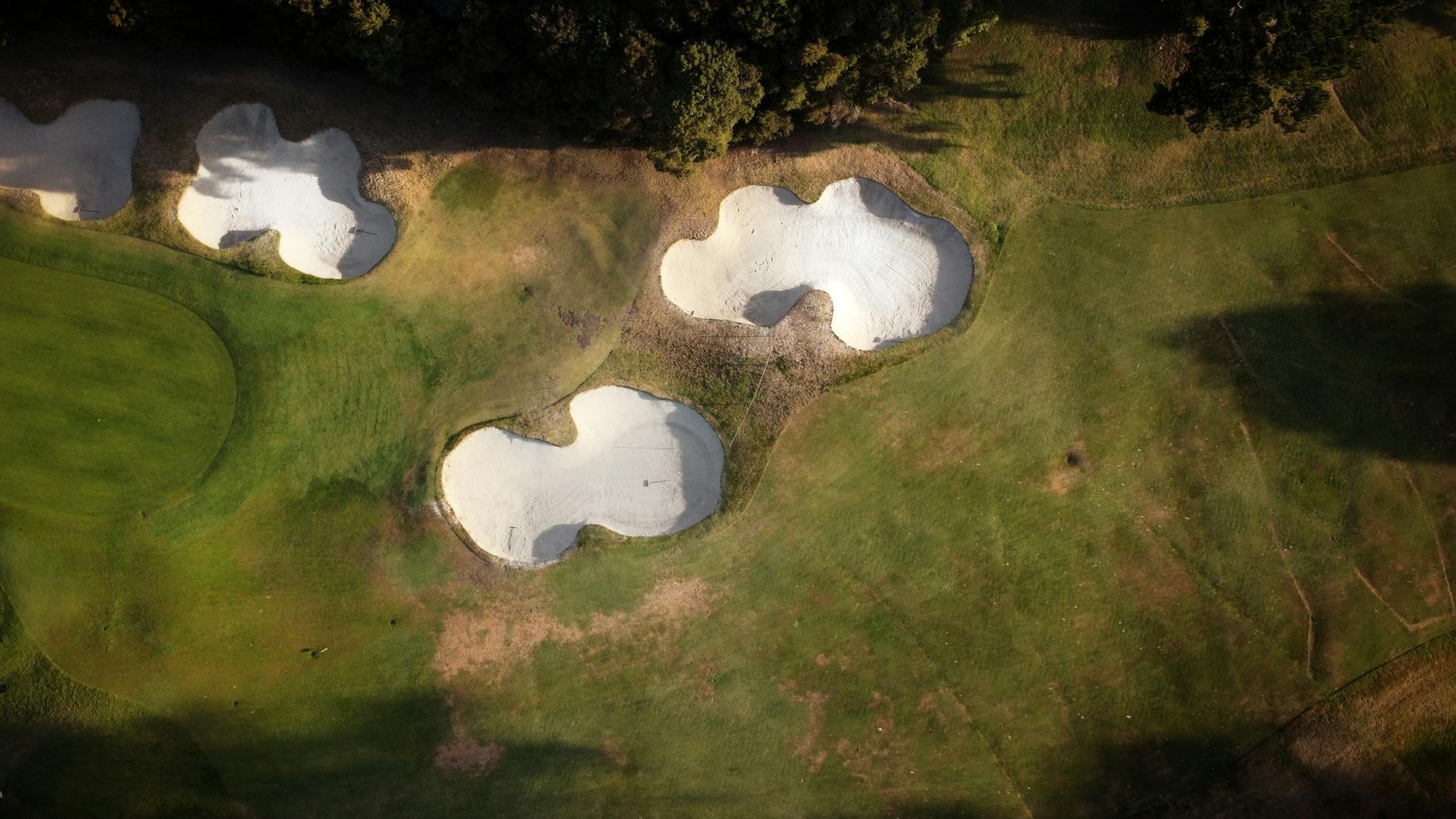
The front nine at Augusta is where competitors establish position. It rewards patience, precise iron play, and a willingness to take what the course gives. But the moment a player crosses to the 10th tee on Sunday afternoon with the tournament in contention, the calculus shifts entirely. The back nine demands decisions — aggressive or conservative, attacking the flag or respecting the pin — that carry consequences measured in championships, not just strokes.
Augusta's architects, Alister MacKenzie and Bobby Jones, designed the course with a philosophical intent: that the second half should be more difficult and more psychologically demanding than the first. Decades of Masters history have validated that vision with relentless consistency.
The Turning Point: Holes 10 Through 12
The descent from the 10th tee — a sweeping dogleg left that drops sharply to a narrow fairway — immediately establishes the tone. The drive must be shaped, not muscled. A pull into the left trees or a miss right leaves an impossible angle into a green that rewards only the truest of approaches. In contention on Sunday, the 10th is where the body's adrenaline response becomes either an asset or a liability.
The 11th, White Dogwood, is where ambition can destroy a round. The pond guarding the left side of the green has claimed the momentum of countless contenders over the years. Playing away from the flag — often tucked dangerously close to that water — requires the kind of ego suppression that separates elite course managers from mere ball-strikers. A right-side miss is survivable. A left-side mistake is frequently tournament-ending.
Then comes the 12th — Golden Bell — arguably the most analyzed par-3 in the history of the game. At just 155 yards, it should be a formality. It rarely is. The swirling winds that funnel through the Amen Corner corridor are notoriously unreadable, shifting direction between the time a player commits to a club and the moment the ball leaves the face. The thin green, the steep front bunker, and Rae's Creek behind the putting surface leave zero margin for miscalculation. Ball compression plays a critical role here: a firmer ball will cut through the cross-breeze more predictably, while a softer construction can balloon under the gusts — exactly the kind of variable where a high-density ball like those in the Attomax lineup offers a measurable performance edge in fluctuating wind conditions.
Amen Corner: More Than a Nickname
The term 'Amen Corner' — coined by writer Herbert Warren Wind in 1958 to describe holes 11, 12, and 13 — has become shorthand for golf's most pressure-saturated real estate. Wind's choice of the phrase was rooted in a jazz recording, but it has since taken on a meaning all its own: a place where you either say your prayers or make yours.
There's no point in trying to explain Amen Corner to someone who hasn't played it in competition. The wind does things there that defy everything you've practiced.
— Augusta National folklore, widely attributed to multiple former champions
- Hole 11 (White Dogwood): The left-side water punishes aggression at the flag. Course management wisdom dictates right-center as the percentage play.
- Hole 12 (Golden Bell): Swirling wind makes club selection unreliable. Commitment to a decision — and trusting the read — is paramount.
- Hole 13 (Azalea): A risk/reward par-5 where a well-placed drive opens the possibility of eagle, but the creek running the length of the hole demands precision over power.
The Risk/Reward Engine: 13, 15, and 16
If Amen Corner is where tournaments are damaged, holes 13, 15, and 16 are where they are won. The 13th, Azalea, rewards a perfectly drawn drive that hugs the inside of the dogleg, leaving a credible angle to go for the green in two over Rae's Creek. The decision whether to lay up or attack is one of the most scrutinized in Sunday golf. A player at the top of the leaderboard who lays up while a chaser goes for it and makes eagle — the momentum shift can be felt in the broadcast booth and in the player's chest simultaneously.
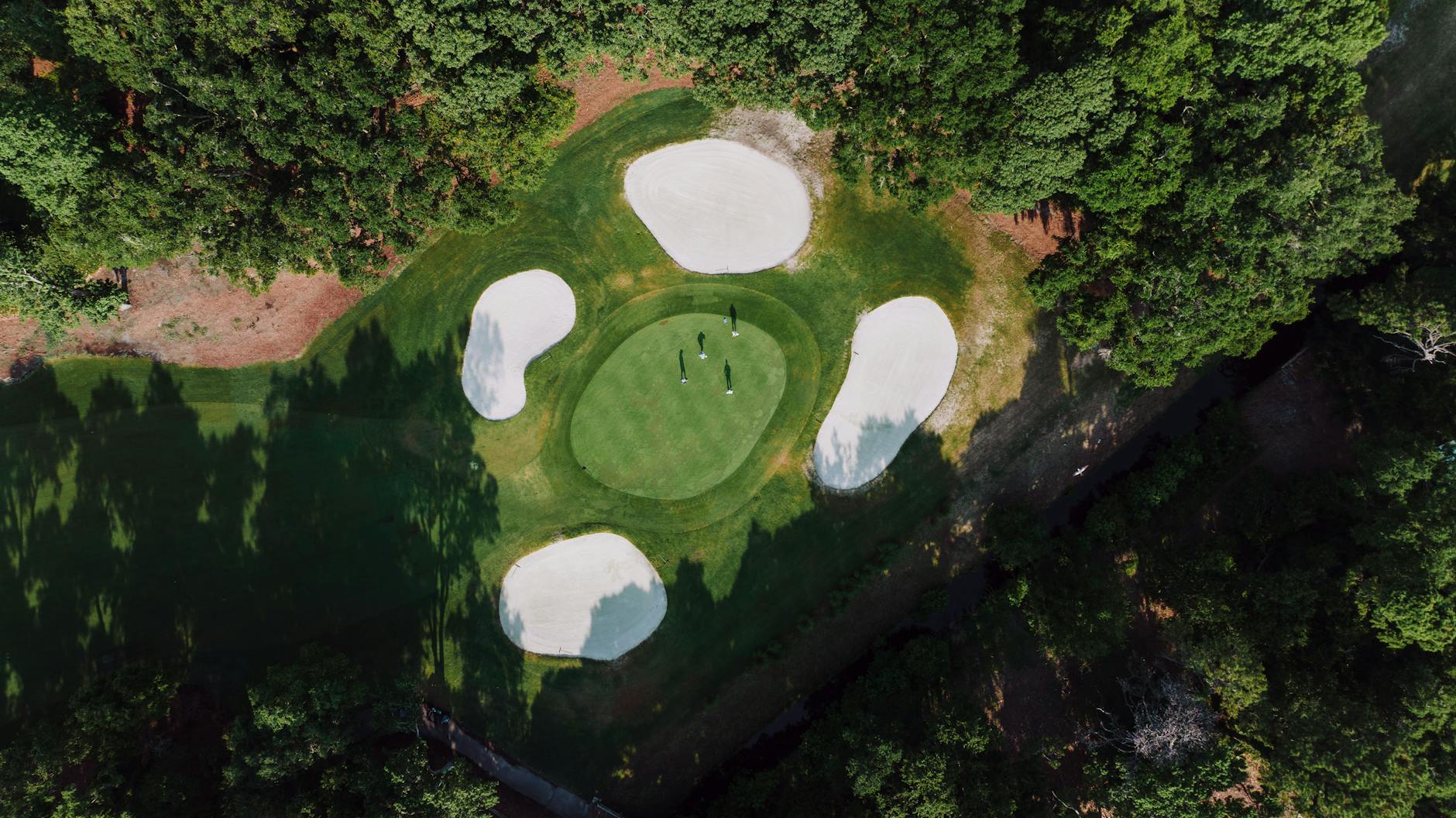
The 15th, Firethorn, presents a nearly identical dilemma. The pond fronting the green has swallowed innumerable second shots hit with slightly too much optimism or slightly too little commitment. The key variable here is spin retention on the approach — a player needing to hold a firm green with a fairway wood or long iron must trust that their ball construction will generate enough stopping power. This is precisely where the relationship between shaft stiffness and launch angle becomes consequential: an overly flexible shaft can rob a player of the precise ball flight needed to attack a Sunday pin, another reason serious competitors pay close attention to the equipment in their bag long before they arrive in Augusta, Georgia.
Hole 16, Redbud, is the final par-3 on the course and one of its most visually spectacular. The Sunday pin positions — often tucked front-right, just above the false front — mean that conservative play can leave a brutal downhill putt. The gallery that surrounds this amphitheater hole amplifies every sound and every silence, and the energy that builds when a ball tracks toward the hole feeds directly into the nervous systems of every player still on the course.
The Mental Architecture of the Closing Stretch
What truly separates Augusta's back nine from other demanding finishes in major golf is not only the physical difficulty — it is the psychological architecture. A player can be executing their game plan flawlessly through 11 holes and then watch their tournament unravel in the span of two shots at the 12th. Conversely, a player who has been chasing all week can make eagle at 13 or 15 and find themselves suddenly in a playoff.
The back nine at Augusta tests a very specific skillset: the ability to make and commit to decisions under sustained, escalating pressure, while maintaining the mechanical precision those decisions require. It is course management at its most demanding, and it is mental resilience under conditions that few competitive environments can match. Augusta does not simply identify the week's best ball-striker. It identifies the week's best thinker.
As the Masters field gathers each April, the back nine at Augusta National reasserts its position as the most consequential stretch in major championship golf. No amount of course preparation or statistical modeling fully accounts for what happens when the leaderboard is tight, the wind is unpredictable, and the whole world is watching. That is the enduring genius of what MacKenzie and Jones built — and why no walk in golf carries more weight than the one from the 10th tee to the 18th green on a Sunday afternoon in April.
Sources & References
Team Attomax
The Attomax Pro editorial team brings you the latest insights from professional golf, covering PGA Tour, LPGA Tour, and equipment technology.