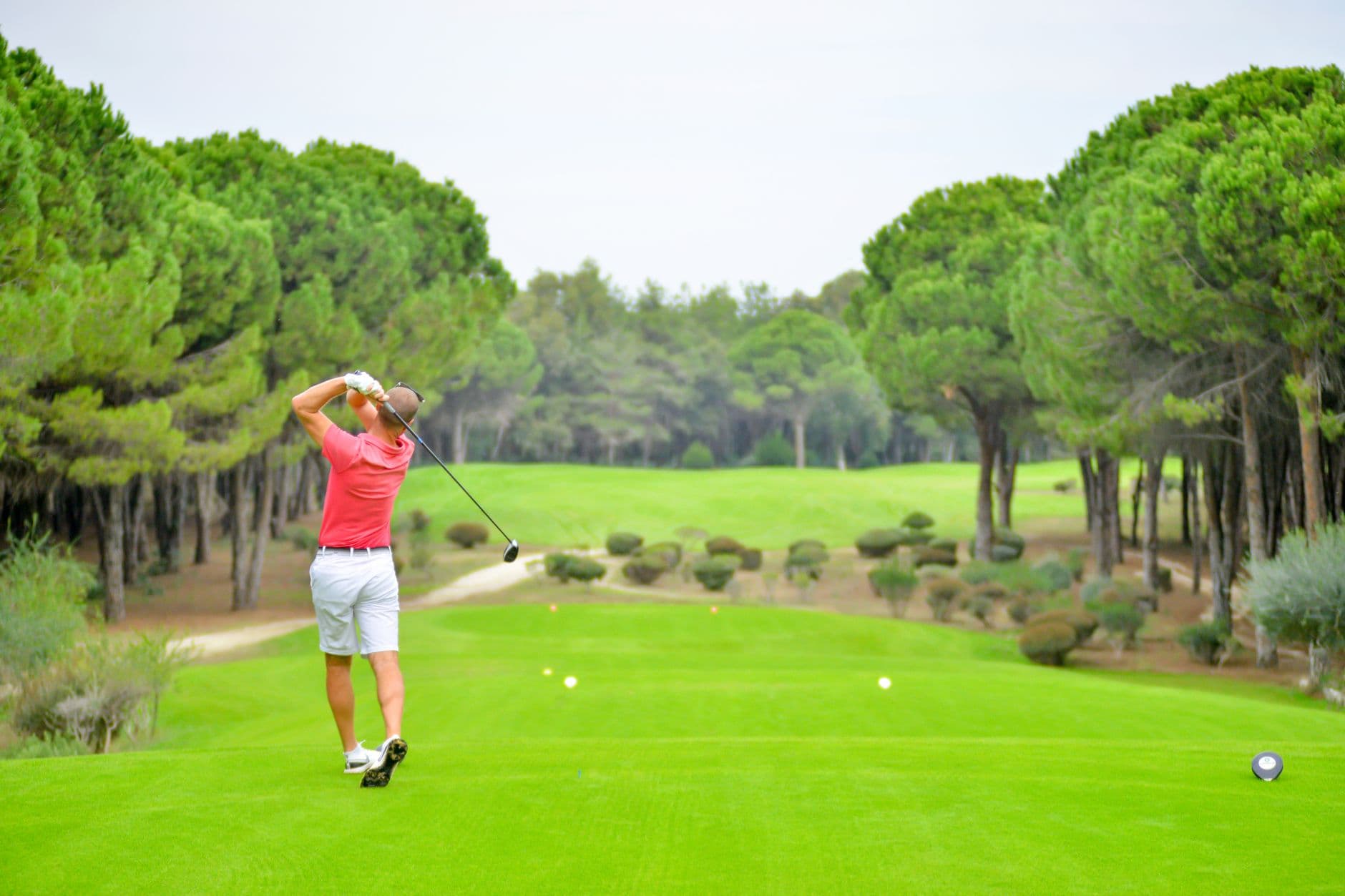
Reaching scratch handicap represents a significant milestone, yet many golfers plateau at this level despite possessing the ball-striking ability to go lower. The differentiator between a scratch player and a plus-handicap competitor rarely comes down to swing mechanics—it's the strategic intelligence applied between shots that separates the elite from the merely accomplished.

Course management at the scratch level demands a fundamental shift in thinking. While mid-handicappers focus on avoiding disaster, elite amateurs must optimize for birdie opportunities while maintaining the discipline to accept pars when circumstances dictate.
This strategic framework requires honest self-assessment, sophisticated risk calculation, and the mental fortitude to execute conservative plays when aggressive instincts beckon.
The 60/40 Principle: Redefining Risk Assessment
Tour professionals operate under a counterintuitive philosophy that scratch golfers often overlook. Rather than firing at every pin, elite players recognize that approximately 60% of pin positions on any given day favor an approach aimed at the fat side of the green.
This principle becomes particularly critical when pins are tucked behind bunkers or positioned on shelves with severe runoffs. The scratch golfer's tendency to attack these positions stems from confidence in their ability—confidence that statistically works against them over 18 holes.
- Front pins with bunker protection: Favor middle-green approaches and rely on putting
- Back pins on elevated shelves: Play for the center and accept two-putt pars
- Pins cut near water: Calculate whether the proximity to hazard warrants the risk versus a guaranteed par attempt
- Sunday pins: Respect course setup; these positions exist specifically to create bogeys
Wind Strategy: Beyond Club Selection
Scratch golfers typically adjust club selection in windy conditions, but advanced course management requires deeper consideration. Wind affects not just distance but also optimal shot shape, landing angle, and even green-reading.
Into-wind approaches demand more than simply adding clubs. The steeper descent angle created by headwind conditions means pins that normally require aggressive lines become more accessible. Conversely, downwind approaches flatten trajectory and reduce stopping power, making center-green targeting essential despite apparent scoring opportunities.

Crosswinds present the most complex calculations. Rather than fighting the wind with opposite curvature, elite players often ride the wind with their natural shot shape, accepting lateral movement while maintaining trajectory control. This approach sacrifices precision for consistency—a worthwhile trade over tournament rounds.
Tee Shot Strategy: Playing the Second Shot First
The scratch golfer's driver represents both their greatest weapon and most dangerous liability. Strategic tee shot selection requires playing the hole backward, beginning with the optimal approach angle and working back to determine ideal landing zones.
Consider a 420-yard par four with a green angled front-right to back-left, protected by a front-left bunker. The instinctive play positions the tee shot left-center for a clear approach. However, if the pin is back-left, an approach from the right side of the fairway provides a better angle to the hole location.
- Identify the day's pin position before reaching the tee
- Determine which approach angle provides optimal access
- Calculate the landing zone required for that angle
- Select the club and shot shape that reaches the target zone
- Accept narrower landing areas for better approach angles when confidence is high
The Layup Mentality on Par Fives
Par fives represent the scratch golfer's primary birdie opportunities, yet strategic errors frequently convert these holes into pars or worse. The decision to go for a par five in two shots requires honest assessment of multiple variables beyond simple distance calculation.
Lie quality, wind direction, green firmness, and pin position all factor into the equation. A 230-yard approach from a perfect fairway lie differs dramatically from the same distance out of light rough with a back-into-wind condition. Elite amateurs develop the discipline to recognize when laying up to a preferred wedge distance produces better birdie conversion rates than heroic attempts.
The best players I've competed against don't make fewer mistakes because they're more talented—they make fewer mistakes because they're more patient.
— Veteran competitive amateur
Mental Framework: Process Over Outcome
Course management excellence requires divorcing yourself from outcome attachment during strategic decisions. The scratch golfer who hits a perfect 7-iron to 25 feet on a hole with a tucked pin executed proper strategy, regardless of whether the birdie putt falls.
Conversely, the aggressive approach that finishes eight feet from a dangerous pin location represents poor process, even if the putt drops for birdie. Tournament golf rewards consistent process; match play against the course, not against your ego's desire for spectacular shots.
Developing this mindset requires post-round analysis focused on decision quality rather than scoring results. Track situations where you chose aggressive lines and evaluate whether the risk-reward calculation justified the choice. Over time, patterns emerge that reveal where strategic improvements yield the greatest scoring benefit.
Equipment Considerations for Strategic Play
Course management strategy must align with equipment capabilities. Scratch golfers benefit from golf ball selection that emphasizes consistency in varying conditions. High-density ball constructions, like those utilizing amorphous metal technology, provide enhanced stability in wind and more predictable spin rates across the bag.
Understanding your equipment's performance characteristics—particularly how your ball responds to different club entries and wind conditions—allows more precise strategic calculations. The scratch golfer who knows their ball will hold a specific line in crosswind conditions can plan approaches with greater confidence than one playing equipment with inconsistent performance.
Final Strategic Principle
The path from scratch to plus-handicap territory lies not in dramatic swing changes or equipment overhauls. It exists in the accumulated advantage of dozens of smart decisions per round—the three-footers saved by strategic approaches, the bogeys avoided through disciplined tee shots, and the birdies converted through optimal positioning.
Commit to strategic excellence with the same dedication applied to swing mechanics, and lower numbers will follow.
Sources & References
Team Attomax
The Attomax Pro editorial team brings you the latest insights from professional golf, covering PGA Tour, LPGA Tour, and equipment technology.