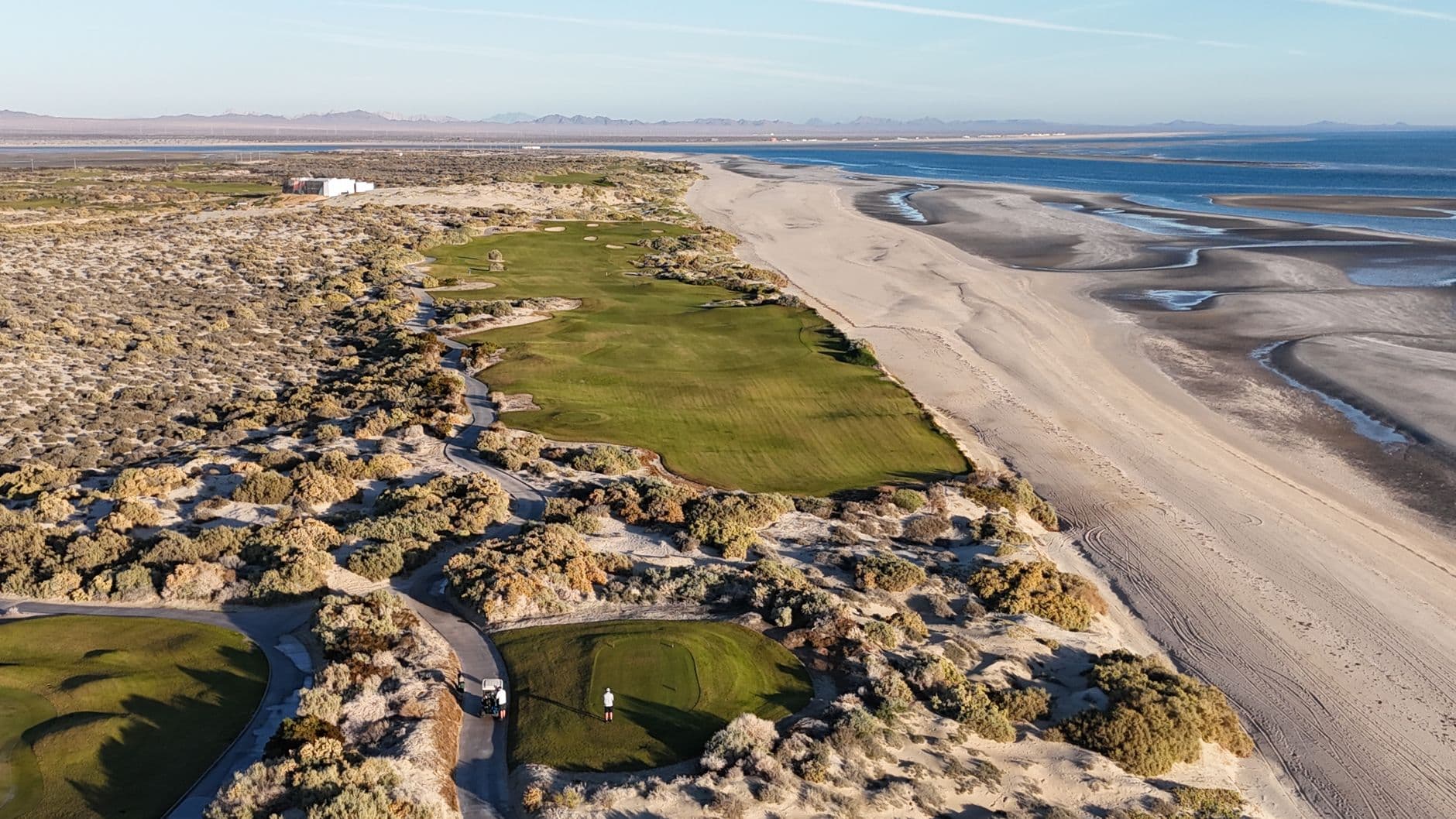
Nestled at the edge of Lake Geneva in the French Alps, the Evian Championship is unlike any other Major on the LPGA Tour calendar. The combination of elevated terrain, mineral-rich air, and a course design that punishes anything less than surgical precision makes Évian-les-Bains one of the most strategically demanding venues in professional women's golf.
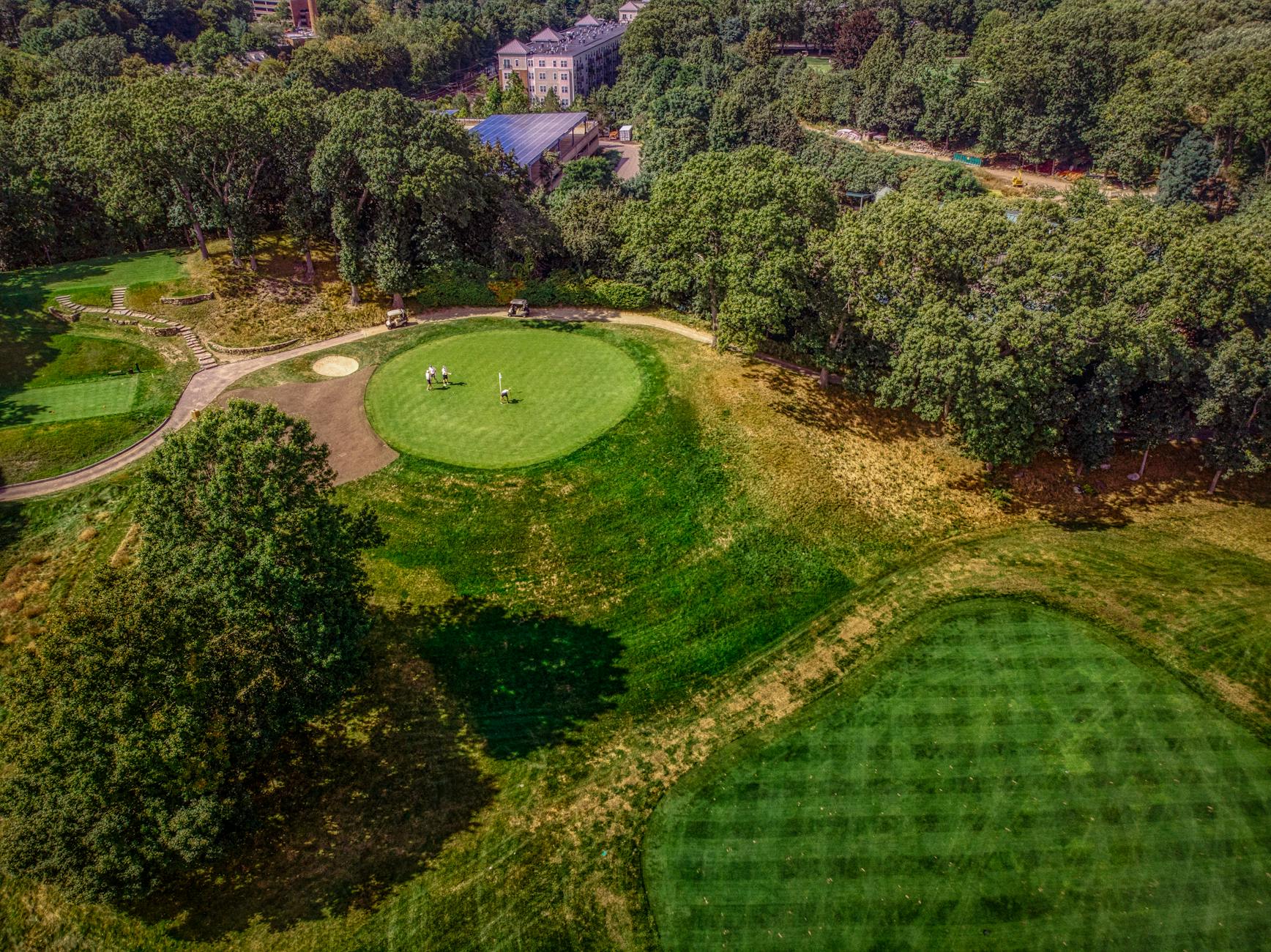
While Evian Resort Golf Club sits at a relatively modest altitude compared to high-desert venues like those found in Colorado or parts of South Africa, the elevation above sea level — combined with the cool, crisp Alpine air — produces measurable changes in ball flight. Reduced air density means slightly less drag, which translates into longer carry distances and subtly altered spin rates. These are not variables a world-class player can afford to overlook.
The implications ripple through every club selection. A player who trusts her yardage book without accounting for altitude will consistently leave herself in awkward positions — either short-sided on firm greens or through the back into the rough slopes that characterize so much of this course's design.
Why Evian's Greens Are a Category Apart
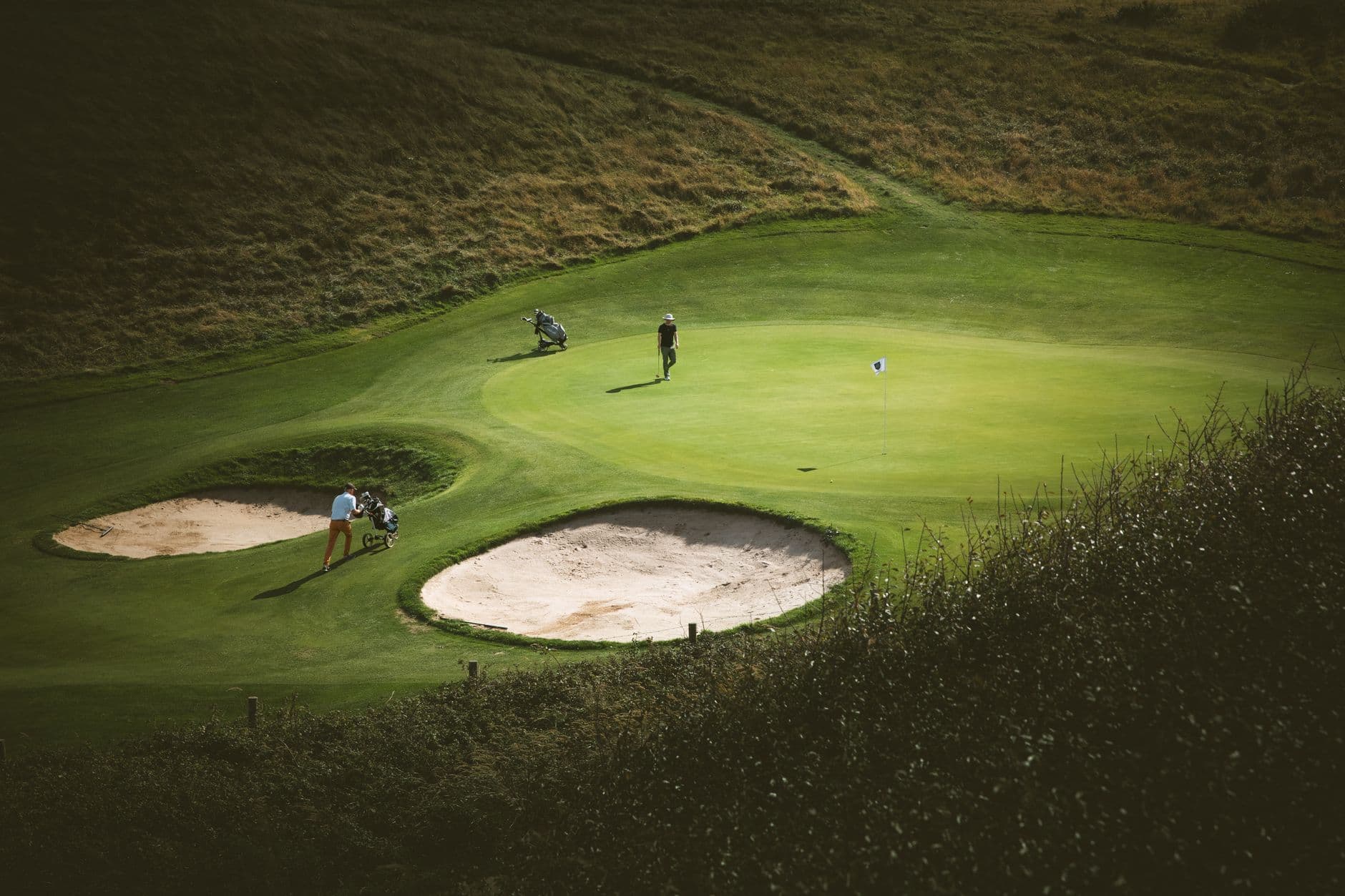
The putting surfaces at Evian Resort Golf Club are widely regarded among LPGA Tour professionals as some of the fastest and most complex they encounter all season. Tiered, sloped, and often perched above collection areas, these greens reward aggressive approach play only when the angle of attack is precisely right. Anything above the hole on the back half of the course is a recipe for a stress-inducing downhill putt that even the best feel players in the world struggle to control.
Green-reading at Evian demands more than just line recognition. The subtle borrows created by the underlying Alpine terrain mean that putts which appear straightforward on the surface often break dramatically in the final few feet. Stimpmeter readings at altitude — where the ball releases slightly more freely off the putter face — amplify every imperfection in pace judgment.
- Downhill putts on the back nine require exceptional deceleration control and a commitment to a defined landing spot
- Approach shots that miss long present exponentially more difficult up-and-downs than those that miss short
- The elevated surroundings mean wind direction can shift significantly from hole to hole — even within a single round
- Players who excel here tend to prioritize GIR quality over aggressive pin-hunting, particularly in the opening two rounds
The Alpine Wind Factor
Wind at Evian does not behave the way it does on links courses in Scotland or on the exposed parkland of a typical American tour stop. The Alpine topography channels air through valleys and deflects it off the ridgelines that frame several of the course's most pivotal holes. A player standing on a tee may feel a right-to-left breeze, only to discover that the ball, once airborne, encounters an entirely different vector at the apex of its flight.
This is precisely where shaft selection and ball construction become critical differentiators. Players who use equipment optimized for mid-trajectory penetrating flight — particularly those on low-spin shaft profiles — manage the Alpine crosswinds far more predictably than those relying on high-launch configurations suited to calm conditions. The ability to flight the ball with intent, not just altitude, is a genuine competitive edge at this venue.

At Attomax, the relationship between ball compression and wind management is central to how our High-Density amorphous metal golf balls are engineered. In variable Alpine conditions like those at Evian, a Medium or Hard compression ball — delivering a more penetrating trajectory with reduced susceptibility to mid-flight deviation — gives a player meaningful control when the wind shifts without warning. Spin management off the irons, in particular, is the difference between a birdie look and a scrambling par from the wrong side of a tiered green.
Course Management: The Make-or-Break Decisions
Evian has a way of separating the disciplined from the impulsive. The opening holes present birdie opportunities that lull players into an aggressive mindset — which the course then exploits mercilessly on the back nine, where the terrain steepens and the margin for error compresses significantly.
The most tactically sound approach at Evian involves identifying, hole by hole, which pin positions are genuinely attackable and which ones represent false invitations. A tucked Sunday pin on a plateau green is rarely worth the risk of a direct assault in the early rounds. The players who contend at Evian over seventy-two holes are almost invariably those who accept the course's terms, build their score patiently, and protect their card when conditions turn.
At Evian, patience isn't a virtue — it's a strategy. The course will always give you a chance, but only if you're still in a position to take it.
— LPGA Tour Veteran (composite player perspective)
Reading the Terrain: How Slope Influences Every Shot
Very few courses on the global Major circuit ask players to manage as much uneven lie terrain as Evian. Uphill, downhill, and sidehill stances are the norm rather than the exception — and at altitude, where the ball is already carrying fractionally further, the compounded effect of an uphill lie on a wedge shot can send the ball well past its intended landing zone. Elite professionals recalibrate their landing spot instincts for every shot at this venue, which speaks to both the cognitive and physical demands it places on competitors.
Distance control under these conditions is as much a mental exercise as a physical one. The caddies who have worked Evian across multiple seasons develop a granular understanding of how the terrain modifies effective carry — knowledge that becomes invaluable in the final round when the difference between a birdie and a bogey often hinges on a single club decision.
What Makes Evian a True Major
Since its elevation to Major championship status in 2013, the Evian Championship has consistently produced champions defined not just by ball-striking prowess but by tactical intelligence and mental resilience. The venue demands all five of the qualities that separate elite professionals from the rest of the field: driving accuracy, approach shot precision, short-game creativity, putting nerve, and course management maturity.
The backdrop of the French Alps, the pristine condition of the resort course, and the passionate European gallery create an atmosphere unlike any other stop on the LPGA Tour schedule. For players and observers who appreciate golf at its most demanding and most beautiful, Évian-les-Bains remains an unmissable event — a Major that earns its status not through tradition alone, but through the genuine complexity of the examination it sets every competitor.
Whether the Evian Championship is on your radar as a competitor or as a student of elite women's golf, the strategic layers this course presents are a masterclass in what championship-level design can achieve. The Alps do not forgive imprecision — and neither does this tournament.
Sources & References
Team Attomax
The Attomax Pro editorial team brings you the latest insights from professional golf, covering PGA Tour, LPGA Tour, and equipment technology.