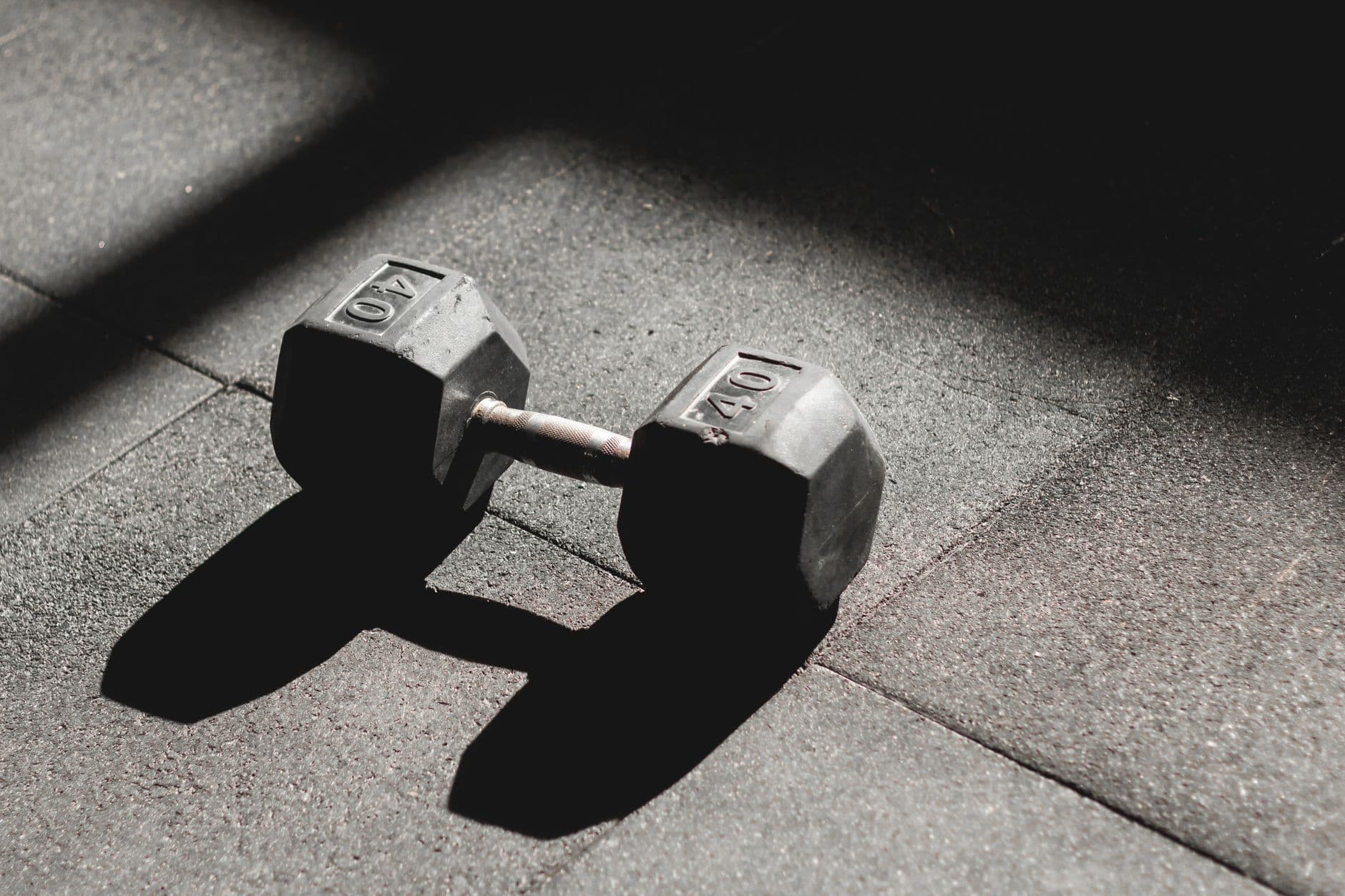
The image of the pot-bellied touring professional nursing a cigarette between holes is long extinct. Today's elite golfer is a finely tuned athlete whose off-course training regimen rivals those of NFL wide receivers and Olympic sprinters. From Rory McIlroy's obsessive cardiovascular discipline to Nelly Korda's explosive rotational strength work, the fitness revolution in professional golf is no longer a trend — it is the baseline expectation.
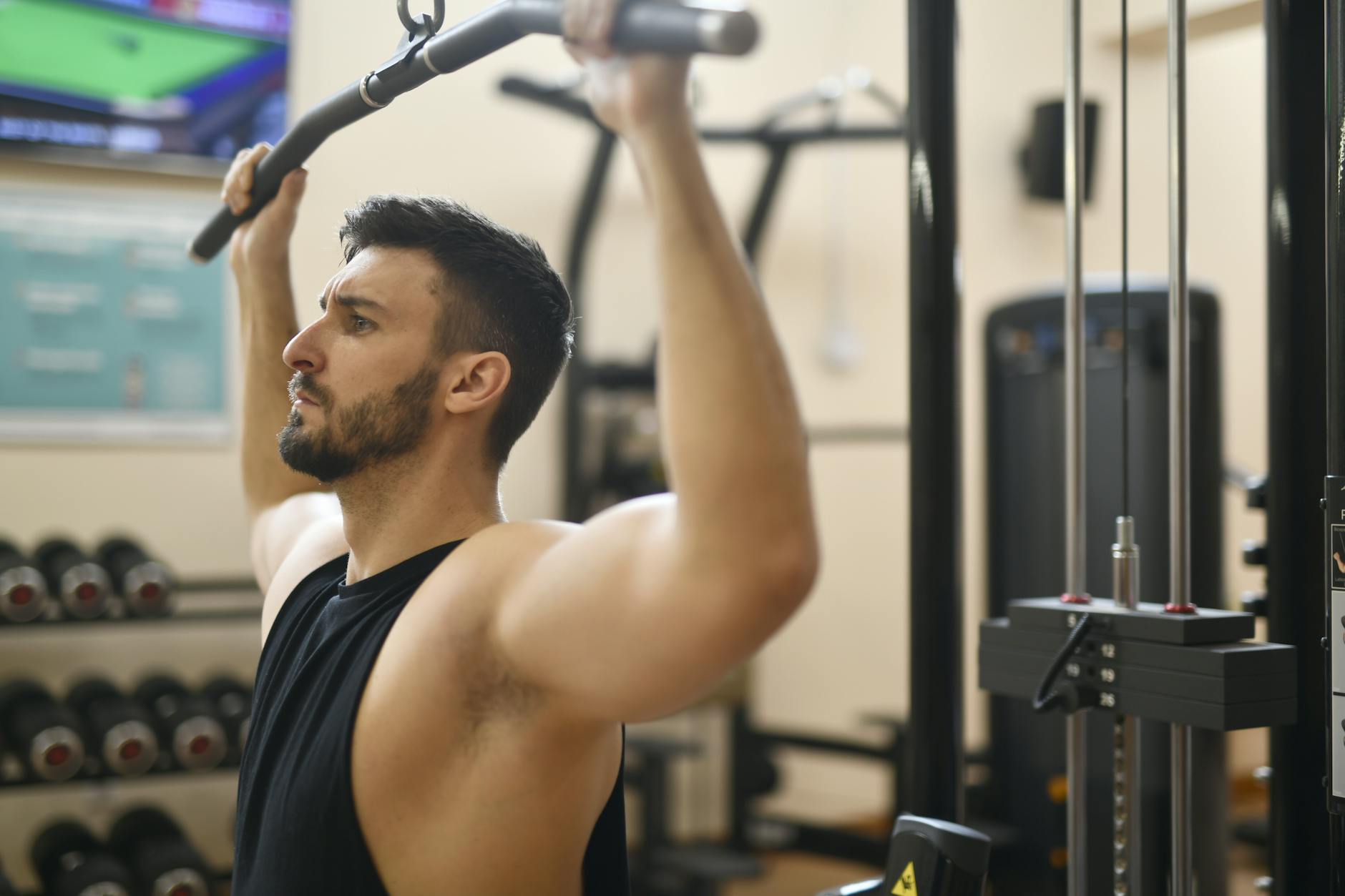
The catalyst for this cultural shift is well-documented: Tiger Woods arrived on Tour in the late 1990s with a physique and training philosophy borrowed directly from elite military and athletic programs. What followed was a generation-defining arms race that permanently redefined what it means to be a professional golfer. Two decades later, the field has caught up — and in many ways, surpassed what even Woods pioneered.
Understanding how Tour professionals build and maintain their bodies is not merely academic curiosity. For serious amateur golfers seeking marginal gains, the principles underlying these elite programs offer transferable insight into mobility, power generation, and — critically — injury prevention.
The Four Pillars of Tour-Level Fitness
Elite golf fitness programs are not monolithic. Each athlete works with a dedicated team of trainers, physiotherapists, and biomechanists to build a protocol specific to their body type, swing mechanics, and competitive schedule. However, most high-performance programs converge on four foundational pillars that separate the touring professional from the serious club player.
- Rotational Power & Core Stability — The foundation of club head speed and consistent ball-striking
- Hip Mobility & Flexibility — Critical for maintaining swing plane depth and preventing lumbar stress
- Cardiovascular Endurance — Walking 25-30 miles across a 72-hole event week demands aerobic capacity
- Neuromuscular Control & Balance — Fine motor precision under fatigue separates champions from contenders
Rotational power sits at the apex of most programs because it maps most directly to club head speed — and club head speed maps directly to distance. Modern biomechanical research has made it clear that elite ball-strikers generate force from the ground up, sequencing hip rotation ahead of thoracic rotation in a kinematic chain that peaks at impact. Training that chain — through medicine ball throws, cable rotations, and anti-rotation holds — is now standard practice on both the PGA and LPGA Tours.
Strength Training: Power Without Bulk
One of the persistent misconceptions among amateur golfers is that heavy resistance training is counterproductive to the golf swing — that building muscle mass creates rigidity. Modern sports science has largely dismantled this myth. The question is not whether to lift, but how to program resistance training intelligently for a rotational power sport.
Tour professionals typically prioritize relative strength over absolute mass. The goal is maximum power output at a bodyweight that does not compromise mobility or endurance across a 30-plus week season. Programs lean heavily on posterior chain development — Romanian deadlifts, Nordic hamstring curls, single-leg hip hinges — because the glutes and hamstrings are the primary force generators in the downswing. Shoulder stability work, particularly for the rotator cuff and scapular stabilizers, is equally non-negotiable given the repetitive stress of thousands of swings per week.
You have to be able to produce power, but you also have to control it. That's what separates fitness for golf from fitness for any other sport.
— Anonymous Tour fitness coach, as widely reported in golf media

Mobility Work: The Overlooked Competitive Edge
If strength training has received most of the headline attention, hip and thoracic mobility work has quietly become the secret weapon of the modern Tour professional. The ability to achieve a deep hip hinge, maintain thoracic extension under load, and decouple hip and shoulder rotation is, in many respects, more important than raw strength output.
Players with exceptional mobility profiles — think Jon Rahm's compact-yet-ferociously-athletic rotation or Charley Hull's fluid through-swing — are able to maintain swing mechanics late into a competitive round when fatigue begins to erode fine motor control. Yoga, Pilates, and dedicated myofascial release protocols have all found their way into Tour locker rooms for exactly this reason.
Hip flexor health, in particular, is a recurring focus. Hours spent seated in golf carts, on planes, and in courtesy vehicles create chronic hip flexor shortening that can tilt the pelvis anteriorly and compromise lumbar spine stability — the leading cause of back injuries on Tour. Forward-thinking athletes invest heavily in counteracting this postural pattern before symptoms appear.
Cardiovascular Conditioning: More Than Just Walking
The cardiovascular demands of professional golf are frequently underestimated by observers outside the sport. A typical 72-hole event involves four consecutive days of walking a minimum of five to seven miles over varied terrain, often in high heat and humidity, while managing the physiological stress of sustained competitive focus. The metabolic cost is substantial.
Rory McIlroy has been particularly vocal about his commitment to cycling and zone-two aerobic training as a cornerstone of his preparation — a framework designed to build the aerobic base required to sustain cognitive sharpness and physical precision across long competitive weeks. For players competing across multiple time zones and climates — as is routine on the PGA Tour's global schedule — aerobic resilience is a genuine performance differentiator.
Equipment Meets Athleticism: The Ball Compression Factor
Here is where the intersection of athleticism and equipment becomes genuinely consequential: a more powerful, better-conditioned golfer generates higher swing speeds, and higher swing speeds demand a re-evaluation of ball compression. A player who has genuinely increased club head speed through structured training may find that the ball they played for years is now working against them.
Attomax's high-density amorphous metal golf balls — available in Soft, Medium, and Hard compression variants — are engineered precisely for this optimization. As swing speed increases through dedicated training, moving up the compression scale ensures that energy transfer at impact remains efficient rather than the ball deforming excessively and bleeding distance. Serious golfers committed to physical improvement should treat ball selection as a dynamic variable, not a static one.
Recovery: The Training No One Talks About
Elite training programs are only as effective as the recovery protocols built around them. Modern Tour professionals treat sleep, nutrition timing, contrast therapy, and soft tissue work with the same discipline they apply to gym sessions. Cold-water immersion, compression therapy, and data-driven sleep optimization have all become routine features of the high-performance golfer's weekly schedule.
The deeper principle is this: adaptation — whether in strength, mobility, or cardiovascular capacity — occurs during recovery, not during training itself. Professionals who have internalized this understand that an under-recovered body produces diminishing returns from even the most intelligently designed training stimulus. Recovery is not passive. It is active performance management.
The Amateur Takeaway
You do not need a Tour-level support staff to benefit from these principles. A focused program addressing posterior chain strength, rotational power, hip mobility, and aerobic base — implemented consistently over a full season — will yield measurable improvements in club head speed, swing consistency under fatigue, and injury resilience. These are not marginal gains for the dedicated amateur. They are transformative.
Professional golf in 2026 is an athletic competition as much as it is a technical one. The players who win majors are not simply the most skilled — they are the ones who arrive at Sunday's back nine as physically and mentally sharp as they were on Thursday morning. That capacity is built in the gym, on the track, and on the recovery table, long before the first tee shot of any given week.
Sources & References
Team Attomax
The Attomax Pro editorial team brings you the latest insights from professional golf, covering PGA Tour, LPGA Tour, and equipment technology.