A poorly fitted set of irons is one of the most common — and most costly — handicaps in competitive amateur golf. You can own the most forgiving blade on the market, but if the lie angle is two degrees flat or the shaft is 20 grams too heavy, you are engineering mis-hits into every swing. A professional iron fitting isn't a luxury; it's a technical baseline.
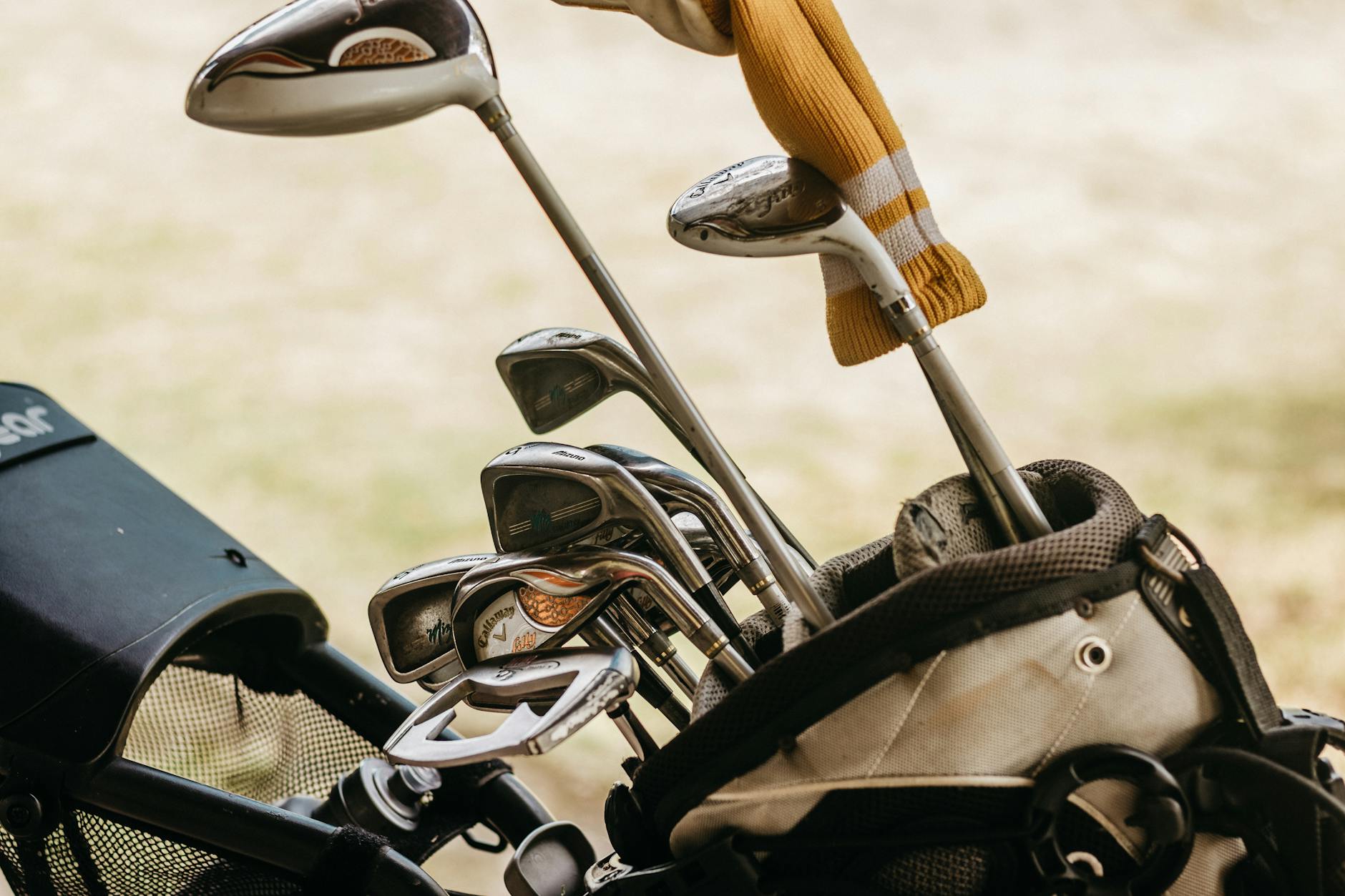
The modern fitting process has evolved dramatically. Launch monitors, dynamic lie boards, and pressure-mapped grip analysis now give fitters a granular picture of what happens at impact — not just where the ball ends up. Understanding the three core variables — loft, lie angle, and shaft weight — is essential before you step into the fitting bay.
Loft: The Foundation of Distance Gapping
Loft on modern irons is a topic that deserves more scrutiny than it typically receives. Over the past two decades, manufacturers have progressively strengthened loft across their lines to produce more impressive carry numbers on launch monitors at retail. A modern game-improvement 7-iron commonly sits at 28–30 degrees, whereas a traditional 7-iron was designed around 34 degrees. That's effectively a 9-iron dressed in a 7-iron's clothing.
The implication for fitters and players is significant. If you are transitioning from an older set into a new one, your gapping will be disrupted unless your fitter accounts for the loft discrepancy across every club in the bag. A 3–4 yard gap between irons in the middle of the set can balloon to 8–10 yards at the scoring irons if the loft cascade isn't managed properly.
- Standard gap between irons: 10–15 yards for consistent ballstrikers
- Loft bending tolerance: Most forged irons can be bent ±2 degrees without compromising structural integrity
- Cast irons: Generally less tolerant to bending — verify with manufacturer before adjusting
- Wedge loft continuity: A 46-degree pitching wedge paired with a 50-degree gap wedge is a clean starting point, but only if the rest of the set's cascade supports it
A competent fitter will map your entire carry distances under controlled conditions and then adjust individual club lofts to close gaps or separate clubs that are stacking. This process is iterative and should never be rushed in a single session.
Lie Angle: The Variable Most Golfers Overlook
Lie angle is the angle between the shaft and the sole of the iron at address. When it's correct, the sole sits flush to the ground at impact; when it's incorrect, either the heel or the toe is elevated at the moment of contact. The result is directional error that compounds with distance — a lie angle that is two degrees upright on a mid-iron can push the face closed enough to send a well-struck shot 15 to 20 feet left of target.
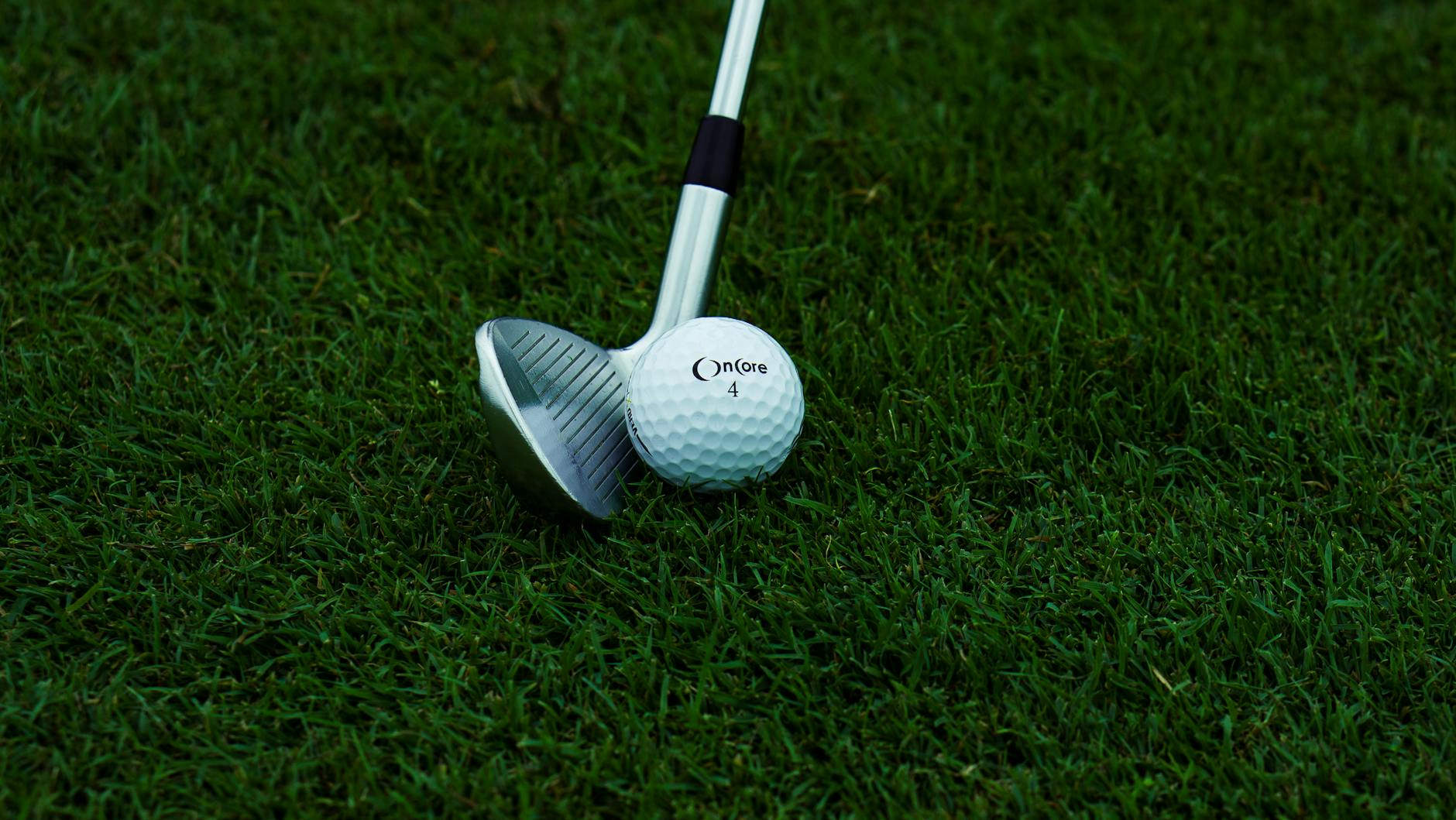
Dynamic lie fitting — as opposed to static — is non-negotiable here. Where you stand at address tells a fitter very little; what matters is where the club head is when it returns to the ball. Fitters use impact tape and lie boards to capture the true dynamic position. Players who are tall, who have a more upright swing plane, or who have longer-than-average arm length relative to their height will almost always require upright adjustments.
Lie angle is the most undervalued fitting variable in iron play. One degree off on every club in the bag means you're fighting the face angle on every shot from 150 yards and in — which is exactly where scoring happens.
— Master Fitter, PGA of America
The good news: lie angle correction is one of the simplest and most cost-effective adjustments available. Forged irons bend readily; cast irons require more care. If you haven't had a dynamic lie check since your last set purchase, it is the single highest-ROI visit you can make to a fitting studio.
Shaft Weight: Control, Tempo, and Strike Quality
Shaft weight in irons is one of the most misunderstood variables in a fitting. Many golfers assume lighter is better — and for some swing profiles, it is. But the relationship between shaft weight, tempo, and transition pressure is complex. A shaft that is too light for your swing speed and tempo will produce an inconsistent release point, leading to pushes, blocks, and an inability to control trajectory under pressure.
Steel shafts for irons typically range from approximately 90 to 130 grams. Graphite options span a wider band, from around 55 grams in lightweight seniors' offerings up to 90-gram mid-weight options designed for players who want graphite's vibration dampening without sacrificing control. The choice between steel and graphite has narrowed significantly as graphite manufacturing has matured — elite-level graphite iron shafts now offer the stability and feedback profiles that were once exclusive to steel.
- Heavier shafts (115–130g steel): Better suited to players with aggressive transitions and high swing speeds
- Mid-weight shafts (95–115g steel): The most common range for single-digit and scratch players
- Lightweight graphite (55–75g): Ideal for players with slower tempos or those managing physical limitations
- Mid-weight graphite (80–90g): A strong option for players who want vibration absorption without losing feel at impact
Flex profile matters as much as raw weight. A 100-gram shaft with a soft tip section will behave very differently from a 100-gram shaft with a firm tip. Tip stiffness directly influences launch angle and spin rate on iron shots. Players who already produce high spin with their mid-irons should seek firmer tip profiles to keep the ball flight penetrating rather than ballooning in crosswinds.
How Ball Choice Interacts With Your Iron Setup
Iron fitting doesn't exist in a vacuum. The ball you play directly affects how your fitted iron spec performs on the course. Compression mismatch — playing a high-compression ball through a mid-weight shaft with a softer tip — can reduce the spin separation between your 7-iron and 9-iron, compressing your gapping from the ground up. This is where the full equipment picture needs to be considered holistically.
Attomax's High-Density amorphous metal core technology offers consistent compression response across a range of swing speeds, which makes it a useful reference point during a fitting session. When your fitter is dialing in shaft weight and loft cascade, running the same ball model across all test clubs eliminates a variable that can otherwise muddy the data. The Attomax Hard ball, for instance, suits players with higher clubhead speeds who want a firm, penetrating ball flight that pairs predictably with stiffer iron shaft profiles.
What to Bring to Your Fitting
Walk into a fitting session with your current irons, your current ball, and ideally a recent round of Trackman or GC Quad data if your home club has a launch monitor. Pattern recognition — understanding where your misses go and why — is something a good fitter can interpret in minutes, but the more data you bring, the faster they can work.
Prioritize fitting your 6-iron and pitching wedge above all other clubs. These two represent opposite ends of the iron spectrum and will expose lie angle, loft, and shaft inconsistencies that a single mid-iron test won't reveal. If those two clubs fit your swing, everything in between has a sound framework to work from.
Iron fitting is not a one-time event. Swing mechanics change, physical conditioning evolves, and equipment technology advances. A fitting audit every two to three years is a reasonable cadence for competitive amateurs who are serious about their GIR numbers and total scoring average.
Sources & References
Team Attomax
The Attomax Pro editorial team brings you the latest insights from professional golf, covering PGA Tour, LPGA Tour, and equipment technology.