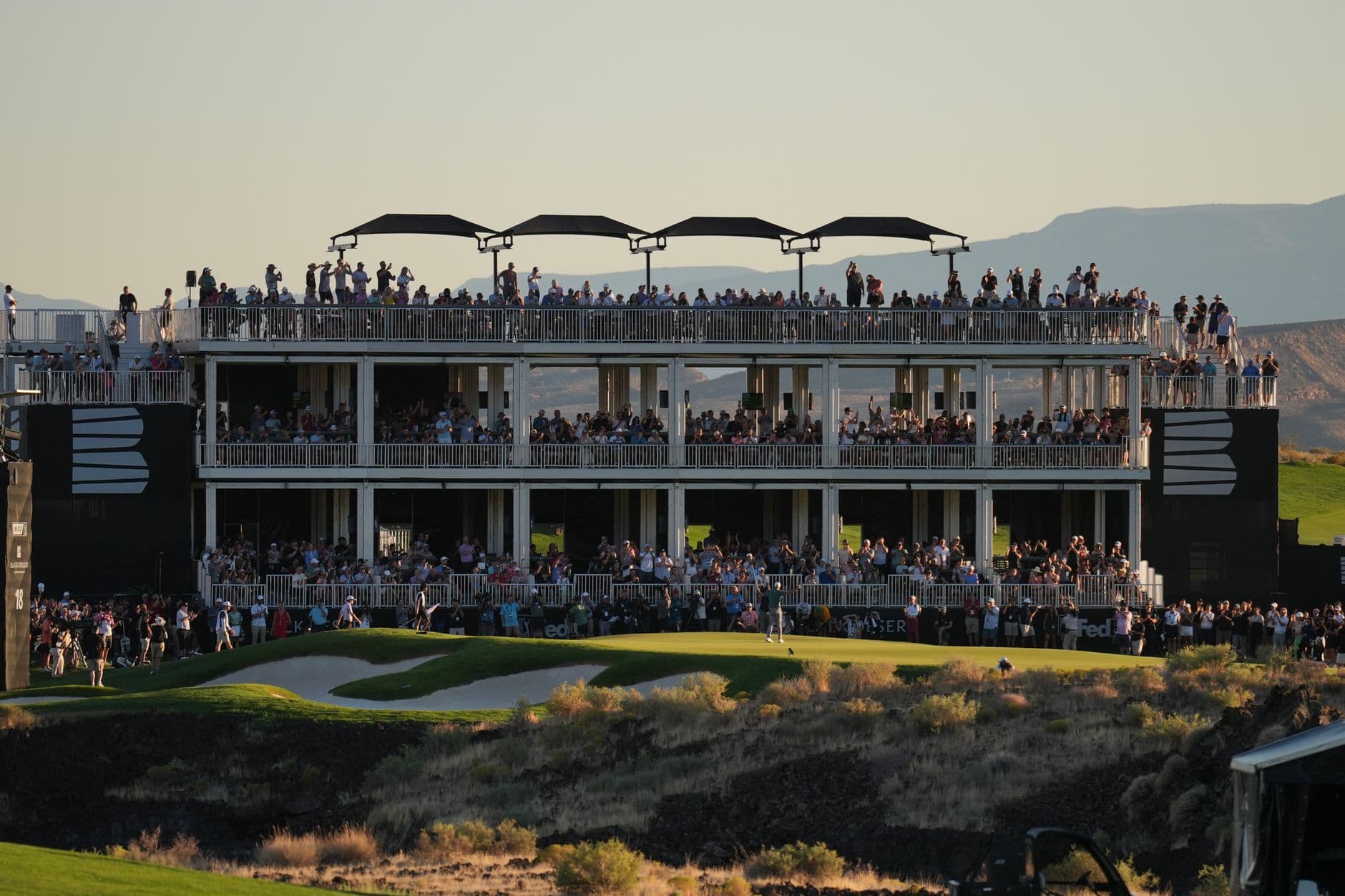
The professional golf landscape in early 2026 remains in a state of calculated flux. What began as an unprecedented schism between the PGA Tour and the Saudi-backed LIV Golf League has gradually transformed into something far more complex—a negotiation between entities that once seemed irreconcilable, each holding cards the other desperately needs.
For those of us who have tracked every development since the initial framework agreement was announced, the current state of affairs represents neither the apocalyptic scenario traditionalists feared nor the seamless integration optimists predicted. Instead, we find ourselves in a nuanced middle ground where competitive formats, player eligibility, and the very definition of 'elite golf' remain subjects of intense debate.
The Framework Agreement: Where Things Stand
The initial framework agreement between the PGA Tour and the Public Investment Fund of Saudi Arabia set the golf world ablaze with speculation. The proposed terms suggested a future where LIV Golf's team-based format could coexist alongside traditional stroke-play events, with player movement between circuits becoming increasingly fluid.
However, the road from framework to implementation has proven anything but straightforward. Regulatory scrutiny, player association concerns, and fundamental disagreements about competitive structure have stretched timelines and tested patience on all sides.
- Player eligibility criteria remain a contentious negotiation point
- World ranking implications continue to affect LIV participants
- Sponsorship and broadcasting rights negotiations are ongoing
- The role of the DP World Tour in any unified structure is still being defined
The Player Perspective: Straddling Two Worlds
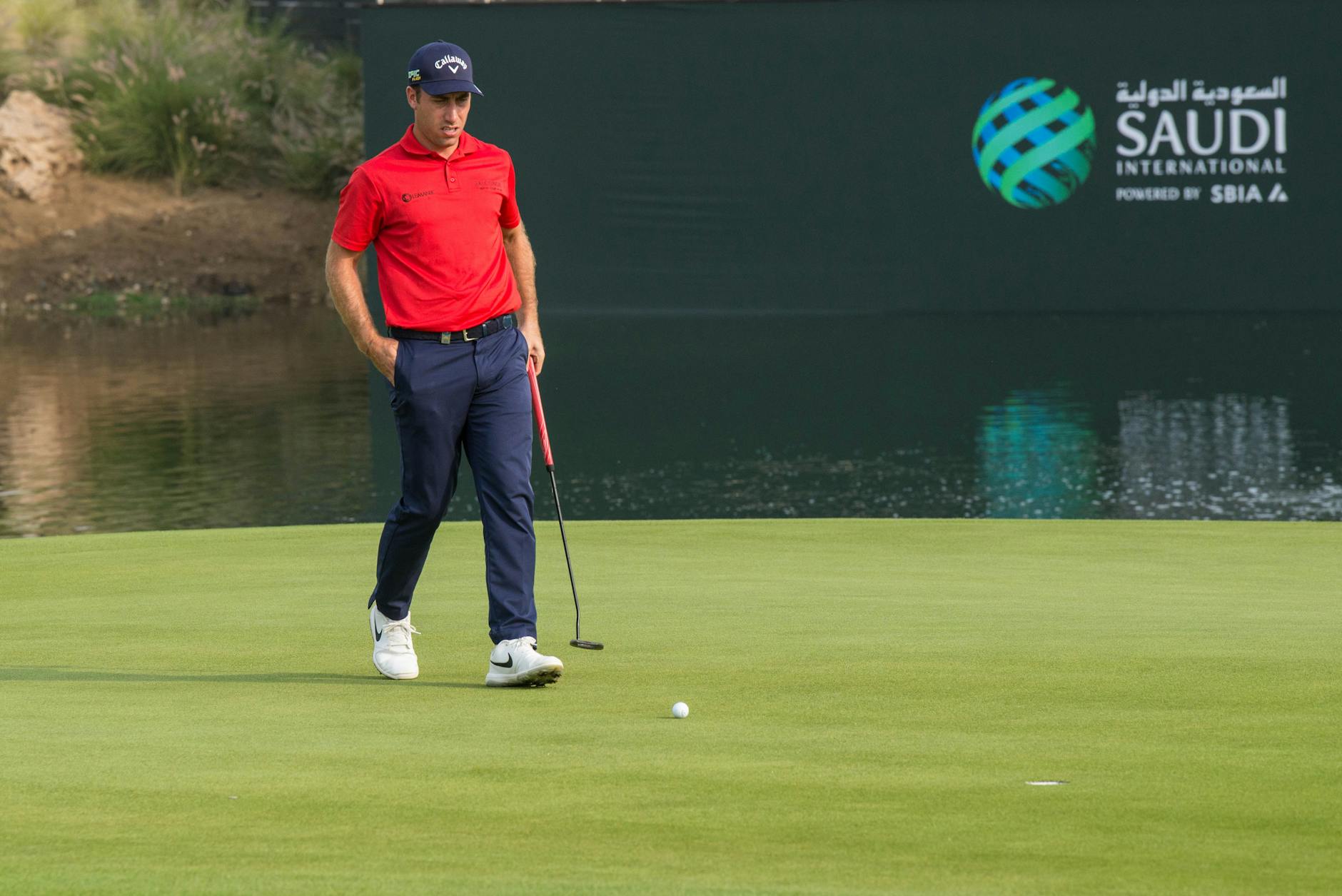
Perhaps no group feels the weight of this uncertainty more acutely than the players themselves. Those who made the leap to LIV Golf did so with full knowledge of the consequences—suspension from the PGA Tour, potential exclusion from major championships, and a tarnished reputation in certain circles. The guaranteed contracts and reduced schedule were compelling enough to offset these concerns for many.
Now, with integration discussions ongoing, these same players find themselves in professional limbo. The promise of returning to a unified ecosystem dangles tantalizingly, yet the practical mechanisms for such a return remain unclear.
The uncertainty is the hardest part. We made decisions based on the information we had, and now the rules of the game keep shifting beneath our feet.
— Anonymous LIV Golf participant
Meanwhile, PGA Tour loyalists who resisted LIV's financial overtures watch these negotiations with a mixture of vindication and concern. Their loyalty may ultimately be rewarded with a seat at a larger table, or it may prove to have been a principled stand with diminishing returns.

Competitive Format: The Fundamental Divide
Beyond the business negotiations lies a deeper philosophical question: what should elite professional golf actually look like? LIV Golf's 54-hole, shotgun-start, team-based format represents a radical departure from the 72-hole stroke-play tradition that has defined the sport for over a century.
Proponents argue that LIV's format creates more excitement, compresses action into digestible viewing windows, and introduces team dynamics that resonate with younger audiences. Critics counter that the abbreviated format diminishes the sport's fundamental test of sustained excellence and strategic patience.
The Equipment Factor
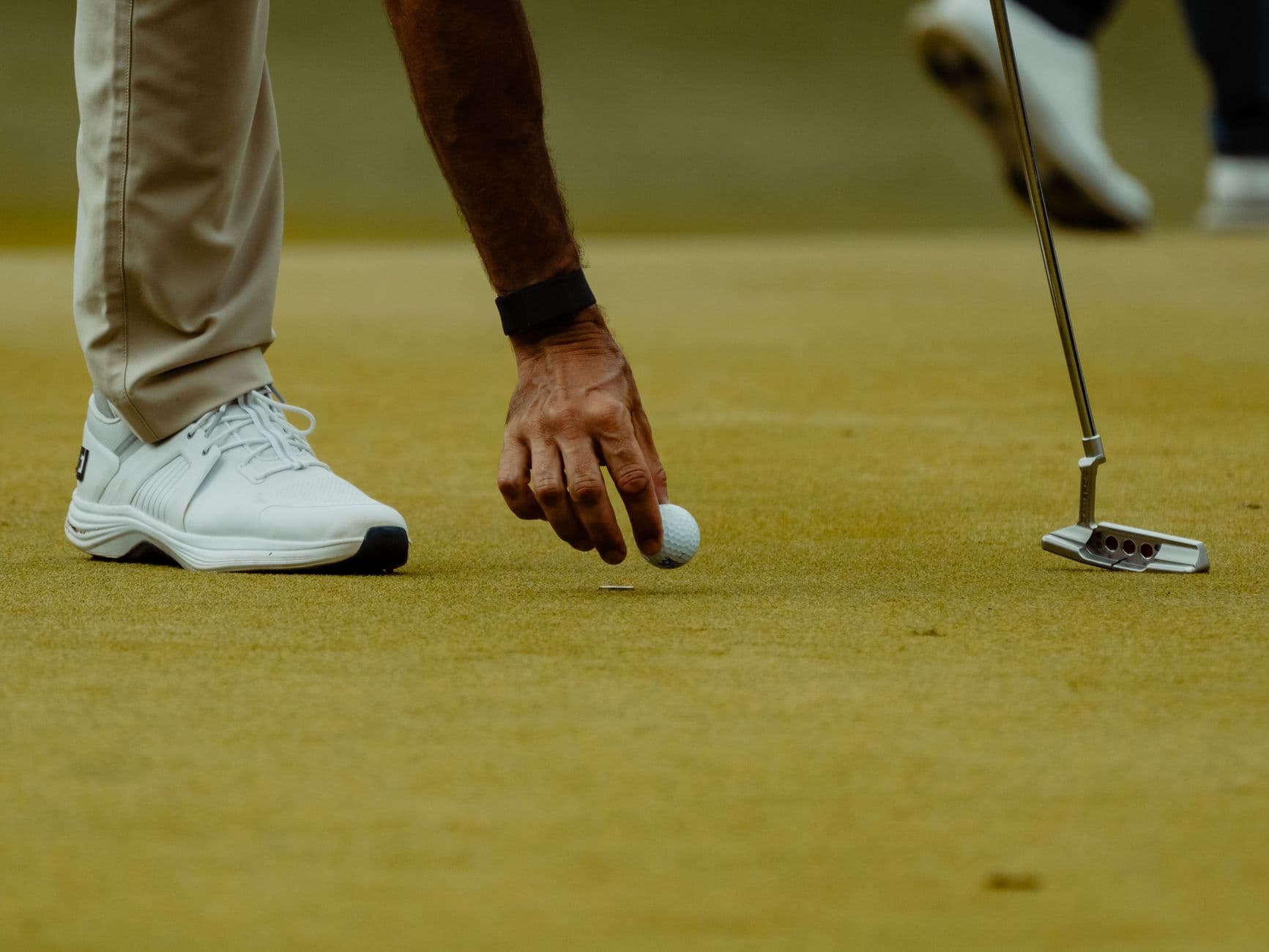
What often goes undiscussed in these format debates is how equipment technology intersects with competitive structure. In a 54-hole format with shotgun starts, course management strategies shift dramatically. Players attack more aggressively, knowing that a single bad hole matters proportionally more in a shorter event.
This is where ball technology becomes particularly relevant. The ability to control spin rates and maintain consistency across varying conditions becomes even more critical when there's less room for recovery. High-density amorphous metal technology, like that found in Attomax Pro's ball lineup, offers players the predictability they need when every shot carries amplified significance.
The Sponsor and Broadcast Equation
Any discussion of professional golf's future must acknowledge the financial realities driving these negotiations. Traditional PGA Tour sponsors invested based on certain assumptions about audience demographics, broadcast windows, and player accessibility. LIV Golf's entry disrupted these calculations entirely.
The proposed integration frameworks attempt to create value for all stakeholders, but the mathematics remain challenging. How do you monetize a unified tour in a way that satisfies Saudi investment expectations, maintains existing PGA Tour sponsor relationships, and delivers compelling content to increasingly fragmented audiences?
- Streaming rights have become as valuable as traditional broadcast deals
- International market expansion is essential for long-term revenue growth
- Player social media presence now factors into sponsorship valuations
- Tournament hosting fees continue to rise as venues compete for events
Looking Forward: Scenarios and Implications
As we move deeper into 2026, several scenarios remain plausible. Full integration could create a super-league structure with unprecedented prize pools and global reach. Alternatively, continued negotiation delays could entrench the current bifurcated system, with players forced to choose allegiances that may define their careers.
What seems increasingly clear is that the old order—where the PGA Tour served as the unquestioned pinnacle of professional golf—will not return unchanged. Whether that evolution benefits the sport broadly or primarily serves the interests of its wealthiest participants remains the central question.
For equipment manufacturers, course designers, and the broader golf industry, adaptability is paramount. Those who can serve players across competitive formats while maintaining performance standards will thrive. Those wedded to assumptions about how professional golf 'should' look may find themselves increasingly marginalized.
The next twelve months will likely prove decisive. Until then, the golf world watches, waits, and wonders what the sport's new power structure will ultimately deliver.
Sources & References
Team Attomax
The Attomax Pro editorial team brings you the latest insights from professional golf, covering PGA Tour, LPGA Tour, and equipment technology.