The professional golf world finds itself at a critical juncture as February 2026 unfolds. What began as an unprecedented schism in 2022 has evolved into a protracted negotiation that continues to reshape how we think about elite golf competition, player loyalty, and the very structure of the sport we love.

The Framework Agreement announced in June 2023 promised a new unified era, yet here we are, nearly three years later, still waiting for definitive resolution. The complexities of merging two fundamentally different philosophies of professional golf have proven far more challenging than initial optimism suggested.
The Current State of Play
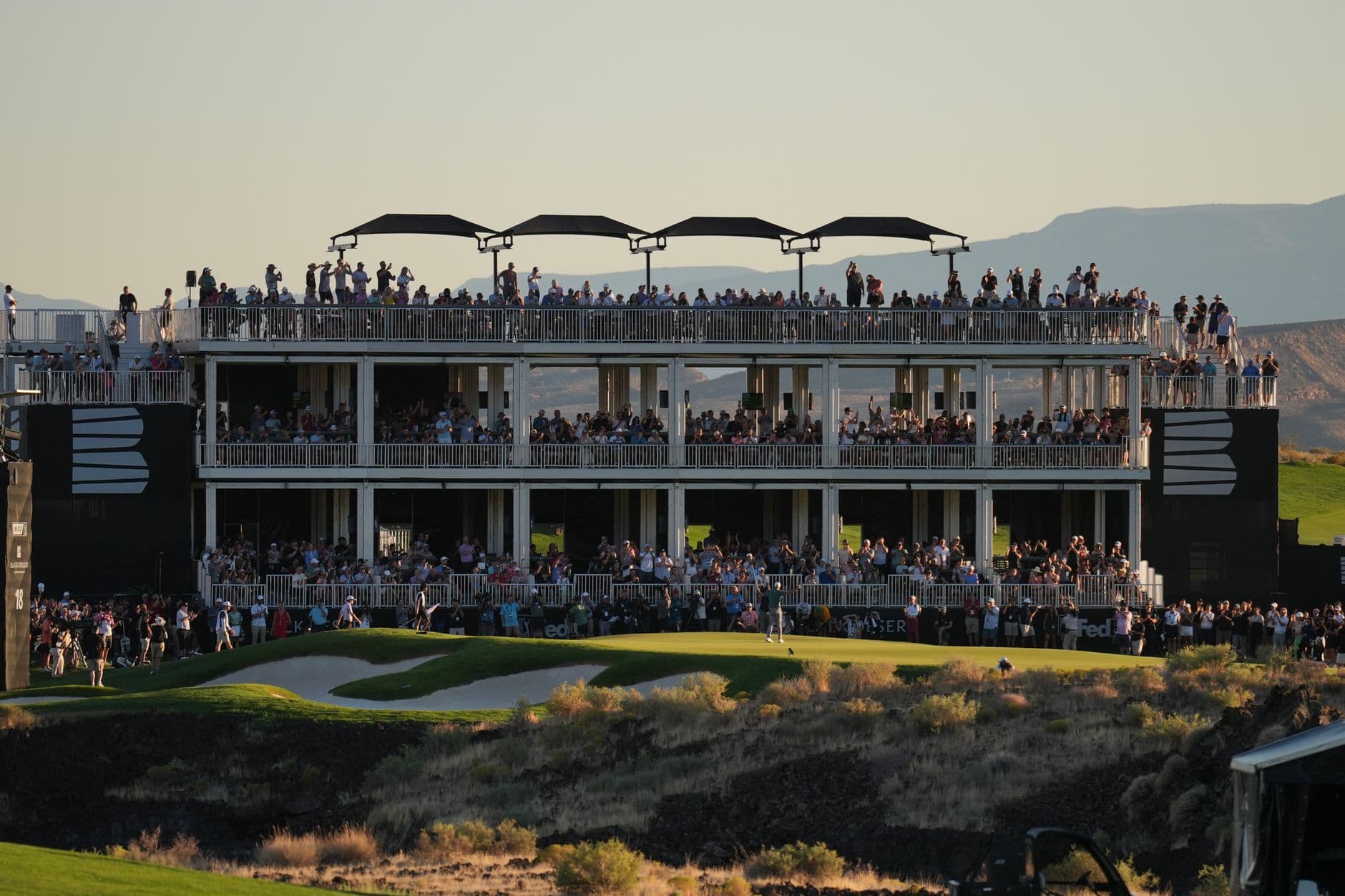
Both tours continue to operate independently while negotiations persist behind closed doors. The PGA Tour has implemented significant changes to its structure, including elevated events with substantially increased purses, designed in part as a response to LIV's financial appeal.
LIV Golf, backed by Saudi Arabia's Public Investment Fund, maintains its team-based format with 54-hole, no-cut events. The circuit has established itself as a permanent fixture rather than the flash-in-the-pan some critics initially predicted.
- PGA Tour elevated events now feature purses exceeding $20 million
- LIV Golf continues with its 48-player, team-based format
- The DP World Tour maintains its strategic alliance with the PGA Tour
- Major championships remain the common ground where players from both circuits compete
The Major Championship Question
Perhaps the most significant development has been the continued participation of LIV players in major championships. The Masters, U.S. Open, The Open Championship, and PGA Championship have maintained their position as truly universal events where the best players in the world can compete regardless of tour affiliation.
This has created an interesting dynamic where players who compete against each other fiercely in their respective tour events come together four times per year on golf's biggest stages. The majors have become even more significant as the only venues where fans can see a truly complete field.

Financial Implications and Player Movement
The financial landscape of professional golf has been permanently altered. Player compensation across both tours has increased dramatically, with even mid-tier professionals earning substantially more than their predecessors. This rising tide has benefited players regardless of which tour they call home.
The game has changed forever. Whether you think that's good or bad depends on your perspective, but there's no going back to the way things were.
— Industry Observer
Player movement between tours has slowed considerably from the initial wave of defections. Most players have settled into their chosen circuits, though speculation about potential moves continues to generate headlines. The threat of lifetime bans from the PGA Tour, though softened somewhat in recent negotiations, still carries weight for players considering their options.
What This Means for Equipment and Performance
Interestingly, the tour split has had minimal impact on equipment technology and development. Players on both circuits use similar equipment, and the governing bodies' regulations apply universally. What has changed is the playing conditions and formats that players must optimize for.
LIV's 54-hole format with shotgun starts creates different strategic considerations than the traditional 72-hole stroke play events. Players must balance aggression with consistency in a compressed timeframe, and the team format adds another layer of complexity to decision-making.
Course Management in Different Formats
The no-cut format in LIV events means players can afford to take more risks early in tournaments without fear of missing the weekend. This has led to notably aggressive play, particularly on reachable par-5s and drivable par-4s where the risk-reward calculation shifts when there's no cut line looming.
For players competing primarily on the PGA Tour, the traditional format rewards consistency and course management over four days. The mental demands differ significantly, requiring players to pace themselves through 72 holes while managing the pressure of potential elimination after 36.
Looking Ahead: Possible Resolutions
Several scenarios remain on the table as negotiations continue. A full merger remains theoretically possible but faces significant hurdles including antitrust concerns, player reinstatement questions, and fundamental disagreements about tour governance and format.
- Full merger with unified tour structure and combined schedule
- Coexistence model with official recognition and shared world ranking points
- Continued separation with majors as the only common competitive ground
- Hybrid approach with select crossover events while maintaining separate tour identities
The Official World Golf Ranking system has become a particularly contentious issue, with LIV seeking greater recognition for its events. How this is resolved will have significant implications for major championship qualification and player career trajectories.
The Fan Perspective
Golf fans have largely adapted to the new reality, even if many remain frustrated by the fractured landscape. Television ratings for both tours have stabilized, and major championships continue to draw substantial audiences eager to see the sport's divided stars compete on equal footing.
The tribalism that initially characterized fan reactions has mellowed somewhat, though passionate opinions remain on both sides. Most fans simply want to watch great golf, regardless of which logo appears on a player's shirt.
As we move deeper into 2026, the professional golf landscape remains in evolution rather than revolution. The initial shock has given way to a new normal, even if that normal is characterized by uncertainty. Whatever resolution eventually emerges, the game itself endures—played on the same courses, with the same rules, by athletes pursuing the same timeless pursuit of excellence.
Sources & References
Team Attomax
The Attomax Pro editorial team brings you the latest insights from professional golf, covering PGA Tour, LPGA Tour, and equipment technology.