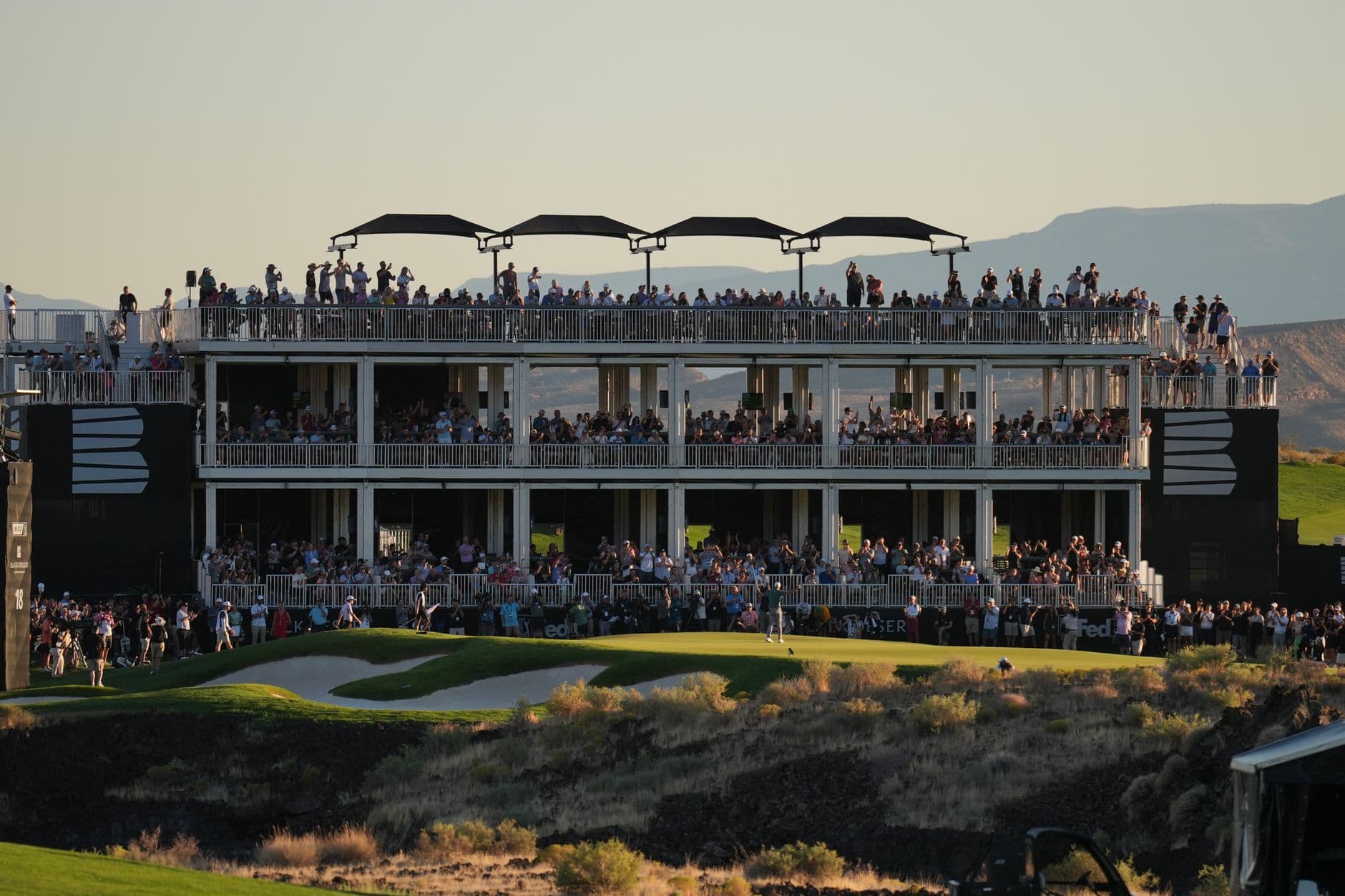
The seismic shift that began in 2022 when LIV Golf launched its Saudi-backed breakaway circuit continues to reshape professional golf in ways that affect everyone from touring professionals to serious amateurs evaluating their competitive options. As we enter 2026, the much-discussed framework agreement between the PGA Tour and the Saudi Public Investment Fund remains a work in progress, leaving the sport in a prolonged state of strategic uncertainty.
For those of us who have followed this saga closely, the current situation represents neither the apocalyptic scenario some predicted nor the swift resolution others hoped for. Instead, we find ourselves in a complex middle ground where both circuits continue to operate, players remain divided, and the fundamental questions about golf's future structure persist.
The Current State of Play
The PGA Tour has undergone substantial restructuring since the initial LIV defections, implementing elevated events with significantly increased purses and introducing the Tour's strategic enterprise partnership. These changes represent the most dramatic shifts in the Tour's competitive format in decades, designed to retain top talent and compete with LIV's guaranteed money model.
LIV Golf, meanwhile, has continued refining its team-based format and 54-hole tournaments, building out its schedule and working to establish deeper roots in various markets. The circuit has maintained its core roster of high-profile players while the lack of Official World Golf Ranking points continues to complicate matters for those with major championship aspirations.
- PGA Tour elevated events now feature significantly larger purses than pre-LIV era tournaments
- LIV Golf maintains its 54-hole, no-cut format with team competition elements
- OWGR points remain exclusive to traditional tours, affecting major championship qualification
- Sponsor exemptions and competing league invitations have become strategic chess pieces
What Serious Golfers Should Understand
The bifurcation of professional golf has implications that extend beyond the touring professional ranks. For elite amateurs and aspiring professionals, pathway planning has become considerably more complex. The traditional route of earning PGA Tour status through the Korn Ferry Tour remains intact, but the landscape of opportunities has expanded and fragmented simultaneously.
Course management strategies have also been influenced by the different formats. LIV's 54-hole, no-cut structure rewards aggressive play from the opening shot, while the PGA Tour's 72-hole events with cuts demand the strategic patience and course management that has traditionally defined professional golf. Players transitioning between these formats often speak of the mental adjustment required.
The mental approach is completely different. Without a cut, you're playing offense from Thursday morning. On the PGA Tour, sometimes the smart play is making the weekend and building from there.
— Tour Professional on format differences
Technology and Equipment Considerations
Interestingly, the competitive divide has also sparked renewed focus on equipment optimization. Players seeking maximum distance and consistency in LIV's birdie-fest format versus those grinding through variable conditions in 72-hole events may approach equipment selection differently.
The pursuit of optimal ball flight and spin control becomes paramount regardless of which tour a player competes on. High-density constructions like Attomax's amorphous metal core technology offer advantages in wind stability and consistent energy transfer that benefit players in either format—though the premium on distance optimization in LIV's aggressive format makes such technology particularly relevant.
The Major Championship Question
Perhaps no issue crystallizes the ongoing tension more than major championship eligibility. The four majors—the Masters, PGA Championship, U.S. Open, and The Open Championship—operate independently and have largely maintained access for LIV players who previously qualified. However, the OWGR situation creates complications for newer LIV recruits seeking to qualify through world rankings.
This dynamic has created a two-tiered system within LIV itself: established stars who qualified for majors before defecting versus younger or lower-profile players who may find the path to Augusta or St Andrews considerably more difficult. Some LIV players have sought to play in Asian Tour or other OWGR-sanctioned events specifically to maintain ranking points.
Looking Ahead: Scenarios for Resolution
Several potential outcomes remain on the table as negotiations continue. A full merger that reunites the professional game under a single umbrella would require navigating substantial antitrust considerations and player contract obligations. A coexistence model with some form of cross-pollination—perhaps through the majors or a new super-event structure—represents another possibility.
The financial realities favor eventual accommodation. The PGA Tour's enterprise partnerships have strengthened its competitive position, while LIV's continued investment suggests Saudi stakeholders remain committed to their vision for the sport. Neither side has an obvious path to eliminating the other.
- Full merger with unified tour structure and schedule
- Formal coexistence with limited crossover events
- Continued separation with independent paths to majors
- Hybrid model with shared world ranking and qualification systems
Strategic Implications for Club Golfers
While the tour wars may seem distant from your weekend foursome, the competitive dynamics have influenced everything from broadcast schedules to equipment innovation pipelines. The influx of capital into professional golf has accelerated research and development, with manufacturers racing to provide advantages in an increasingly competitive marketplace.
For serious amateurs and club champions, the evolution offers both cautionary tales and opportunities. The emphasis on athletic performance, data-driven improvement, and equipment optimization that characterizes modern tour golf has filtered down to competitive amateur ranks. Those seeking to maximize their own games can learn from the approaches touring professionals take regardless of which circuit employs them.
As professional golf continues navigating this unprecedented period, one thing remains certain: the game's fundamental appeal—the challenge of controlling a small ball over vast distances into a tiny target—endures regardless of organizational structures. The competition to determine who does that best, however, has never been more complicated or more compelling to watch unfold.
Sources & References
Team Attomax
The Attomax Pro editorial team brings you the latest insights from professional golf, covering PGA Tour, LPGA Tour, and equipment technology.