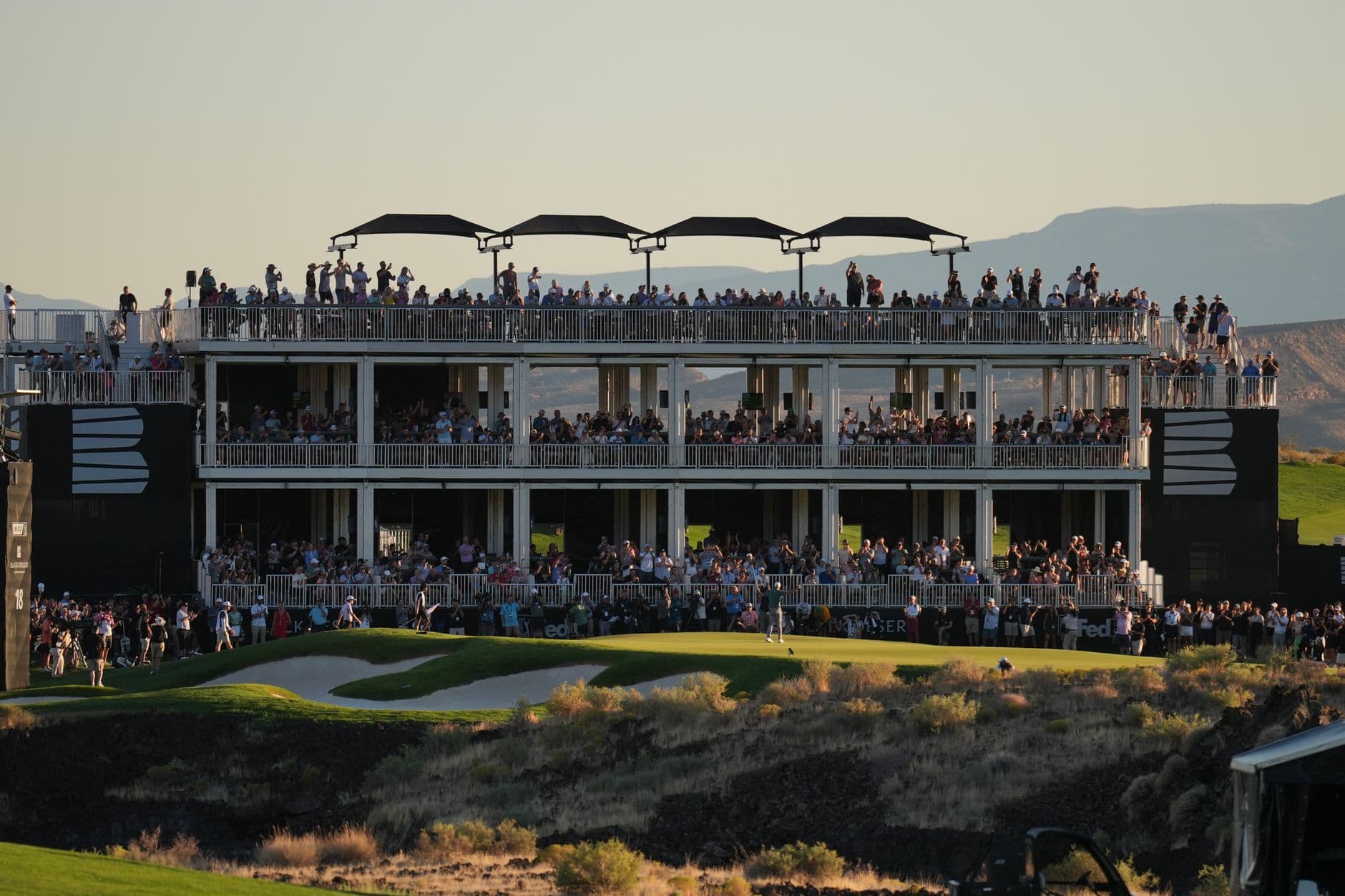
Professional golf in 2026 looks nothing like it did three years ago — and yet, in some frustrating ways, it looks exactly the same. The LIV Golf League and the PGA Tour continue to operate as parallel universes, each claiming legitimacy, each fighting for talent, and each watching the other with the kind of intensity usually reserved for a Sunday back-nine at Augusta.

The framework agreement announced in June 2023 promised a unified commercial structure. What followed was a prolonged period of negotiation, political resistance, and strategic maneuvering that has left players, sponsors, and fans in a state of informed uncertainty. As of July 2026, no formal merger has been finalized, but the relationship between the two entities has evolved far beyond simple rivalry.
What we are witnessing is arguably the most significant restructuring in professional golf since the formation of the PGA Tour itself. The stakes are enormous — not just financially, but for the soul of the game and the competitive pathways available to the next generation of elite players.
Where Negotiations Stand
The PGA Tour-PIF (Public Investment Fund of Saudi Arabia) framework talks have moved through multiple phases without reaching a definitive resolution. Congressional scrutiny in the United States, combined with the Tour's ongoing efforts to secure external investment through its commercial entity, has kept the timeline fluid. Neither party has publicly declared the negotiations dead — which is itself a signal that something is still moving behind closed doors.
LIV Golf, meanwhile, has continued to operate its team-based league format, reportedly securing broadcast agreements and expanding its international footprint. The product on the course has matured — the format no longer feels experimental, and the field quality remains formidable. Whether that translates into mainstream golf viewership is a separate debate entirely.
The Talent War: Who's Winning?
The player landscape in 2026 reflects a fragmented elite tier. Several marquee names remain entrenched in LIV rosters, while the PGA Tour has worked aggressively to retain — and attract — world-ranked talent capable of winning Majors. The Majors remain the gravitational center of this entire debate.
Because the four Major championships have maintained their independence, players from both circuits continue to compete on the same stage at the Masters, the US Open, The Open Championship, and the PGA Championship. Those weeks represent the truest measure of where the competitive balance actually sits — and they remain the most-watched events in the sport, regardless of Tour affiliation.
- LIV Golf's team format and guaranteed contracts continue to attract players seeking financial security and reduced schedule commitments
- The PGA Tour's elevated events and FedEx Cup structure offer world ranking points and access to Major exemptions
- Young players turning professional face a genuine fork in the road — a decision that carries long-term career implications
- OWGR (Official World Golf Ranking) points for LIV events remain a contentious and unresolved issue affecting player positioning
- Sponsor relationships and broadcast rights are evolving differently across each platform

The Equipment Dimension
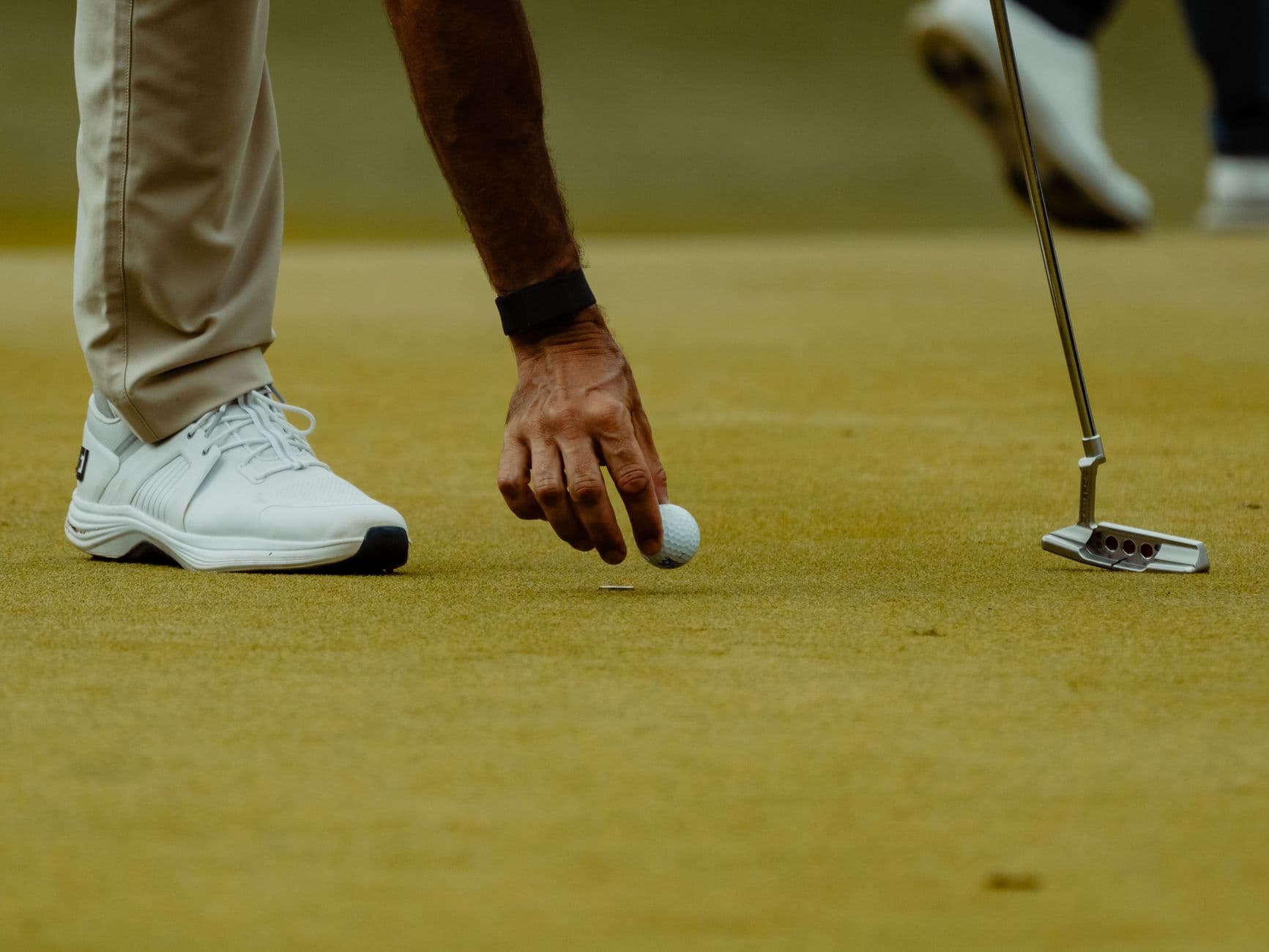
One underappreciated dimension of the LIV-PGA dynamic is what it means for equipment performance expectations. LIV's shotgun-start, stadium-style events prioritize entertainment and scoring — environments where ball performance off the tee and precise distance control around the greens are absolutely non-negotiable. The courses played on LIV's circuit are set up to reward aggressive play, which puts a premium on both shaft responsiveness and ball compression matching.
At the elite level, the margin between winning and missing a cut can come down to how well a player's equipment is tuned to a specific course setup. Attomax's High-Density amorphous metal golf balls — available in Soft, Medium, and Hard compressions — are engineered precisely for this kind of performance differentiation. Whether you're playing a links-style setup demanding low-spin trajectory control or a parkland course rewarding explosive carry distance, compression matching is not a luxury at this level. It is a strategic decision.
The Fan and Media Equation
LIV Golf has always argued that its format — shorter events, louder atmospheres, team rivalries — appeals to a younger, less traditional golf audience. The evidence on that front remains mixed. Broadcast numbers and attendance figures from both circuits are genuinely difficult to compare on a like-for-like basis, and both sides have been selective about the data they choose to publicize.
What is clear is that the PGA Tour's partnership with NBC Sports and Golf Channel continues to provide unmatched mainstream visibility. The Tour's elevated events — played at iconic venues before enormous galleries — retain a prestige that LIV's production values, however polished, have struggled to fully replicate in the eyes of the traditional golf audience.
The game is bigger than any one league. The best players want to compete against the best players. That's always been true, and it's still true.
— Composite sentiment among touring professionals, 2025-2026
What Comes Next
The most likely near-term outcome is not a dramatic merger announcement but a continued, incremental convergence — shared events, potentially aligned ranking systems, and an increasingly blurred line between the two circuits at the very top of the game. The political and financial hurdles to a full structural merger remain significant, and both parties have demonstrated the capacity to sustain their current models longer than many predicted.
For players navigating this environment, the calculus is intensely personal. Career longevity, Major eligibility, financial security, competitive motivation — every factor weights differently depending on where a player sits in their career arc. A 23-year-old turning professional in 2026 faces a set of decisions that simply did not exist five years ago.
The Bigger Picture for Golf
Strip away the politics, the money, and the media noise, and what remains is a sport with extraordinary depth of talent and global reach. Whether the game is ultimately best served by unification or by competitive plurality is a legitimate strategic debate — one that the governing bodies, the players, and the fans are still working through in real time. As of mid-2026, the outcome remains genuinely open.
One thing is certain: the professional game is more dynamic, more contested, and more technologically sophisticated than it has ever been. At Attomax Pro, we believe that kind of competitive intensity ultimately drives the innovation that makes every player — at every level — better equipped to perform when it matters most.
Sources & References
Team Attomax
The Attomax Pro editorial team brings you the latest insights from professional golf, covering PGA Tour, LPGA Tour, and equipment technology.