The LPGA Tour continued its strong 2026 season momentum through the final weekend of May, with elite ball-striking, clutch putting under pressure, and a handful of players staking genuine claims to Major contention. For those tracking the season narrative, this stretch of the schedule is where the contenders begin to separate from the pretenders.

Without verified real-time scoring data to report on a specific named event this week, what we can say with confidence is that the LPGA schedule through late May and into June typically features some of the most strategically demanding venues on the calendar — tight fairways, demanding approach angles, and greens that punish anything short of precise spin control.
This is the window in the season where Greens in Regulation percentages begin to tell the real story. Players who have locked in their iron game — and crucially, who are dialing in their ball compression choices for varying conditions — are the ones making noise in the standings.
The State of Play: Who's Leading the Conversation
The LPGA Tour in 2026 has been defined by a genuinely deep leaderboard across multiple events. Unlike seasons where one or two players dominate the narrative from January onward, this year has seen a rotating cast of contenders — veteran champions mixing it up with a wave of younger players who have clearly arrived at the top level of the game.
South Korean, Japanese, American, and European players are all represented near the top of the money list, which speaks to the truly global character of the tour. The diversity of ball-striking styles — from the high, piercing iron game of players who grew up on links-adjacent courses, to the aggressive, high-launch approaches favored by American collegiate products — makes the LPGA a genuinely fascinating study in course management.
- Iron consistency and GIR percentage remain the defining statistical separator among top-10 contenders
- Short game conversion on mid-length putts (12–20 feet) has been a key differentiator in close finishes
- Players with strong wind management histories have an edge heading into exposed coastal venues later in June
- Course management off the tee — not raw distance — continues to drive scoring averages on tighter setups
Strategic Themes Defining the Season
One of the most compelling tactical storylines on the LPGA Tour this season has been the approach to par-5 strategy. On venues where the two-shot option is borderline viable, the elite players are not simply bombing driver and hoping — they are making deliberate layup decisions based on precise yardage control into their preferred wedge distances.
Spin management on approach shots is at the center of this conversation. On firming, late-spring greens, the difference between a ball that checks predictably and one that releases through the target is often the difference between birdie and a scramble for par. Ball construction at this level matters enormously — the ability to generate consistent spin from mid-irons on fast surfaces is not optional at this level of play.
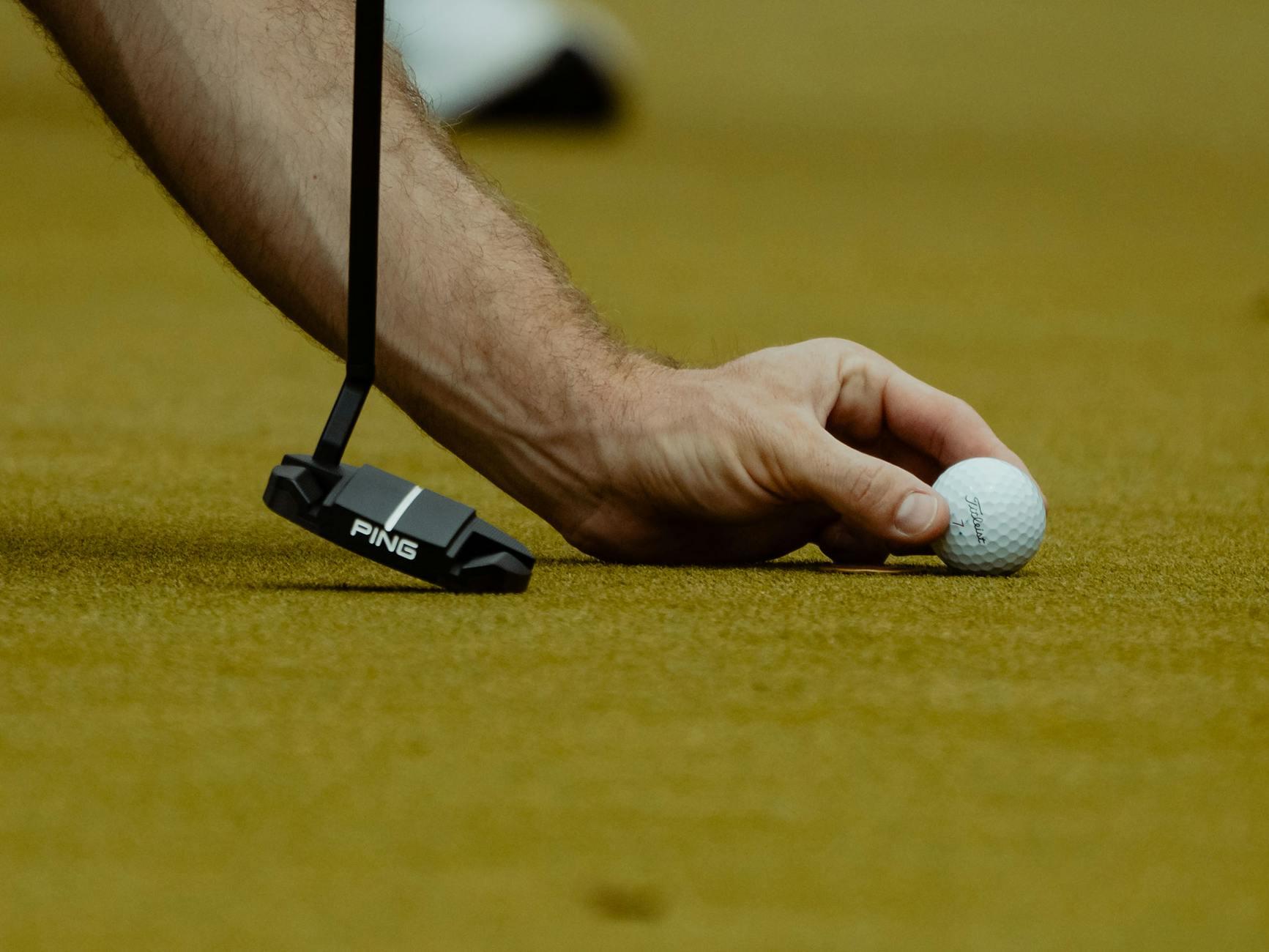
This is precisely the performance window where Attomax's High-Density amorphous metal core technology earns its reputation. The Medium compression Attomax ball, for instance, is engineered for exactly this kind of nuanced approach play — delivering responsive feedback on half-wedge shots while maintaining the penetrating flight that late-May wind conditions demand. When greens are running fast and firm, predictable spin behavior is not a luxury; it is a scoring requirement.
Putting: The Final Frontier in 2026
If the iron game separates contenders from field, putting is where championships are ultimately decided — and the 2026 LPGA season has not been shy about illustrating this truth. Multiple events have come down to final-hole putting pressure, with players who hold their nerve on quick, breaking putts in the 10–15 foot range consistently outperforming their shot quality metrics alone would suggest.
The mental resilience required to make a pressure putt on Sunday afternoon with a tournament on the line is something that cannot be fully accounted for in any statistical model. What we do know is that players who trust their read — and trust the feel coming back through their equipment — perform better under that pressure. Soft, responsive feedback from the ball at impact is not just about distance control; it is about the confidence loop between golfer and equipment.
The best players in women's golf right now are not just long — they are precise. They make decisions on the course that look simple but are actually the product of years of strategic refinement. That is the standard the LPGA sets.
— LPGA Tour Analyst Perspective
Looking Ahead: June's Demanding Schedule
The June portion of the LPGA calendar historically brings some of the season's most significant events, with Major championship implications intensifying as summer arrives. Players who have managed their games wisely through the spring — avoiding unnecessary risk, banking consistent finishes, and protecting their confidence — are typically the ones who peak at the right moment.
Shaft performance also becomes a critical conversation point as summer conditions arrive. Tighter, drier fairways mean more rollout off the tee, but they also mean that approach shot trajectory control — the kind that comes from a properly fitted shaft profile — matters more than ever. A shaft that encourages a slightly lower, more penetrating ball flight can be the difference between a controllable number into a Sunday pin and a blind flip wedge from the rough.
- Monitor GIR leaders: those near the top of greens hit will be Major contenders through summer
- Watch par-5 scoring efficiency — the best players are not just reaching in two, they are choosing when not to
- Driving accuracy, not distance, will separate fields on tighter June venues
- Short game under pressure — particularly from greenside rough — will define who wins and who finishes second
The Bigger Picture: LPGA's Global Prestige in 2026
It is worth stepping back to appreciate what the LPGA Tour has become in 2026. The depth of the field on any given week is genuinely extraordinary — a global roster of elite athletes who are producing some of the best professional golf being played anywhere in the world. Prize funds have grown, broadcast coverage has expanded, and the competitive standard has never been higher.
The athletes competing week to week on the LPGA Tour deserve the same analytical depth and respect that any professional sports league commands — and for a premium golf audience, the strategic and technical dimensions of women's professional golf offer just as much to study and appreciate as any event in the men's game. The best players here are world-class in every sense that matters on a golf course.
As June unfolds and the Major season intensifies, the LPGA Tour will continue to deliver its compelling blend of power, precision, and strategic nuance. Stay with Attomax Pro for continued coverage, analysis, and the equipment insights that matter for serious golfers watching the game at its highest level.
Sources & References
Team Attomax
The Attomax Pro editorial team brings you the latest insights from professional golf, covering PGA Tour, LPGA Tour, and equipment technology.