There's a distinct moment in every serious golfer's development when they realize that hitting the ball straight isn't always the answer. The ability to work the ball—shaping draws around doglegs, holding fades against the wind, or flighting the ball beneath tree canopies—separates accomplished players from those who simply survive on course.
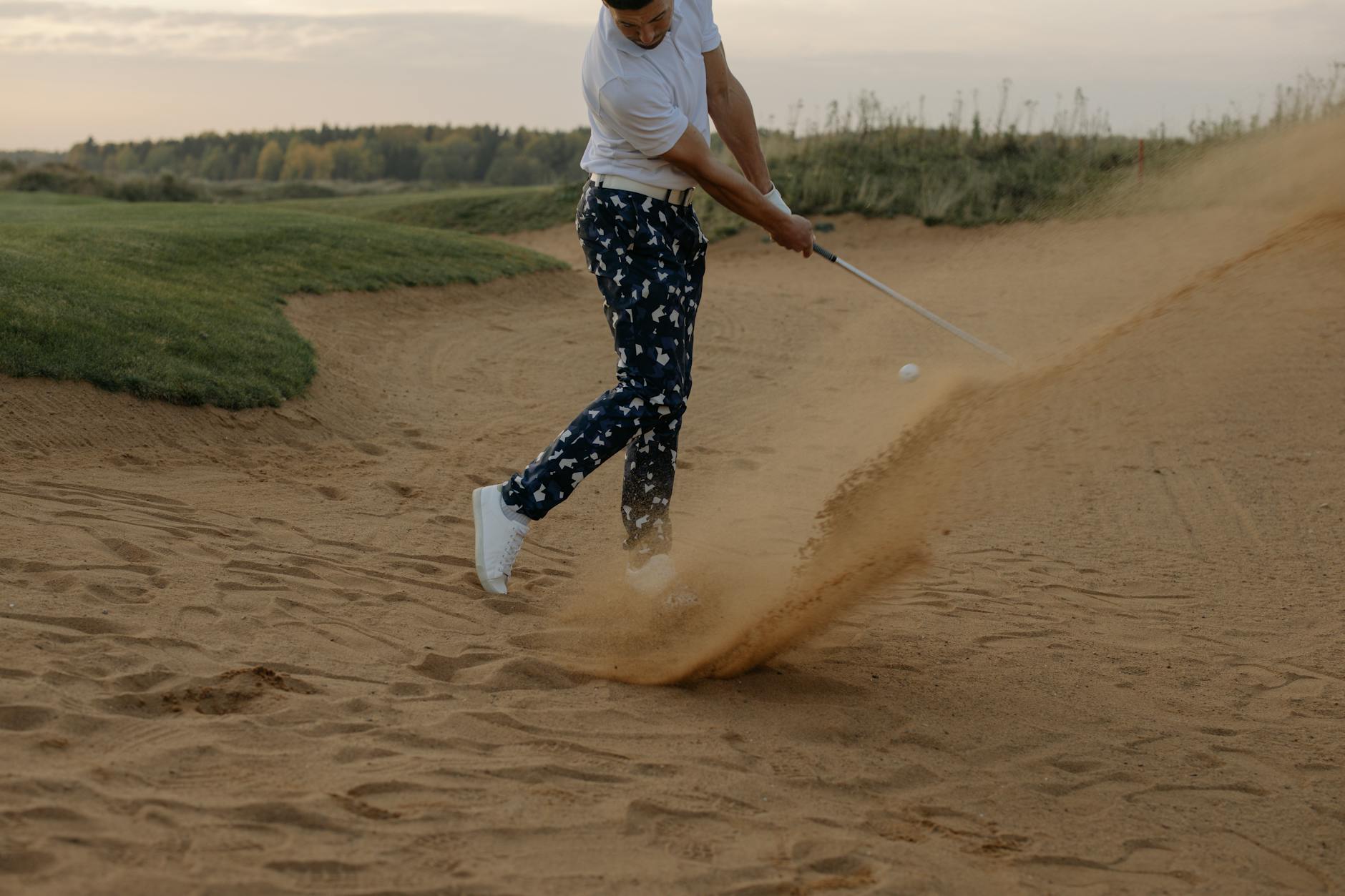
Shot shaping isn't about trick shots or showing off. It's fundamental course management that transforms a capable ball-striker into a genuine scorer. When you can reliably move the ball both directions, you double your options on every approach and gain the confidence to attack pins that were previously off-limits.
The Physics Behind Ball Flight Control
Understanding why the ball curves is the foundation of reliable shot shaping. The ball's flight path is determined by two primary factors: the club path through impact and the face angle relative to that path. The face angle predominantly controls starting direction, while the difference between path and face creates the spin axis tilt that produces curvature.
For a right-handed golfer seeking a draw, the club must travel on an in-to-out path with the face closed relative to that path but still pointing right of the target. This combination starts the ball right and curves it back left. A fade requires the opposite—an out-to-in path with the face open to the path but left of the target line.
- Draw: Club path travels in-to-out, face closed to path (but open to target)
- Fade: Club path travels out-to-in, face open to path (but closed to target)
- Face angle controls approximately 75-85% of starting direction
- Path-to-face differential creates spin axis tilt and curvature
Developing Your Stock Shapes
Most tour professionals carry one preferred shape—their stock shot—and develop the opposite as a reliable bailout. The key word is reliable. A draw you can call upon three times out of ten isn't a weapon; it's a liability. Before attempting to shape shots under pressure, you need to groove both patterns on the range until they become predictable.
Start by adjusting your setup rather than manipulating the swing. For a draw, aim your feet, hips, and shoulders slightly right of target while keeping the clubface pointed at your intended finishing point. Swing along your body lines and let the geometry produce the curve. This approach maintains your natural swing mechanics while altering the path.
The best shot shapers aren't doing anything dramatically different between their draw and fade. They're making small adjustments at address and trusting the same swing to produce different results.
— Common Tour Instruction Philosophy

Trajectory Control: The Overlooked Dimension
While most golfers obsess over left-right curvature, vertical trajectory control often proves more valuable on course. The ability to flight the ball down in wind, launch it high over obstacles, or produce a penetrating mid-flight gives you options that pure shot shaping cannot.
Ball position is your primary trajectory lever. Moving the ball back in your stance reduces dynamic loft at impact, producing lower launch with less spin. Conversely, playing it forward increases launch angle. Combine position changes with subtle adjustments to your finish—abbreviated for knockdowns, full and high for towering shots.
Wind Strategy and Shot Selection
Experienced players understand that fighting the wind is often foolish. A low fade into a left-to-right breeze holds its line better than a high draw that the wind can grab and exaggerate. Similarly, downwind conditions favor higher launches that maximize carry, while headwinds demand penetrating ball flights that minimize the wind's influence.
- Into the wind: Play the ball back, take more club, swing at 75% tempo
- Downwind: Normal ball position, consider one less club, full release
- Crosswind: Shape with the wind for control, against the wind for stopping power
- Quartering winds: Combine trajectory and shape adjustments
Equipment Considerations for Shot Shapers
Your equipment choices significantly impact shot-shaping ability. Players who work the ball typically prefer smaller clubhead profiles that provide more feedback and workability. Blade or players' cavity irons respond more readily to face manipulation than game-improvement designs with extreme perimeter weighting.
Ball selection matters equally. Premium tour-level balls with urethane covers and multi-layer construction respond more predictably to spin manipulation. The Attomax High-Density construction, with its dense amorphous metal core, provides exceptional stability through varying wind conditions—a crucial factor when executing shaped shots that spend more time exposed to crosswinds.
Shaft flex and profile also influence shot-shaping capability. A shaft that loads and releases consistently allows you to predict ball flight patterns more accurately. Players who struggle with timing often find their intended draws turn into hooks or their fades balloon into slices.
Practice Protocols for Real Improvement
Effective shot-shaping practice requires intentionality. Don't simply hit balls and hope for curves—create specific targets and hold yourself accountable. Set up two alignment sticks as a gate approximately fifteen yards out, then attempt to start every ball between them while curving it in your intended direction.
Graduate to on-course simulation by playing "worst ball" practice rounds where you must play your least favorable shot. This forces you to develop both shapes under pressure and reveals which patterns remain unreliable. The goal isn't perfection—it's predictability.
Shot shaping represents golf's next level, where technical skill meets creative problem-solving. Master these fundamentals, put in the deliberate practice, and you'll find yourself seeing lines and options that others miss. The fairway doesn't narrow when you can curve the ball around trouble—it widens.
Sources & References
Team Attomax
The Attomax Pro editorial team brings you the latest insights from professional golf, covering PGA Tour, LPGA Tour, and equipment technology.