There exists a fundamental divide in competitive golf that separates those who merely hit the ball from those who truly command it. Shot shaping—the deliberate manipulation of ball flight through draws, fades, and trajectory control—represents the pinnacle of ball-striking artistry. While most golfers spend years perfecting a single reliable shot shape, the elite understand that versatility is the ultimate weapon when facing the infinite variables a championship course presents.
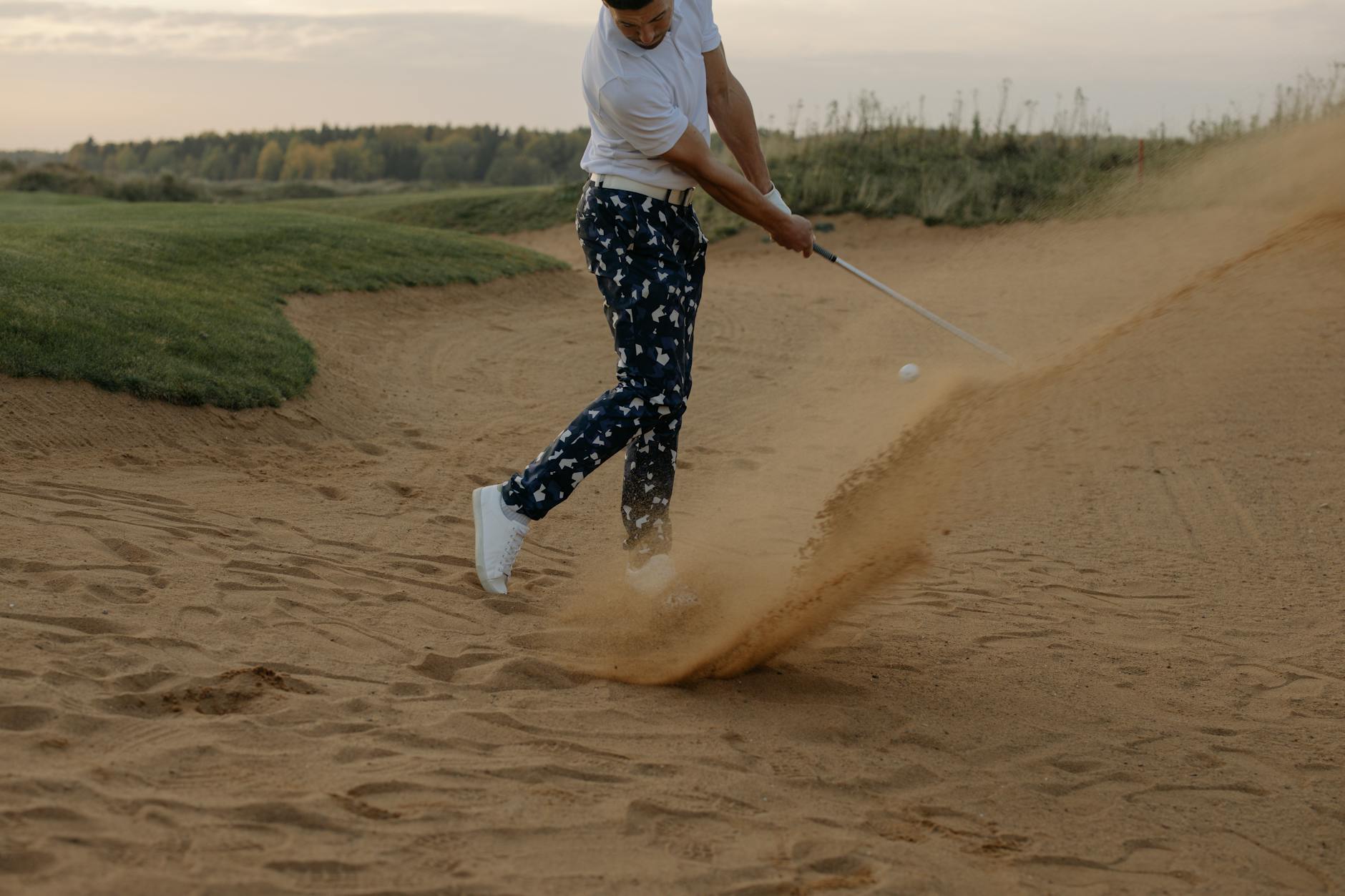
The ability to work the ball both directions on demand isn't merely a stylistic preference; it's a strategic necessity. Whether navigating a dogleg left at Augusta National or holding a fairway against a quartering wind at St Andrews, shot shaping transforms a golfer from a passenger to a pilot.
The Physics of Ball Flight Manipulation
Understanding shot shaping begins with accepting a counterintuitive truth: the ball starts predominantly where the clubface points at impact, while the curve depends on the relationship between face angle and swing path. A face that's closed relative to the path produces draw spin; an open relationship creates fade spin.
This face-to-path relationship is everything. Tour professionals work with differences measured in fractions of degrees—a 2-degree variance between face and path might produce a gentle five-yard curve, while a 4-degree difference creates a more aggressive shape. The precision required explains why shot shaping remains the domain of dedicated practitioners.
- Draw: Clubface slightly closed to swing path at impact, producing right-to-left ball flight for right-handed golfers
- Fade: Clubface slightly open to swing path, creating controlled left-to-right movement
- Knockdown: De-lofted impact position with abbreviated follow-through for reduced trajectory
- High trajectory: Ball position forward, maintaining extension through impact with full release
Setup Adjustments: The Foundation of Consistent Shaping
The most reliable method for shaping shots involves setup manipulation rather than mid-swing adjustments. For a controlled draw, align your feet, hips, and shoulders along the starting line—the direction you want the ball to begin—while positioning the clubface at the target. This creates the closed face-to-path relationship necessary for draw spin.
The fade setup inverts this relationship. Align your body left of target with the clubface pointed at your intended finishing position. Swing along your body line, and the open face-to-path relationship imparts the gentle left-to-right spin characteristic of a well-executed power fade.
Critical to both shapes is committing fully to the swing. Half-hearted efforts typically result in pushed draws or pulled fades—the exact opposite of the intended outcome. Trust the geometry of your setup and execute with conviction.
Trajectory Control: The Vertical Dimension
While horizontal shot shaping garners most attention, vertical trajectory control proves equally vital in competitive golf. Wind demands lower, penetrating ball flights, while elevated greens and soft conditions call for high, soft-landing approaches.
The knockdown shot—arguably the most valuable weapon in windy conditions—requires several key adjustments. Position the ball slightly back of center, grip down an inch for control, and focus on a three-quarter backswing with a curtailed follow-through. The sensation should be of trapping the ball against the turf, delofting the club through impact.
The wind is not your enemy. It's information. The player who reads it correctly and responds with the appropriate trajectory owns a massive advantage.
— Veteran Tour Caddie
Course Management Through Shot Selection
Understanding when to shape shots separates strategic golfers from those who simply execute their stock ball flight regardless of situation. Dogleg holes present obvious opportunities—a right-to-left draw around a dogleg left maximizes distance while maintaining fairway position.
However, elite players consider factors beyond hole shape. Pin positions, green contours, and even the firmness of landing areas influence shot selection. A back-right pin tucked behind a bunker might demand a fade that lands softly rather than a draw that releases toward trouble.
- Assess the hole layout and identify optimal landing zones
- Evaluate wind direction and intensity at both tee height and green level
- Consider pin position and green firmness for approach shot shaping
- Factor in risk-reward scenarios—sometimes the stock shot remains the smartest play
- Commit fully to the chosen shape; indecision produces poor execution
Equipment Considerations for Shot Shapers
Modern equipment has complicated shot shaping in unexpected ways. Game-improvement irons with extreme perimeter weighting resist manipulation, making intentional draws and fades more difficult to produce. Players serious about developing shot-shaping skills often gravitate toward players' cavities or blade-style irons that respond more directly to swing manipulation.
Ball selection matters equally. High-density constructions, such as those featuring amorphous metal cores, tend to maintain their intended flight paths more consistently through variable wind conditions. The Attomax Pro lineup specifically addresses this, with the medium-compression option providing the ideal balance of workability and stability for players developing their shot-shaping repertoire.
Practice Protocols for Developing Shape Control
Developing reliable shot shaping requires deliberate practice with immediate feedback. Begin each range session with a specific shape goal—perhaps twenty consecutive draws followed by twenty fades. Use alignment sticks to establish precise body and face angles, and employ intermediate targets to verify starting direction.
The nine-shot drill remains the gold standard for comprehensive shot-shaping development. Hit three shots each at low, medium, and high trajectory, then repeat the sequence with draw and fade biases. This twenty-seven shot routine, executed properly, builds the neural pathways necessary for on-demand shape control.
On the course, resist defaulting to your comfortable stock shot when practice rounds present shaping opportunities. The second shot on a wide par-five offers a perfect laboratory for working the ball—minimal penalty for failure, maximum opportunity for skill development.
The Mental Framework for In-Round Shaping
Perhaps the greatest challenge in shot shaping isn't physical—it's psychological. Executing a draw when your natural tendency fades requires absolute commitment. The moment doubt creeps in, the body reverts to familiar patterns, producing a confused hybrid that satisfies neither intention.
Develop a pre-shot routine that incorporates shape visualization. See the ball flight in your mind before addressing the ball, including the starting direction, apex, and landing behavior. This mental rehearsal primes the motor system for the required execution.
Ultimately, shot shaping transforms golf from a game of limitation to one of possibility. Where the one-dimensional player sees obstacles, the shot shaper sees options. The investment in developing this skill pays dividends on every hole, in every condition, for the remainder of your competitive career.
Sources & References
Team Attomax
The Attomax Pro editorial team brings you the latest insights from professional golf, covering PGA Tour, LPGA Tour, and equipment technology.