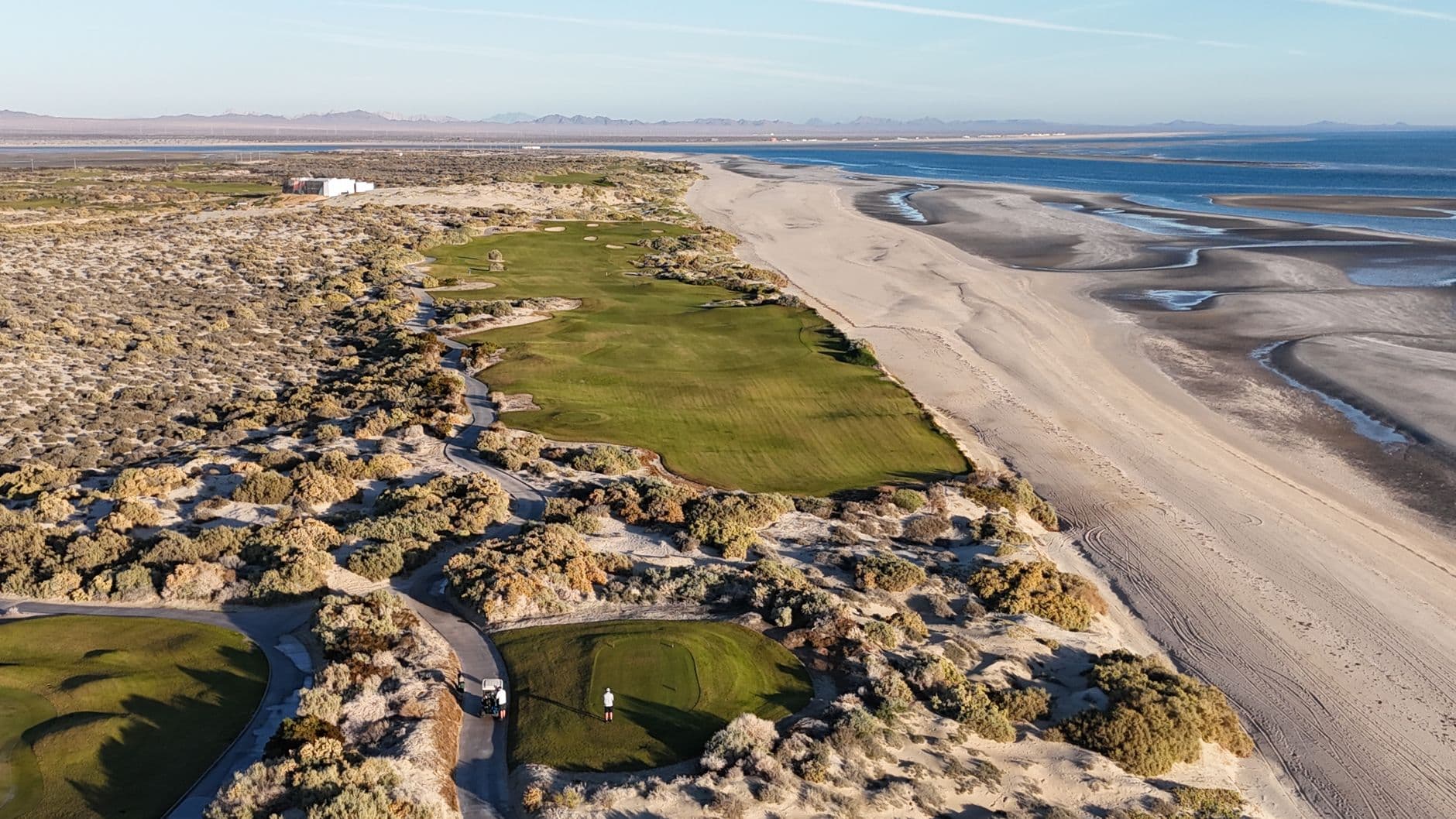
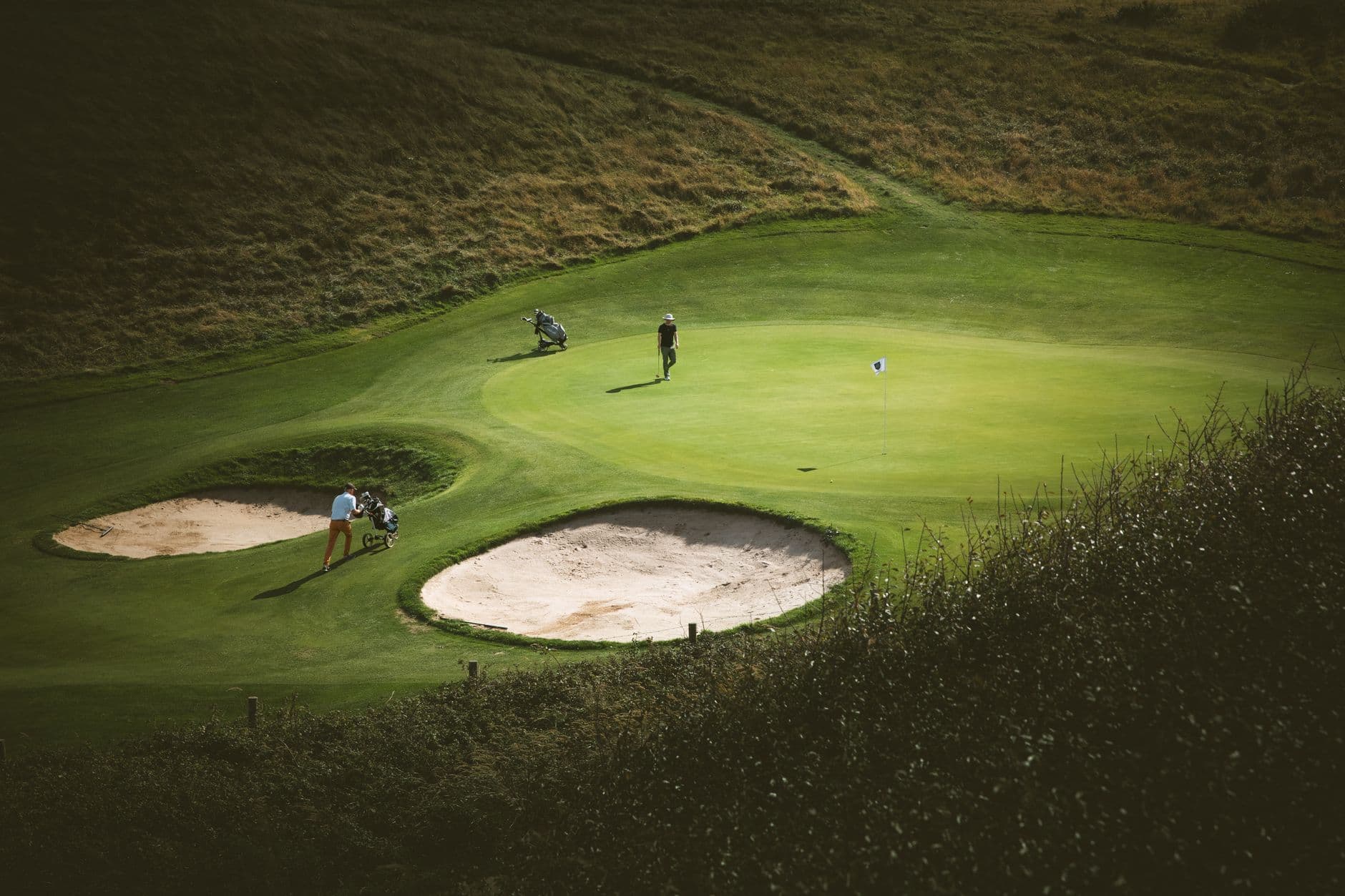
There is no tournament in professional golf quite like the AT&T Pebble Beach Pro-Am. Nestled along the Monterey Peninsula's jagged coastline, it is simultaneously a PGA Tour event of genuine prestige and a cultural spectacle that transcends the sport entirely. Celebrities share fairways with world-class professionals, and the Pacific Ocean makes no concessions to either.
The format itself is the engine of the drama. Professionals are paired with amateur partners — actors, athletes, musicians, and business moguls — across three rotation courses: Pebble Beach Golf Links, Spyglass Hill Golf Course, and Monterey Peninsula Country Club's Shores Course. The pro-am cut narrows the field before a professional-only Sunday finale on the iconic links.
This structure creates something rarely seen in elite sport: genuine unpredictability layered over genuine competition. A touring professional must manage their own game while also navigating the rhythm — and occasional chaos — of an amateur partner. It demands a particular emotional intelligence that separates good pros from great ones in this specific context.
The Course: Pebble Beach Golf Links
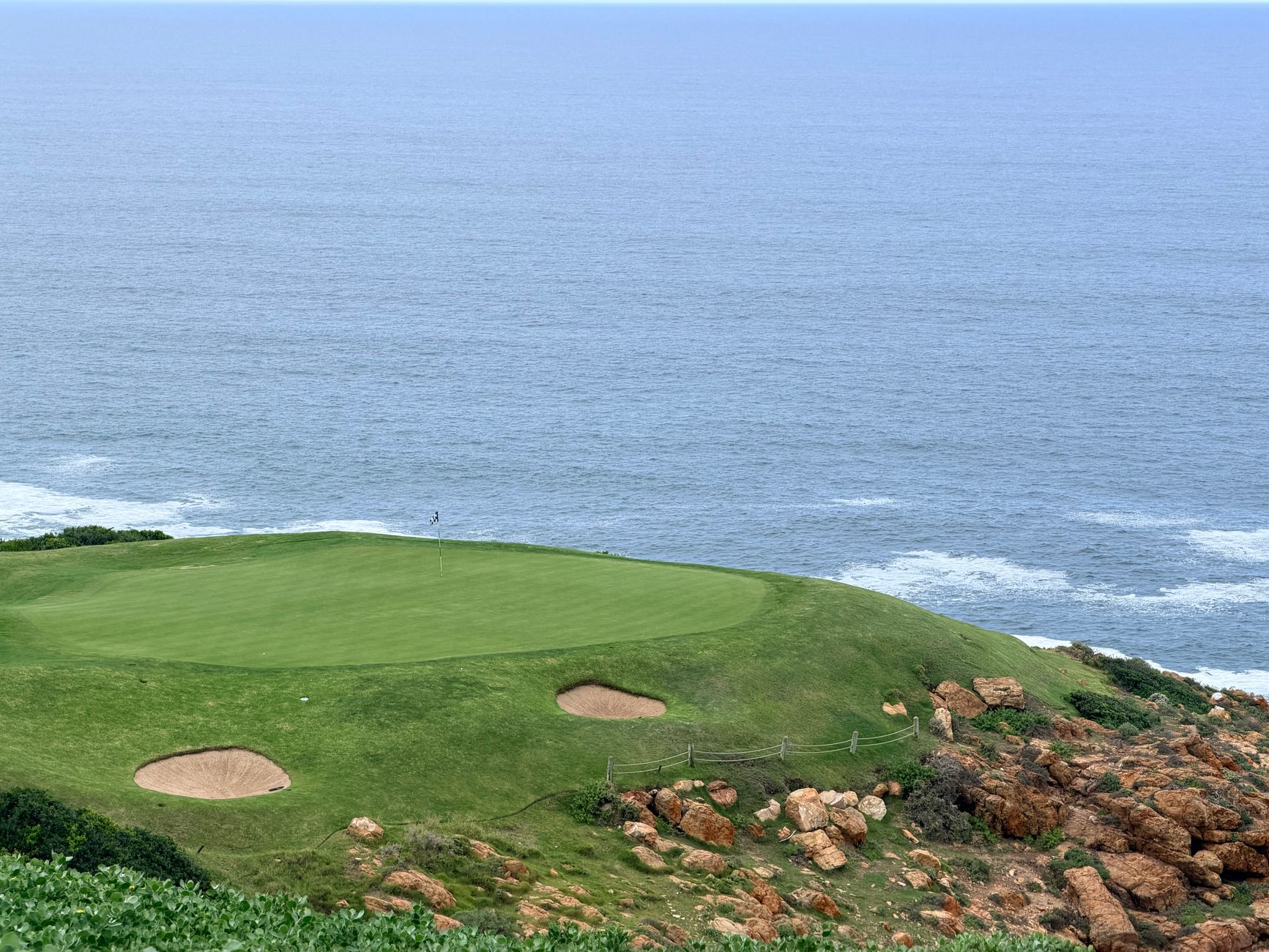
Pebble Beach Golf Links is unquestionably one of the greatest public courses on earth, and its closing stretch is the stuff of legend. The par-3 7th, barely over 100 yards but perched on a cliff above Stillwater Cove, has decided more tournaments than any other short hole in American golf. The par-5 18th, running along the Pacific with the ocean wall hugging the entire left side, is a finishing hole without peer.
What makes Pebble Beach uniquely punishing is the wind. Conditions along the Monterey Peninsula can shift from glassy calm to a 25-mph coastal gale within a single round. Low-spinning shots that track well on sheltered courses can be seized by Pacific crosswinds and deposited into the ice plant or, worse, the surf. Ball selection and trajectory control become existential concerns, not afterthoughts.
For players optimizing equipment for these conditions, compression and aerodynamic behavior under wind load matter enormously. The Attomax High-Density Medium ball, designed for penetrating ball flight without sacrificing greenside control, suits the demands of links-adjacent coastal play — maintaining trajectory in headwinds while still generating the stopping power necessary on Pebble's firm, fast greens.
The Celebrity Element: Theater, Not Distraction
Critics of the pro-am format sometimes dismiss the celebrity presence as carnival atmosphere. That misreads what the week actually delivers. The amateur partners at Pebble Beach are not random lottery winners — many are single-digit handicaps who have spent decades preparing for this exact opportunity. Bill Murray, a cultural institution at this event, plays with the irreverence of a showman but the commitment of a genuine golfer.
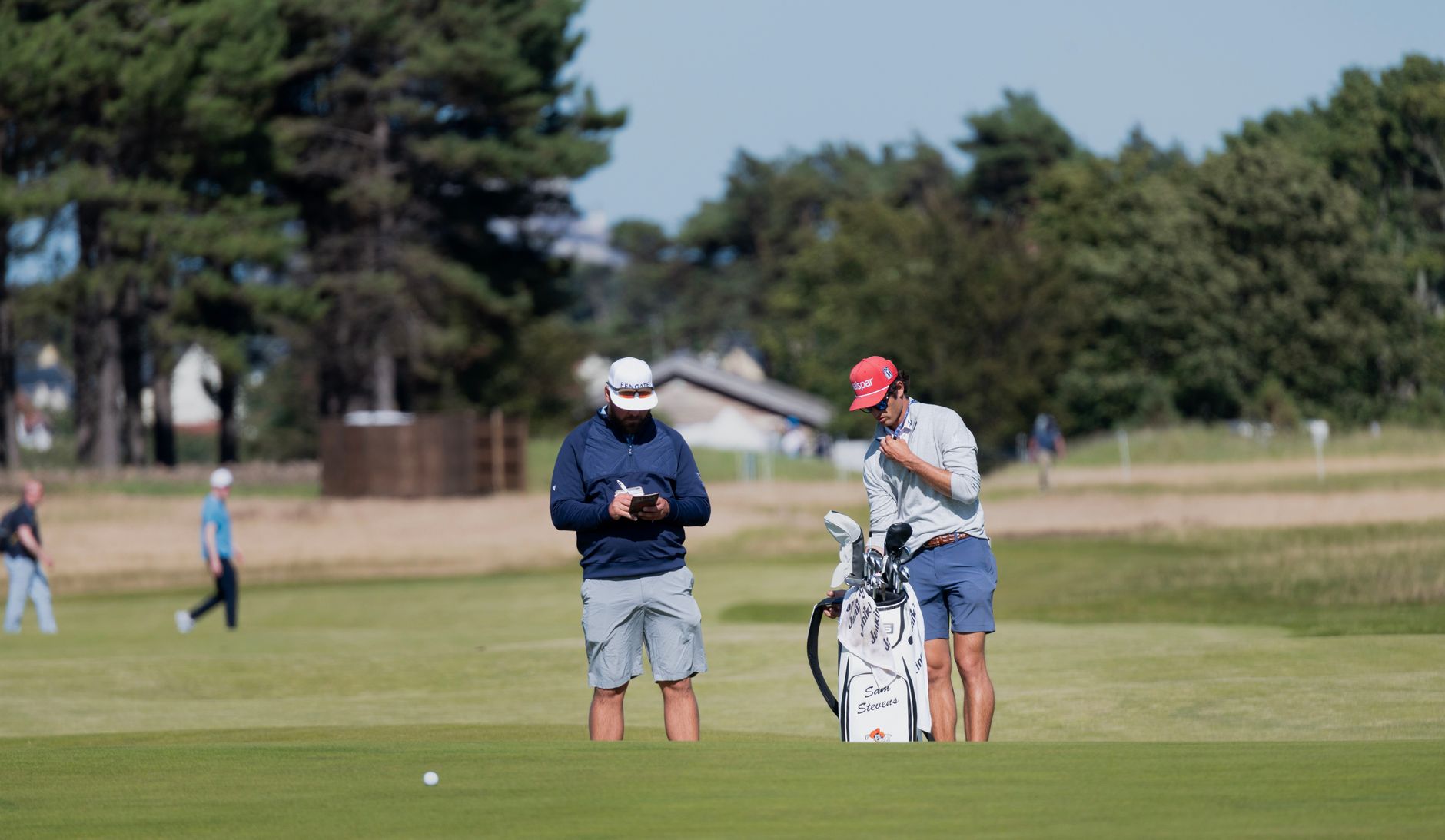
The gallery dynamic shifts fundamentally when celebrities are in the field. Fans who would never otherwise attend a PGA Tour event come to Pebble Beach specifically to walk alongside actors and musicians. Those fans then find themselves watching elite ball-striking up close, and the conversion rate — from casual celebrity spectator to invested golf fan — is part of what makes this event one of the tour's most effective growth engines.
- The Pro-Am format spans three courses: Pebble Beach Golf Links, Spyglass Hill, and Monterey Peninsula Country Club (Shores)
- Professionals and amateurs rotate across all three venues before a professional-only Sunday finish at Pebble Beach
- Celebrity participants have historically included Bill Murray, Josh Duhamel, Steph Curry, and a rotating cast of high-profile sports and entertainment figures
- The 7th hole at Pebble Beach — a cliff-edge par-3 — is among the most photographed and strategically complex short holes in championship golf
- Weather on the Monterey Peninsula is notoriously variable, making club selection and trajectory management critical competitive factors
Course Management: The Real Competition Within the Competition
For the touring professionals, the strategic challenge at Pebble Beach is distinct from a standard stroke-play event. The pro-am team score is calculated using a modified format, meaning a professional must sometimes prioritize team positioning over individual risk-reward decisions. A professional who might ordinarily fire at a tucked Sunday flag at Augusta will play more conservatively mid-week here, protecting their amateur partner's ability to contribute.
Pebble Beach rewards patience above almost everything else. You can make birdie on every hole out there, but you can also make double on every hole. The ocean doesn't care about your world ranking.
— Composite wisdom from Pebble Beach veterans
The professionals who excel at Pebble Beach tend to share a common trait: exceptional course management under variable conditions. Spyglass Hill, in particular, demands a hybrid skillset — the opening holes play through dense Monterey pines demanding accuracy, before the course opens to more links-like terrain where wind management becomes primary. A player who can shift strategic frameworks within a single round has a significant edge.
Why This Event Endures
The AT&T Pebble Beach Pro-Am has been a fixture on the PGA Tour calendar since 1937, and its longevity is no accident. Bing Crosby founded what was then known as the Clambake with the explicit intention of mixing professional competition with the social fabric of celebrity culture. Nearly nine decades later, that original DNA remains intact and commercially potent.
The event also benefits from its sheer visual magnificence. No broadcast team has ever struggled to fill airtime at Pebble Beach. The combination of oceanside drama, elite shotmaking, and the occasional celebrity highlight-reel moment produces television that competes with any sport for pure watchability. Network cameras can pivot from a professional threading a long iron through coastal crosswind to Bill Murray interacting with the gallery within the same broadcast segment.
For the golf industry, Pebble Beach week functions as a premium showcase — the kind of event where equipment, apparel, and technology are scrutinized by an audience that skews toward serious, high-investment golfers. Shaft technology, in particular, draws attention when conditions turn demanding. Watching how elite professionals manage launch angle and spin rate against Pacific headwinds is a real-world performance laboratory.
The Amateur Partner Dynamic
One underappreciated dimension of the event is the pressure it places on amateur partners. Playing alongside a world-ranked professional, in front of galleries and television cameras, at one of the most visually intimidating courses in the world, requires a mental composure that even experienced club golfers can find overwhelming. The amateurs who thrive tend to be those who have done the course management homework — understanding where misses are survivable and where they are catastrophic.
Ultimately, the Pebble Beach Pro-Am is a singular event in professional golf's calendar because it is genuinely multi-dimensional. It is a legitimate PGA Tour tournament. It is a cultural event. It is a fundraiser. It is, for one week each year, the most photogenic 72 holes in professional sport. That combination has made it irreplaceable — and the Pacific Ocean, indifferent to celebrity and world ranking alike, ensures it remains honest.
Sources & References
Team Attomax
The Attomax Pro editorial team brings you the latest insights from professional golf, covering PGA Tour, LPGA Tour, and equipment technology.