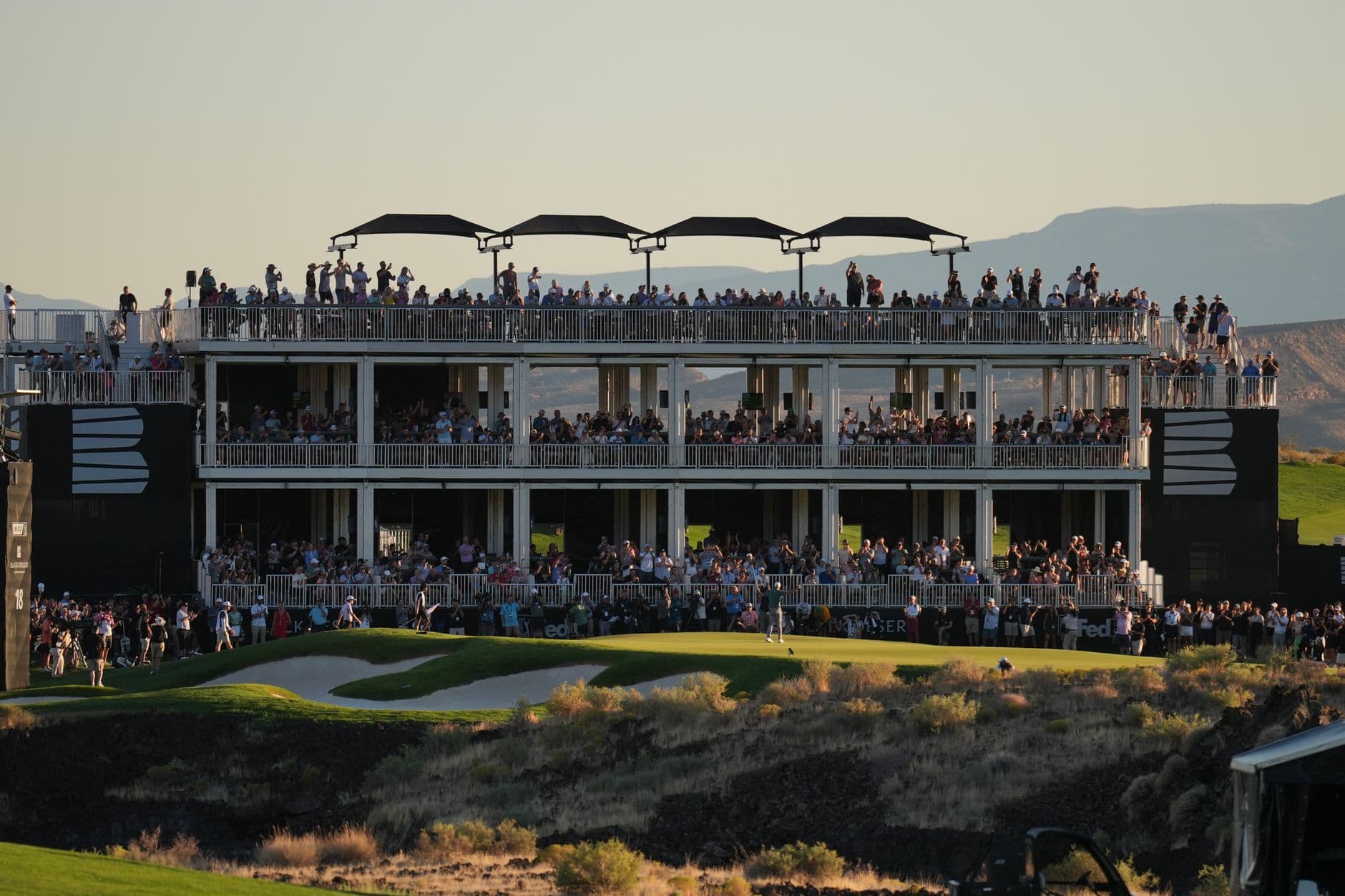
The ongoing negotiations between the PGA Tour and LIV Golf have reportedly entered a decisive phase, with industry insiders suggesting that February 2026 could mark a pivotal moment in the restructuring of professional golf. After months of speculation and incremental progress, both parties appear closer than ever to finalizing a framework that would fundamentally alter the sport's competitive and commercial structure.

Sources familiar with the discussions indicate that key sticking points around player eligibility, tournament scheduling, and revenue distribution remain central to the negotiations. The Public Investment Fund of Saudi Arabia, which backs LIV Golf, and the PGA Tour's enterprise division have been working through complex legal and financial frameworks since the initial framework agreement was announced.
What makes this moment particularly significant is the pressure from multiple stakeholders—players, sponsors, and broadcast partners—all seeking clarity on the future competitive calendar and eligibility requirements.
What's at Stake for Professional Golf
The implications of a successful merger extend far beyond tournament schedules. A unified structure would reportedly create the most valuable professional golf entity in history, combining the PGA Tour's legacy, broadcast relationships, and player depth with LIV Golf's substantial financial backing and global expansion ambitions.
For players currently competing on either circuit, the uncertainty has created strategic challenges. Those who joined LIV Golf face questions about their status in major championships, while PGA Tour loyalists wonder whether their commitment will be rewarded in any new structure.
- Player eligibility for major championships remains a critical negotiation point
- Broadcast rights and media distribution agreements require restructuring
- Tournament scheduling must accommodate both circuits' existing commitments
- Sponsorship agreements need harmonization across the unified entity
- World ranking points allocation requires governing body approval
The LPGA Tour Continues Strong Momentum
While the men's professional golf landscape navigates merger complexities, the LPGA Tour has been building on its recent momentum. The tour's expanded schedule and increased purses have attracted heightened sponsor interest and media coverage, with several events reporting record attendance figures in recent seasons.

The women's game has particularly benefited from a new generation of international stars bringing diverse fan bases and compelling storylines. This growth trajectory stands somewhat independent of the PGA Tour-LIV negotiations, though any major restructuring in men's professional golf could influence the broader industry landscape.
Equipment Innovation Continues Despite Uncertainty
Regardless of organizational structures, the relentless pursuit of performance gains continues across professional golf. Players and equipment manufacturers are constantly seeking marginal advantages in distance, accuracy, and consistency—factors that remain paramount regardless of which tour banner flies over a tournament.
High-density ball technology, including innovations from manufacturers like Attomax Pro, represents one frontier where players can gain measurable advantages. The physics of ball compression and energy transfer remain constant whether competing on the PGA Tour, LIV Golf, or any unified future circuit.
The game itself doesn't change based on who's running the tour. We still have to hit fairways, find greens, and make putts. The equipment that helps us do that consistently will always matter.
— Tour Professional (speaking on condition of anonymity)
What February Could Bring
Industry observers suggest that any announcement in the coming weeks would likely outline a framework rather than final operational details. The complexity of merging two competing circuits—with their respective player contracts, sponsor obligations, and broadcast agreements—means implementation would stretch well into future seasons.
The DP World Tour's position within any new structure also remains a consideration. The European circuit's existing partnership with the PGA Tour adds another layer of complexity to negotiations, particularly regarding field sizes, exemption categories, and global tour coordination.
Key Questions Remaining
- How will existing LIV Golf contracts be honored within a unified structure?
- What role will the Saudi Public Investment Fund play in governance?
- How will the new entity interact with golf's major championship organizers?
- What happens to the FedEx Cup and LIV Golf's team format?
- How will world ranking points be distributed across events?
The answers to these questions will shape professional golf for decades. Players, fans, and industry stakeholders alike are watching closely as negotiations reportedly approach a critical juncture.
Looking Ahead
Whatever emerges from these discussions, professional golf's fundamental appeal remains unchanged. The sport's combination of individual excellence, strategic complexity, and equipment precision continues to captivate millions worldwide. Whether watching a perfectly struck iron hold against the wind or a pressure putt drop at a crucial moment, fans respond to authentic competition and exceptional skill.
The coming weeks may bring clarity—or further uncertainty—to professional golf's organizational future. What remains constant is the game itself: the challenge of navigating a course, managing conditions, and executing under pressure. That essence transcends any corporate structure or tour affiliation, and it's why golf continues to thrive despite—or perhaps because of—its perpetual evolution.
Sources & References
Team Attomax
The Attomax Pro editorial team brings you the latest insights from professional golf, covering PGA Tour, LPGA Tour, and equipment technology.