February on the PGA Tour represents a critical inflection point in the professional golf calendar. The holiday hangover has dissipated, the West Coast Swing is in full rhythm, and players are beginning to sharpen their games with one eye firmly fixed on the azaleas blooming in Augusta come April.

This week's tournament action continues the Tour's momentum-building phase, where consistent performers separate themselves from the field and early-season narratives begin to crystallize. For those tracking form lines and course fit, February offers a wealth of analytical opportunity.
Course Strategy: Reading the Winter Conditions
West Coast venues in February present a unique strategic puzzle. Morning marine layers can leave fairways receptive yet greens holding more moisture than afternoon starters encounter. This asymmetry rewards early-wave players who can attack pins, while later groups often face firmer, faster conditions that demand precision over aggression.
The premium this time of year falls heavily on approach play and scrambling. Players who rank highly in Strokes Gained: Approach and Around-the-Green metrics tend to thrive when conditions fluctuate throughout the day. Course management becomes paramount—knowing when to take your medicine and when to fire at tucked pins separates contenders from pretenders.
- Approach accuracy from 125-175 yards proves critical on receptive morning greens
- Scrambling percentage becomes vital when afternoon winds elevate
- Driving accuracy often trumps distance on tree-lined West Coast layouts
- Putting on Poa annua surfaces rewards local knowledge and early-week practice rounds
Form Players to Monitor
The early months of the 2026 season have already begun revealing which players arrive in peak condition. We're seeing several competitors demonstrate the ball-striking consistency that translates across multiple course setups—a hallmark of players building toward major championship contention.
Players who struggled with distance control in 2025 appear to be making equipment adjustments, with several notable competitors reportedly testing higher-density ball constructions that offer improved wind stability. The marginal gains in these conditions—where a two-club wind can appear between shots—often prove decisive on Sunday afternoons.
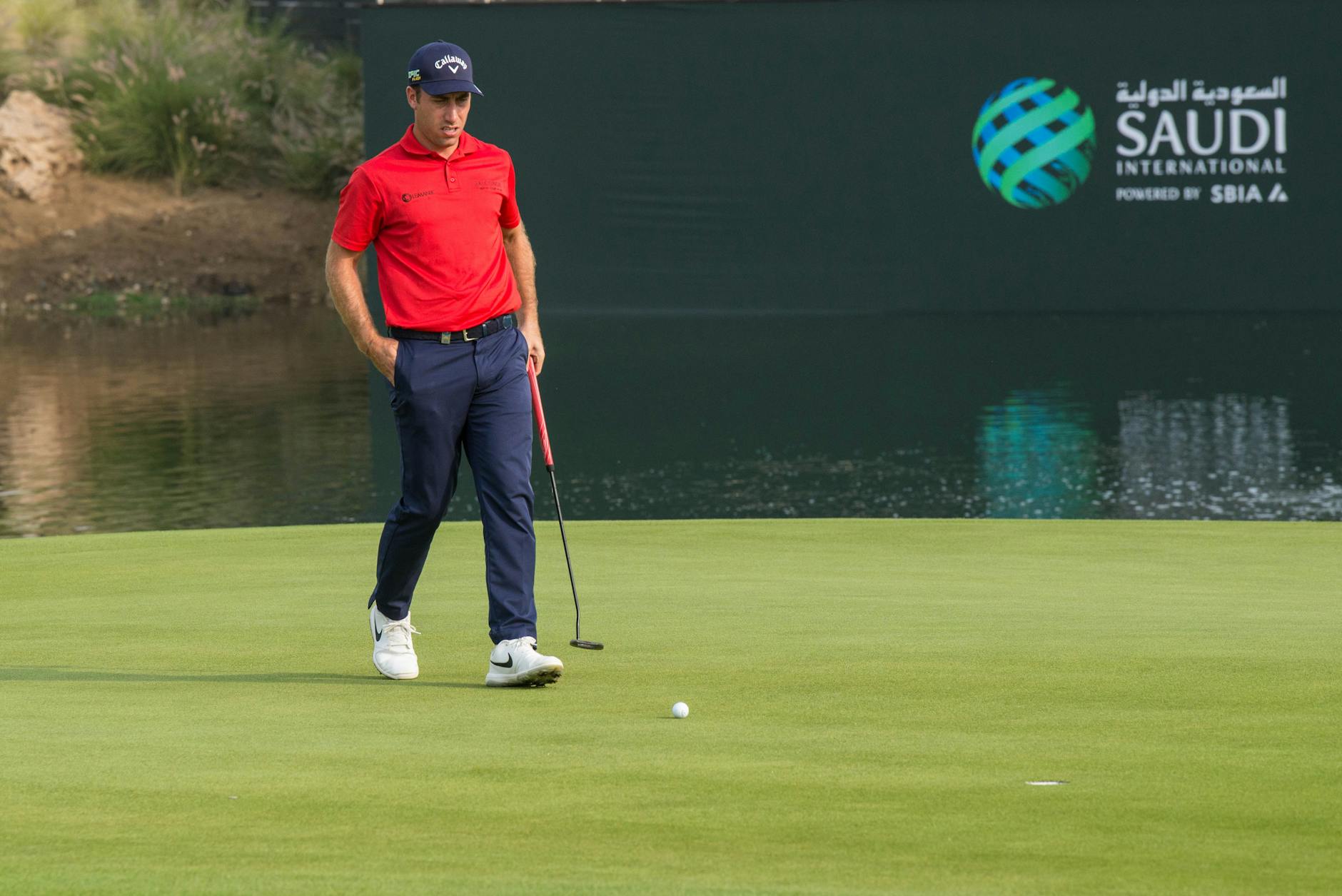
February is where seasons are made or broken. The guys putting in the work now are the ones you'll see on major leaderboards come summer.
— Tour Veteran on February Preparation
The Road to Augusta: February's Hidden Importance
What makes February particularly fascinating is its role as a proving ground for Masters aspirations. Augusta National demands a specific skill set: towering approach shots that land softly, exceptional distance control on firm greens, and the nerve to navigate Amen Corner's psychological gauntlet.
Astute observers track February performances not merely for their own sake, but as indicators of the form and confidence players carry into April. A victory or high finish this month often signals the kind of peaked performance that translates to major success.
Statistical Markers Worth Tracking
Greens in Regulation percentage tells only part of the story. The more nuanced metric involves proximity to hole on approach shots, particularly from the 150-200 yard range that players encounter repeatedly at Augusta. February tournaments offer ample opportunity to assess this critical skill.
Additionally, birdie-or-better percentage on par-5s deserves attention. Augusta's par-5s remain among the most scoreable holes in major championship golf, and players demonstrating aggressive efficiency on reachable par-5s this month are establishing the mindset required for Masters success.
- Proximity from 150-200 yards indicates approach precision
- Par-5 scoring efficiency reveals aggressive decision-making
- Bogey avoidance demonstrates course management maturity
- Final-round scoring average shows competitive resilience
Equipment Trends Emerging
The 2026 season has already surfaced interesting equipment discussions. Ball technology continues evolving, with players increasingly conscious of how construction density affects performance in varying conditions. High-density amorphous metal cores, like those in Attomax Pro's lineup, have gained traction among players seeking consistent flight patterns when February winds complicate club selection.
Shaft technology similarly evolves, with weight and flex profiles being dialed for specific swing characteristics. The marginal gains available through equipment optimization become particularly evident in February's variable conditions, where the difference between a well-fit setup and a compromise manifests in strokes rather than yards.
Looking Ahead: Key Storylines
As February unfolds, several narratives warrant close observation. The ongoing competitive dynamic between established stars and emerging talents continues shaping the Tour's landscape. Young players who secured status through Q-School or the Korn Ferry Tour are testing themselves against proven champions, with February serving as an extended audition.
International players continue making their presence felt on American soil, bringing diverse playing styles and mental approaches that enrich the competitive tapestry. The globalization of professional golf reaches new heights each season, with February's fields reflecting talent development from every continent.
For those following professional golf with an analytical eye, February represents peak opportunity. The data accumulated now forms the foundation for informed predictions when the stakes escalate at major championships. Pay attention to the details—they'll pay dividends when April arrives.
Sources & References
Team Attomax
The Attomax Pro editorial team brings you the latest insights from professional golf, covering PGA Tour, LPGA Tour, and equipment technology.