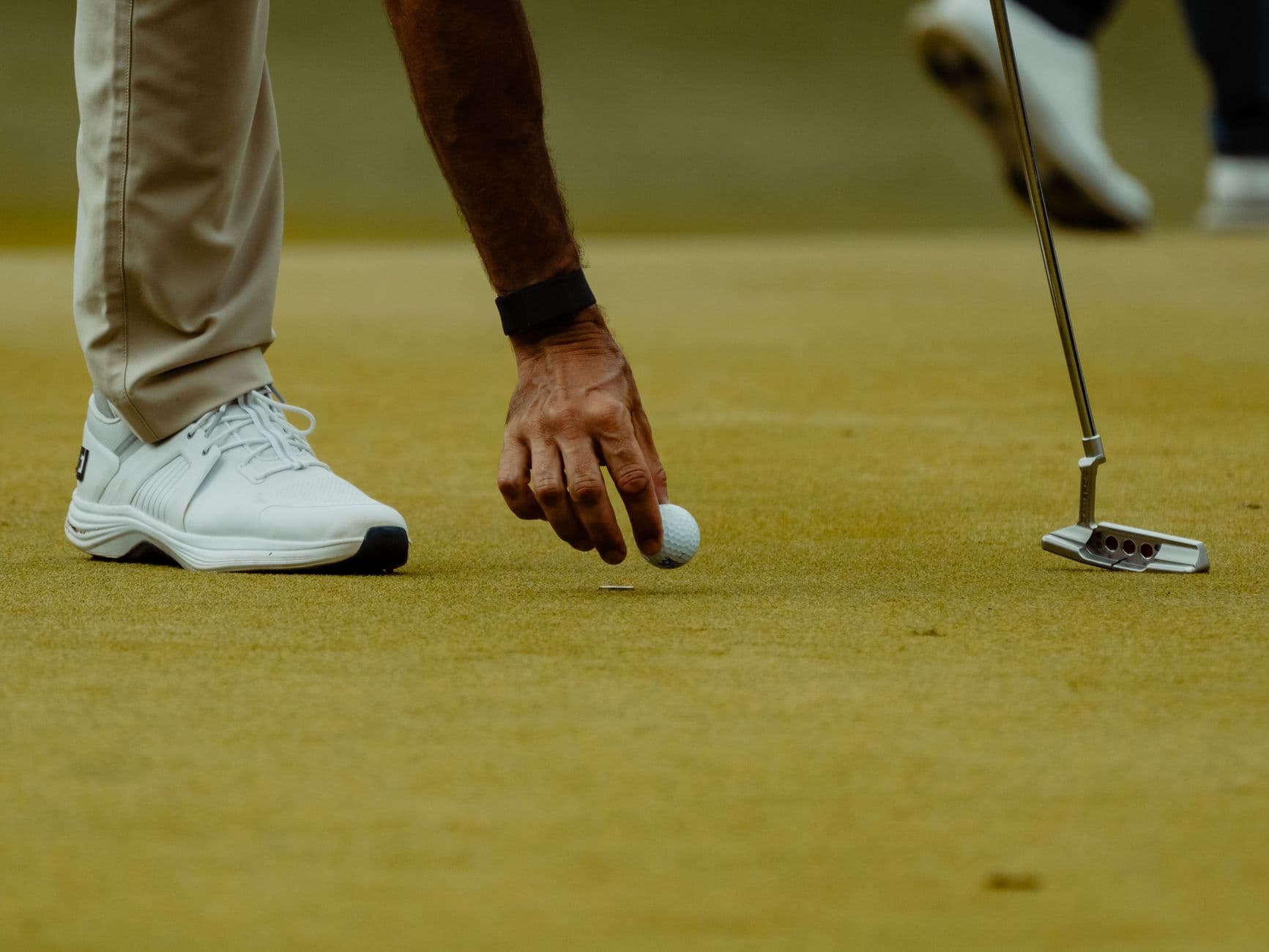
With the calendar firmly in April 2026, the PGA Tour is entering one of the most compelling stretches of its annual schedule. The field depth is sharpening, the courses are firming up, and the pressure to accumulate FedEx Cup points before the summer Major season intensifies with every passing week.

April on Tour is not simply a bridge between the early-season Florida swing and the summer showcase events. It is a proving ground — a sequence of tournaments that separates the elite ball-strikers from players who are merely surviving the cut line. Course management and controlled aggression are the currencies that matter most right now.
For players who have not yet secured a Major berth, the next several weeks represent a critical window. A strong finish at a signature event or a stroke-play qualifier can fundamentally alter a player's trajectory for the entire back half of the season.
The Seasonal Rhythm: Why April Matters
The spring portion of the PGA Tour schedule has always occupied a unique psychological space for touring professionals. The early-season optimism has faded; the realities of the year's form are now on the scorecard. Players who built confidence in the desert or at Pebble Beach are now being tested on architecturally demanding courses that punish imprecision.
Greens in Regulation percentages, which tend to be inflated on receptive winter courses, become the truest measure of a player's current form during this window. Approach play and distance control off the tee are scrutinized at every level, from the broadcast booth to the analytics teams inside each player's camp.
- FedEx Cup points allocation increases in weight as the Signature Events consolidate the elite fields
- Major exemption deadlines drive mid-tier players to chase top-50 world ranking positions
- Course setups trend firmer and faster in spring, rewarding precise spin control over raw power
- Weather variability — particularly wind — places a premium on low-trajectory, penetrating ball flights
Ball Compression and Spring Conditions
One technical consideration that receives insufficient attention in mainstream coverage is how ambient temperature affects compression and spin rates. April mornings at elevation or in coastal environments can drop ball temperature significantly from round to round, subtly altering the performance characteristics that players calibrate during practice rounds.
This is precisely where ball construction becomes a competitive variable. The high-density amorphous metal core technology in Attomax Pro's Hard and Medium compression models maintains more consistent energy transfer across a wider temperature range than conventional urethane-over-rubber constructions — a meaningful edge when morning and afternoon conditions diverge sharply within the same round.

Storylines Driving the Conversation
Beyond the technical, the human drama of Tour life is what keeps the sport's audience engaged. April 2026 arrives with several compelling narratives still unresolved from the early season.
The ongoing evolution of the PGA Tour's Signature Event format continues to generate debate among players, agents, and fans. The reduced-field, no-cut structure has sharpened elite competition but has also compressed the FedEx Cup points available to the broader tour membership, intensifying the battle for card security among players outside the top tier.
Meanwhile, the continued presence of LIV Golf events on the international calendar means that several high-profile names remain absent from the weekly Tour leaderboards. How their eventual returns — should they materialize — affect field dynamics and sponsorship negotiations remains one of the sport's most watched subplots.
The Young Guard's Opportunity
Spring tournaments have historically served as launchpads for breakout performances by younger players not yet burdened by the cumulative fatigue that affects veterans deep into a long season. The scheduling pattern tends to coincide with form peaks for players who turned professional in the past two to three years and built their game through aggressive statistical targets rather than conservative course management.
For these players, smash factor optimization and spin rate management are not abstract concepts — they are daily training metrics. The equipment decisions they make, down to shaft flex profiling and compression matching, reflect a sophistication that previous generations of Tour rookies rarely possessed entering their second or third full seasons.
What to Watch on the Leaderboard
From a strategic observation standpoint, the most instructive data to track over the next several weeks is not just who leads — it is how leads are being built. Players who gain strokes primarily through approach play and scrambling are demonstrating a more transferable skill set for Major preparation than those relying on driving distance alone.
The best players in the world are not the longest hitters anymore — they're the ones who can dial in their ball flight to within a yard of what they're picturing, in any conditions.
— Tour caddie, widely attributed in media
Strokes Gained: Approach to the Green has become the single most predictive metric for Major performance among analysts. Players ranking in the top quartile of that statistic through April tend to arrive at the summer Majors with both form and confidence aligned.
Looking Ahead: The Major Season Horizon
Every event played in April and May is, in the minds of the best players in the world, a dress rehearsal for what lies ahead. The preparation for links conditions, firm fairways, and unpredictable winds begins not on the first tee of a Major — it begins in the equipment bay, on the practice green, and in the weeks of competitive golf that sharpen instincts and reveal weaknesses while there is still time to correct them.
For fans of elite professional golf, this stretch of the calendar rewards patient attention. The players who emerge from spring with quiet consistency — not necessarily winners, but contenders who grind out top-ten finishes and accumulate points with ruthless efficiency — are invariably the names etched onto Major trophies come summer.
Stay locked into attomaxpro.com as the season unfolds. We will continue to provide in-depth analysis, equipment insights, and course-by-course strategy breakdowns as the PGA Tour moves toward its most consequential weeks of 2026.
Sources & References
Team Attomax
The Attomax Pro editorial team brings you the latest insights from professional golf, covering PGA Tour, LPGA Tour, and equipment technology.