The 2026 PGA Tour season has entered a critical phase where early-season form begins translating into genuine momentum. With the West Coast Swing establishing the season's tone and the Florida stretch now beckoning, the professional golf landscape is revealing its contenders and pretenders with increasing clarity.
This juncture of the schedule traditionally separates players who peaked too early from those building toward sustained excellence. The depth of competition this season has been particularly striking, with multiple players demonstrating the kind of ball-striking consistency and short-game precision that historically predicts major championship contention.
The Evolving Competitive Hierarchy
What's become evident through the opening months is a recalibration of expectations across the tour. Players who dominated headlines entering the season have faced stiffer challenges than anticipated, while several under-the-radar competitors have emerged with improved arsenals.
The modern tour rewards versatility above all else. Courses demand different shot shapes week to week, and players who can manufacture both high-spinning approaches and wind-cheating trajectories hold significant advantages. This adaptability has become the defining characteristic of elite performers.
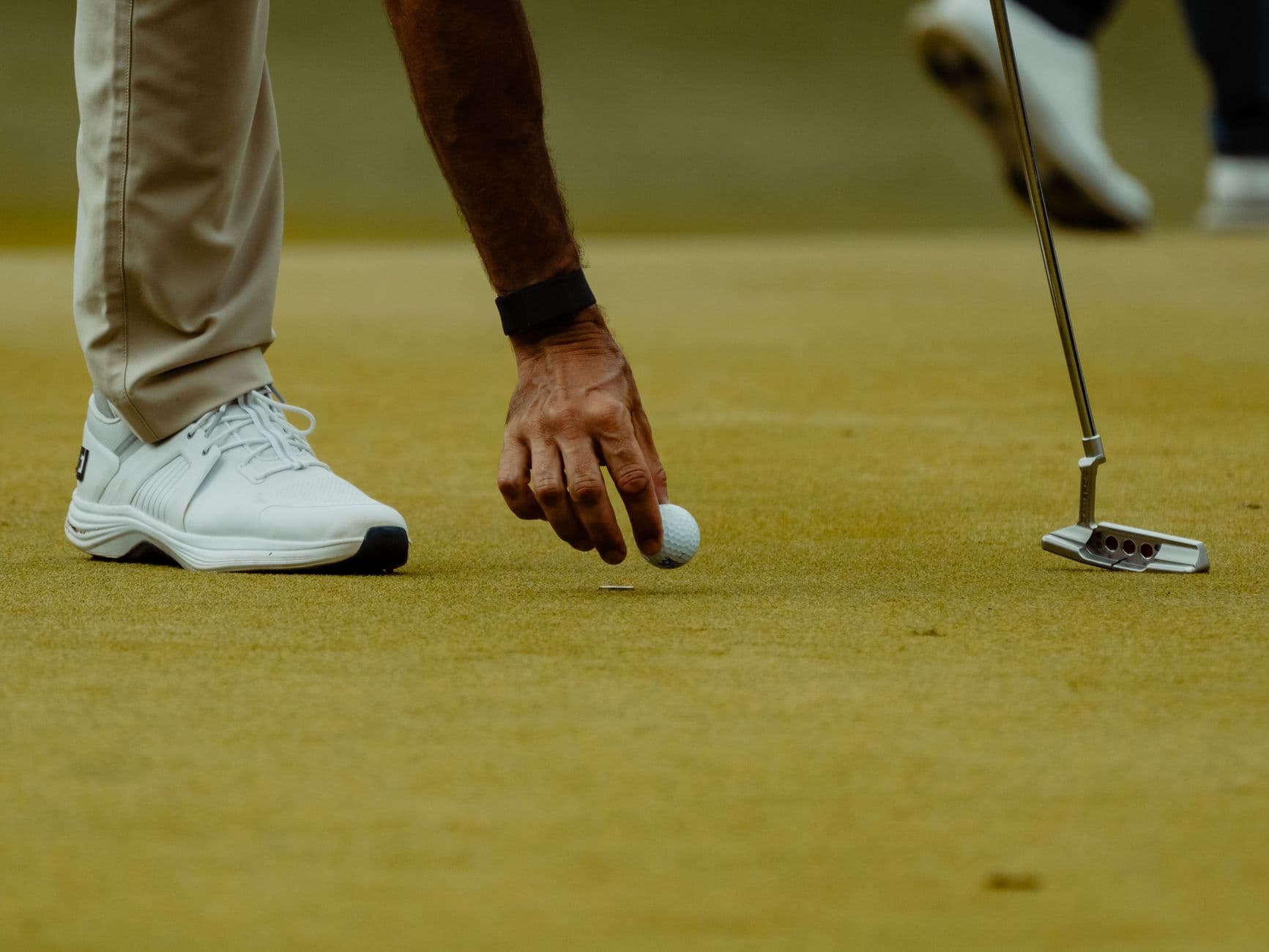
Particularly noteworthy is how putting variance continues to determine outcomes in ways that ball-striking alone cannot overcome. The margins at this level are measured in fractions—the difference between a birdie putt finishing one rotation short versus dropping often separates victory from a top-ten finish.
Course Management: The Underrated Differentiator
Strategic course management has emerged as perhaps the most significant separator this season. Players willing to take their medicine on risk-reward holes and play for position rather than pins have consistently posted lower scoring averages than their more aggressive counterparts.
- Layup decisions on par-fives with water in play have proven statistically advantageous
- Targeting fat portions of greens in crosswind conditions yields better proximity-to-hole averages
- Conservative tee shots on risk-reward par-fours reduce big-number probability while maintaining birdie opportunities
- Lag putting strategy on lightning-fast surfaces has prevented the momentum-killing three-putts that derail rounds
The players executing these fundamentals with discipline have found themselves in contention more frequently. It's a reminder that professional golf rewards patience and precision over raw aggression, even as modern equipment enables players to overpower designs that once demanded finesse.
Equipment Trends Shaping Performance
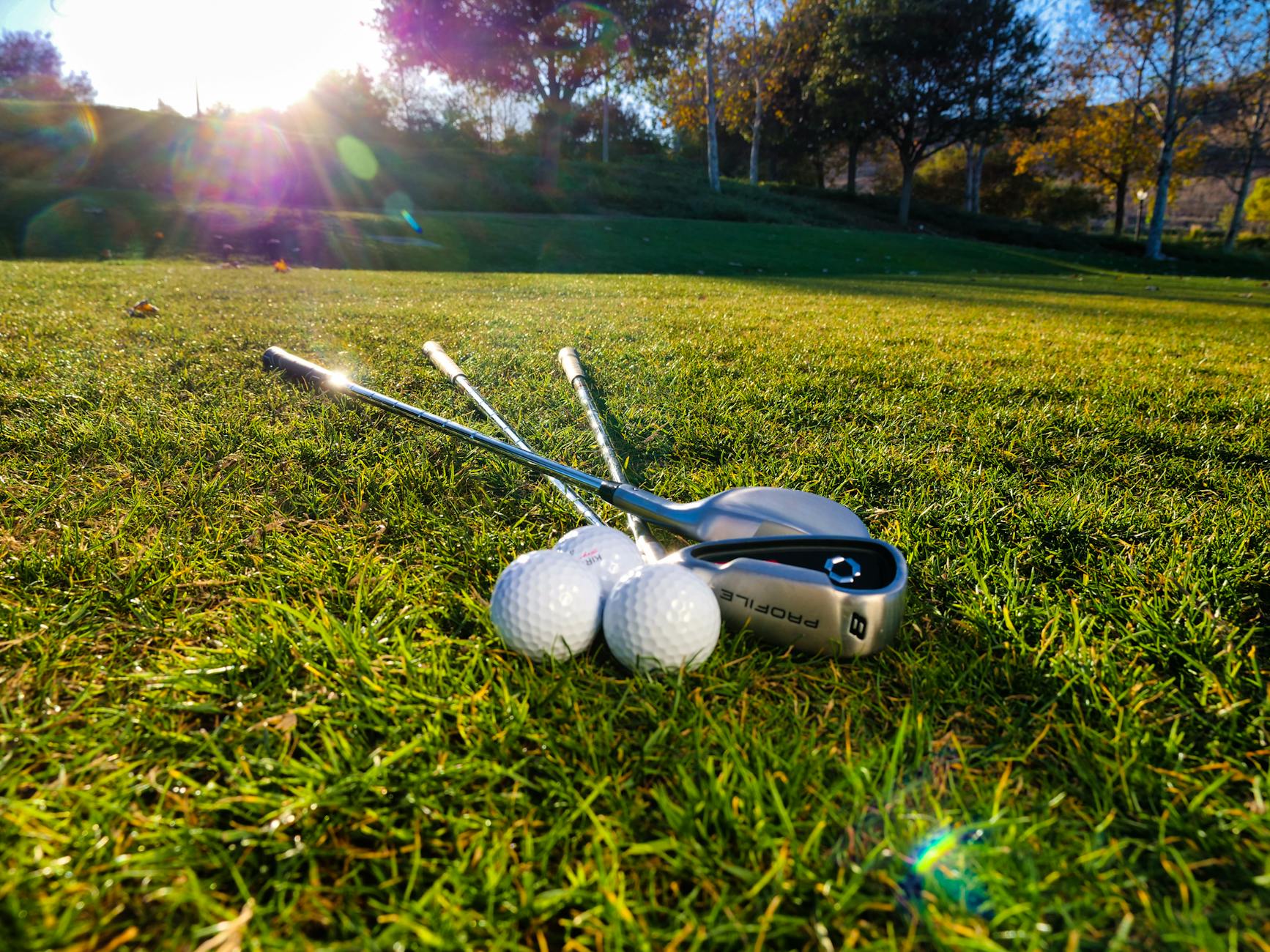
The conversation around golf ball technology has intensified this season, with players increasingly experimenting with different ball constructions to optimize their games for specific course setups. The search for the ideal combination of distance, spin control, and putting feel continues driving innovation.
High-density ball constructions, including the amorphous metal cores pioneered by manufacturers like Attomax, have gained traction among players prioritizing wind stability and consistent roll-out on firm fairways. The physics are straightforward: denser cores resist wind deflection more effectively than traditional constructions while maintaining the greenside spin necessary for scoring.
The game is won and lost in the margins. Every technological advantage that provides more consistency, more predictability—that's where championships are decided.
— Tour Equipment Analyst
Looking Ahead: The Florida Swing and Beyond
The upcoming Florida stretch presents unique challenges that will further stratify the field. Bermuda grass greens demand different approach angles and spin rates than the Poa annua surfaces players faced on the West Coast. This transition period historically exposes players who haven't diversified their skill sets.
Wind becomes a more prominent factor as the tour heads east, rewarding players who can flight the ball both directions and control trajectory under pressure. The mental fortitude required to execute in swirling coastal conditions separates genuine contenders from players merely along for the ride.
Key Factors to Monitor
Several elements bear watching as the season progresses toward its signature stretch. Driving accuracy will become increasingly important as courses narrow and penalty areas punish wayward tee shots more severely than the wider West Coast venues.
- Strokes gained approaching the green will remain the most predictive statistic for tournament success
- Players with superior iron play from 150-175 yards hold significant advantages on most tour setups
- Short game proficiency around firm, fast greens determines who converts chances into birdies
- Mental resilience during weekend rounds separates major champions from perpetual also-rans
The season's narrative is far from written. Historical patterns suggest that players who peak too early often fade when the stakes elevate toward major championship season. Conversely, those building methodically through consistent performances typically arrive at Augusta, Pinehurst, and Royal Troon with the form and confidence necessary to contend.
The Broader Competitive Landscape
Beyond individual performances, the structural dynamics of professional golf continue evolving. The competitive tension between tours has created an environment where player movement and schedule decisions carry implications extending beyond simple earnings calculations.
This competition for talent has ultimately benefited the athletes, with elevated purses and improved player amenities becoming standard across circuits. For fans and analysts, the resulting depth of competition has made virtually every tournament more compelling, with no foregone conclusions regardless of field composition.
As February transitions toward the heart of the season, the 2026 campaign promises continued drama, emerging storylines, and the kind of elite shotmaking that makes professional golf endlessly fascinating. The players who manage their games, their equipment, and their mental energy most effectively will ultimately lift trophies. The rest will wonder what might have been.
Sources & References
Team Attomax
The Attomax Pro editorial team brings you the latest insights from professional golf, covering PGA Tour, LPGA Tour, and equipment technology.