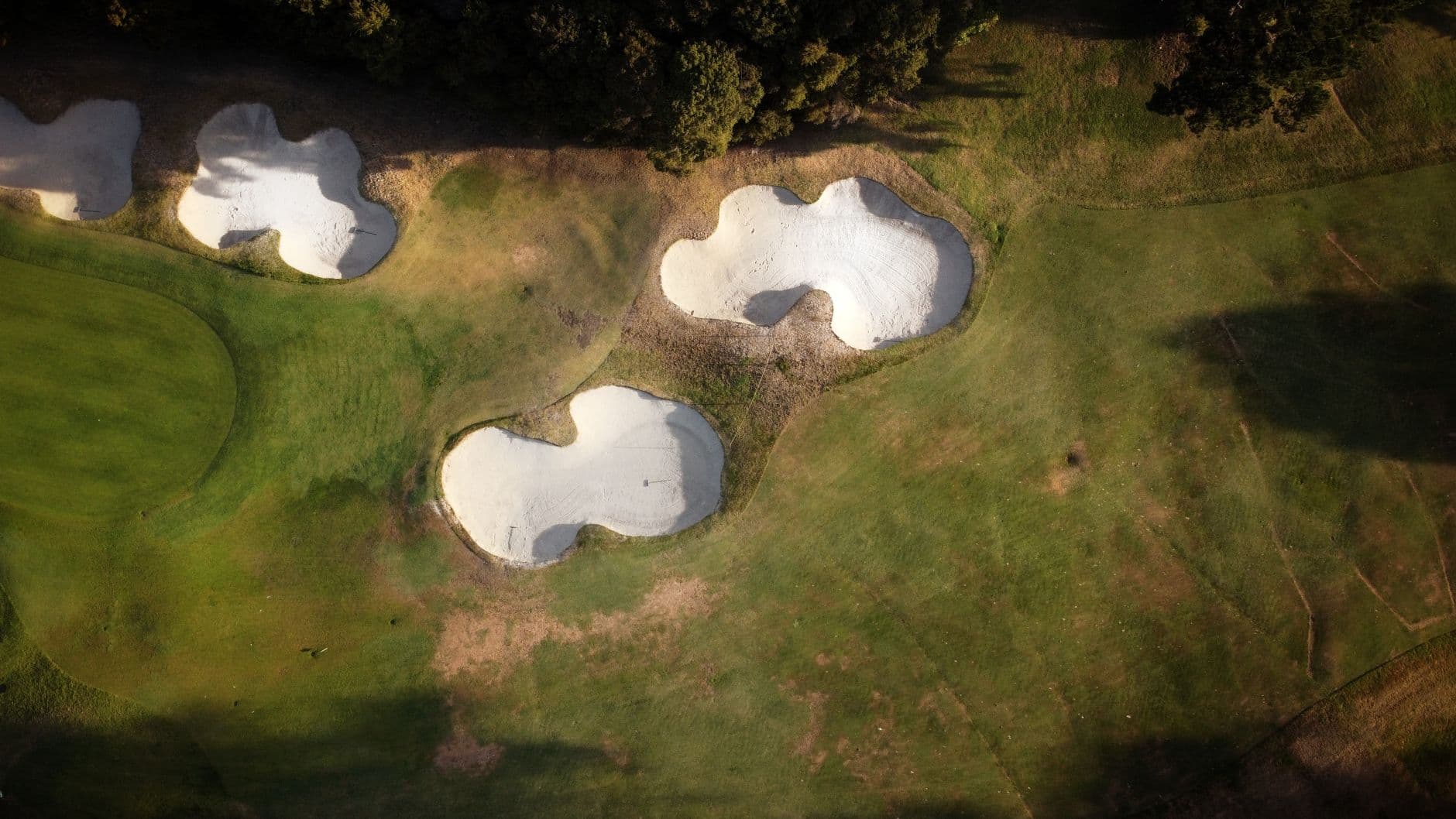
The Farmers Insurance Open has once again reminded us why Torrey Pines stands as one of the most demanding venues on the PGA Tour calendar. Perched along the Pacific coastline in La Jolla, California, this municipal masterpiece continues to separate elite ball-strikers from the rest of the field, demanding every tool in a player's arsenal across two distinctly different eighteen-hole layouts.
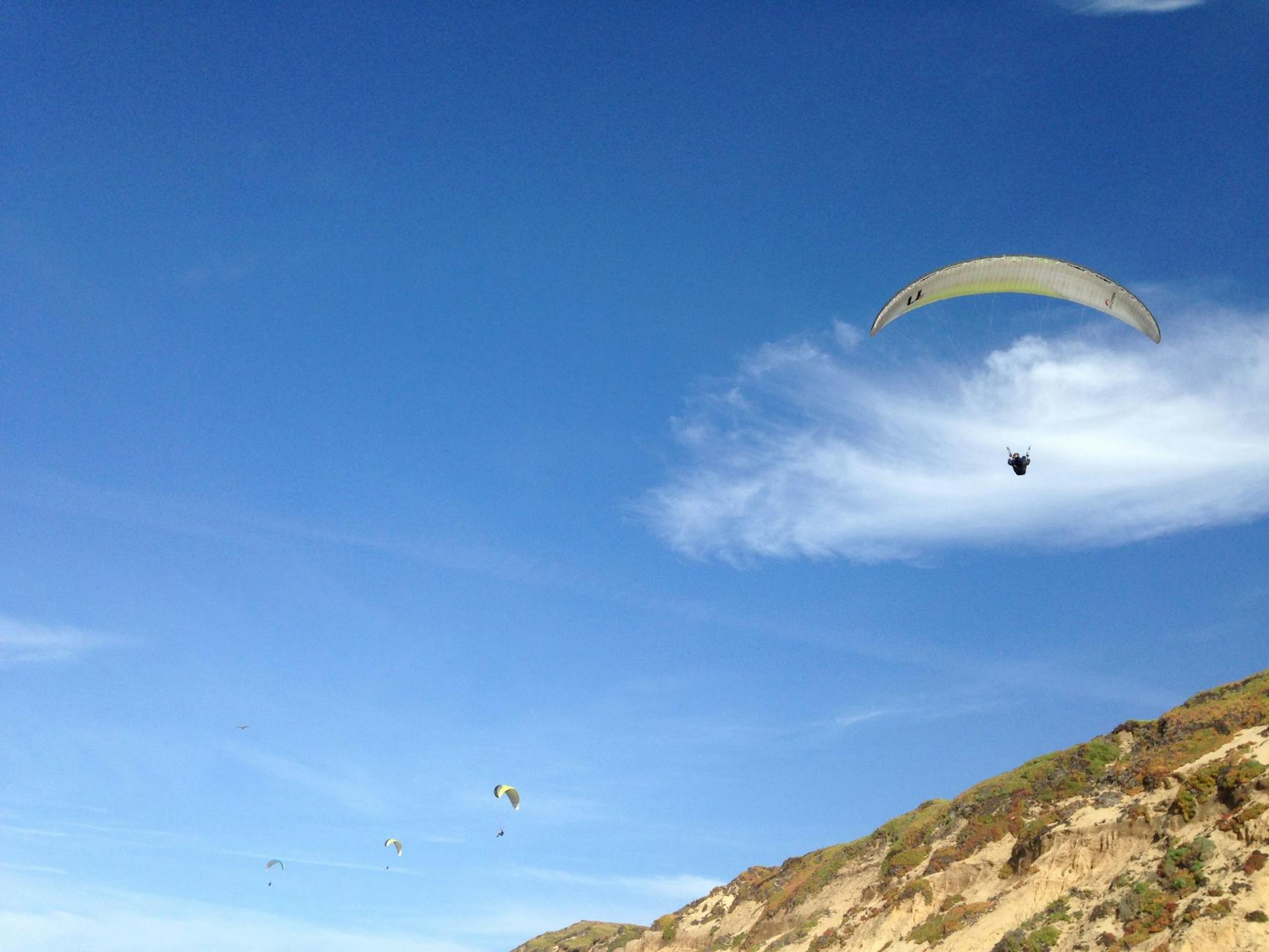
The South Course, fresh off hosting the 2021 U.S. Open, remains the ultimate examination. At over 7,700 yards from the championship tees, it punishes wayward drives with thick coastal rough and rewards those who can navigate the marine layer conditions that roll in each morning.
What makes Torrey Pines particularly intriguing this week is the split-course format through the first two rounds. Players must demonstrate versatility across both the North and South courses before the weekend cut consolidates competition exclusively on the South.
Course Strategy: Managing Two Different Tests
The North Course plays significantly shorter but demands accuracy through tighter corridors. Smart players use this round to build momentum, taking advantage of more accessible birdie opportunities before the South Course extracts its toll.
On the South Course, the conversation shifts entirely. Holes like the par-4 12th, stretching well over 450 yards with a canyon guarding the left side, require players to commit to aggressive lines off the tee while maintaining the precision to find narrow fairways.
- Fairways hit becomes paramount on the South Course, where rough can swallow approach distances
- The kikuyu grass rough penalizes offline shots more severely than most tour stops
- Green complexes feature subtle breaks influenced by proximity to the ocean
- Morning tee times face marine layer conditions affecting visibility and ball flight
Wind management emerges as the great equalizer at Torrey Pines. The afternoon onshore breeze can transform the back nine into a survival exercise, particularly on exposed holes running parallel to the coastline. Players using equipment designed for wind stability, such as high-density ball constructions, often find an advantage when conditions deteriorate.

Historical Significance and Past Champions
Torrey Pines carries weight that extends beyond typical tour stops. Tiger Woods claimed eight Farmers Insurance Open titles here, cementing the venue's association with elite performance. His 2008 U.S. Open victory on a fractured leg elevated the South Course into golf's collective consciousness.
Recent champions have shared common traits: exceptional driving distance paired with precise iron play into elevated, undulating greens. The winner typically ranks among the week's leaders in strokes gained off the tee while maintaining positive numbers on approach.
Torrey Pines demands everything. You can't hide any weakness in your game here—it finds you eventually.
— Tour Player Assessment
What to Watch: Key Storylines This Week
The West Coast Swing has historically served as a launching pad for players seeking to establish early-season momentum. With FedExCup points at a premium and major championship positioning beginning to take shape, strong performances at Torrey Pines carry significance beyond the trophy.
Attention should focus on players demonstrating consistency across both courses. The format rewards versatility—those who can attack the North while surviving the South position themselves for weekend success.
Putting Surface Challenges
Torrey Pines greens present a unique challenge with their poa annua surfaces. The bumpiness that develops through afternoon rounds can frustrate even the most accomplished putters. Players who commit to their lines and trust their reads tend to outperform those who decelerate through contact.
Tour professionals often discuss the importance of ball selection on poa surfaces, where a softer feel and consistent roll characteristics help navigate the grain and surface irregularities that define late-round putting here.
Looking Ahead: West Coast Swing Implications
The Farmers Insurance Open represents the third stop in the West Coast Swing, with momentum from strong finishes carrying players toward the signature events ahead. The desert swing follows, where entirely different challenges await on the manicured tracks of Arizona and the stadium environment at TPC Scottsdale.
Players building form now position themselves for the critical stretch leading into the Masters. Those who demonstrate proficiency at Torrey Pines—managing firm, fast conditions while executing under variable wind—typically find their games translating well to Augusta National's demands.
As the field navigates the iconic cliffs of La Jolla this week, expect the South Course to deliver its trademark drama. The closing stretch, featuring the risk-reward par-5 18th with its greenside pond, has produced countless memorable finishes and will likely determine this year's champion once more.
Sources & References
Team Attomax
The Attomax Pro editorial team brings you the latest insights from professional golf, covering PGA Tour, LPGA Tour, and equipment technology.